
West Virginia Families
Wrongful Death Car Accident Checklist for WV Families
A plain-language guide to the records, details, and people to keep track of while your family is grieving.
Published November 19, 2026
Losing your spouse in a car crash is overwhelming, and paperwork is the last thing you want to face. This checklist gives you a working list of records, people, and deadlines to watch.
In West Virginia, a wrongful death claim is generally brought by the personal representative of the deceased person’s estate, for the family members the law names. Work through the yes/no tests below and follow the next step for each answer.
What This Checklist Covers and Who It Is For
This checklist covers the records to gather, the people who may need to act, and the deadline to watch after a fatal car crash. It is a practical working list, not a legal opinion.
Negligence means careless conduct that causes harm. A death caused by a crash or someone else’s conduct raises many questions for surviving family members, and you can reach out to the firm to discuss your situation. The two are related, but they are not the same.
West Virginia law says a person whose wrongful act, neglect, or default causes a death may be liable for damages, even though the injured person has died. See W. Va. Code § 55-7-5.
The state’s rules on who may sue and what may be recovered are detailed. The answer often depends on the facts of your family’s situation, so treat each test as a starting point.
To use the checklist, answer each test, write down what is missing, and follow the next step. Start a folder today for everything you receive.
If you are the spouse who just lost your partner in a crash and you are unsure which records matter most, our team can review your situation at a free case review. Talk it through with Big Bubba — the first case review is free, confidential, and carries no obligation.

Step 1: Confirm Who May Bring the Claim
A wrongful death action is brought by the personal representative of the estate. The statute requires that the action be brought by and in the name of a duly appointed personal representative. See W. Va. Code § 55-7-6.
Test: Has a personal representative been appointed? The statute requires the claim to be filed in the representative’s name. Next step: if no one has been appointed yet, write that down and ask about the process before anything is filed.
Test: Are you your spouse’s surviving spouse? The court or jury may direct how damages are shared with the surviving spouse and children. Next step: list the names and relationships of every surviving family member.
Test: Are there children, parents, or other dependents? The statute may include stepchildren, adopted children, and anyone financially dependent on the deceased. Next step: write each name down, then contact the firm so we can review the list with you.
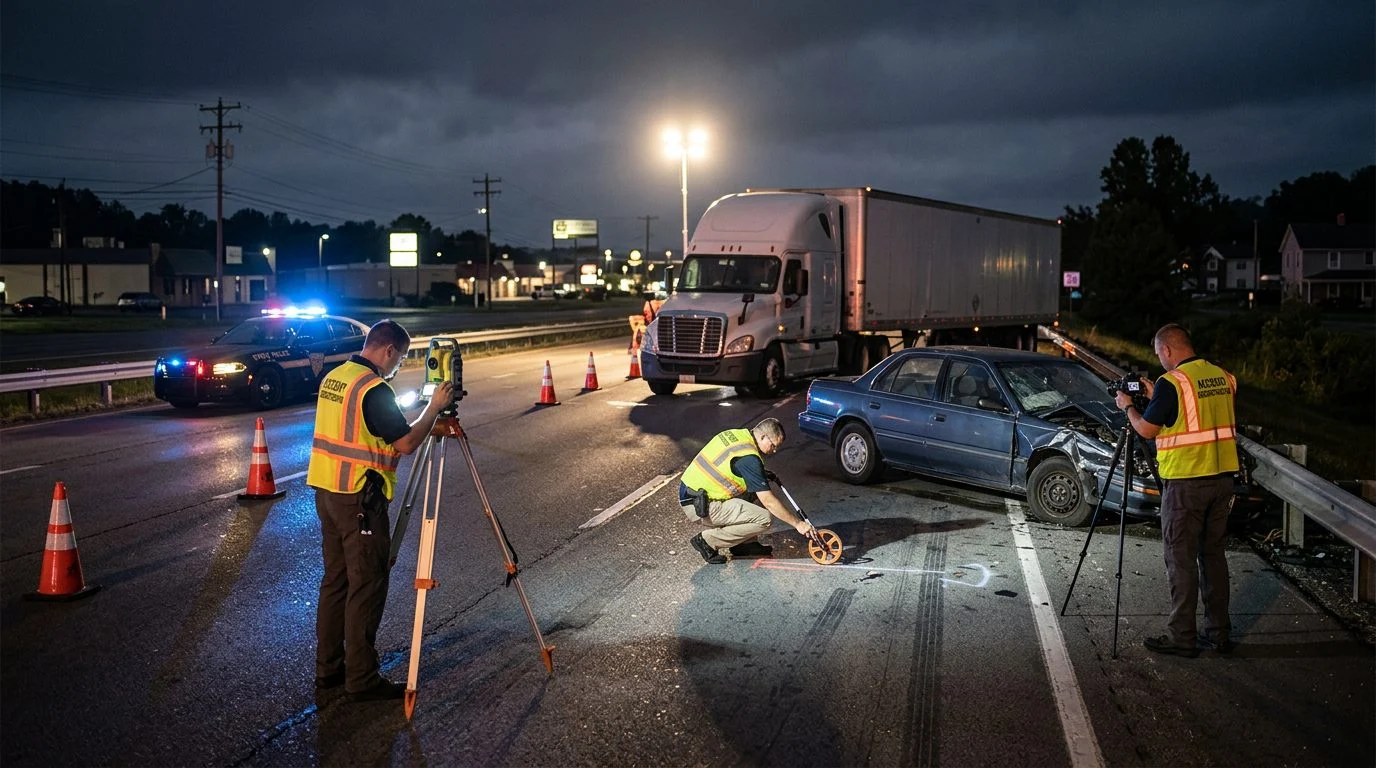
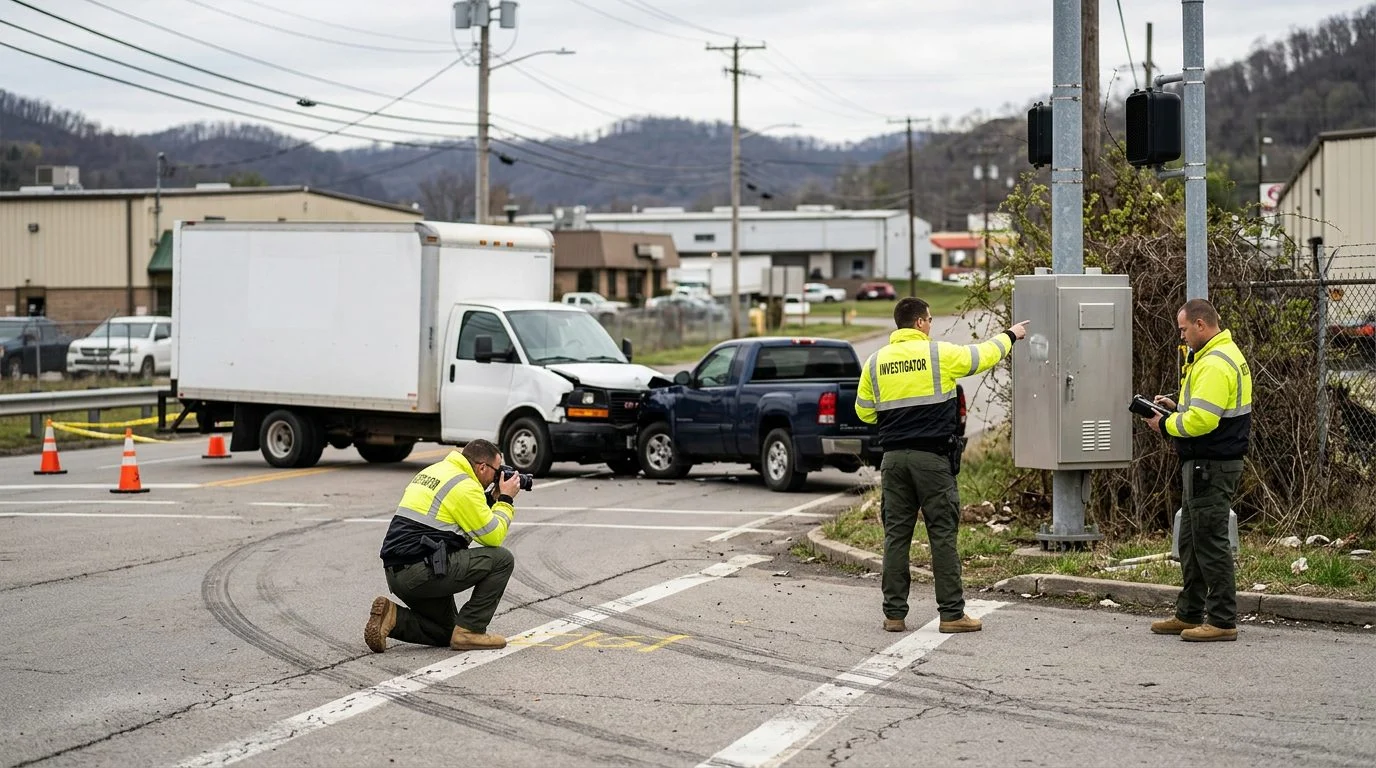
Step 2: Get the Crash Report and Police Records
Next step: contact that agency, request a copy, and keep the report or case number.
Test: Do you have the other drivers’ owner, operator, and insurance details? Next step: ask the agency for it and write each detail down.
Test: Did the investigation take more than 10 days? If it did, the officer must submit a preliminary report on the 10th day. Next step: ask whether a preliminary or final report exists.
Test: Has anyone asked your family for a recorded statement? Some insurers may ask early in a claim. Next step: tell the firm about any request during your free case review, before you answer.
Step 3: Collect Medical and Coroner Records
Medical records from the crash and the death investigation form the core of the file. The state’s medical examiner office sets its own procedures for family requests.
Test: Do you have records from the scene, the ambulance, and the hospital? These show injuries and the timeline on the day of the crash. Next step: request them in writing from each provider.
Test: Did your spouse have a traumatic brain injury or a spinal cord injury? Imaging reports, neurology notes, and discharge summaries can be central, and they are often requested separately. Next step: ask the hospital for those records. For background, see our traumatic brain injury and spinal cord injury pages.
Test: Has the medical examiner issued a report? The Office of the Chief Medical Examiner lists the steps for requesting records. Next step: follow its document request process exactly as written.
Step 4: Gather Funeral, Death, and Household Records
Start with certified copies of the death certificate. Many agencies and institutions ask for one before they will act.
Test: Do you have certified copies of the death certificate? Banks, insurers, and agencies often require one. Next step: order several from the county vital records office.
Test: Do you have the funeral home contract, invoices, and receipts? The statute allows reasonable funeral expenses to be listed separately in the verdict. See W. Va. Code § 55-7-6. Next step: keep every invoice in one folder.
Test: Do you have records of other costs since the crash? These may include medical bills, travel, and help at home. Next step: start a simple log with dates, amounts, and who paid.
Step 5: Pull Together Employment and Income Information
Income records show what your household relied on. The statute recognizes reasonably expected losses of the decedent’s income and of the services, protection, care, and assistance the deceased provided.
Test: Do you have recent pay stubs, W-2s, or tax returns? These show earnings the family may have depended on. Next step: gather at least the last few years of records.
Test: Do you know your spouse’s employer, benefits, and life insurance details? Employers and plans may hold wage and benefit records. Next step: write down each contact and any benefit the family has applied for.
Test: Was the crash connected to work, a company vehicle, or a commercial truck? Commercial vehicle crashes can involve different parties and rules. West Virginia has a separate statute for certain employer defendants in commercial vehicle cases, and how it applies depends on the facts. See W. Va. Code § 55-7-32. Next step: tell the firm about any work connection during your free case review.
Some insurers may dispute a claim or how household losses are valued. Keep copies of all letters, and talk with someone before you sign any release.
Not sure what your next step is?
Talk it through with Big Bubba — the first case review is free, confidential, and carries no obligation.
Step 6: List Every Party and Every Deadline
West Virginia generally allows two years from the date of death to file a wrongful death action, and exceptions may apply. See W. Va. Code § 55-7-6.
Test: Have you listed every driver, vehicle owner, and insurer tied to the crash? More than one party may share responsibility, depending on the facts. Next step: make one list with names, addresses, policy numbers, and claim numbers.
Write the date of death, then mark a date two years later as the filing deadline: the action must be commenced within two years after the death, subject to the provisions of section eighteen, article two, chapter fifty-five, and an earlier date is a good time to act sooner. W. Va. Code § 55-7-6 reads: “The provisions of this section shall not apply to actions brought for the death of any person occurring prior to July 1, 1988.” Related injury claims can follow different timing, so ask early. A related rule appears in W. Va. Code § 55-7-8a.
Test: Is everything in one folder? Organized records make it easier for anyone reviewing the claim to follow what happened. Next step: keep originals in one place and scanned copies in a second place.
What to Do With Your Results
If you answered every test and found gaps, note them and keep going. Gaps are common after a fatal crash, and the list shows you what to chase next.
If you are unsure who may bring a claim, or whether a work vehicle or commercial truck was involved, the next step is a free case review.
Common Questions
Who can file a wrongful death claim in West Virginia?
In West Virginia, a wrongful death action is generally brought by and in the name of the deceased person’s duly appointed personal representative under W. Va. Code § 55-7-6, for the benefit of the people that statute names, which may include the surviving spouse and children (including adopted children and stepchildren), brothers, sisters, parents, any persons who were financially dependent on the person who died at the time of death, and any persons who would otherwise be equitably entitled to share in the distribution, depending on the facts.
How long do I have to file?
West Virginia generally allows two years from the date of death, and exceptions may apply (W. Va. Code § 55-7-6).
The questions above often come up after crashes involving passenger cars, tractor-trailers and other commercial vehicles, and after the loss of a loved one, which are the kinds of claims the firm takes on. We serve families in Charleston, Huntington, Morgantown, Wheeling, Martinsburg, Parkersburg, Beckley, Clarksburg, Fairmont, Weirton, and across West Virginia. If you have just lost your partner in a crash and are not sure which records matter, request a free case review with our team.