

Traumatic Brain Injury
Car and Truck Accidents Can Cause Serious Brain Injuries
Even impacts that seem minor at first can lead to lasting damage. We help injured people across West Virginia understand their rights and pursue fair recovery.
Published October 05, 2026
Traumatic Brain Injury from Car and Truck Accidents in Wheeling
A traumatic brain injury (TBI) occurs when a sudden impact or jolt damages brain tissue. In car and truck accidents, traumatic brain injury commonly results from sudden deceleration, direct impact against the steering wheel or dashboard, or the force of a multi-vehicle collision. Even injuries that seem mild at first can cause serious, lasting effects. Understanding what happens after a head injury is critical for your health and your legal rights.
If you or a family member suffered a traumatic brain injury in a crash, reach out today. Talk it through with our team — the first case review is free, confidential, and carries no obligation.
What Is Traumatic Brain Injury?
Traumatic brain injury happens when a sudden blow or jolt damages the brain. It disrupts normal brain function. TBI ranges from mild to severe. A mild TBI, often called a concussion, may cause temporary confusion or headache. Moderate and severe TBIs can alter consciousness, cause memory loss, and result in permanent changes to thinking, movement, or behavior.
Two types of TBI can occur in vehicle accidents. A closed TBI happens from blunt force without the skull breaking—the most common type in crashes. A penetrating TBI occurs when an object pierces the skull, which is less common but more severe. Even a mild traumatic brain injury deserves serious attention. Early medical evaluation and documentation matter enormously when you later need to prove the injury and its costs.
How Car and Truck Accidents Cause Traumatic Brain Injury
Car crashes cause TBI through several mechanisms. Your head may strike the steering wheel, dashboard, window, or side pillar during impact. In high-speed collisions, sudden deceleration alone can cause the brain to move within the skull, tearing nerve fibers and damaging tissue.
Commercial truck accidents pose even greater TBI risk. Trucks weigh far more than passenger vehicles, so the force of impact is far more severe. Multi-vehicle collisions, rollover accidents, and pedestrian or cyclist crashes all carry significant risk of traumatic brain injury in Wheeling and across West Virginia.
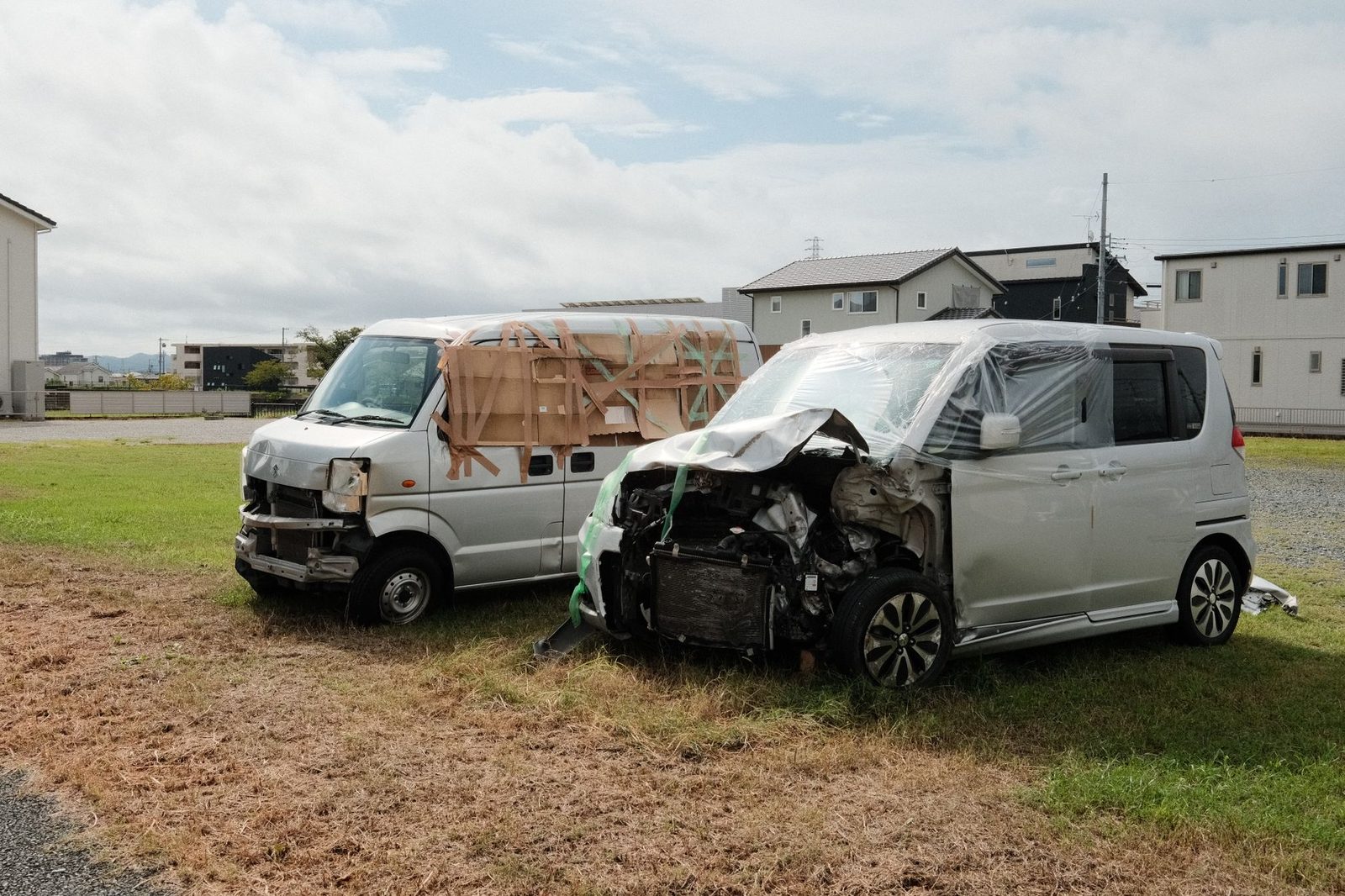
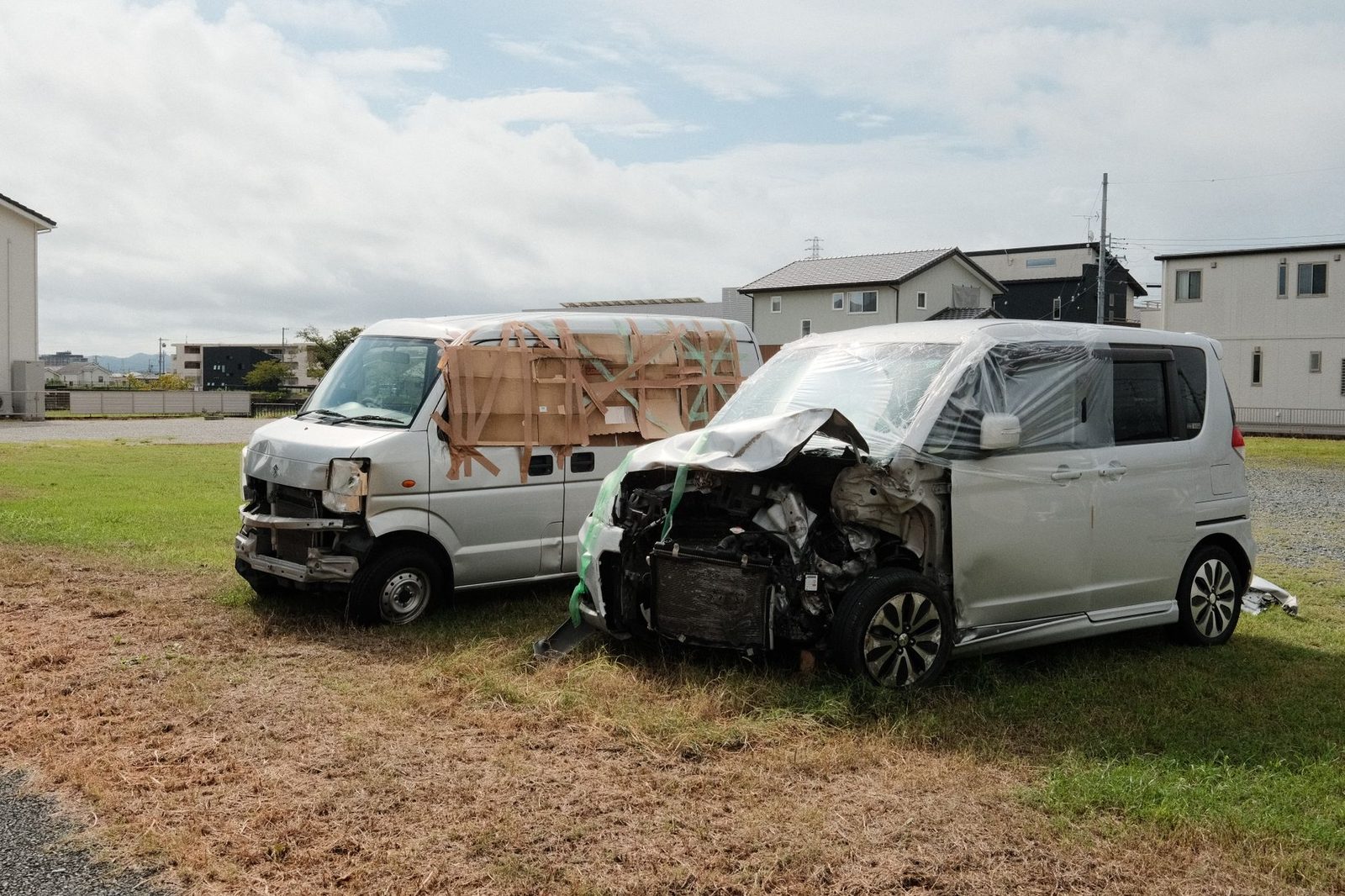
The severity of a TBI often depends on impact speed, whether multiple vehicles were involved, and whether the head struck a hard surface. Insurance companies frequently underestimate the damage caused by TBI. This is why documenting the accident scene, vehicle damage, and your immediate medical response is essential.
Immediate Symptoms After a Head Injury
After a head injury, watch for these warning signs:
- Loss of consciousness or altered awareness, even briefly
- Headache, dizziness, or balance problems
- Confusion or difficulty remembering the accident
- Nausea or vomiting
- Sensitivity to light or sound
- Slurred speech or difficulty concentrating
Do not wait to seek medical attention. Even if you feel “okay” immediately after a crash, go to an emergency room or urgent care for evaluation. Many TBI symptoms worsen over hours or days. A medical record created right after the accident becomes crucial evidence if you later pursue a claim. It establishes that the injury happened and documents its severity.
Not sure what your next step is?
Talk it through with our team — the first case review is free, confidential, and carries no obligation.
Recovery from Traumatic Brain Injury
Recovery from TBI varies widely based on injury severity, age, overall health, and access to rehabilitation. Some people recover fully; others experience lasting effects. According to the National Spinal Cord Injury Statistical Center, recovery outcomes depend significantly on the nature and extent of the initial injury. Recovery is not always linear. You may improve for weeks, then hit a plateau or experience setbacks.
Early medical intervention, specialized rehabilitation, and ongoing therapy improve outcomes. However, many people live with chronic effects long after the initial injury. This is why documenting your progress through medical visits, therapy notes, and your own records is vital. Insurance companies will scrutinize every detail.
Long-Term Effects of Traumatic Brain Injury
Yes, TBI can affect you years later. Long-term effects often emerge months or even years after the initial crash. These include:
- Cognitive changes: memory problems, difficulty concentrating, slowed processing speed, trouble organizing thoughts
- Emotional and behavioral changes: mood swings, irritability, depression, anxiety, personality changes
- Physical effects: chronic headaches, balance problems, fatigue, sleep disturbances, sensitivity to light or sound
- Post-concussion syndrome: persistent symptoms that linger long after a “mild” injury
Many people don’t realize these changes stem from the accident until they’ve struggled for months. Keeping detailed records of how the injury affects your daily life, work, and relationships helps establish the true cost of your injury. This documentation becomes essential when calculating damages for lost wages, reduced earning capacity, and future medical needs.
Chronic Traumatic Brain Injury and Lifetime Costs
Many TBI cases result in chronic, long-lasting effects. If your injury requires ongoing medical care, therapy, cognitive rehabilitation, or specialist visits, it is chronic. Chronic traumatic brain injury often means:
- Lifetime medical expenses for neurology, neuropsychology, physical therapy, or occupational therapy
- Reduced ability to work or earn income
- Need for home modifications or assistive devices
- Caregiver support or personal assistance
These costs add up quickly. Hospital bills are often only the start of what a serious brain injury costs over time, including future medical needs and lost earning capacity. This is why working with someone who understands both the medical and legal sides of TBI is critical.
Modern Treatment Approaches for Traumatic Brain Injury
Treatment for TBI continues to advance. Modern approaches include specialized neuropsychological assessment to identify specific cognitive deficits, targeted rehabilitation therapies, and emerging clinical treatments. Access to quality medical care in West Virginia—including specialists at regional medical centers—can significantly affect your recovery.
When documenting your case, keep records of all treatments you receive, including therapy sessions, specialist visits, and any clinical trials or experimental therapies. These records demonstrate the seriousness of your injury and the ongoing effort required to manage it. They also support the damages you claim for past and future medical expenses.
Have questions about what happened?
Ask our team directly. The first conversation is free, confidential, and there is no obligation to continue.
Legal Help After a Traumatic Brain Injury Accident
Traumatic brain injury cases are complex. Insurance adjusters often minimize TBI claims because the injury is “invisible”—there’s no cast or obvious wound. Yet the medical costs, lost wages, and lifetime care needs can be enormous.
Big Bubba handles traumatic brain injury cases from car accidents and truck accidents across West Virginia, including Wheeling and Ohio County. We understand how to document the injury, gather medical evidence, work with specialists, and build a case that reflects the true scope of your harm.
Learn more about how we handle personal injury claims and get our accident injury guide for additional information.
A free case review lets you discuss what happened, understand your legal options, and learn what steps come next—with no obligation. If you or a family member suffered a traumatic brain injury in a crash, reach out today.
Related practice areas
- Traumatic Brain Injury from Car and Truck Accidents in West Virginia
- Traumatic Brain Injury in Morgantown, West Virginia