
Wrongful Death · West Virginia
Losing a Loved One? Start With a Clear, Plain Guide
Answers for West Virginia families facing a wrongful death claim, from a firm that focuses on serious crash and injury cases.
Published November 11, 2026
Losing someone in a crash is hard. Many West Virginia families then hear the term “wrongful death” and wonder what it means for them. If you are asking what suing for wrongful death involves, here is the short answer. It is a civil claim, brought in court, for losses a family suffers when a death may have resulted from another party’s wrongful act, neglect, or default. The money generally goes to the people left behind, not as criminal punishment. This guide explains who may file, what a claim generally must show, and why timing matters.
What is a wrongful death lawsuit?
A wrongful death lawsuit is a civil case that a family or estate files after a person dies because of another party’s wrongful conduct. The case asks a court to order payment for the losses the death caused. It is different from a criminal case. A criminal case asks whether someone broke the law, and the state brings it. A civil claim is brought by the family, through the estate’s representative. The two cases can run at the same time, or one may never be filed. Parties that may be named include drivers, trucking companies, employers, and vehicle owners. Which parties belong in a claim depends on how the death happened. Most people searching this question are not lawyers, and that is normal. Because the claim belongs to the survivors and the estate, your own relationship to the person who died matters a great deal.
If you are asking whether a death after a crash could lead to a claim, you can request a free case review with the firm, and you do not have to face those questions alone. Talk it through with Big Bubba — the first case review is free, confidential, and carries no obligation.

What kinds of deaths can lead to a wrongful death claim?
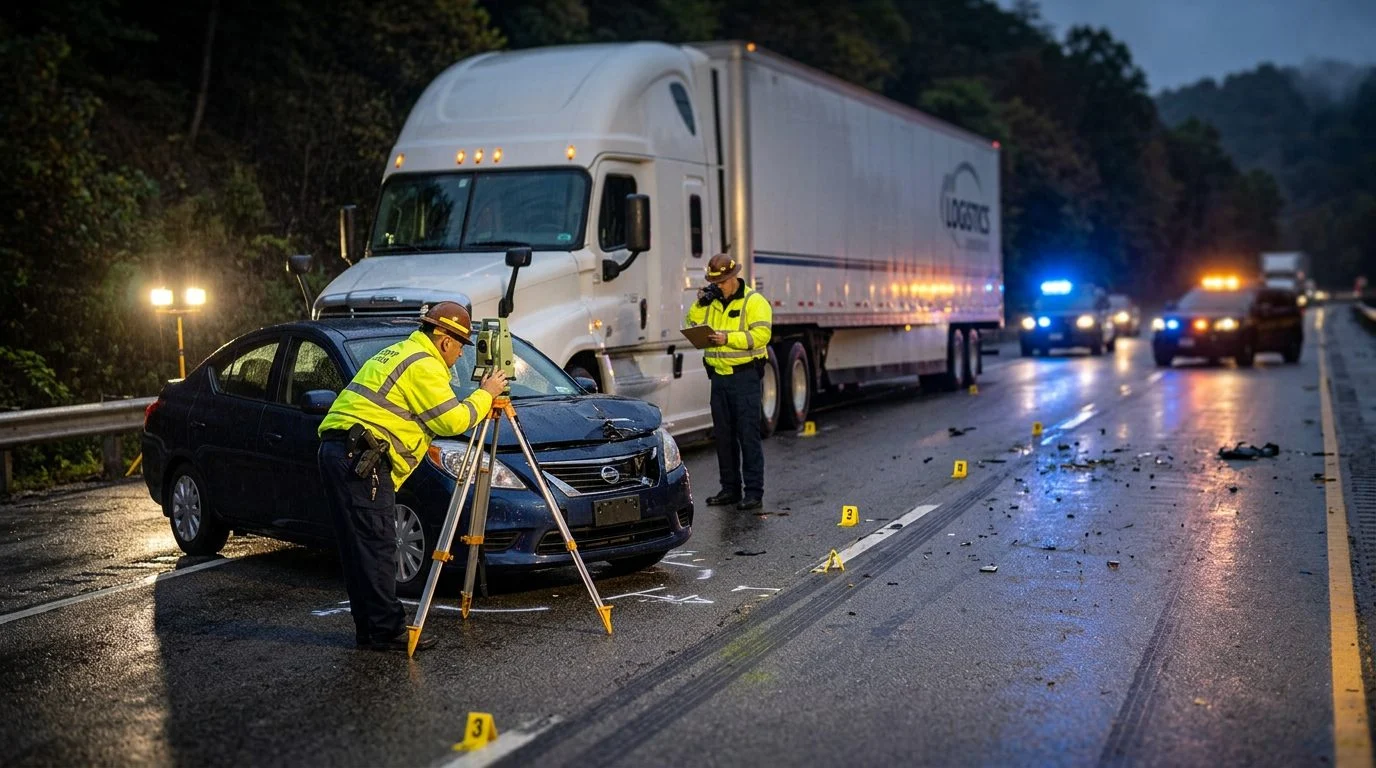
A death after a car crash, a truck crash, or another commercial vehicle collision may lead to a claim, depending on the facts. Commercial cases can involve more than one company, because the driver, the carrier, and the vehicle’s owner may each have a role. Some deaths follow a serious injury by weeks or months. A traumatic brain injury or spinal cord injury may be the starting point of such a case. In those cases, the link between the original injury and the death is often the central question. Medical records and the timeline of care may help answer it. A death certificate and medical examiner or coroner records may also show how the death happened. You do not need legal words to raise a question. Describe what happened in your own words, and the firm can look at the facts with you.
Who can file a wrongful death lawsuit in West Virginia?
In West Virginia, a wrongful death action must be brought by the deceased person’s personal representative. A personal representative is the person a court appoints to manage the estate. W. Va. Code § 55-7-6 says the representative must be duly appointed, and the case is filed in that person’s name. The statute sets out how any recovery is shared. The jury, or the judge in a case without a jury, may decide how damages are divided. The statute lists surviving spouses, children (including adopted children and stepchildren), brothers, sisters, parents, and any persons who were financially dependent on the person at the time of death or would otherwise be equitably entitled to share in the distribution. Do not assume that any one relative automatically has the right to file. Who must sign, who is named, and who shares in the recovery can be complicated. If an injured person dies after starting a claim, W. Va. Code § 55-7-8 may allow the case to continue in the personal representative’s name.
What must a wrongful death claim generally show?
A wrongful death claim generally must show that another party’s negligence led to the death. Third, the breach caused the death. Picture a driver who ran a red light, or a truck company that skipped required brake work. If the brakes failed because maintenance was skipped, that failure may be the breach. Federal rules require motor carriers to systematically inspect, repair, and maintain their vehicles. Those maintenance records must be kept for one year, and for six months after a vehicle leaves the carrier’s control. Crash reports, death certificates, and medical examiner records may also be reviewed. Proving that the breach caused the death often depends on medical records and testimony from people who understand the injuries.
What losses can a wrongful death lawsuit seek to recover?
A wrongful death claim can seek damages for losses the death caused. West Virginia law lists several categories that a verdict must include, and says damages may not be limited to them. The first is sorrow, mental anguish, and solace. This can include the loss of companionship, comfort, guidance, and advice the person gave. The second is income the person was reasonably expected to earn, plus the services, care, and support they would have provided. The third covers expenses for care, treatment, and hospital stays tied to the injury that led to the death. The fourth covers reasonable funeral expenses. In its verdict, the jury must set forth separately the amount of damages awarded for reasonable funeral, hospital, medical and other expenses incurred as a result of the death. Which categories fit a particular family depends on the facts and on the family’s relationships. Some losses are easy to name, like a funeral bill. Others, like the loss of a parent’s guidance, are harder to put into words, and that is normal.
Why timing matters and why a claim may be dismissed
West Virginia generally allows two years to file a wrongful death action, and exceptions may apply. The statute says the action must be commenced within two years after the death, subject to certain tolling rules it cross-references (W. Va. Code § 55-7-6). The same deadline may not fit every case. Timing questions can be tricky when a death happens months after a crash. If an injured person dies before starting a claim, W. Va. Code § 55-7-8a says the personal representative may begin the action, if the claim was not barred by the applicable statute of limitations at the time of death, within the same period that would have applied had the person not died. A court may dismiss a claim filed after the deadline. A missed deadline can end a claim before the facts are ever heard. Early review may help families understand the timing question while records and witnesses are still available.
Not sure what your next step is?
Talk it through with Big Bubba — the first case review is free, confidential, and carries no obligation.

Understanding a possible wrongful death claim
If a loved one died after a crash or serious injury, the firm can help you sort through the questions. You may be reading this while grieving, while a loved one’s injuries are still under review, or while funeral plans and paperwork are piling up. That is a hard place to be. We handle car accident, truck accident, commercial vehicle, catastrophic injury, traumatic brain injury, spinal cord injury, and wrongful death matters. We serve families across West Virginia. If you want to know whether a death after a crash may lead to a claim, you can request a free case review. It is confidential, and it carries no obligation to continue.