

Crash Guide | West Virginia
MVC or MVA After a Crash: What the Paperwork Means
Police reports, insurance letters, and medical records don't always use the same abbreviations. Here is how to read them and why it can matter.
Published November 16, 2026
Seeing MVC on one page and MVA on another can be confusing after a crash. The short answer is that MVC usually means motor vehicle collision, and MVA usually means motor vehicle accident. Many people, and many documents, use the two terms to describe the same kind of event. This page explains where each abbreviation shows up and why the wording in those records can matter later.
MVC and MVA: The Short Answer
The difference between MVC and MVA is usually about where the term appears, not what happened on the road. Both abbreviations describe a crash involving at least one motor vehicle. MVC, or motor vehicle collision, is the term you will often see in emergency and medical records. MVA, or motor vehicle accident, often shows up in police paperwork, insurance letters, and general claim language. Each office chooses its own wording, so the setting around the abbreviation is often a helpful clue to its meaning. Reading a few documents side by side usually makes the pattern clear. If one paper says MVC and another says MVA, compare the dates and names on each. Think of them as shorthand. The letters describe a crash; they do not decide who was at fault. That point matters because a label on a form is not a finding about blame.
If an MVC or MVA label on your crash papers has left you with questions, our team is glad to talk through your situation in a free case review. Talk it through with Big Bubba — the first case review is free, confidential, and carries no obligation.
What MVA Means in an Accident
MVA is often described as the broader phrase, covering motor vehicle accidents of many kinds. It can include car crashes, truck crashes, and crashes involving other commercial vehicles. A broader term like this fits many kinds of crashes, from a parking-lot fender bender to a highway collision. You will often see it in police paperwork and insurance letters, where it works as a general category. Some agencies and insurers use MVA as a label on claim files, so the same crash may carry that label throughout the file. Read the surrounding words, such as the agency name, the state, or the form title, before deciding what MVA means in a given paper. Keep in mind that MVA can also stand for a state agency. In Maryland, the Motor Vehicle Administration handles auto crashes and insurance claims, so check the document’s state and source before assuming a meaning.
What MVC Means in the ER and Medical Records
MVC is widely used in emergency and medical charting to note that a patient arrived after a motor vehicle collision. Staff may write it in triage notes, the history section, or the discharge summary. These entries often record how the patient described the crash, so they can be an early written account of what happened. A chart may also list the time of arrival, the mechanism of injury, and the treatment given, which all help explain the sequence of events. Medical coding systems also use their own categories for transport-related injuries, and those labels can differ from everyday wording. Keep copies of discharge papers and bring them to later appointments, so the description stays easy to compare.
Why the Two Terms Get Mixed Up
Different offices choose their own abbreviations, so the same crash can carry MVC in one document and MVA in another. A hospital may use MVC in its chart while a police department or insurer uses MVA in its file. Medical staff, police officers, and insurance adjusters each work from their own forms and systems. That is why the same crash can look different on each page. Most of these labels are shorthand for the same basic event. This is common and does not by itself mean the records disagree about the facts. Still, the difference can cause confusion when someone reads the papers later, especially a family member who was not there. If a label seems off, write down the date, the document, and the name of the person who wrote it.
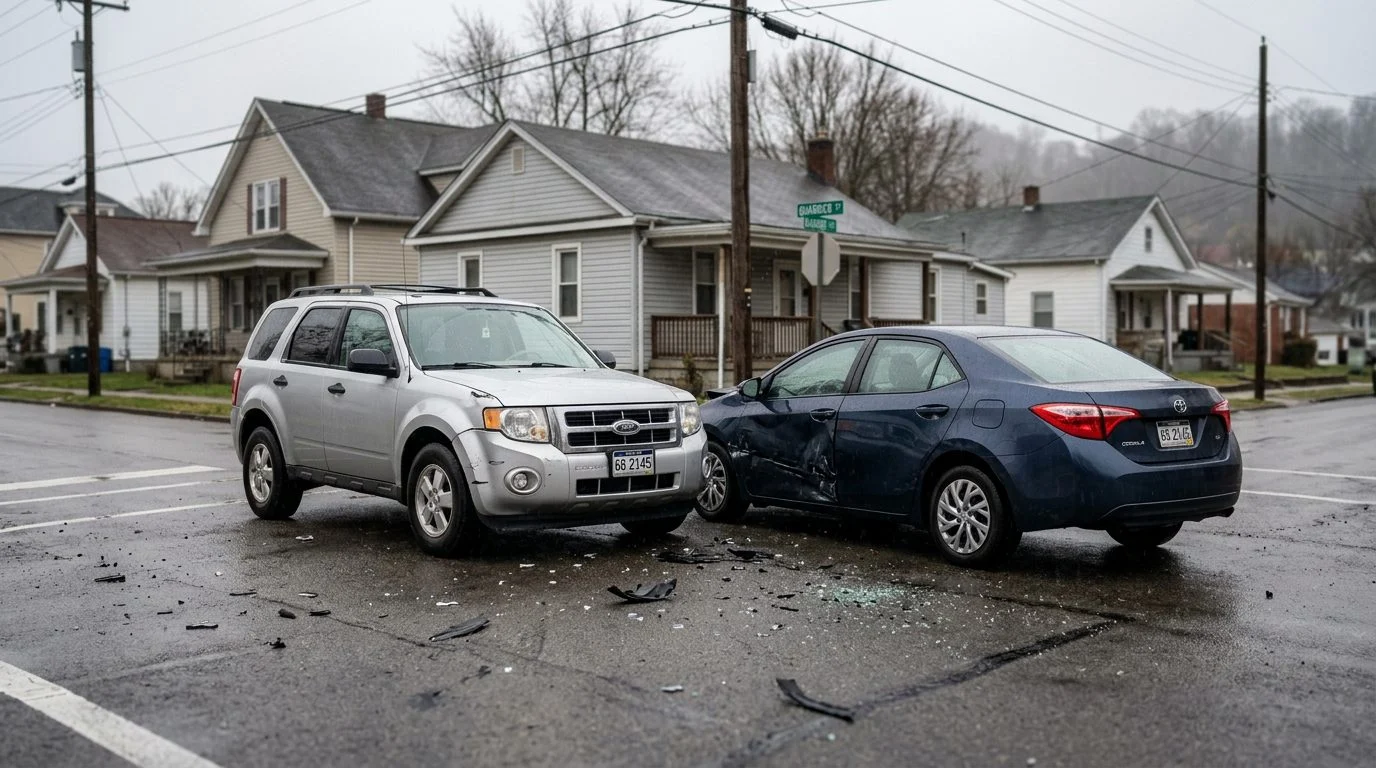
Why the Wording on Crash Records Can Matter
Crash reports, ER records, and insurance letters often become part of the file if a claim is later pursued. A crash on a public road with injury or death, or total property damage to an apparent extent of $1,000 or more, calls for a report. The investigating officer must prepare it within 24 hours after finishing the investigation (W. Va. Code § 17c-4-7). The report format must give enough detail to show the cause, the conditions then existing, and the persons and vehicles involved (W. Va. Code § 17c-4-9). Describing how the crash happened in consistent, accurate terms across these records may be relevant, depending on the facts. Keep the original papers, not only summaries, so you can compare details later. Some insurers may dispute a claim, which is one reason to keep copies of every paper you receive.
Where Brain and Spinal Injuries Fit In
A head or spinal injury can appear under different labels in MVC or MVA paperwork, such as traumatic brain injury, concussion, or a neck or back injury. Research from the Brain Injury Association of America lists vehicle crashes among the causes of moderate-to-severe brain injury. Symptoms such as memory problems, mood changes, or fatigue may appear days or weeks after a crash. A study on whiplash and spinal injury describes the possibility of partial spinal cord injury after a collision, including weakness and changes in feeling or movement. Symptoms may also change from week to week, so a note from one visit may not describe the whole picture. Doctors often write these concerns in follow-up visits, so the wording in later notes can matter as much as the first chart. Keep every follow-up record, since those notes can show how symptoms change over time.
Not sure what your next step is?
Talk it through with Big Bubba — the first case review is free, confidential, and carries no obligation.
What to Know After a Crash
Reading unfamiliar abbreviations on hospital or police papers can add stress to an already hard time. Many people reading these papers do so for a family member. There is no need to sort out every abbreviation before you reach out. The firm handles car accident, truck accident, commercial vehicle, catastrophic injury, traumatic brain injury, spinal cord injury, and wrongful death matters for people across West Virginia. If you have crash paperwork with MVC or MVA on it and questions about your situation, we invite you to request a free case review. You can also read the firm’s resources on traumatic brain injury accidents to learn more about those injuries.