
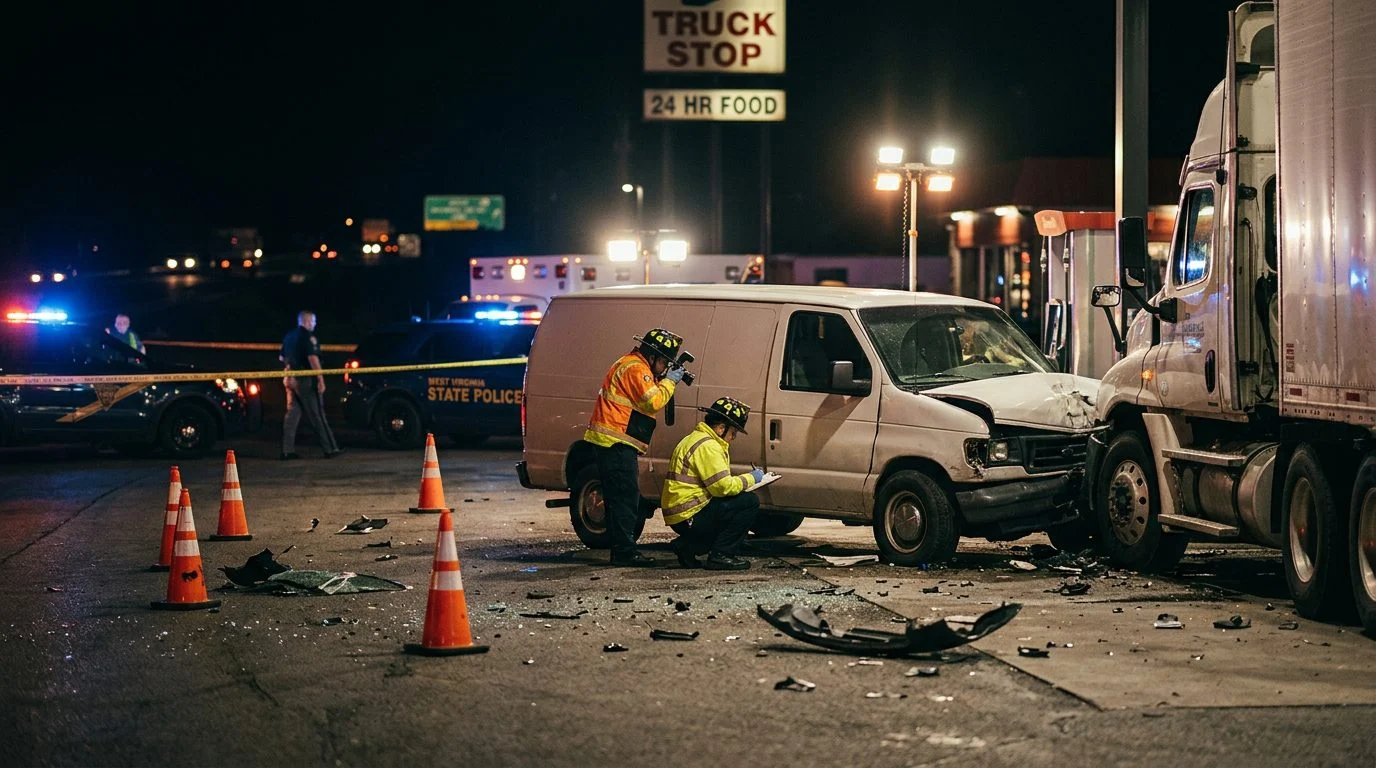
Work Van Crashes | West Virginia
Hurt in a Work Van Crash? Talk to Big Bubba About Your Case
Crashes involving work vans can raise questions about the driver, the vehicle owner and the employer. Big Bubba Injury Law helps injured people and families across West Virginia look at their options.
Published October 29, 2026
A work van crash claim can seek compensation from the driver, the vehicle owner or the employer. Big Bubba Injury Law represents people seriously hurt in car and commercial vehicle crashes, and families in wrongful death cases, across West Virginia. If you’re looking for a work van crash lawyer West Virginia residents can reach, this page explains how these claims work, what evidence matters, and which deadlines apply.
What a Work Van Crash Claim Covers in West Virginia
A work van crash claim seeks compensation for injuries or a death caused by a collision involving a van used for business. Work vans include company vans, cargo vans, delivery vans, service vans and box trucks used in commercial operations.
The firm handles car accidents, truck accidents, commercial vehicle accidents, catastrophic injuries, traumatic brain injury, spinal cord injury and wrongful death. One work van case can involve several of these areas at once.
This page is written for injured drivers, passengers, other motorists and pedestrians. It also speaks to families who lost a loved one in a crash.
If a work van crash left you or a family member hurt, you may have a claim, so tell Big Bubba what happened and request a free case review. Talk it through with Big Bubba — the first case review is free, confidential, and carries no obligation.
Who May Be Responsible When a Work Van Is Involved
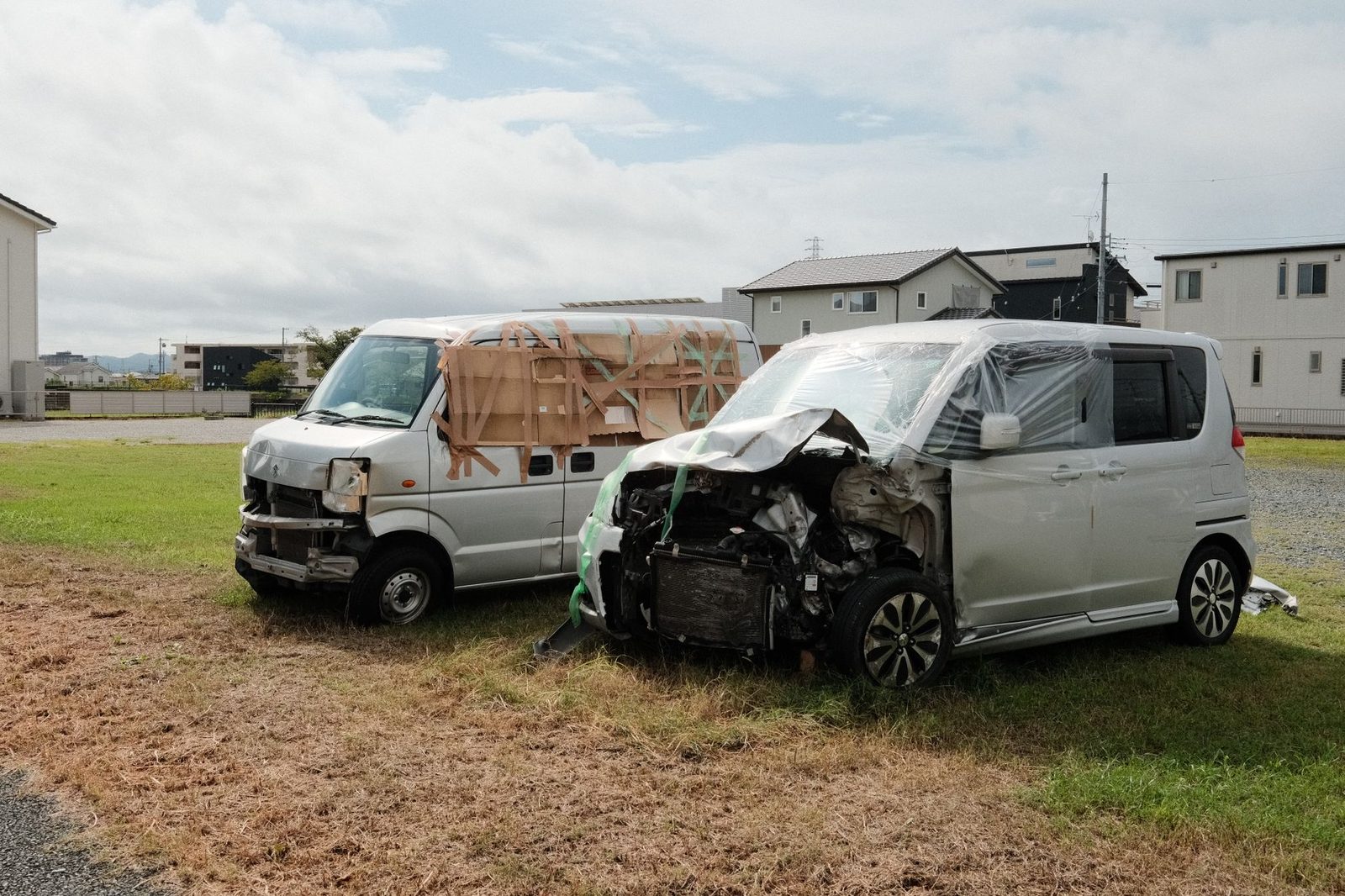
More than one person or company may be responsible after a work van crash. The driver is only one possible party.
- The driver. A driver who was distracted, tired, speeding or impaired may be at fault.
- The employer or vehicle owner. West Virginia law defines an “employer defendant” to include the owner of a commercial motor vehicle, the operator’s employer, and anyone with legal control over the vehicle or driver. See W. Va. Code § 55-7-32.
- Other parties. A maintenance contractor, a company that loaded the cargo, or a parts maker may share fault in some crashes. Whether they do depends on the facts.
Under the same statute, noneconomic damages such as pain and suffering are capped against an employer defendant at $5 million per occurrence. That amount is subject to an annual inflation adjustment beginning January 1, 2026, which may raise it up to 150 percent of the stated figure. The cap took effect July 1, 2024 and applies only to causes of action arising after that date. The cap applies to commercial motor vehicle operations that require a commercial driver’s license. It is not available if the employer does not have commercial motor vehicle insurance in the aggregate amount of at least $3 million for each occurrence covering the personal injury. It also does not apply in certain situations, such as impairment or willful or wanton disregard for safety.
Identifying the correct owner, operator and insurer early matters. A work van may carry commercial policy limits that differ from a personal auto policy.
Serious Injuries Common in Work Van Crashes
Work van crashes often cause serious injuries that change a person’s life. Brain injuries, spinal cord injuries and multiple fractures are common examples.
Traumatic brain injury. A brain injury can range from a concussion to more serious damage. Headaches, memory trouble and dizziness can start hours or days after the crash. Early medical visits help connect those symptoms to the crash.
Spinal cord injury. A spinal cord injury can cause paralysis or loss of feeling and movement. These injuries often need long-term medical care and home support.
Other catastrophic injuries. Multiple fractures, internal organ damage and amputation can keep a person from working for a long time.
Keep every appointment. Tell your doctor about every symptom, even small ones. Gaps in treatment give insurers a reason to question the link between the crash and your injury.
Evidence That Matters Early in a Work Van Claim
The most useful evidence is often the evidence that disappears first. Early requests help keep key records from being lost.
Federal rules set short keeping periods for some commercial vehicle records. See 49 C.F.R. § 396.11. These federal rules cover carriers and vehicles they govern, so not every work van is covered.
Alcohol testing attempts stop after eight hours, and drug testing attempts stop after 32 hours. See 49 C.F.R. § 382.303.
Other evidence to preserve includes:
- The police report and scene photos, including vehicle positions and skid marks.
- Vehicle data, such as event data recorder information, before the van is repaired.
- Dispatch records, GPS and telematics data, and maintenance records.
- Witness names and contact details, plus any dashcam or nearby business video.
- Medical records and a written timeline of symptoms, treatment and missed work.
Workers’ Compensation and a Third-Party Claim
A worker hurt on the job may have a workers’ compensation claim. That system is separate from a lawsuit and can help with certain medical care and lost pay.
A third-party claim is a lawsuit against a driver or company that was not the injured person’s employer. Both paths can run at the same time, and each can affect the other.
The firm reviews both paths during a free case review, so you can see which options may apply to your crash.
Filing Deadlines and How Fault Is Divided in West Virginia
West Virginia generally requires personal injury claims to be brought within two years after the right to sue accrued, and exceptions may apply (W. Va. Code § 55-2-12). The one-year limit in W. Va. Code § 55-2-12(c) applies only to any other matter of such nature that, in case a party die, it could not have been brought at common law by or against his personal representative, running from when the right to bring the claim accrued.
- Injury claims. Under W. Va. Code § 55-2-12, a personal injury action must be brought within two years after the right to sue accrued.
- Wrongful death. Under W. Va. Code § 55-7-6, the action must be commenced within two years after the death, subject to the provisions of section eighteen, article two, chapter fifty-five. W. Va. Code § 55-7-6 reads: “The provisions of this section shall not apply to actions brought for the death of any person occurring prior to July 1, 1988.”
- Government entities. Claims against a political subdivision follow W. Va. Code § 29-12a-6.
Under W. Va. Code § 55-7-13c, a plaintiff’s recovery is reduced in proportion to the plaintiff’s own degree of fault, and is barred only if that fault is greater than the combined fault of all other persons responsible for the damages. This section does not apply to claims under Article 12a, Chapter 29 of the West Virginia Code, the political subdivision statute, which covers actions against a political subdivision to recover damages for injury, death, or loss. Under W. Va. Code § 55-7-13a, fault is split by percentage. Under W. Va. Code § 55-7-13c, your fault bars recovery only if it is greater than the combined fault of everyone else. If it is less, your recovery is reduced by your share. Under W. Va. Code § 55-7-13c, fault chargeable to the plaintiff does not bar recovery unless the plaintiff’s fault is greater than the combined fault of all other persons responsible for the total damages, and if the plaintiff’s fault is less than that combined fault, the recovery is reduced in proportion to the plaintiff’s degree of fault.
Not sure what your next step is?
Talk it through with Big Bubba — the first case review is free, confidential, and carries no obligation.
How the Firm’s Process Works From First Contact to Resolution
The process starts with a free case review. It then moves to evidence requests, investigation, and either settlement talks or a lawsuit.
- First contact. Tell the firm what happened, when and where the crash occurred, and who was involved.
- Free case review. The firm reviews the facts, the injuries and the parties involved. It then explains which claims may apply.
- Evidence requests. The firm asks that vehicle data, logs and maintenance records be preserved. It also gathers the police report and medical documentation.
- Investigation and damages. The firm documents medical treatment, lost income and care needs. In wrongful death cases, it documents the family’s losses.
- Negotiation or filing. The firm presents the claim to insurers and, where needed, files suit before the deadline.
Timelines vary by case. The firm keeps the client informed at each stage.
Frequently Asked Questions About Work Van Crash Claims
Can I file a claim if the van belonged to my employer?
Yes. A claim may be possible against the driver, the vehicle owner or the employer, based on the facts.
What if I was working when the crash happened?
Workers’ compensation may apply. A third-party claim against the at-fault driver or company may also be possible.
Do I have to talk to the other driver’s insurer?
Insurers may ask for a recorded statement. You can contact the firm before you respond.
What if my brain injury symptoms show up days later?
Symptoms can appear later. The firm can help you document them over time.
Does West Virginia reduce compensation if I share some blame?
Yes. Recovery is reduced by your share of fault (W. Va. Code § 55-7-13c). It is barred only when your fault is greater than everyone else’s combined.
Where do you serve?
We serve injury victims in all 55 West Virginia counties, including Charleston, Huntington, Morgantown, Wheeling, Martinsburg, Parkersburg, Beckley, Clarksburg, Fairmont and Weirton.

What to Do Next After a Work Van Crash in West Virginia
Get medical care right away, write down what happened, and keep your records. These steps protect your health and your claim.
- See a doctor, even when symptoms seem minor, and keep every appointment.
- Write down what you remember while it’s fresh. Note the time, weather and road conditions.
- Collect names and phone numbers of any witnesses.
- Hold off on signing releases or giving recorded statements until you’ve talked with the firm.
If a work van crash hurt you or someone in your family, tell Big Bubba what happened. Contact Big Bubba to request a free case review while the evidence and your medical timeline are still fresh.