
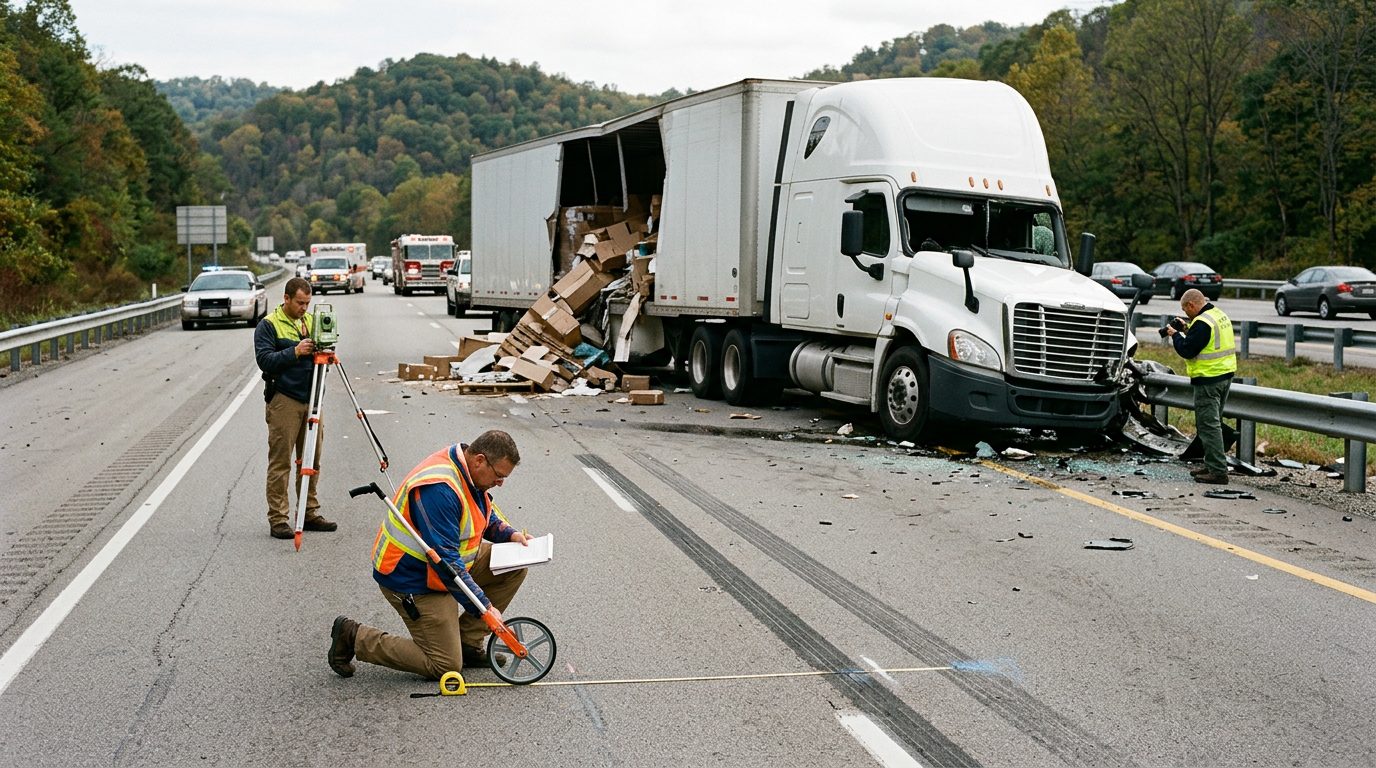
Truck Accidents | West Virginia
Can I Sue After a Truck Accident in West Virginia?
Yes. If you were injured by a truck driver or commercial vehicle operator's negligence, you have the right to pursue a claim. Big Bubba helps injured people and families recover.
Published October 01, 2026
Can I Sue After a Truck Accident in West Virginia? Your Legal Options Explained
Yes, you can sue after a truck accident in West Virginia if the accident was caused by someone else’s negligence. Most truck accident victims have the legal right to file a personal injury lawsuit and recover compensation for their injuries, medical bills, lost income, and pain and suffering. The key question isn’t whether you can sue—it’s whether you have a valid negligence claim and who is responsible.
Not sure what your next step is?
Talk it through with our team — the first case review is free, confidential, and carries no obligation.
Yes, You Can Sue After a Truck Accident in West Virginia—Here’s What You Need to Know
Most truck accident victims in West Virginia have the legal right to file a personal injury lawsuit against the at-fault driver, trucking company, or both. The critical issue is proving negligence: that the other party owed you a duty of safe operation, breached that duty, and caused your injuries as a result. This page walks you through eligibility, what you can recover, and what the lawsuit process looks like so you can make an informed decision about your next steps.
Who Can Sue After a Truck Accident in West Virginia?
You can sue if you were injured or your property was damaged in a truck accident caused by someone else’s negligence. Eligible plaintiffs include:
- Drivers of other vehicles hit by a truck
- Passengers in any vehicle involved in the crash
- Pedestrians and cyclists struck by a truck
- The personal representative of a person killed in the crash, who brings the wrongful death claim on behalf of surviving family members
You do not need to have been the driver to pursue a claim. Passengers and bystanders injured by a truck driver’s or trucking company’s negligence can pursue damages. If a loved one was killed in a truck accident, surviving family members may have grounds for a wrongful death lawsuit, which the deceased person’s personal representative brings on their behalf under W. Va. Code § 55-7-6. Recoverable damages may include reasonable funeral expenses, reasonably expected loss of income and support, and sorrow and loss of companionship.
What Does Your Truck Accident Lawsuit Actually Cover?
Truck accident lawsuits can recover multiple categories of damages:
- Medical expenses: past and ongoing treatment, hospitalization, emergency care, surgery, rehabilitation, physical therapy, and mental health counseling
- Lost wages: income lost while you recover, and reduced earning capacity if the injury causes permanent disability or prevents you from returning to your prior job
- Property damage: repair or replacement of your vehicle and other damaged personal property
- Pain and suffering: compensation for physical pain, emotional distress, anxiety, depression, and reduced quality of life
- Permanent disability or disfigurement: additional damages if the injury causes lasting impairment, scarring, or chronic conditions
- In wrongful death cases: funeral and burial expenses, loss of financial support, loss of companionship, and loss of parental guidance
In catastrophic-injury cases, damages can extend years into the future—including ongoing medical care, home modifications, assistive devices, and long-term disability support.
The Four Elements of a Truck Accident Negligence Claim
-
Duty: The truck driver and/or trucking company owed you a legal duty to operate the vehicle safely and follow traffic laws and federal trucking regulations.
-
Breach: They violated that duty through negligent or reckless conduct—such as speeding, distracted driving, improper maintenance, driver fatigue, or failure to inspect the truck.
-
Causation: Their breach directly caused your accident and injury. The negligence must have been the actual and proximate cause of your harm.
-
Damages: You suffered measurable harm—medical bills, lost income, physical pain, disability, or death.
All four elements must be present for a successful negligence claim.
Common Examples of Truck Driver and Trucking Company Negligence
Truck accidents often result from driver error or company failure. Common examples include:
- Hours-of-service violations: Driving beyond the legal limits set by federal regulations without required rest breaks, leading to driver fatigue
- Distracted driving: Phone use, eating, adjusting controls, or other activities that divert attention from the road
- Speeding or aggressive driving: Excessive speed for road conditions, tailgating, or unsafe lane changes
- Failure to maintain the truck: Neglected brakes, worn tires, mechanical defects, or other maintenance failures that cause equipment failure
- Improper cargo loading or securing: Unsecured loads that shift, fall, or cause the truck to tip or jackknife
- Driving under the influence: Operating the truck while impaired by drugs or alcohol
- Failure to perform required safety inspections: Skipping pre-trip or post-trip inspections mandated by federal law
- Negligent hiring or retention: Trucking companies that employ drivers with poor safety records, disqualifying violations, or inadequate training
Who Can You Sue After a Truck Accident?
You may have multiple defendants in a truck accident case:
- The truck driver: The individual operating the vehicle at the time of the accident
- The trucking company: The employer, often held liable under vicarious liability (responsibility for an employee’s negligence) and for their own negligence in hiring, training, supervising, or maintaining the vehicle
- The truck owner: If different from the operating company
- The cargo loader or shipper: If improper loading or securing of cargo contributed to the accident
- The truck manufacturer: If a defective part—brake system, tire, steering mechanism—caused or contributed to the crash
- Third-party contractors: Maintenance providers, inspectors, or other service providers whose negligence played a role
Identifying all liable parties increases your potential recovery and ensures you’re not leaving compensation on the table.
Have questions about what happened?
Ask our team directly. The first conversation is free, confidential, and there is no obligation to continue.
How the Truck Accident Lawsuit Process Works in West Virginia
The lawsuit process typically follows these steps:
Step 1 – Case evaluation: An attorney reviews your accident, injuries, medical records, and available evidence to determine if you have a viable negligence claim.
Step 2 – Investigation and evidence gathering: Your lawyer collects police reports, medical records, witness statements, truck maintenance logs, driver qualification files, hours-of-service records, and accident reconstruction data to build your case.
Step 3 – Demand letter: Your attorney sends a detailed claim to the at-fault party’s insurance company, outlining liability, the defendant’s negligence, and your damages.
Step 4 – Negotiation: Insurance adjusters and your lawyer discuss settlement. Many cases resolve at this stage without filing a lawsuit.
Step 5 – Filing the lawsuit: If settlement talks stall, your attorney files a formal complaint in West Virginia court.
Step 6 – Discovery: Both sides exchange documents, written questions (interrogatories), and witness statements (depositions). This phase often reveals key evidence and can lead to settlement.
Step 7 – Settlement or trial: Cases may settle during discovery, or proceed to trial before a judge or jury.
Timeline: How Long Does a Truck Accident Lawsuit Take?
Case duration depends on complexity and liability:
- Simple cases with clear liability and minor injuries: 6–12 months to settlement
- Moderate cases with significant injuries: 1–2 years
- Complex cases involving catastrophic injury, multiple defendants, or disputed liability: 2–4+ years
- Settlement negotiations can happen at any stage and often resolve cases faster than trial
West Virginia generally allows two years to file a personal injury lawsuit, counted from when the right to sue accrued, and exceptions may apply. After that deadline, your claim may be barred, and exceptions may apply. Don’t wait—contact an attorney as soon as possible.
Settlement vs. Lawsuit: What’s the Difference?
Settlement: You and the defendant (or their insurance) agree on a compensation amount without going to trial. Settlements are faster, more predictable, less public, and avoid the risk of losing at trial.
Lawsuit/Trial: You file a formal case, go through discovery, and let a judge or jury decide liability and damages. Trials take longer, cost more, and are public, but may result in higher awards if the evidence strongly supports your claim.
Most truck accident cases settle, but your attorney should be prepared to take your case to trial if the insurance offer doesn’t fairly compensate your injuries and losses.
Why You Need a Truck Accident Attorney in West Virginia
Trucking companies and their insurers have experienced legal teams and large budgets. You need equally skilled representation.
- Complex investigations: Attorneys know how to investigate commercial vehicle accidents, including federal trucking regulations, maintenance records, driver logs, and industry standards that individual victims cannot access.
- Multiple liable parties: Lawyers understand how to identify all defendants—not just the driver—including the trucking company, owner, cargo loaders, and manufacturers.
- West Virginia negligence law: A lawyer can explain how state law, including West Virginia’s comparative negligence rule (explained below), applies to your claim (W. Va. Code § 55-7-13c).
- Accurate case valuation: Attorneys understand how to value claims fairly, including long-term medical costs, disability, lost earning capacity, and pain and suffering, so you don’t accept a lowball offer.
- Insurance company tactics: Insurance companies often pressure injured people to settle quickly for far less than fair value. An attorney protects your rights and negotiates aggressively on your behalf.
Frequently Asked Questions About Suing After a Truck Accident
Q: What if I was partially at fault for the truck accident?
West Virginia follows a comparative negligence rule (W. Va. Code § 55-7-13c). You can still recover damages even if you were partly responsible, as long as you were not more than 50% at fault—your recovery is reduced by your percentage of fault.
Q: How much is my truck accident case worth?
Every case is unique. Value depends on the severity of injury, medical costs, lost wages, pain and suffering, and the strength of liability. An attorney can evaluate your specific circumstances.
Q: What if the truck driver was an independent contractor?
You may still sue the trucking company if they were negligent in hiring, supervising, or retaining the driver. Liability can extend beyond the driver alone.
Q: Do I have to go to trial?
No. Most cases settle before trial. Your attorney will advise you on whether a settlement offer is fair or if pursuing trial is in your best interest.
Q: What if the trucking company’s insurance denies my claim?
Your attorney can file a lawsuit against the company directly. Insurance denials do not prevent you from pursuing legal action.
Q: How much does it cost to hire a truck accident attorney?
Most personal injury attorneys work on a contingency fee basis—you pay nothing upfront, and the firm is paid only if you recover compensation.
Why Big Bubba Represents Truck Accident Victims Across West Virginia
Big Bubba focuses exclusively on serious injury and wrongful death cases, including catastrophic truck accidents. We bring:
- Practice areas: We handle car accidents, truck accidents, commercial vehicle accidents, catastrophic injuries, traumatic brain injuries, spinal cord injuries, and wrongful death.
- Deep knowledge of trucking regulations: We understand federal and state trucking laws, driver qualification requirements, maintenance standards, and industry practices.
- Thorough investigation: We work with accident reconstructionists, medical experts, and investigators to build strong cases.
- Aggressive negotiation: We don’t accept low offers; we value your case fairly and fight for full compensation.
- Trial-ready: If settlement talks fail, we’re prepared to take your case to court.
- Statewide service: We serve injury victims across West Virginia.
Want to know where you stand?
Tell us what happened and our team will walk you through the options available to you, at no cost.
Next Steps: Get Your Case Reviewed Today
If you’ve been injured in a truck accident in West Virginia, you have legal options and a limited time to act. Contact Big Bubba today for a free case review. The sooner you reach out, the sooner we can investigate your accident, preserve evidence, and begin building your case. There’s no obligation and no cost to talk about what happened and what you may be entitled to recover.
Time matters
Truck accident claims are subject to strict deadlines and evidence rules. Commercial vehicles carry special regulations, and the trucking company's insurance company will move fast. Don't wait to get legal help.
What you need to know about truck accident claims
Liability in truck accidents
Truck accidents often involve multiple parties—the driver, the trucking company, the vehicle owner, or a maintenance contractor. We investigate to identify who is responsible and hold them accountable.
Comparative negligence in West Virginia
West Virginia law allows you to recover damages even if you were partly at fault, as long as you were not more than 50% responsible (W. Va. Code § 55-7-13c). Your recovery is reduced by your percentage of fault.
Serious injuries from commercial vehicles
Truck accidents cause catastrophic injuries—traumatic brain injury, spinal cord damage, and wrongful death. These cases require thorough investigation, medical experience, and aggressive advocacy.
Insurance and trucking regulations
Commercial trucks are subject to federal safety rules, hours-of-service limits, and maintenance standards. Violations of these rules are evidence of negligence and strengthen your claim.
Why Big Bubba for your truck accident case
Focused on serious injury cases
We focus exclusively on car accidents, truck accidents, catastrophic injuries, and wrongful death.
Thorough investigation
We obtain accident reports, vehicle maintenance records, driver logs, and expert analysis to build a strong case.
Direct access
You speak with our team about your case—not a referral service or answering machine. We listen to what happened and explain your options.
No fees unless there is a recovery
No attorney fee unless we win; clients remain responsible for case costs.
Ready to discuss your truck accident case?
Related practice areas
- Truck Accident Claims in West Virginia | Big Bubba Legal