
Car and Truck Accident Claims in West Virginia
Hurt in a Company Work Van Crash? Learn Who May Be Responsible.
Plain answers for West Virginia families weighing a claim against a driver, a vehicle owner, or an employer after a crash.
Published November 27, 2026
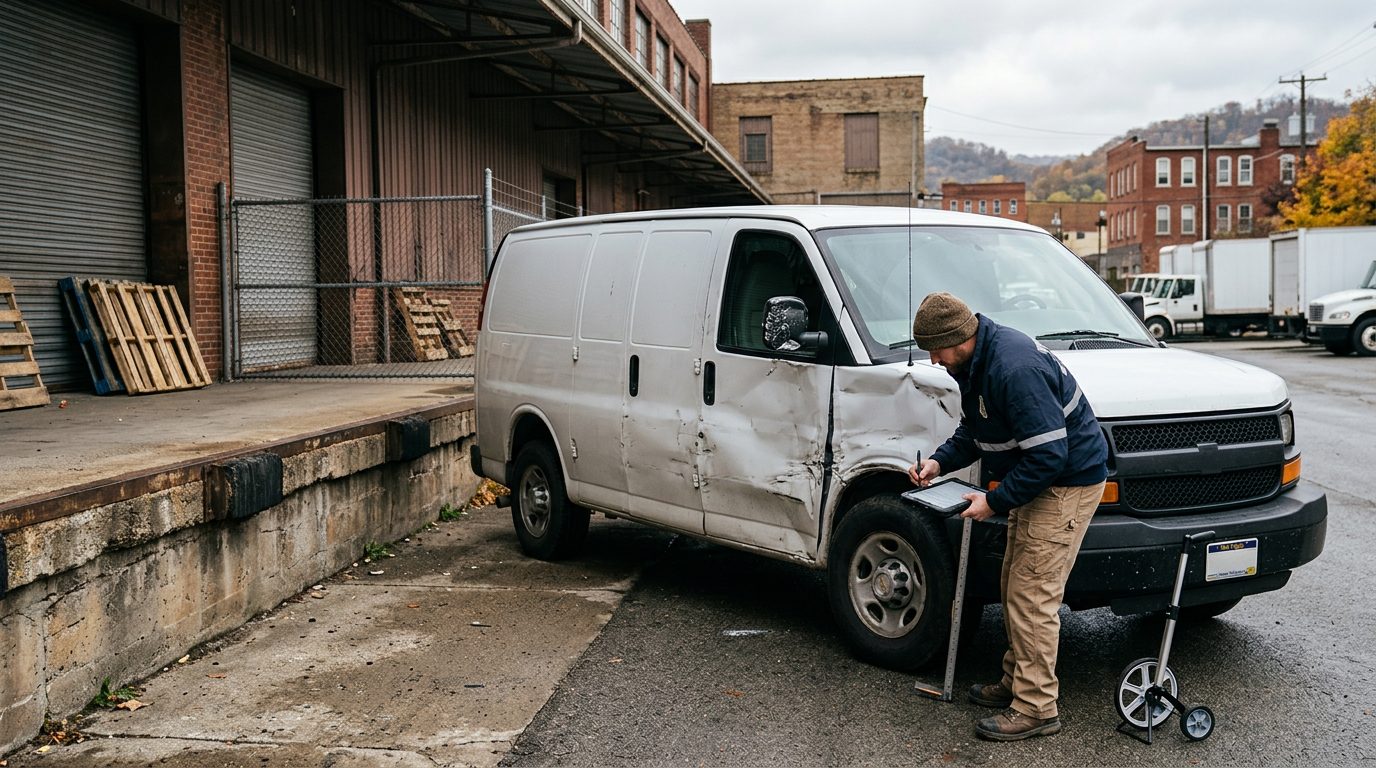
A company work van hit you, or someone in your family was hurt or killed in one. Your first question is likely whether you can sue the driver. In many cases, yes, if that driver’s careless driving caused the crash. The answer turns on who was driving, who owned the van, and what the driver was doing.
Short Answer: Can You Sue the Driver of a Company Work Van?
A driver may be a proper defendant when negligence caused the crash. Common examples in van crashes include speeding, distracted driving, and running a red light.
A company work van claim often involves more than one possible defendant. The driver is one question among several. The business that owns or controls the van may also be involved, as explained below. Crashes involving company vans can affect passengers, pedestrians, and cyclists, and whether any of them has a claim depends on the facts. Some insurers may dispute a claim, so early documentation matters.
Not sure what your next step is?
Talk it through with Big Bubba — the first case review is free, confidential, and carries no obligation.
Why a Company Work Van Claim Can Differ From a Car Claim
Company vans look like ordinary vehicles, but a business often controls how they are used. Common examples include cargo vans, service vans, utility vans, and delivery vans. The business may set routes, schedules, and rules for its drivers. Those rules can create records that a typical car crash does not produce.
State law on commercial vehicles uses a specific definition. W. Va. Code § 55-7-32 defines “commercial motor vehicle” by reference to the state motor vehicle code. It includes truck tractors, trailers, and similar vehicles. Whether a particular van falls within that definition turns on the vehicle and how it was used.
Commercial vehicle accidents are part of our practice. We handle claims involving commercial vehicles as well as large trucks.
Who May Be Responsible Besides the Driver
The employer or vehicle owner may be responsible too, in some cases. Under § 55-7-32, an “employer defendant” can include the owner of the vehicle, the employer of the person driving it, or any entity that holds legal control over the vehicle or its operator.
Several types of claim may be relevant against a business:
- When a crash involves someone who was driving for work, the firm can look at the facts to see whether anyone besides the driver may have a role in the claim.
- Negligent hiring. This term describes a type of claim that may be raised against an employer, depending on the facts. See McCormick v. W. Va. Dep’t of Pub. Safety.
Other theories, such as an owner letting an unfit person drive, may also apply in some cases. A maintenance provider or equipment maker may contribute to a crash when a mechanical failure is involved. Which of these fits your crash depends on what the records show.
How Fault Is Usually Examined After a Company Van Crash
Fault is usually examined through the police report, physical evidence, and the business’s own records. The crash report is the natural starting point. Under § 17C-4-7, an officer who investigates a crash occurring on the public streets or highways of this state and resulting in bodily injury, death, or total property damage to an apparent extent of $1,000 or more must prepare a report within 24 hours after completing the investigation. The investigating officer must also provide owner, operator, and insurance information upon request within 24 hours, at no cost, to each of the other involved parties and to each party’s respective insurance agents.
Business records may show what the company knew or should have known. Driver schedules, maintenance logs, and safety policies are common examples. Dash camera footage and phone records may also matter where they exist and can be lawfully obtained.
Federal safety rules may apply as well. 49 C.F.R. § 390.3T states that the federal motor carrier rules cover employers, employees, and commercial motor vehicles that transport property or passengers in interstate commerce. The Federal Motor Carrier Safety Administration describes federal hours-of-service limits and required driver breaks. Those limits can matter when a driver’s time on duty is in question.
Fault can also be shared. Under § 55-7-13c, a plaintiff’s own fault bars recovery only if it is greater than the combined fault of all other persons responsible for the damages. If the plaintiff’s fault is less, recovery is reduced in proportion to the plaintiff’s degree of fault.
Insurance Coverage and the Claim Process
Coverage may come from the business’s auto policy, the driver’s personal policy, or both. Which policies apply turns on who was driving, who owned the van, and why it was being used.
Early contact from an insurer is common. Under § 55-7-11a, no one may try to negotiate a settlement, seek a release, or get a statement for settlement within twenty days of the injury. That limit applies while the injured person is an inpatient or partly or fully unable to work.
Some insurers may dispute a claim. Before accepting any offer, it can help to review it against your full medical picture, including care you may still need. The firm can explain how coverage questions are typically reviewed, though no particular result can be promised.
Deadlines and Steps to Protect Your Claim
West Virginia generally allows two years to file a personal injury lawsuit, and exceptions may apply. That period comes from § 55-2-12. Confirm the date early, since the two years run from when the right to bring the action accrued.
Wrongful death follows its own timing. Under § 55-7-6, a wrongful death action is brought in the name of the decedent’s duly appointed personal representative. It generally must be commenced within two years after the death. Families should not assume the general injury deadline applies to their case without review.
Early steps can help protect a claim:
- Get medical care and keep every record, including bills and work notes.
- Write down what happened while memories are fresh. Note the van’s company name, markings, and any visible details about the driver.
- Keep damaged property and take photographs of the scene and vehicles.
- Request the crash report from the investigating agency.
Not sure what your next step is?
Talk it through with Big Bubba — the first case review is free, confidential, and carries no obligation.
Work Van Crash Cases in West Virginia
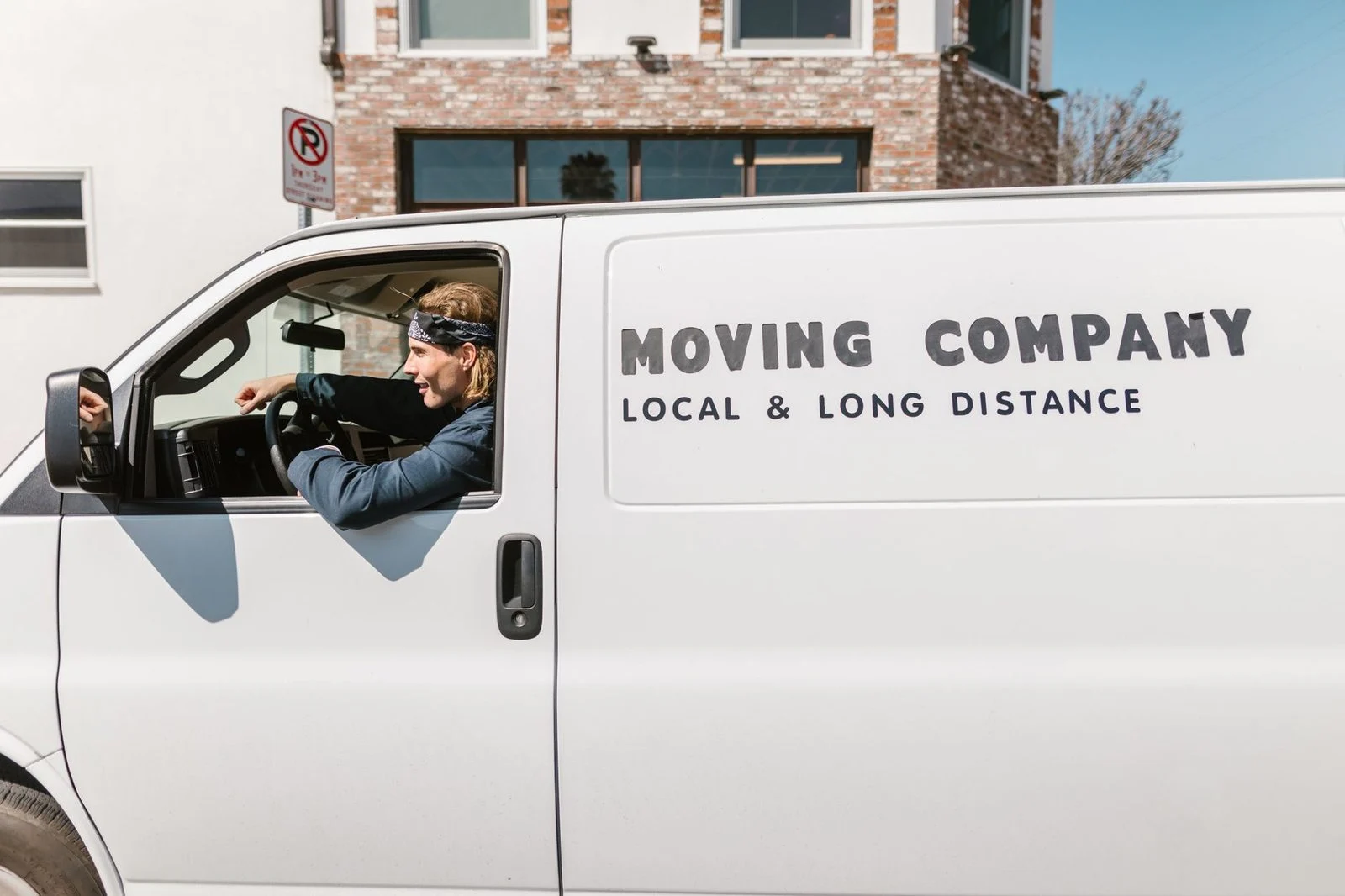
If a company van pulled into your lane, you may now be dealing with an adjuster. You may not know whether the driver, the employer, or both belong in your claim. That uncertainty is common, and early answers can help.
We handle commercial vehicle and truck accident claims. We serve injury victims across West Virginia, including Charleston, Huntington, Morgantown, Wheeling, Martinsburg, Parkersburg, Beckley, Clarksburg, Fairmont, and Weirton. For broader context on our commercial vehicle work, read our truck accident information. When you’re ready, you can request a free case review to talk through the crash, the van’s owner, and your next steps.