
Wrongful Death | West Virginia
When a Truck Crash Takes a Loved One, You Don't Have to Face It Alone
The firm helps West Virginia families with wrongful death claims after fatal truck and commercial vehicle crashes. We serve families in Charleston, Huntington, Morgantown, Wheeling, and communities across the state.
How the firm can help your family
Careful review of the records
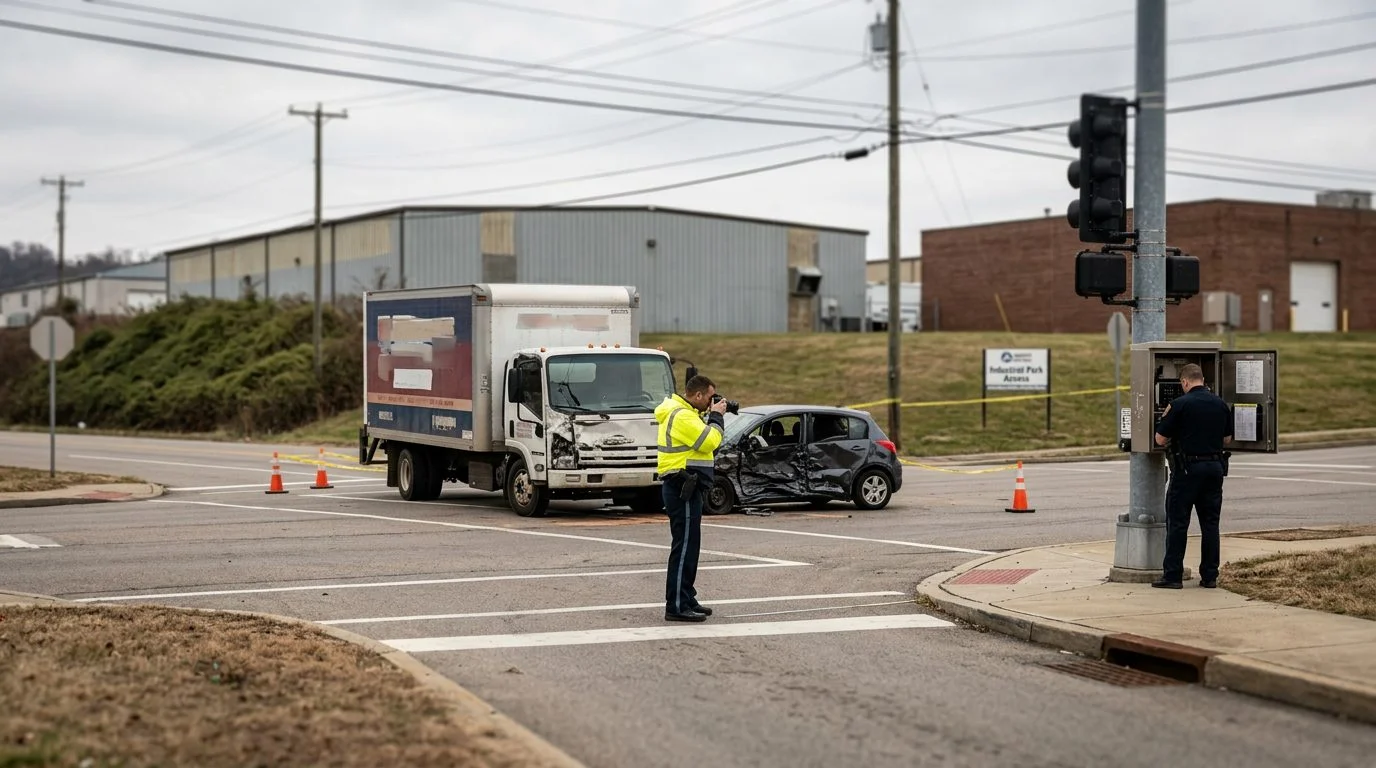
We handle truck accident claims, and we look closely at the crash report, photos, and other records that may show how the crash happened.
Early steps matter
Crash scene evidence and trucking company records can be time-sensitive, so reaching out early gives your family more options to consider.
Focus on the family left behind
We focus on the people who are grieving, including the spouses, children, and parents affected by a wrongful death.
Talk with the firm
You can reach out to tell us what happened and ask questions about your family's situation, at your own pace.
Published November 2, 2026
Families searching for fatal truck crash wrongful death help in West Virginia often start with one question: can we bring a claim? In many cases, the answer may be yes. West Virginia law lets certain family members seek damages when another person’s wrongful act, neglect, or default causes a death. This guide explains who may bring that claim, what a family may seek, why truck cases involve more records, and what usually happens early.
What a wrongful death claim is after a fatal truck crash
A wrongful death claim is a civil lawsuit for damages after someone dies because of another party’s wrongful act, neglect, or default. West Virginia law generally allows this kind of claim when the same conduct would have let the injured person sue had they survived. W. Va. Code § 55-7-5 sets out that basic rule. Questions about how a civil claim may relate to any criminal case can be discussed during a free case review.
Fatal truck and commercial vehicle crashes often involve more than one party. The driver, the motor carrier that employs or uses the driver, and the vehicle’s owner may all be involved. That is one reason these claims can take more work than a standard car crash case.
This page is written for families dealing with a death from a crash involving a large truck or commercial vehicle anywhere in West Virginia. Many readers are researching for a parent, spouse, or child. You may be reading between funeral plans and calls from insurance companies. You don’t need to know legal terms to begin. Each section explains one step in plain words.
If a truck or commercial vehicle crash took someone you love, you may have a claim worth reviewing, and you don't have to sort it out alone. Reach out for a free case review. Talk it through with Big Bubba — the first case review is free, confidential, and carries no obligation.

Who can bring the claim in West Virginia
In West Virginia, a wrongful death claim is generally brought by a personal representative. The personal representative is the person formally appointed to act for the deceased person’s estate. W. Va. Code § 55-7-6 sets this rule. The statute also has added requirements when the representative was appointed in another state.
The statute then addresses who shares in any recovery. The jury, or the judge in a case without a jury, may direct how damages are divided. People who may share include the surviving spouse and children, including adopted children and stepchildren. Parents, brothers, sisters, and people who depended on the decedent financially may also be included. Who qualifies depends on the facts and the family’s circumstances.
The statute also sets a time limit. Under the same section, a wrongful death action generally must be started within two years after the death (W. Va. Code § 55-7-6). W. Va. Code § 55-7-6 reads: “The provisions of this section shall not apply to actions brought for the death of any person occurring prior to July 1, 1988.” Exceptions may apply, so families should confirm the timing promptly. For the wider framework, read our truck accident overview for West Virginia.
What a family may seek to recover
A family may seek damages for both money losses and personal losses, depending on the facts. West Virginia’s wrongful death statute lists the categories a jury may consider. W. Va. Code § 55-7-6 lists them:
- Sorrow, mental anguish, and solace, which may include companionship, comfort, guidance, and advice.
- Reasonably expected loss of the decedent’s income.
- Reasonably expected loss of the services, care, and assistance the decedent provided.
- Expenses for care, treatment, and hospital stays tied to the injury that led to death.
- Reasonable funeral expenses.
The first group is harder to put in numbers, such as a child losing a parent’s guidance. The last group is often easier to document with bills and receipts.
West Virginia also has a survival rule. Under W. Va. Code § 55-7-8a, some injury claims survive a person’s death. Depending on the facts, this may matter when a loved one was hurt before dying.
Commercial vehicle cases can also involve a state limit on certain noneconomic damages. W. Va. Code § 55-7-32 sets the conditions for that limit, including the employer’s insurance. No general article can predict a value, because each claim turns on its own facts.
Why commercial truck crashes involve more evidence and more parties
Commercial motor carriers must follow federal safety rules. Those rules create records that may matter after a fatal crash.
Under 49 C.F.R. § 391.51, each motor carrier must keep a driver qualification file for each driver it employs. The file can include the driver’s application, motor vehicle records, and medical examiner’s certificate. The rule also sets how long these files are kept.
Under 49 C.F.R. § 395.8, carriers must generally require drivers to record duty status using an electronic logging device (ELD), with some exceptions. These records can show how many hours a driver was on the road.
Records that may be relevant include:
- The police crash report
- The federal crash report
- ELD and hours-of-service records
- Vehicle inspection and maintenance files
- Driver qualification files
Some families also ask about dashcam footage. Footage may be relevant, depending on the facts. Our dashcam footage guide explains more.
The trucking company and its insurer may be the first parties a family hears from. Some insurers may ask for a recorded statement early. Some insurers may dispute a claim. Our recorded statement guide explains what to know first.
What happens early in a fatal truck crash claim
Early steps usually focus on records, the parties involved, and the family’s account of the loss.
- Get the crash report. Police and federal crash reports can show when and how the crash happened.
- Identify the parties. Find the driver, the motor carrier, and any insurer. Ownership and leasing can be unclear in truck cases.
- Ask that key records be preserved. Carriers keep some files for set periods, but a preservation request helps prevent loss. Federal rules allow records to be kept by many technologies, if they can be accurately reproduced. See 49 C.F.R. § 379.7.
- Document the decedent’s life and losses. Gather work history, pay records, bills, and notes about family roles.
A free case review is a confidential first conversation. The family shares what happened, and the firm explains possible options. There is no obligation to continue.
From there, the firm may collect reports, review records, and identify parties whose conduct may be relevant. Settlement talks or a lawsuit may follow, depending on the facts. Timelines vary by case. West Virginia uses comparative fault, which generally divides fault by percentage. That split may reduce what a family recovers. W. Va. Code § 55-7-13a states the rule.
Questions families ask about wrongful death after a truck crash
How long do families have to file a claim in West Virginia?
West Virginia generally allows two years from the date of death, and exceptions may apply. Confirm the deadline promptly, because the statute is W. Va. Code § 55-7-6.
Do we have to talk to the trucking company’s insurer?
Families may choose to wait for guidance before giving any statement. Some insurers may contact family members early.
What if the police report seems incomplete?
Reports can sometimes be supplemented, and other records may help. What matters depends on the facts.
What if the other driver was cited?
A citation may be relevant, depending on the facts.
Does the firm handle car and commercial vehicle crashes too?
Yes. The firm handles car accidents, truck accidents, commercial vehicle accidents, and wrongful death claims across West Virginia.
Not sure what your next step is?
Talk it through with Big Bubba — the first case review is free, confidential, and carries no obligation.
How the firm works with families after a fatal crash
The firm offers fatal truck crash wrongful death help to families across West Virginia. It handles claims that arise from car, truck, and commercial vehicle crashes.
The firm listens to the family’s account first. Then it explains the claim in plain language and keeps the family informed at each stage. You decide how much detail to share and when.
Support staff help coordinate records requests and communication. That lets family members focus on their loss. The free case review is an offer, and families can accept it or decline it.
If your family is still deciding what to do
You don’t have to decide everything at once. A family may be planning a funeral, reading a crash report, and wondering who to speak with first.
The decisions in front of you may include whether to speak with the trucking company’s insurer, how to ask that crash evidence be preserved, and whether to take a first step toward a claim. Each choice has its own timing, and some dates matter.
If a truck or commercial vehicle crash took someone you love, you may have a claim worth reviewing. You can reach out through the contact page to request a free case review about your family’s crash. Share as much or as little as you’re ready to. The firm can then explain what happens next.
Related practice areas
- Catastrophic Truck Crash Injury Claim West Virginia