
Car and truck crash injuries in West Virginia
Soft Tissue Injuries Are Real, Even When a Scan Looks Clear
Sore muscles, stiff joints, and nagging pain can be hard to explain to others. Here is how to document what you feel from the start.
Published November 26, 2026
A crash can leave you sore, stiff, and unsure what is really wrong. If you’re trying to prove a soft tissue injury, the short answer is this: you build proof with prompt medical care, honest symptom notes, and the crash paperwork.
Soft tissue damage may not show up on a single test.
What counts as a soft tissue injury?
Soft tissue injuries affect the muscles, tendons, and ligaments. These are the parts of the body that are not bone. They can happen in a car crash or a truck crash, even when no bone is broken.
Common types include sprains, which stretch or tear a ligament. Strains hurt a muscle or tendon. Contusions are deep bruises. Whiplash is a neck injury that often involves soft tissue. According to FloridaHealthFinder, whiplash involves soft-tissue injury, and neck pain and stiffness may occur during the first few days after a crash.
Back and shoulder pain can follow the same forces. Because soft tissue is not bone, the injury can be real even when a bone X-ray looks normal.
Not sure what your next step is?
Talk it through with Big Bubba — the first case review is free, confidential, and carries no obligation.

How can you tell if you have soft tissue damage?
Common signs include neck or back pain, stiffness, limited range of motion, muscle spasms, and headaches. Only a medical provider can tell what is causing them.
Symptoms may appear right after a crash. They may also build over the next hours or days. Early symptoms are easy to brush off, so write them down as they happen.
Describe each symptom in plain words. Note where it hurts, what makes it worse, and how it affects your sleep, work, and daily tasks. Keep your descriptions accurate and consistent from visit to visit.
Head symptoms need care too. According to the Brain Injury Association of America, traumatic brain injury symptoms may be masked or delayed after a crash. New symptoms or a lack of improvement should be reported promptly to health care professionals.
Why prompt medical evaluation matters
Getting checked soon after a crash creates a dated record. That record can link your symptoms to the crash.
A provider’s notes may record tenderness, range of motion, and nerve findings. These notes become part of your medical record, and they often carry real weight in showing the injury.
Gaps in care can raise questions. Insurers may question a gap in treatment, so following your provider’s recommended care generally matters to the record. The right timing and type of care depends on your condition and your provider’s judgment.
Time limits matter too. West Virginia generally allows two years to bring a personal injury action, and exceptions may apply, under W. Va. Code § 55-2-12. See W. Va. Code § 55-7-11a.
What imaging and objective testing can show
Standard X-rays mainly show bone. A normal X-ray does not rule out a soft tissue injury.
Providers may order an MRI or ultrasound when they want a closer look at soft tissue. Whether a test is ordered, and what it shows, depends on your symptoms and the provider’s assessment.
Physical exam findings can also be objective. A provider may measure range of motion or document muscle spasm. Those findings may become part of your medical record.
Imaging is one piece of proof, not the whole case. Ask your provider to explain in plain words what was found. Keep copies of test reports and visit summaries.
Other evidence that may support a soft tissue injury claim
Crash records, personal notes, and work records may help show how the crash happened and how the injury changed your life.
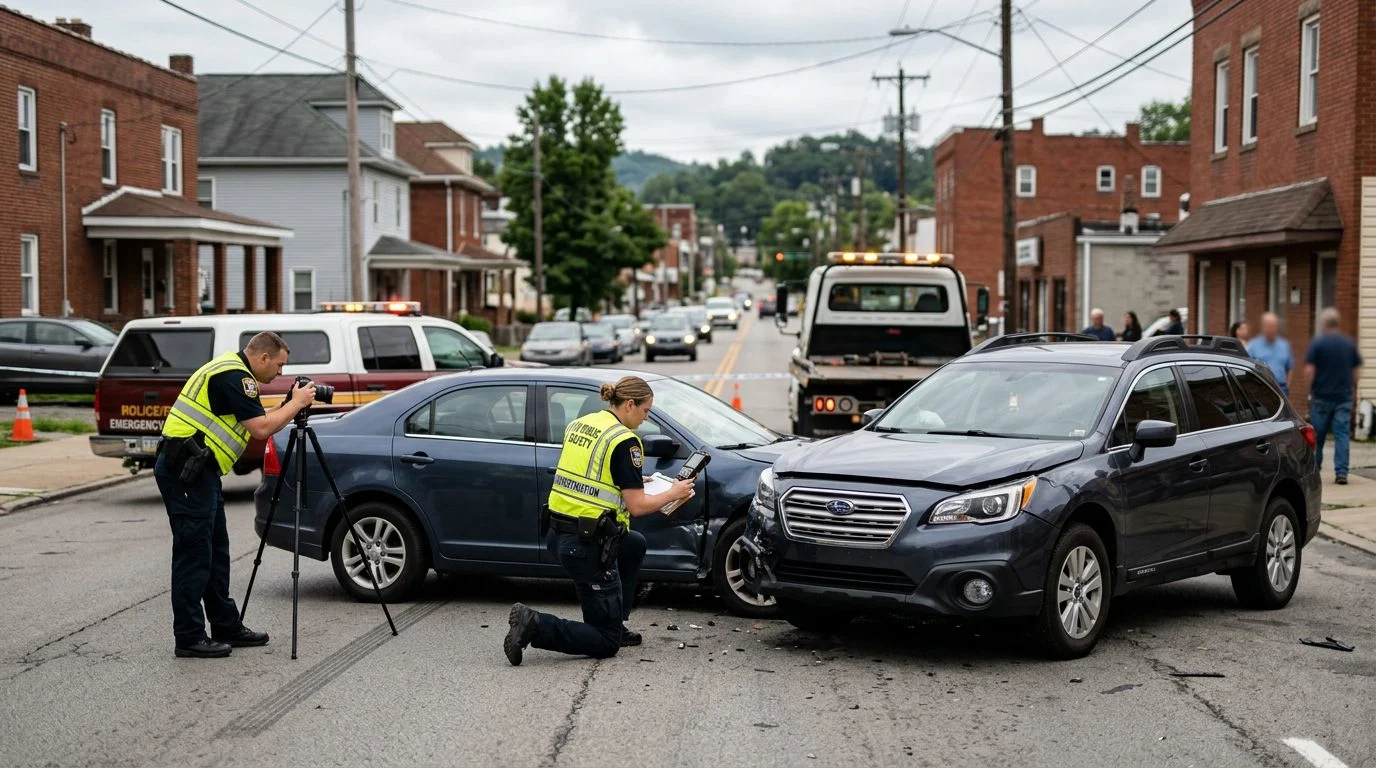
Under W. Va. Code § 17c-4-7, an officer who investigates a motor vehicle crash occurring on the public streets or highways of this state that causes bodily injury or death, or total property damage to an apparent extent of $1,000 or more, must prepare a crash report within 24 hours after completing the investigation. Within 24 hours, the officer must also give involved parties owner, operator, and insurance information on request, at no cost.
Photos of the scene and vehicle damage, witness names, and a daily symptom journal may also be relevant. Pay stubs, attendance records, and notes about missed work may show how the injury affected your income.
In a truck crash, driver records may matter. Under 49 CFR 395.8, each change of duty status must record the city, town, or village and State abbreviation; if a change occurs at a location other than a city, town, or village, show the highway number and nearest milepost, the highway number and service plaza, or the highway numbers of the nearest two intersecting roadways, followed by the nearest city, town, or village and State abbreviation. No driver or motor carrier may make a false report about duty status.
Common issues that can make proof harder
Issues that may make proof harder include prior injuries, gaps in care, and inconsistent descriptions of symptoms.
A prior injury to the same body area may be raised by other parties. That is why a full, accurate medical history matters. Telling your provider about old injuries is more helpful than leaving them out.
Some insurers may dispute how serious a soft tissue injury is. Clear, consistent records may help answer that dispute.
West Virginia uses shared fault rules. Under W. Va. Code § 55-7-13c, a plaintiff’s fault does not bar recovery unless it is greater than the combined fault of all other persons responsible for the damages. If it is less, recovery is reduced in proportion to the plaintiff’s fault.
Seat belt use can also come up. Under W. Va. Code § 17c-15-49a, evidence of not wearing a seat belt may be admissible to show it made a driver’s damages worse. The defense must be supported by testimony that meets the threshold requirements of Rule 702 of the West Virginia Rules of Evidence.
Not sure what your next step is?
Talk it through with Big Bubba — the first case review is free, confidential, and carries no obligation.

Soft tissue injuries from a crash: what to know
The firm offers a free case review for people hurt in car and truck crashes, even if you’re still gathering records.
Many people reading this are managing pain, doctor visits, and family duties after a crash. Some are looking into this for a parent, spouse, or friend who was hurt and can’t yet explain it themselves.
The firm handles car accident and truck accident claims for people hurt across West Virginia. Working out what happened after a crash can be hard, and you do not need to face every step by yourself. Request a free case review and talk through which records may be relevant to your situation.