
Tractor-Trailer Accident Claims | West Virginia
Hurt in a Tractor-Trailer Crash? Know the Key Steps Before You Talk to Anyone
Big Bubba Injury Law represents people seriously injured in car and commercial truck crashes, and families who have lost a loved one, across West Virginia. We serve Charleston, Huntington, Morgantown, Wheeling and communities statewide.
Where We Serve
55
West Virginia counties served
Published October 29, 2026
What a Tractor-Trailer Accident Claim Is and Who It Is For
A tractor-trailer accident claim West Virginia residents can bring is a legal demand for compensation after a crash with a large commercial truck. It asks the people responsible for the crash to cover the harm it caused.
These claims help a wide group of people. Drivers and passengers in cars can file one after a semi hits them. Pedestrians and others hurt by a truck can too. When a crash causes a death, a wrongful death claim is generally brought by the decedent’s personal representative, not by the family.
Tractor-trailer crashes often cause more serious injuries than a typical car crash. They also tend to involve more parties, such as the driver, the trucking company, and each side’s insurer. That makes the claim process more involved.
The firm handles car accidents, truck accidents, and commercial vehicle accidents. It also handles catastrophic injuries and wrongful death. We serve all 55 West Virginia counties, including Charleston, Huntington, Morgantown, Wheeling, Martinsburg, Parkersburg, Beckley, Clarksburg, Fairmont and Weirton.
If a semi truck crash left you hurt or grieving, you may have a claim, and the firm can review it with you. Request a free case review. Talk it through with Big Bubba — the first case review is free, confidential, and carries no obligation.
Who May Be Responsible After a Tractor-Trailer Crash
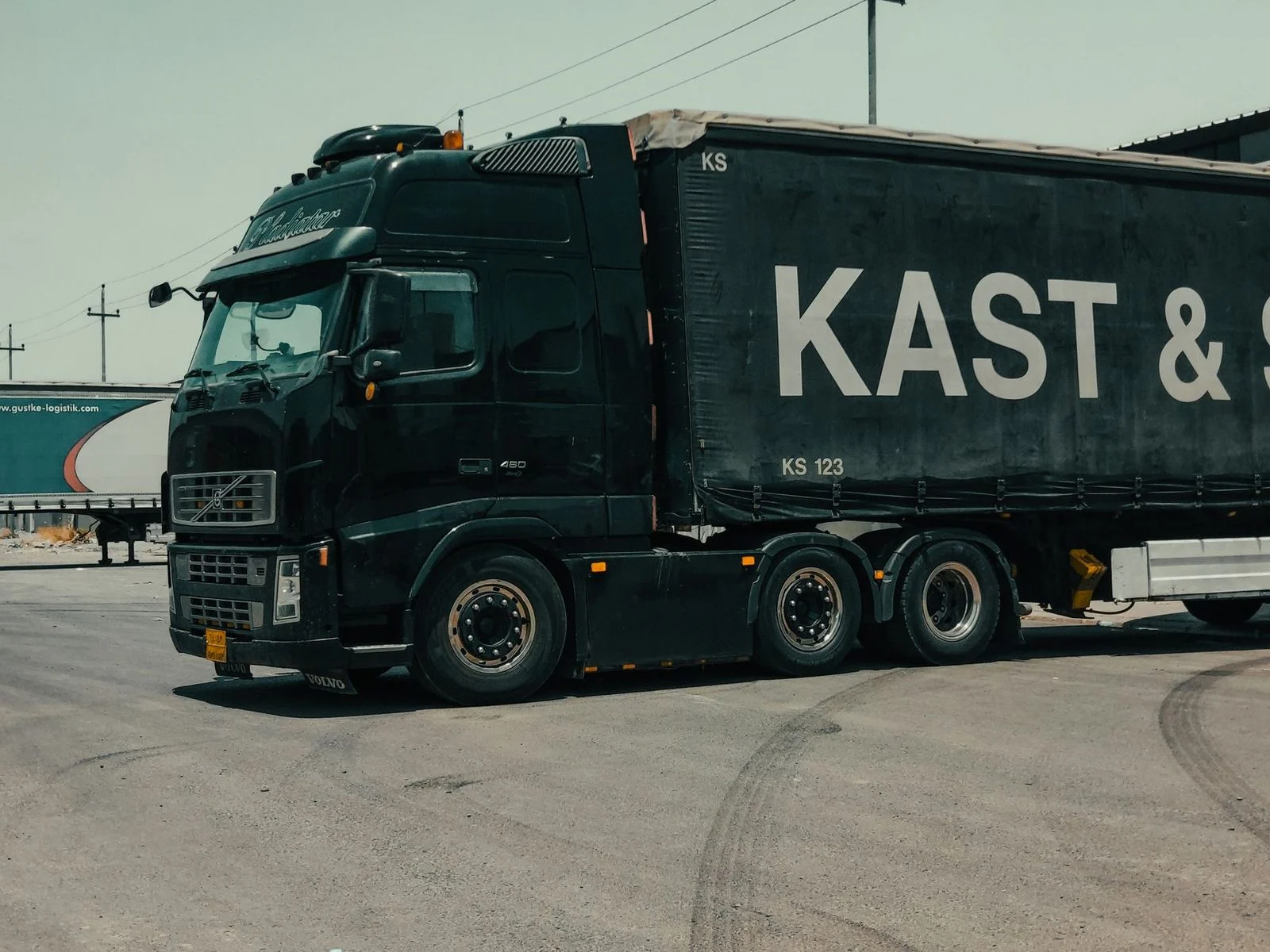
More than one party can share responsibility after a tractor-trailer crash. Possible parties include:
- The truck driver
- The motor carrier, or trucking company, that employed or dispatched the driver
- The vehicle owner, if it is a different company from the carrier
- In some cases, maintenance contractors or parts manufacturers
West Virginia law defines an “employer defendant” broadly. It includes the owner of a commercial vehicle, the operator’s employer, and any entity that holds legal control over the vehicle or driver. W. Va. Code § 55-7-32 That statute also limits certain noneconomic damages against these employers, with exceptions.
Federal driving rules matter too. This state cap does not set driving hours itself. The cap does not apply at all if the driver is found to have operated a commercial motor vehicle “in excess of the hours of operation established under state or federal regulations” (W. Va. Code § 55-7-32). 49 CFR § 395.3 Carriers must make sure drivers follow these duties. 49 CFR § 390.11
Which parties are liable depends on the facts of each crash and the evidence.
Evidence That Trucking Companies May Not Keep Long
The most useful truck evidence is often held by the trucking company. Some of it has short keeping periods, so early action matters.
Federal rules set minimum keeping periods for some records. 49 CFR § 396.11 requires most carriers to keep driver vehicle inspection reports, repair certifications, and driver review certifications for three months from the date the written report was prepared, though it does not apply to a private motor carrier of passengers (nonbusiness), a driveaway-towaway operation, or a carrier operating only one commercial motor vehicle. 49 CFR § 391.51 allows certain records, such as the motor vehicle record and the annual review note, to be removed from a driver’s qualification file three years after the date of execution. 49 CFR § 379.3
Other key evidence includes electronic logging device data showing the driver’s duty status. 49 CFR § 395.8 Dash camera video, maintenance records, cargo papers, and the crash report are also important.
If you can, take these steps right away:
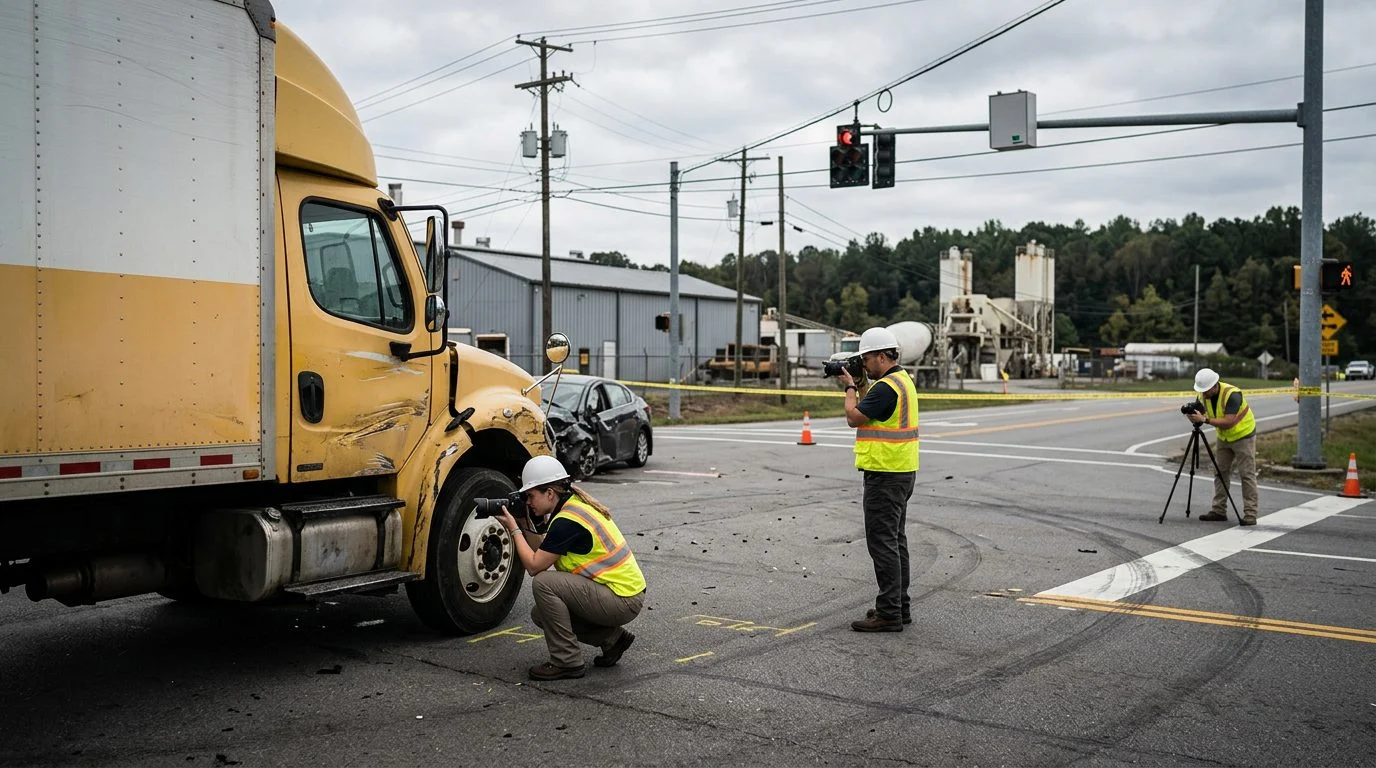
- Photograph the scene, both vehicles, and the damage.
- Write down the truck’s company name, DOT number, and plate.
- Get witness names and phone numbers.
- Keep every medical and repair record.
- Think carefully before giving a recorded statement to the trucking company’s insurer.
After a free case review, the firm can send preservation requests. These tell the carrier to keep the records that matter most.
How Fault Is Decided Under West Virginia Law
W. Va. Code § 55-7-13a defines “comparative fault” as the degree to which the fault of a person was a proximate cause of an alleged personal injury or death or damage to property, expressed as a percentage. In an action seeking damages for personal injury, property damage or wrongful death, it allocates the liability of each person who proximately caused the damages, including plaintiffs, defendants and nonparties, in direct proportion to that person’s percentage of fault.
Under this rule, fault is expressed as a percentage. Each person’s share is allocated to that person, including the injured person. W. Va. Code § 55-7-13a
Here is an example. A car driver changes lanes too close to a truck, and the truck driver was also careless. A fact finder might split fault between them. The injured driver’s recovery would be reduced by their own share.
Filing deadlines matter. West Virginia generally gives two years to bring a personal injury claim. W. Va. Code § 55-2-12 sets a two-year limit for personal injury actions where no other limitation is prescribed. For wrongful death, the action generally must be commenced within two years after the death under W. Va. Code § 55-7-6, subject to the provisions of section eighteen, article two, chapter fifty-five. W. Va. Code § 55-7-6 reads: “The provisions of this section shall not apply to actions brought for the death of any person occurring prior to July 1, 1988.” W. Va. Code § 55-7-6 The exact timing can turn on the facts of each case, so waiting is risky.
Injuries and Claims the Firm Handles
The firm handles claims for people seriously hurt in crashes, including the injury types below.
- Car and truck accidents. This covers crashes with commercial trucks and passenger vehicles. You may have been in a car, on foot, or in another vehicle.
- Catastrophic injuries. These include injuries such as amputation, severe burns, and multiple fractures. They can change daily life for a long time.
- Traumatic brain injury. Brain injury symptoms are not always obvious at the scene. Keep every medical visit, and note changes in how you think, sleep, or feel.
- Spinal cord injury. These injuries can affect movement and independence. They often call for long-term medical planning.
- Wrongful death. A personal representative of the estate brings this claim. Damages may include sorrow, mental anguish and solace. The verdict of the jury shall include, but may not be limited to, compensation for reasonably expected loss of the decedent’s income and services, expenses for the care, treatment and hospitalization of the decedent incident to the injury resulting in death, and reasonable funeral expenses. W. Va. Code § 55-7-6
- Commercial vehicle accidents. This includes logging trucks and other heavy commercial vehicles.
How the Claim Process Works, Step by Step
A tractor-trailer claim usually moves through five stages. It goes to court only if a fair resolution can’t be reached.
- Free case review. This confidential first meeting carries no obligation to continue. The firm listens to what happened and reviews the basic facts.
- Preservation and investigation. The firm can send preservation requests. It gathers crash reports, medical records, and available trucking records.
- Evaluation. The firm reviews fault, injuries, and losses. It works with medical providers to document the full scope of injuries.
- Demand and negotiation. The firm presents the claim to the responsible parties and their insurers.
- Filing suit if needed. The firm files in the proper West Virginia court and explains each stage as it comes.
W. Va. Code § 55-7-11a restricts settlement talks, obtaining statements, and releases only within 20 days of the injury, and only while the injured person is an inpatient or totally or partially unable to work.
The firm focuses on serious injury, catastrophic injury, and wrongful death claims. It has support staff and serves all 55 West Virginia counties. Its free case review is confidential, with no obligation to continue.
Not sure what your next step is?
Talk it through with Big Bubba — the first case review is free, confidential, and carries no obligation.
Frequently Asked Questions About Tractor-Trailer Claims
Does the crash have to happen on a highway?
Claims can arise from crashes on city streets, rural roads, and highways alike.
What if the truck driver says the crash was my fault?
The driver’s account is one piece of evidence. Under W. Va. Code § 55-7-13a, each person’s liability is allocated in direct proportion to that person’s percentage of fault.
Can a family bring a claim if a loved one died in a truck crash?
Yes. A personal representative of the estate brings the wrongful death claim. It must start within two years after the death, subject to the provisions of section eighteen, article two, chapter fifty-five (W. Va. Code § 55-7-6). W. Va. Code § 55-7-6 reads: “The provisions of this section shall not apply to actions brought for the death of any person occurring prior to July 1, 1988.”
How soon should I act?
Two years is the general deadline for West Virginia personal injury claims (W. Va. Code § 55-2-12). Evidence can be lost sooner, so acting early helps.
What should I bring to a free case review?
Bring the crash report number, photos, medical records, insurance information, and a written timeline of events.
Tell the Firm What Happened in Your Tractor-Trailer Crash
If a semi crash left you injured or a loved one gone, the firm can review what happened and explain your options. If you’re still recovering or weighing a claim against the trucking company and its insurer, timing matters for the trucking records.
Tell Big Bubba what happened, so the records that matter most can be preserved early.