
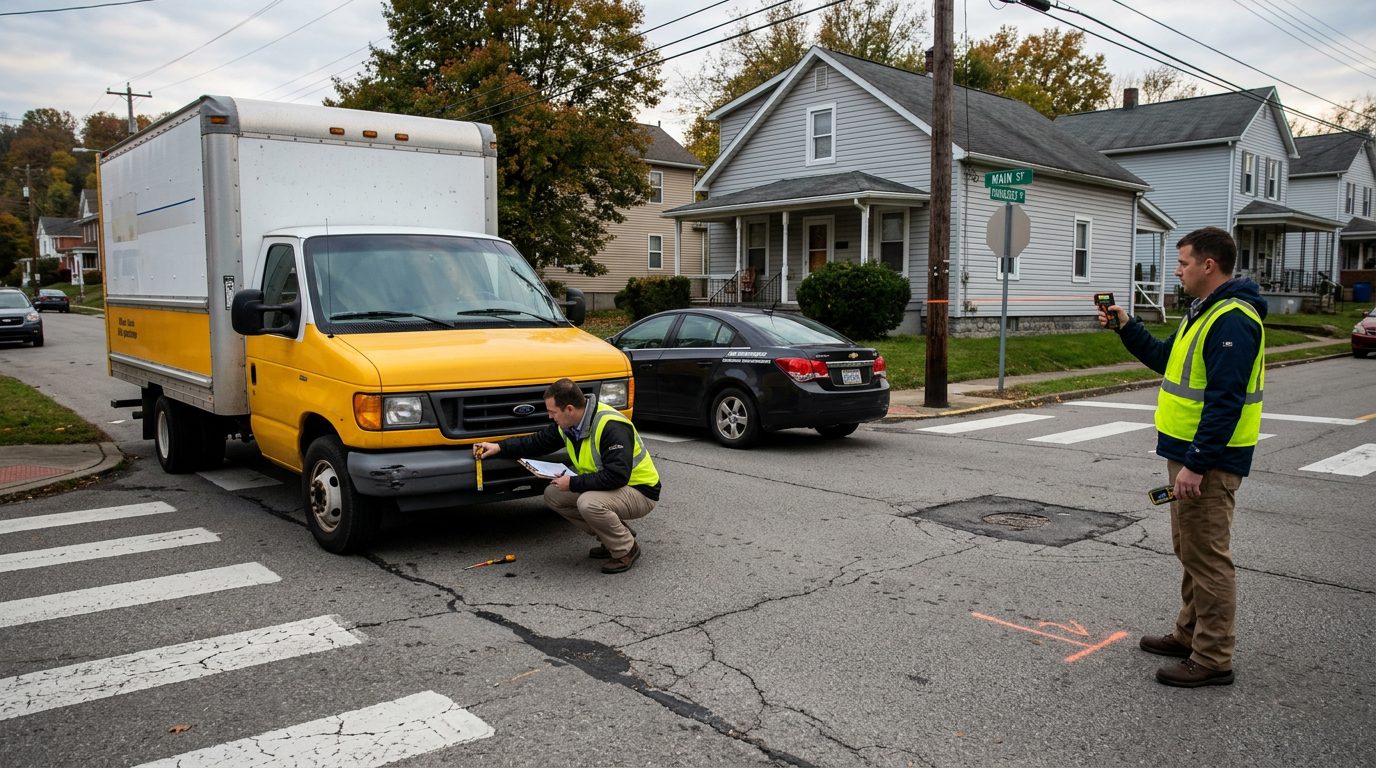
West Virginia | Truck crash brain injury
Caring for a Spouse After a Truck Crash Brain Injury
A plain-language way to sort out what to ask, what to gather, and where to turn next while your family adjusts.
Published November 27, 2026
Your spouse was hurt in a truck crash, and now you’re holding the medical papers, the police report, and a list of questions nobody has answered yet. This checklist is written for you.
A spouse can work through five checks: who can speak for the injured person, whether a commercial vehicle was involved, which head injury symptoms have appeared, which records to gather, and what losses you may have. Each check is a yes-or-no test with a next step. Keep it in one folder and add to it as things change.
Who This Checklist Is For
This checklist is for a spouse or partner who is caring for, speaking for, or helping an injured person after a truck or commercial vehicle crash in West Virginia. You may be managing your own work, your home, and your fears about what comes next. That is a lot to carry.
Yes or no: Is your spouse awake, aware, and able to make decisions right now? If yes, your spouse still makes their own choices, including about medical care and any claim. Keep that in mind as you help.
If no, the rules change. West Virginia law says a person may not be presumed incapacitated just because of age or disability. A qualified professional must make that finding after examining the person. W. Va. Code § 16-30-7 A determination that a person is incapacitated must be made by the attending physician, a physician, a qualified psychologist, a physician’s assistant, or an advanced practice registered nurse who has personally examined the person, and that person must be told a medical power of attorney representative or surrogate decision-maker may be making decisions regarding life-prolonging intervention or mental health treatment. If there is none, the list of people to ask starts with the spouse. W. Va. Code § 16-30-8 Whether you can act for your spouse depends on the facts and the documents that exist.
Next step: Keep this checklist in one place and bring it to every medical appointment. Write down each provider’s name and the date of each visit.
If your spouse was hurt in a truck crash and you're now handling the medical papers and questions alone, you can reach out to the firm to request a free case review. Talk it through with Big Bubba — the first case review is free, confidential, and carries no obligation.

Checklist 1: Does the Crash Involve a Commercial Truck or Vehicle?
A crash involving a commercial vehicle can follow different rules than a crash between two passenger cars. Start by checking what kind of vehicle hit your spouse.
Yes or no: Does the truck show a company name, logo, USDOT number, or trailer number? These details help identify the company behind the truck. Note them from photos, the scene, or the police report.
Yes or no: Did the driver appear to be working for a company at the time? West Virginia law defines an “employer defendant” in commercial vehicle cases. It includes the owner of the truck, the driver’s employer, and anyone who leases or controls the vehicle. W. Va. Code § 55-7-32 Who employed the driver can affect who may be responsible.
Next step: If you answered yes to any item, note the details and move to the records checklist. If you’re unsure, write down what you saw and say so when you speak with the firm.
Checklist 2: Symptoms a Spouse Should Note
Head injury symptoms can appear right after a crash, or days and weeks later. A medical provider, not a checklist, should evaluate any of them.
Automobile accidents can cause a traumatic brain injury. The Administration for Community Living describes a TBI as severe brain damage caused by an external force.
Yes or no: Did your spouse hit their head, black out, seem confused, or lose time they can’t remember? These can be signs of a head injury. Get medical evaluation the same day.
Yes or no: Since the crash, have memory, concentration, speech, balance, vision, sleep, or personality changed? Write down the date each change first appeared.
Yes or no: Have headaches, dizziness, nausea, or sensitivity to light or noise continued or gotten worse? Note how often they happen and how strong they are.
Mood changes matter too. A road accident stress review reports that anxiety, depression, and post-traumatic stress symptoms can follow road accidents.
Next step: If a symptom is severe, sudden, or getting worse, get emergency medical care first. Then keep a written record.
Checklist 3: Records to Gather
Gather medical, crash, work, expense, and insurance records early, and keep the originals safe.
Medical records. Ask each provider for copies of emergency room notes, imaging reports, discharge papers, therapy notes, and prescription lists.
Crash records. West Virginia law requires the investigating officer to prepare a crash report within 24 hours after finishing the investigation. That applies when a crash occurring on the public streets or highways of this state causes bodily injury or death, or total property damage of an apparent $1,000 or more. W. Va. Code § 17C-4-7 The officer must also share owner, operator, and insurance details on request within 24 hours, at no cost.
Work and income records. Keep pay stubs, records of time missed from work, and letters from the employer.
Expense receipts. Keep medical bills, prescription receipts, travel records for appointments, and receipts for paid help with daily tasks.
Insurance papers. Keep letters, claim numbers, and dates of any recorded statements. Do not sign releases until you have reviewed them.
Next step: Store originals in one folder or digital file, and keep copies separate. Our guide to requesting a crash report explains the steps.
Checklist 4: A Daily Log for Your Spouse’s Recovery
A simple daily log records what changed, when it changed, and how it affected daily life.
Each day, note sleep hours, headaches, memory lapses, mood changes, and tasks your spouse could not finish. Note appointments attended or missed. Keep entries factual. Write what you saw, not what you think caused it.
Your own role matters too. Track caregiving hours, tasks you took over, and changes to your job, travel, or plans. Those details show the full effect on your household.
Medical providers can use the log to see patterns over time. It also helps you remember details when you talk through the case.
Next step: Start the log today, even if entries are brief. Bring it to every medical visit.
Checklist 5: Your Own Standing and Losses as a Spouse
A spouse may have a claim of their own, and deadlines may apply to it.
Yes or no: Are you married to the injured person? West Virginia law lets a married person sue for loss of consortium, a claim tied to the marriage. W. Va. Code § 48-29-302 Whether it applies to you depends on the facts and your situation.
Yes or no: Have your household duties, income, or companionship been affected? Write down each change, with dates and any amounts you paid.
Yes or no: Has a family member died because of the crash? If so, a wrongful death claim is generally brought by the personal representative of the deceased person’s estate under W. Va. Code § 55-7-6, and exceptions may apply. W. Va. Code § 48-29-302 governs a spouse’s loss of consortium claim. The wrongful death deadline is different: under W. Va. Code § 55-7-6(d), a wrongful death action generally must start within two years after the death, and exceptions may apply. W. Va. Code § 55-7-6
Next step: Write down each loss you can name. If you were also a passenger, our page on passenger injury claims covers your questions.
Not sure what your next step is?
Talk it through with Big Bubba — the first case review is free, confidential, and carries no obligation.
Questions to Bring to a Free Case Review
Bring a short list of plain questions, so the first conversation covers what matters most to you.
Useful questions include: Who may be responsible for this crash? What deadlines apply, and what happens if one is missed? Which records should we keep now? Who can speak for my spouse about the claim? What will the firm need from us?
West Virginia generally allows two years to file a personal injury claim, and exceptions may apply. W. Va. Code § 55-2-12 Ask early, so the timing gets reviewed promptly.
Also ask how insurers and trucking companies usually communicate. Some insurers may dispute a claim, so ask how that would be handled. Our first 30 days after a crash page offers a timeline.
What is a free case review?
The free case review is an offer to talk through your spouse’s situation with the firm. Bring your checklist and records.
Who files a wrongful death claim in West Virginia?
The personal representative of the person who died files the claim. That person must be duly appointed.
Should I keep the police report?
Yes. Keep the original and a copy, since it is a key record of the crash.
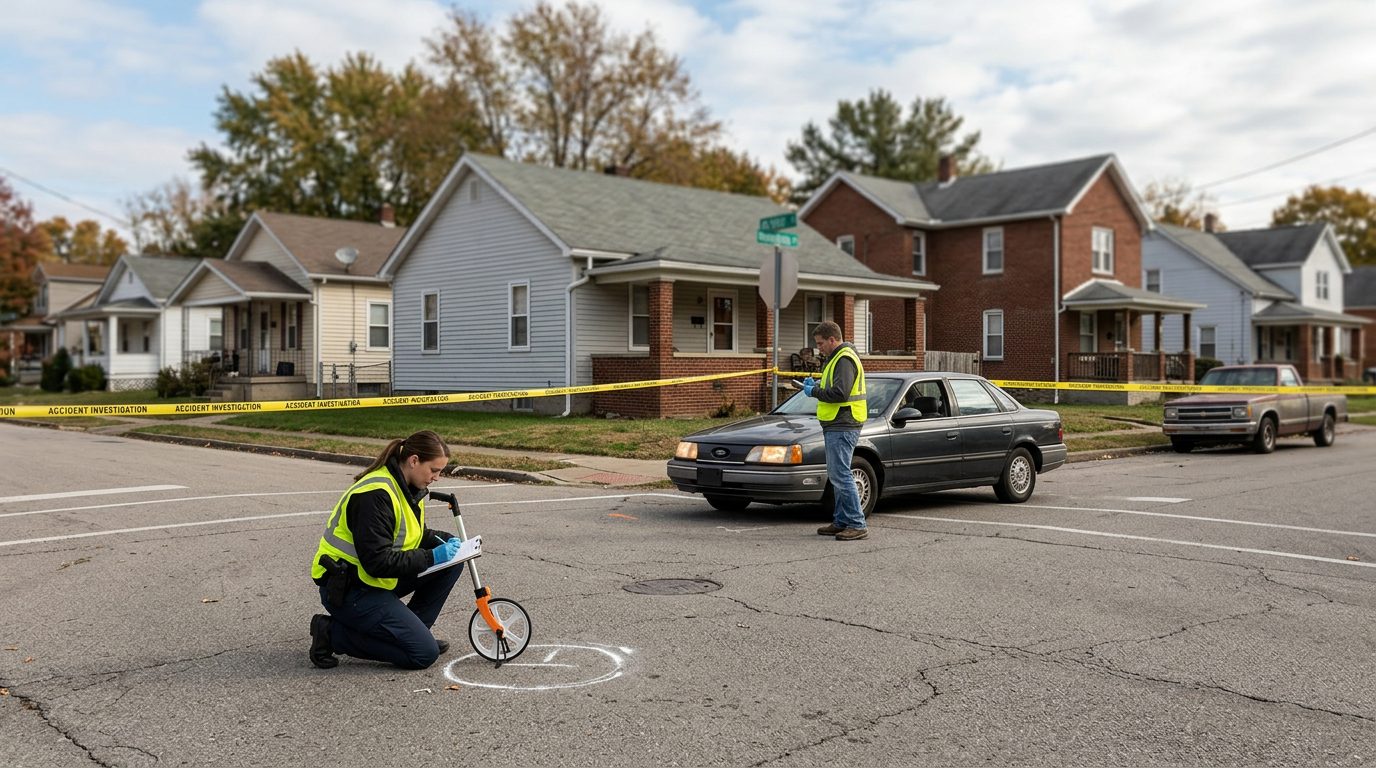
Loss of Consortium After a Spouse Is Injured in a Crash
If your spouse’s head injury followed a truck crash, you don’t have to sort through the records and deadlines alone. You may be holding hospital papers, a police report, and questions you’re not sure how to ask.
Bring your checklist, records folder, and daily log to that conversation. The firm serves injury victims across West Virginia and handles truck accident claims. For background, read our truck accident guide. To take the next step, request a free case review with Big Bubba.