
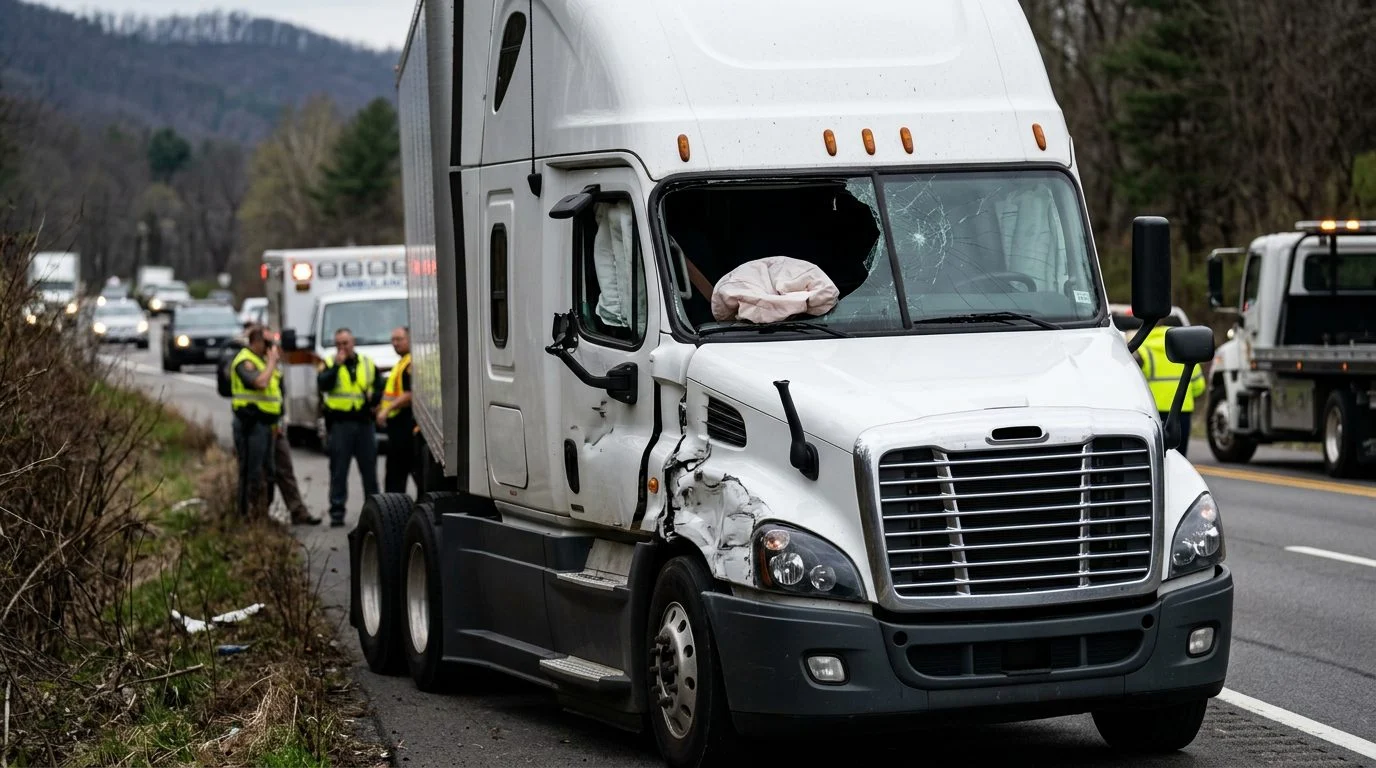
Truck Accidents | West Virginia
Truck Accident Damages in West Virginia
When a commercial truck crash leaves you seriously injured, the damages you can recover matter. Big Bubba fights to help you understand what you may be owed.
Published October 01, 2026
What Damages Can I Recover From a Truck Accident? A West Virginia Guide
If you’ve been seriously injured in a truck accident in West Virginia, you’re likely facing mounting medical bills, lost income, and physical pain. The good news: West Virginia law allows you to recover compensation for both your immediate financial losses and the longer-term harm to your quality of life. Understanding what damages you can recover is the first step toward protecting your rights and pursuing the compensation available under the law.
If you or a family member has been seriously injured in a truck accident in West Virginia, you don't have to navigate the insurance process alone. Talk it through with our team — the first case review is free, confidential, and carries no obligation.
Understanding Truck Accident Damages in West Virginia
West Virginia recognizes two main categories of recoverable damages in personal injury cases: economic damages (measurable financial losses) and non-economic damages (pain, suffering, and quality-of-life impacts). The amount you may recover depends on the specifics of your accident, the severity of your injuries, and the liability of the other party. This guide explains what damages are available and how they’re calculated so you can make informed decisions about your case.
Economic Damages: Your Measurable Financial Losses
Economic damages are concrete, quantifiable losses with clear dollar amounts that directly result from your accident and injuries.
Medical expenses are often the largest economic loss. These include emergency care, hospitalization, surgery, ongoing treatment and therapy, rehabilitation, prescription medications, medical devices (wheelchairs, braces, monitoring equipment), and future medical care related to your injuries. In serious truck accident cases—especially those involving traumatic brain injury or spinal cord injury—medical costs can accumulate quickly and continue for decades.
Lost wages cover income you lost while unable to work during recovery. If your injuries are permanent or long-term, you can also recover for reduced earning capacity—the difference between what you earned before the accident and what you can earn now, if your injuries prevent you from returning to your previous job or earning at the same level.
Property damage includes repair or replacement of your vehicle and personal belongings damaged in the accident.
Transportation and care costs are often overlooked but significant: mileage to medical appointments, home care assistance, modifications to your home or vehicle for accessibility, and other services you need because of your injuries.
Other out-of-pocket expenses directly caused by the accident are also recoverable—documented costs that wouldn’t have occurred without the crash.
Non-Economic Damages: Compensation for Your Pain and Suffering
Non-economic damages address the non-financial impact of your injuries on your quality of life. These are harder to quantify than medical bills, but they are legally recognized and often substantial in serious truck accident cases.
Pain and suffering compensates for physical pain, discomfort, and emotional distress caused by your injuries. Loss of enjoyment of life covers your inability to participate in activities, hobbies, or relationships you enjoyed before the accident. If the accident caused emotional distress and psychological impact—anxiety, depression, post-traumatic stress, or other mental health effects—you can recover for that harm.
Loss of consortium addresses the impact on your relationships with family members. Disfigurement or scarring from permanent visible injuries affecting your appearance and self-image is also compensable. In catastrophic-injury cases, non-economic damages can be an important part of a claim because the injuries can fundamentally change how people live.
Future Damages: Long-Term and Ongoing Losses
Catastrophic injuries from truck accidents often require lifelong care and support. Courts recognize that your damages extend far beyond the first year of recovery.
Future medical expenses include ongoing treatment, therapy, medications, and specialist care for the remainder of your life. Permanent disability and lost earning capacity account for the fact that if your injuries prevent you from working or limit your career options permanently, you’ve lost decades of income. Home and vehicle modifications—equipment and accessibility changes needed for long-term disability—can represent a substantial expense. In-home care and assistance for personal care, nursing, or household help if you cannot manage independently is often substantial. Courts also consider how your injuries affect your life expectancy and quality of life over your remaining years.
Catastrophic Injuries and Traumatic Brain Injuries
Truck accidents frequently cause catastrophic injuries with severe, permanent consequences. According to the National Institute of Neurological Disorders and Stroke, traumatic brain injury can result in cognitive impairment, memory loss, personality changes, and the need for specialized long-term care. Spinal cord injuries resulting in partial or complete paralysis create lifetime care needs, accessibility modifications, and permanent loss of independence.
Catastrophic injuries involve permanent harm and ongoing care requirements, which courts and insurers weigh when evaluating a claim. These cases require detailed documentation of medical needs, expert testimony, and careful calculation of lifetime costs—work that demands experienced legal representation.
How Much Are Most Truck Accident Settlements?
Settlement amounts vary widely based on injury severity, medical expenses, lost income, liability strength, and insurance coverage available. Minor injuries with quick recovery may involve smaller settlements focused on medical bills and brief lost wages. Serious injuries with permanent effects, substantial medical costs, and long-term lost earning capacity typically involve larger settlements because of the greater losses involved. Catastrophic injuries involving brain or spinal cord damage reflect lifetime care needs in the way damages are calculated.
Each case is unique; no two truck accidents produce identical damage calculations. An experienced attorney can evaluate the specific facts of your accident and explain how damages are assessed in your situation.
What Not to Say to the Insurance Company After a Truck Accident
Insurance adjusters are trained to minimize payouts; anything you say can be used against your claim. Avoid admitting fault or apologizing, even if you feel responsible—liability is often shared or disputed. Do not minimize your injuries or say you feel fine, even if you’re trying to be polite; injuries often worsen days or weeks after an accident.
Do not discuss settlement amounts or accept an early offer without legal review; initial offers are often below what you may be entitled to recover. Do not post about the accident on social media; insurers monitor social accounts and may misuse photos or statements. Do not give a recorded statement without consulting an attorney first; you have the right to decline or have counsel present. Stick to factual statements about what happened, and refer all questions about damages or settlement to your attorney.
Not sure what your next step is?
Talk it through with our team — the first case review is free, confidential, and carries no obligation.
Is a $50,000 Settlement Offer Right for a Truck Accident?
Whether a particular offer is reasonable depends entirely on your specific injuries, expenses, and losses. For minor injuries with low medical costs and brief time off work, a smaller settlement may fully cover your losses. For serious injuries with substantial medical bills, long-term care needs, or permanent disability, the same amount may not reflect your actual losses. Catastrophic injuries involve lifetime care and lost earning capacity, which must be accounted for when damages are calculated.
An early settlement offer that seems reasonable may not account for future medical needs or complications that emerge later. Before accepting any settlement, have an attorney review your medical records, expenses, and long-term prognosis to ensure your claim reflects the full scope of your losses.
What Is a Reasonable Settlement Offer?
A reasonable settlement covers all your documented economic damages: medical bills, lost wages, and other out-of-pocket costs. It includes fair compensation for non-economic damages like pain, suffering, and loss of enjoyment of life. It accounts for future medical needs, ongoing care, and permanent disability if applicable.
A reasonable offer reflects the strength of liability—if the truck driver or company is clearly at fault, that strengthens your position. It considers the insurance coverage available, since a policy limits what that insurer must pay, though other policies or sources may also apply. A reasonable offer is one that fully compensates you for your losses without requiring you to pursue litigation. An attorney experienced in truck accident cases can evaluate whether a specific offer is reasonable for your situation.
How Big Bubba Pursues Your Damages
We represent seriously injured people across West Virginia in truck accident cases, including catastrophic injuries, traumatic brain injuries, and spinal cord injuries. Our team thoroughly documents all economic damages: medical records, bills, wage statements, and expert cost projections for future care.
We work with medical experts and life-care planners to establish the full scope of your injuries and long-term needs. We build strong liability cases against truck drivers and commercial carriers, holding them accountable for negligence and violations of Federal Motor Carrier Safety Regulations. We negotiate with insurance companies and are prepared to take cases to trial if necessary to pursue fair compensation.
We handle the legal process so you can focus on recovery, not paperwork or insurance calls. No attorney fee unless we win; clients remain responsible for case costs. You may still be responsible for court costs and case expenses.
The Process: How We Help You Recover Damages
Initial case review: We listen to what happened, review your injuries and medical records, and explain your legal options with no obligation.
Investigation: We gather accident reports, witness statements, truck maintenance records, driver logs, and other evidence to establish liability.
Medical documentation: We work with your healthcare providers to ensure all injuries and treatment are thoroughly documented.
Damage calculation: We compile all economic losses and work with experts to project future medical and care costs.
Demand and negotiation: We send a detailed demand to the insurance company and negotiate on your behalf.
Settlement or litigation: If a fair settlement is reached, we finalize it; if not, we prepare your case for trial.
Throughout the process, we keep you informed and answer your questions.
Why Choose Big Bubba for Your Truck Accident Claim
We focus on serious injury and catastrophic cases, not minor fender-benders. We handle truck accident liability claims, including commercial carrier negligence and regulatory violations. We apply West Virginia law to the damages in each client’s case.
We have the resources to hire experts—medical specialists, accident reconstructionists, life-care planners—to build a strong case. We are prepared to take cases to trial when that is in a client’s interest. We treat clients with respect and empathy; we understand the physical and emotional toll of serious injury. No attorney fee unless we win; clients remain responsible for case costs.
Frequently Asked Questions
How long do I have to file a truck accident claim in West Virginia?
West Virginia has a statute of limitations for personal injury claims; generally, you have two years from when your right to bring the action accrued to file a lawsuit, and exceptions may apply (W. Va. Code § 55-2-12). Contact an attorney immediately to preserve evidence and protect your rights.
Can I recover damages if I was partially at fault?
Yes, in many cases. West Virginia follows a comparative fault rule: fault chargeable to you does not bar recovery unless your fault is greater than the combined fault of all other persons responsible for your damages (W. Va. Code § 55-7-13c).
What if the truck driver was working for a company?
Commercial carriers and trucking companies are often liable for their drivers’ negligence. We investigate the company’s hiring, training, and safety practices to establish liability.
Will my case go to trial?
Most cases settle before trial, but we are prepared to go to court if necessary. The threat of trial often motivates insurance companies to offer fair settlements.
How much does it cost to hire you?
We work on contingency. You pay no attorney fees unless we recover damages for you. You may still be responsible for court costs and case expenses.
How long does a truck accident case take?
Simple cases may settle in months; complex catastrophic injury cases may take one to two years or longer. We move as quickly as possible while working to account for the full scope of your losses.
Have questions about what happened?
Ask our team directly. The first conversation is free, confidential, and there is no obligation to continue.
Take the Next Step
If you or a family member has been seriously injured in a truck accident in West Virginia, you don’t have to navigate the insurance process alone. The sooner you reach out, the sooner we can begin protecting your rights and building your case.
Contact Big Bubba today to discuss what happened and learn what damages you may be able to recover. Tell Bubba what happened, and we’ll help you understand your options.
Types of Damages in Truck Accident Cases
Economic Damages
Medical bills, lost wages, rehabilitation costs, and ongoing care expenses. These are the measurable financial losses you've incurred because of the crash.
Non-Economic Damages
Pain and suffering, emotional distress, and loss of quality of life. These reflect the real human impact of your injury—what you've endured beyond the bills.
Wrongful Death Damages
When a truck crash is fatal, surviving family members may recover damages for funeral costs, lost financial support, and the loss of companionship.
Why Truck Accident Claims Are Different
Commercial Liability Rules
Trucking companies and their insurers operate under federal and state regulations. Understanding these rules is critical to building your case.
Evidence Preservation Matters
Truck logs, maintenance records, driver history, and black box data disappear fast. Acting quickly protects the evidence you need.
Catastrophic Injuries Often Result
Truck crashes frequently cause traumatic brain injuries, spinal cord damage, and permanent disability. These injuries demand thorough damage assessment.
Multiple Liable Parties
The driver, the trucking company, the truck owner, maintenance contractors, and cargo loaders may all share responsibility—each with separate insurance.
Time Matters
West Virginia law sets a deadline for filing a personal injury lawsuit. Evidence fades, witnesses move away, and memories blur. The sooner you reach out, the sooner we can protect your rights and begin building your case.
What Happens Next
Case Review
Tell us what happened. We'll listen, ask questions, and explain what your claim may involve—no pressure, no obligation.
Investigation & Evidence
We gather police reports, medical records, truck maintenance logs, driver records, and expert analysis to build a clear picture of liability and damages.
Demand & Negotiation
We calculate what your case is worth and present a demand to the responsible parties and their insurers, then negotiate on your behalf.
Resolution
Most cases settle. If they don't, we're ready to take your case to trial and fight for fair compensation.
Ready to talk about your truck accident?
Related practice areas
- Truck Accident Claims in West Virginia | Big Bubba Legal
- Can I Sue After a Truck Accident in West Virginia?