
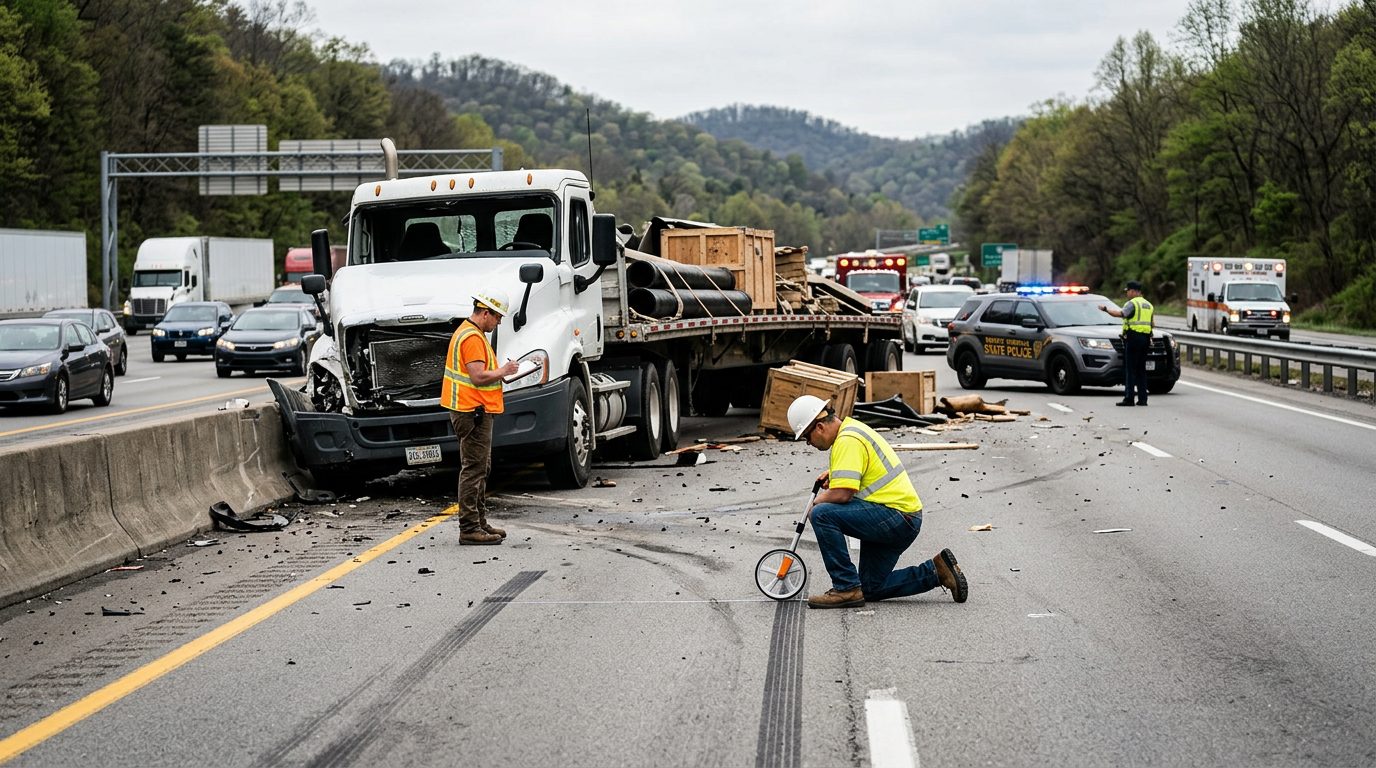
Truck Accidents | West Virginia
Hurt in a Truck Crash? Get Checked Out, Then Talk to Us
An emergency room visit after a truck crash protects your health and documents what happened. The firm helps people across West Virginia understand their options after serious crashes.
Published November 7, 2026
A truck accident emergency room visit is often the first medical step after a serious crash in West Virginia. The emergency room creates the first record of what happened to your body. Some injuries are not obvious at the scene, and some do not show up for hours or days. This page explains which injuries often start in the emergency room, which records to keep, and how the firm can help through a free case review.
Why an Emergency Room Visit After a Truck Crash Matters
An emergency room visit after a truck crash creates an early medical record. Trucks are heavy, and the forces in a large-vehicle crash can hurt people in ways they cannot feel right away.
Some symptoms may appear hours or days later. These can include headaches, dizziness, numbness, or confusion. A person may feel fine at the scene and still have a serious injury.
Why does this matter? Notes from the first evaluation may later help show when symptoms began and what the crash may have caused. Early records also give your medical team a starting point for follow-up care.
If you are hurting, worried, or caring for someone who was hurt, feeling overwhelmed is understandable. This page is meant to help you take the next steps one at a time.
If a truck crash has left you or someone you love facing hard questions, you do not have to sort out the next steps alone. Tell Bubba what happened and ask for a free case review. Talk it through with Big Bubba — the first case review is free, confidential, and carries no obligation.
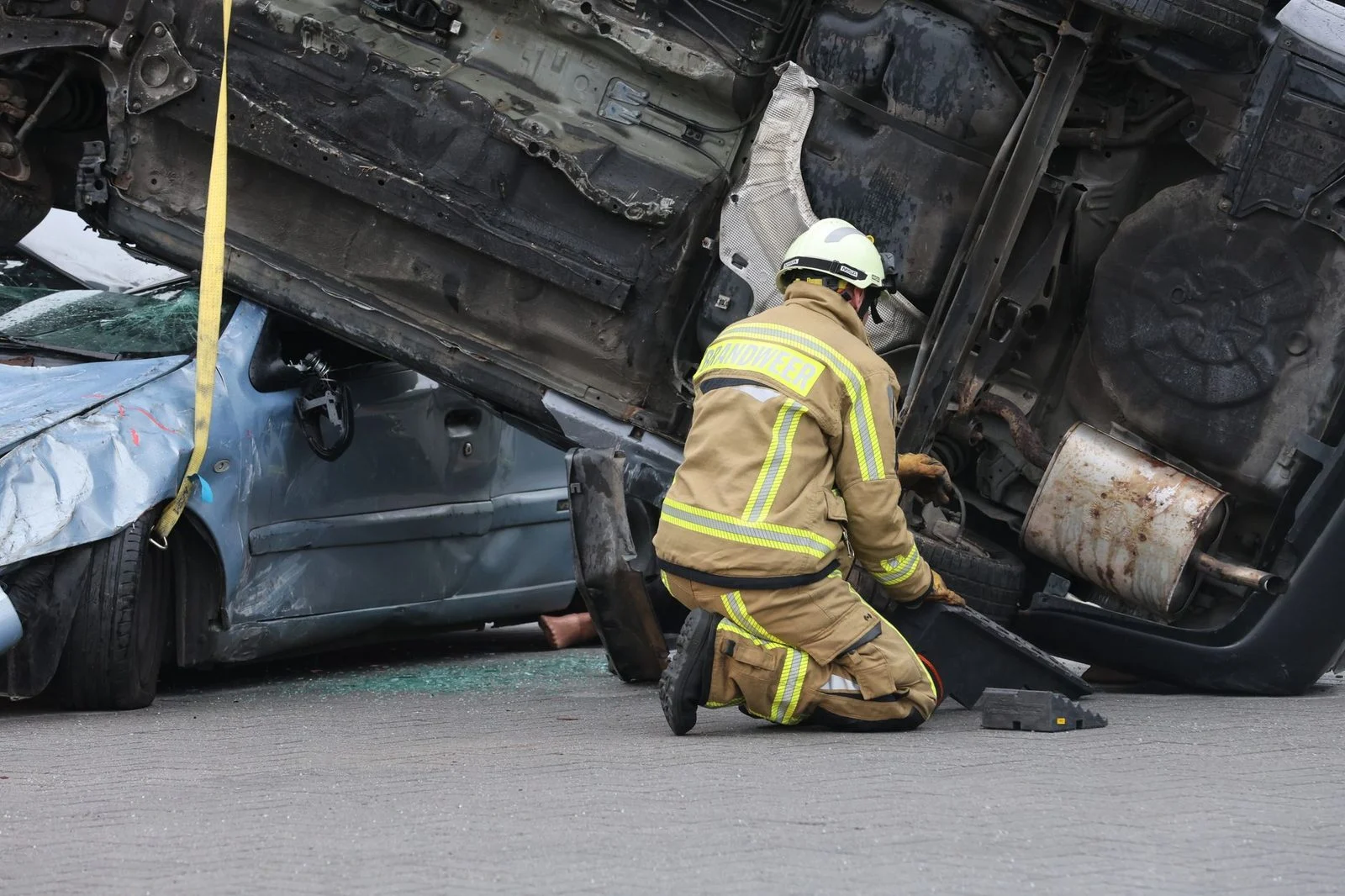
Injuries That Often Begin in the Emergency Room
Several serious injuries from truck crashes may first be documented in the emergency room. The examples below are common, but your medical team makes the diagnosis.
- Traumatic brain injury. A concussion or brain injury can cause headaches, memory gaps, confusion, or loss of consciousness. Some brain injuries may be missed without imaging and follow-up care.
- Spinal cord injury. Numbness, weakness, tingling, or loss of bladder or bowel control can signal spinal harm. These symptoms call for prompt medical evaluation.
- Fractures and internal injuries. Broken bones, internal bleeding, and crush injuries can occur in large-vehicle crashes. Burns from fuel fires and deep cuts are also possible.
- Soft-tissue injuries. Whiplash and back strain can develop over several days. They still should be documented.
A catastrophic injury describes severe harm that may last a long time or change how a person lives. Whether an injury fits that label depends on the medical findings. The treating team, not the reader or the firm, decides diagnosis and prognosis. Ask your providers to explain what they are seeing and what follow-up they recommend.
Records to Keep From the Emergency Room and the Crash Scene
Keep every hospital record you receive, and request copies of anything missing. Records made close to the crash can be among the most useful.
Ask for copies of:
- Triage and nursing notes from the emergency room
- Imaging reports, such as X-rays and CT scans
- Discharge instructions and prescriptions
- Referrals and notes from every follow-up visit
A simple daily journal can help too. Write down symptoms, pain levels, sleep, and tasks you cannot do. Over time, the journal can show how you are doing between appointments.
Law enforcement usually prepares a crash report. Write down the report number, the date and location, and the names of the drivers and vehicles. Ask the investigating agency how to request a copy.
If you can, also keep scene photos, witness names, and the trucking company name and DOT number shown on the truck. Keep copies of anything an insurance company sends you. Before you sign a release or give a recorded statement, read what it covers.
Why Truck Crashes Can Involve More Than One Party
A truck crash can involve more than one party, depending on the facts. The driver is only one possible source of fault. Other parties may include:
- The motor carrier that operated the truck
- The owner or leasing company that holds the truck
- A maintenance provider or a company that loaded the cargo
West Virginia uses a modified comparative fault (shared fault) rule. An injured person’s own fault does not bar recovery unless it is greater than the combined fault of everyone else responsible. If the plaintiff’s fault is less than the combined fault of everyone else responsible, the recovery is reduced in proportion to that person’s degree of fault. W. Va. Code § 55-7-13c explains how fault is allocated.
Federal truck rules also create records that may matter. 49 CFR 395.8 covers those logs.
Under federal rules, an employer generally must stop attempting an alcohol test eight hours after a qualifying crash, and controlled-substance testing follows different time limits (49 CFR 382.303). 49 CFR 382.303 sets these timelines.
How the Firm Helps With Truck and Commercial Vehicle Crash Injuries
The firm handles car accident, truck accident, commercial vehicle accident, catastrophic injury, traumatic brain injury, spinal cord injury, and wrongful death matters. It serves injured people and families across West Virginia.
The free case review is a confidential first meeting with no obligation to continue. You can explain what happened, share the records you have, and ask questions about your situation.
After that meeting, the firm can review the crash report and medical records you provide. It can look at which parties may be responsible and explain options that may be available. Some insurers may dispute a claim, so clear records from the start can matter.
The firm’s support staff can help gather records and coordinate with your medical providers. Decisions about your case remain yours to make.
Common Questions About ER Care After a Truck Crash
Short answers to common questions are below.
Should I go to the emergency room if I feel fine?
Some injuries may not be noticeable right away. A medical evaluation can document how you are doing and what follow-up you need.
How soon after a crash should I see a doctor?
Prompt evaluation is generally advisable after any crash that raises injury concerns. Your medical provider decides the timing of follow-up care.
What if an insurance adjuster calls me?
Some insurers may dispute a claim, so keep notes and copies of what they send. West Virginia law may restrict some settlement contact with a person who is in the hospital or unable to work, during the first 20 days after an injury. See W. Va. Code § 55-7-11a.
Can a family member contact the firm for someone who was hurt?
Yes, a relative or friend may reach out on the injured person’s behalf. The firm can discuss who may need to be involved.
What if a loved one died after a truck crash?
In general, a wrongful death action is brought by the personal representative of the deceased person’s estate. W. Va. Code § 55-7-6 generally requires filing within two years after the death. The firm can discuss your situation in a free case review.
Not sure what your next step is?
Talk it through with Big Bubba — the first case review is free, confidential, and carries no obligation.

Understanding Your Options After a Crash
A truck accident emergency room visit can leave you with more questions than answers. You may still be recovering, waiting on test results, or trying to make sense of a crash you did not choose. You do not need every answer yet.
Writing down what you remember can be a useful first step. When you are ready, tell Bubba what happened in your own words. The firm can then explain how a free case review works and whether a claim may fit your facts.