
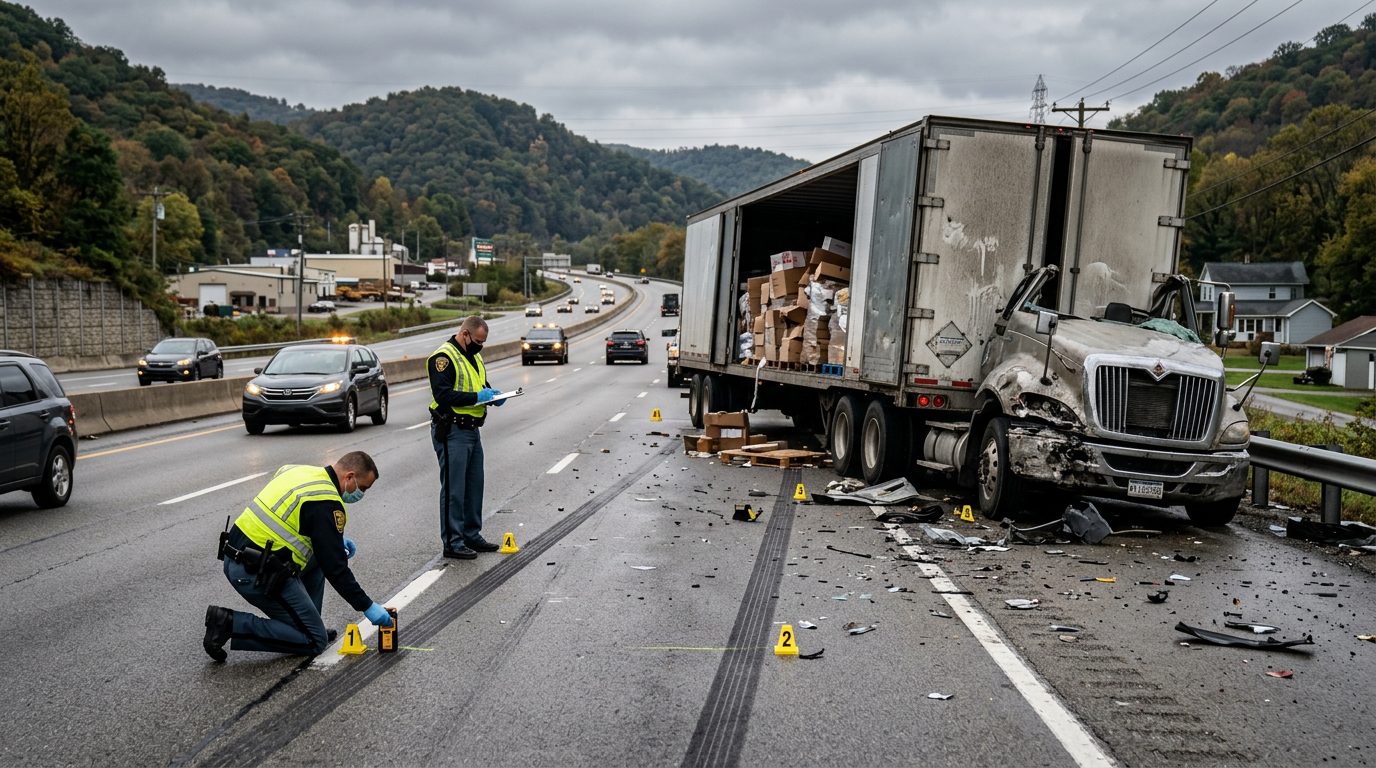
Truck Accident Claims in West Virginia
Medical Bills After a Truck Crash: Who May Pay?
Hospital bills can arrive before anyone has settled who is responsible. Here is how to start sorting out your options.
Published November 25, 2026
After a truck crash, you may be facing hospital bills before anyone has said who will pay them. Several sources may cover medical costs, depending on the facts. These can include the at-fault party’s liability insurance, your own health coverage, and other policies.
Short Answer: Who May Pay Your Medical Bills After a Truck Crash
Several sources may pay your medical bills. These include the at-fault party’s liability coverage and your own health or medical payments coverage. Other sources may apply in some cases.
A claim against the at-fault party is separate from the bills you owe right now. Hospital and treatment bills can often be handled while that claim stays open. That separation helps many people who feel pressure to settle quickly.
The sources in this guide are listed in the order many people run into them. They are not ranked by who will pay. The right mix depends on who caused the crash, which policies apply, and what your plans say.
Many people assume the other driver’s insurer will pay everything right away. That is not always how it works. Insurers may take time to decide fault, so your own coverage may respond first.
If hospital or treatment bills are stacking up after your truck crash, the firm can help you sort out your options. Reach out and request a free case review. Talk it through with Big Bubba — the first case review is free, confidential, and carries no obligation.

Why a Truck Accident Can Involve More Than One Insurer
A truck crash often involves more than one insurance policy. Each insurer may take its own position on fault and on payment. That can lead to mixed answers early on.
West Virginia law defines an “employer defendant” in commercial vehicle cases broadly. It can include the owner of the truck, the operator’s employer, and any other entity that leases or holds legal control over the truck or driver. See W. Va. Code § 55-7-32.
The same statute covers truck tractors, trailers, semitrailers and pole trailers as commercial motor vehicles. Who owned, leased, or was driving the rig can change which company’s coverage may apply.
Some crashes also involve cargo arrangements or contracted carriers. Those arrangements may add policies to the picture. Whether they apply depends on the facts of the crash.
If another driver was at fault, that driver’s liability insurance may be one source of compensation for your bills and other losses.
Health Insurance and Medical Payments Coverage
Your own health coverage is often the first place people turn for treatment bills. Employer plans, Medicare, Medicaid and other government plans may pay for care. Plan terms, network rules and reimbursement rights all matter.
Some health plans may ask to be repaid from a later settlement. Hospitals and other providers may also assert liens against a patient’s settlement or judgment. The Monroe County Clerk’s lien records page describes how such liens are recorded in that county.
Federal reimbursement rules can also apply. See the Centers for Medicare & Medicaid Services guidance on reporting a liability claim.
If you carry medical payments coverage on your auto policy, it may pay medical expenses regardless of who caused the crash. Its limits and terms control how much it pays.
Underinsured motorist coverage is a separate piece. Check whether you carry it.
Keep every bill, explanation of benefits and treatment note from the start. Those records help you track what has been paid and what remains open.
Liability Coverage and What It Can Cover
Liability coverage pays for harm that the insured driver or company legally caused. That is why a claim against the at-fault party is central to recovering medical costs.
Under W. Va. Code § 55-7-13c, your own fault does not bar recovery unless it is greater than the combined fault of all others responsible. W. Va. Code § 55-7-13c reads: “(c) Any fault chargeable to the plaintiff shall not bar recovery by the plaintiff unless the plaintiff’s fault is greater than the combined fault of all other persons responsible for the total amount of damages, if any, to be awarded.” Under W. Va. Code § 55-7-13c, if your fault is less than the combined fault of all others responsible, your recovery is reduced in proportion to your share of fault.
The same statute says each defendant’s liability for compensatory damages is generally several only. Joint liability may apply in limited cases, such as certain drunk-driving cases.
Fault is decided on the evidence, and the answer depends on the facts. Crash reports, photos, witness statements and driver accounts often matter. Insurers may disagree about these facts.
Medical bills are one category of damages in a personal injury claim. Other losses you’ve experienced, such as lost wages or daily limits, may also be part of the claim. Each depends on the facts of your case.
Truck Accident Medical Bills in Serious Injury and Wrongful Death Cases
Serious injuries, including traumatic brain injury and spinal cord injury, may need care for a long time. Ongoing treatment can make early bill management harder. It also makes early numbers less certain.
Future medical needs may not be fully known in the first weeks after a crash. Your doctors may still be deciding on a treatment plan. Keep your providers’ notes and updated bills as your care changes.
In a wrongful death case, the claim is brought by the personal representative of the deceased person. Under W. Va. Code § 55-7-6, the jury must set out separately any damages for reasonable funeral, hospital and medical expenses caused by the wrongful act. The action generally must begin within two years after the death. W. Va. Code § 55-7-6 reads: “The provisions of this section shall not apply to actions brought for the death of any person occurring prior to July 1, 1988.”
Families often need the deceased person’s medical records. The AHIMA guide to deceased parents’ medical records lists the documents usually needed.
Early Decisions That Affect Who Pays
Decisions made in the first few weeks can affect who ends up paying. Timing matters, so it helps to know the rules before you respond.
Settlement contact rules may apply in some situations after an injury, and the firm can explain how they may affect your case.
The disavowed settlement, release or statement then may not be admissible in evidence in any court or proceeding relating to the injury, if any consideration paid is repaid or returned to the person who paid it.
Some insurers may ask for a recorded statement. It can help to understand what is being asked before you answer. Stick to facts you know, and say so when you don’t know something.
An early settlement offer may come before the full extent of your injuries is known. Some insurers may dispute a claim or the amount of medical costs. Think carefully before accepting any offer.
Under W. Va. Code § 55-7-12, a release with one joint tortfeasor does not bar a claim against another tortfeasor for the same cause. Still, read any release closely before signing, because it can affect later claims.
West Virginia generally allows two years to file a personal injury action, and exceptions may apply. See W. Va. Code § 55-2-12. Check the timing with a lawyer early.
Not sure what your next step is?
Talk it through with Big Bubba — the first case review is free, confidential, and carries no obligation.
What to Gather Now to Support Your Medical Bill Claim
Start a folder with every medical bill, itemized statement and insurance card. Add each explanation of benefits form you receive. Those papers show what was billed, what was paid and what is still owed.
Save the crash report, photographs and witness names. You can request the crash report from the investigating agency. Note the trucking company’s name and contact details if they were shared at the scene.
Write down symptoms, missed work and daily activities that have become hard. Date each note. Over time, these records can help show the full effect of the injury.
Keep a list of every insurer that has contacted you. Record the adjuster’s name, the claim number and the date of each call. Do not guess at details you are unsure about.
Related Reading on Injury Claims
If your truck crash left you with bills and you’re unsure how to respond to an insurer, you don’t have to sort it out alone. Related topics include car accident medical bills and truck accident vehicle damage. Those pages cover nearby questions people often ask.
We serve Charleston injury victims and people across West Virginia who were hurt in truck and commercial vehicle crashes. If you are holding hospital or treatment bills and deciding how to answer an insurer, you can request a free case review to talk through your options.