
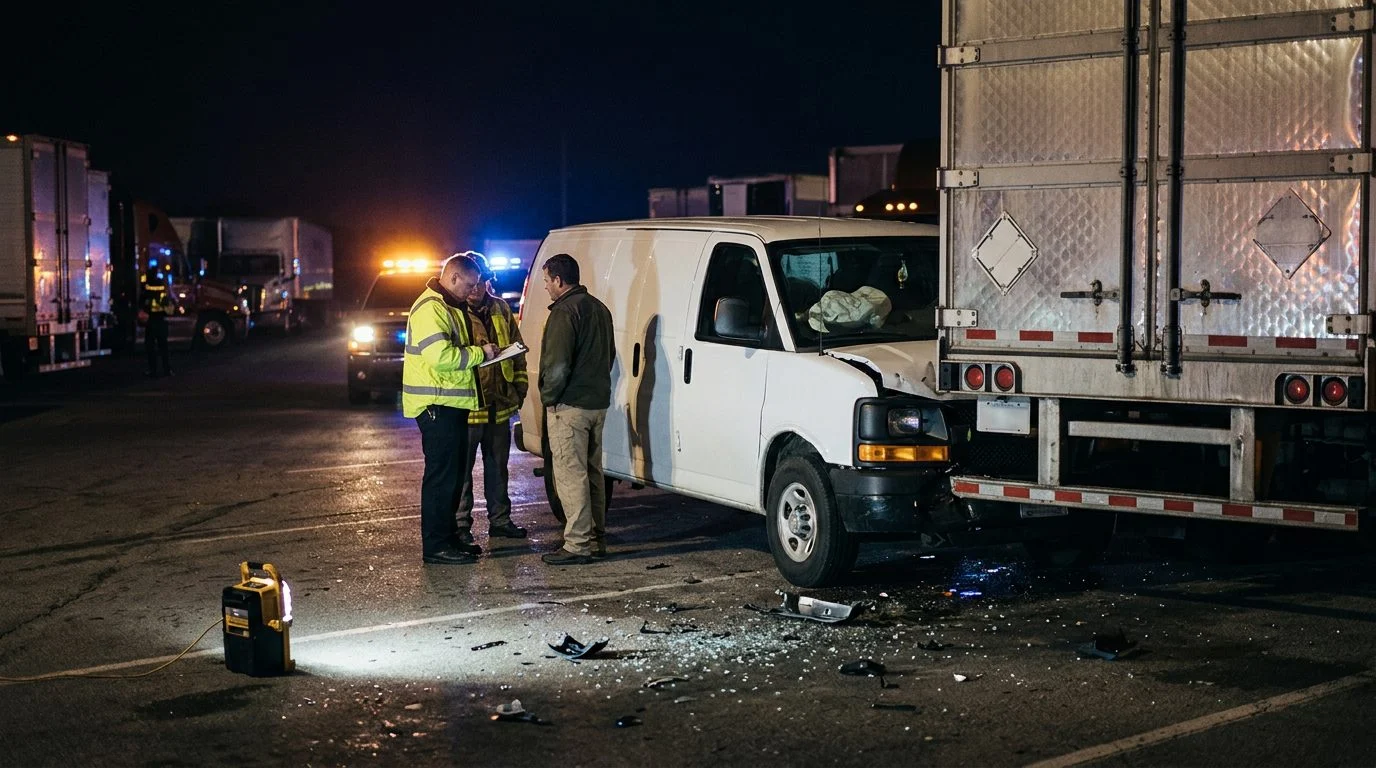
Work Van Accidents | West Virginia
Hurt in a Work Van Crash? Request a Free Case Review
Work vans share the road with everyone else, and a crash involving one can raise questions about who is responsible. Tell us what happened and we will talk through your options.
Published November 4, 2026
A work van accident case review in West Virginia is a free first meeting about a crash involving a company van, a service van, a box truck, or another commercial vehicle. It comes with no obligation to continue. The firm handles car accident, truck accident, and commercial vehicle accident claims, along with wrongful death cases for families. We serve injury victims in Charleston, Huntington, Morgantown, Wheeling, Martinsburg, Parkersburg, Beckley, Clarksburg, Fairmont, and Weirton.
What a Work Van Accident Case Review Is
A work van accident case review is the firm’s first meeting about your crash, and you can request one whether you were hurt or lost a family member. The review is for people hurt in a work van, service van, or box truck crash in West Virginia. It is also for families of people killed in one.
Many people assume a crash is only about the other driver. A work van crash can also involve a company’s records, its hiring decisions, and its maintenance schedule.
A work van may belong to an employer, a contractor, or a fleet company. Because of that, the review looks beyond the other driver alone.
During the review, the firm works out whether your crash falls into car accident, truck accident, or commercial vehicle accident claims. Each type can involve different parties and records.
To start, you can use the online form or call. You describe what happened, and the firm explains the options that may apply.
If a work van or commercial vehicle crash left you hurt or grieving, you may have a claim, and a free case review can show which options may apply to you. Talk it through with Big Bubba — the first case review is free, confidential, and carries no obligation.
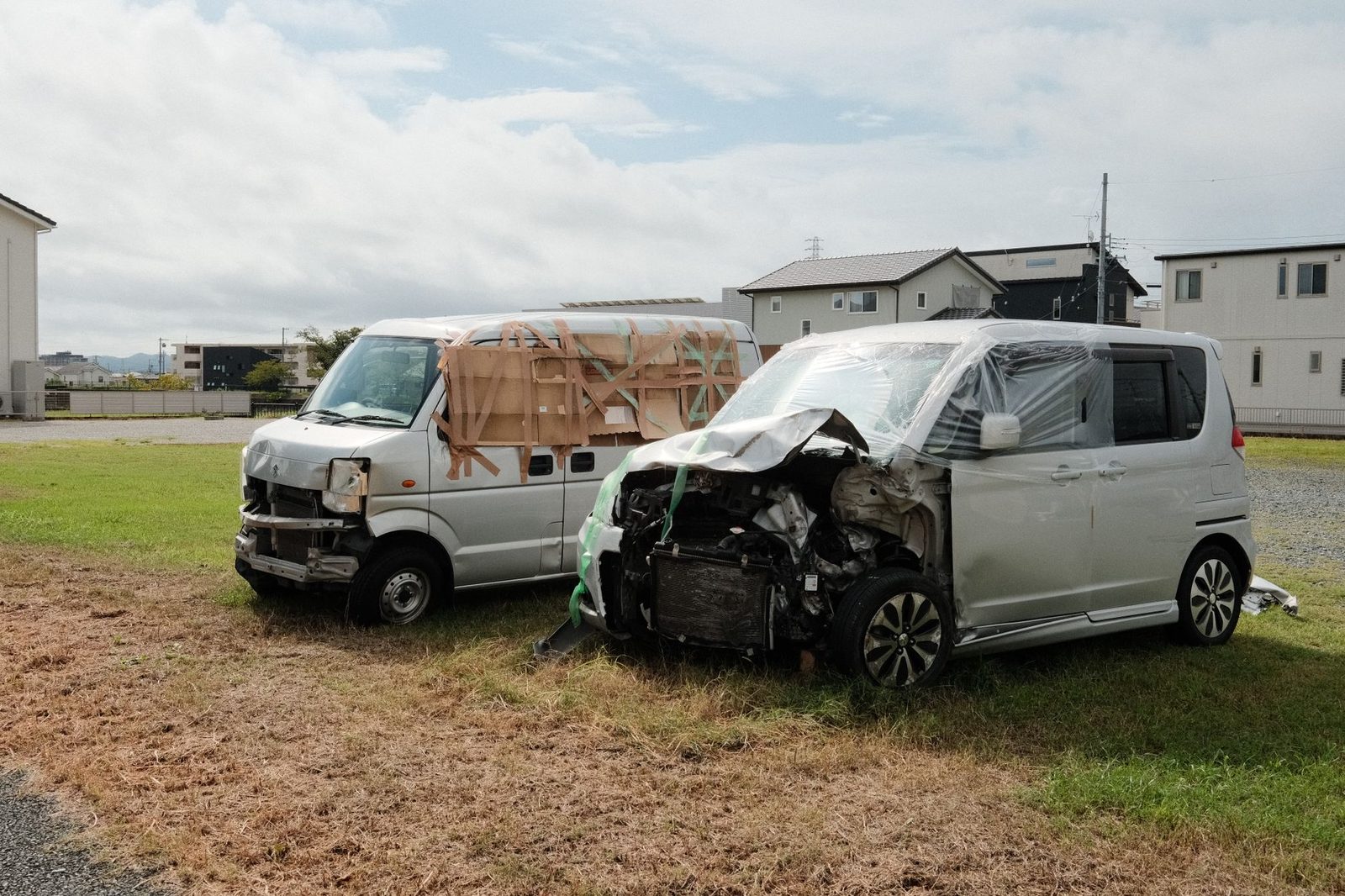
What the Case Review Covers in a Work Van Crash
The case review covers who owned and controlled the van, who was driving, and whether the van was being used for work at the time of the crash.
- Ownership and use: who owned, leased, or controlled the van, and whether the driver was on the job.
- Driver and assignment: the driver’s route, schedule, and any dispatch pressure that may be relevant.
- Vehicle condition: inspection, repair, and maintenance records, plus brake and tire history where available.
- Driver file: motor carriers must keep a driver qualification file for each driver they employ, including the application and motor vehicle records, under 49 C.F.R. § 391.51.
- Cargo and load: whether tools, equipment, or materials were secured. The rule says cargo must be “firmly immobilized or secured,” under 49 C.F.R. § 393.106.
- Insurance: the policies that may apply to the vehicle, the employer, and the driver.
- Workers’ compensation: a crash during work may involve workers’ compensation, which has its own rules and may run alongside a claim against another party.
Each item helps show how the crash happened and who may be responsible. Federal rules also set minimum keep times for some records. Under 49 C.F.R. § 396.3, a motor carrier must keep maintenance records for one year, and for six months after the vehicle leaves its control. Because these records have set retention periods, early action may help protect them.
How the Free Case Review Works, Step by Step
The review starts when you describe the crash, and you decide what happens next.
- Reach out. Call or use the online form, and describe the date, place, and vehicles involved.
- Share your situation. Tell the firm about your injuries or your loss, your work status, and any police or medical papers.
- Map the parties and records. The firm explains which parties may be involved and which records may matter. You do not need every document to start.
- Review your options. The firm explains possible next steps. The free case review carries no obligation to continue.
Timing matters. Vehicle data, driver logs, dash camera footage, and repair records may change or be lost over time, so early action may help.
West Virginia generally allows two years to file a personal injury claim under W. Va. Code § 55-2-12, and exceptions may apply. Reaching out early gives the firm more time to review those limits for your situation.
Who May Share Responsibility After a Work Van Crash
- The other driver, if another driver was at fault.
- The vehicle owner or employer, depending on how the van was used and who controlled the work.
- A contractor, staffing company, or fleet manager, depending on the arrangement.
- Parts makers or repair shops, if a defect or faulty repair contributed to the crash.
Each party’s role is sorted out one at a time during the review.
West Virginia uses modified comparative fault, which means your own share of fault may reduce your recovery. Under W. Va. Code § 55-7-13c, your fault bars recovery only if it is greater than the combined fault of all other persons responsible. W. Va. Code § 55-7-13c reads: “(c) Any fault chargeable to the plaintiff shall not bar recovery by the plaintiff unless the plaintiff’s fault is greater than the combined fault of all other persons responsible for the total amount of damages, if any, to be awarded.”
Some insurers may dispute a claim or the coverage that applies. A careful review of the policies may matter.
Catastrophic Injury and Wrongful Death Claims After a Crash
Serious brain, spinal cord, and fatal injuries after a work van crash each raise their own questions.
A traumatic brain injury or spinal cord injury may affect work, daily life, and future care needs. The review looks at medical records and treatment plans as the facts develop.
When a crash causes a death, a claim is generally brought by the deceased person’s personal representative (the person legally appointed to act for the estate), under W. Va. Code § 55-7-6. Damages may include sorrow, mental anguish, and solace; reasonably expected loss of the decedent’s income and services; expenses for care, treatment, and hospitalization; and reasonable funeral expenses. The statute generally requires filing within two years after the death, subject to other provisions of state law. W. Va. Code § 55-7-6 reads: “The provisions of this section shall not apply to actions brought for the death of any person occurring prior to July 1, 1988.”
If an injured person dies later, W. Va. Code § 55-7-8a may allow the injury claim to continue through a personal representative.
Conditions and exceptions apply, including the employer’s insurance and the driver’s conduct.
The review can help you see which of these rules may apply to your family’s situation.
Questions People Ask Before Reaching Out
Most people can start a free case review before they know who was at fault.
Do I need to know who was at fault before I call?
No. Describing what happened is enough to start.
I was a passenger, not the driver. Can I request a free case review?
Yes. Passengers may have claims, depending on the facts.
Is a work van crash different from a regular car crash?
It can be. More vehicles, employers, and records may be involved.
Can a family member reach out after a fatal crash?
Yes. Family members can describe the crash and what they saw or were told about it.
What should I bring?
Bring the police report number, photos, medical discharge papers, and any letters from insurers or employers.
Will I have to decide right away?
No. You can take time to decide what to do next.
Not sure what your next step is?
Talk it through with Big Bubba — the first case review is free, confidential, and carries no obligation.

Understanding Your Options After a Crash
If you were hurt in a work van accident in West Virginia, a free case review is a practical first step.
You may be weighing whether to act now or wait. Waiting may cost time you need for records and deadlines. Starting early helps keep your options open.
Request a free case review and tell Bubba what happened. The firm will then identify the records and options that may apply to your situation. There is no need to have every answer first. Bring what you have, and the firm will explain the next steps.