
Wrongful Death | West Virginia
How Fault Is Determined in Fatal Car Accidents
Understanding the legal process when a crash takes a life. Big Bubba is here to help your family seek answers and fair recovery.
Published October 01, 2026
How Is Fault Determined in a Fatal Car Accident in West Virginia
Fault in a fatal car crash is established through civil evidence and legal standards, not by police decision alone. Police investigate and document the scene, but insurance companies, courts, and juries ultimately determine fault by proving the at-fault driver’s negligence caused the death. In West Virginia, a deceased driver’s partial fault does not bar a wrongful death claim unless that fault is greater than the combined fault of all other persons responsible; otherwise, damages are reduced by the deceased’s percentage of fault under the state’s comparative fault law.
When a fatal crash happens, families are often confused about who decides fault and how long it takes. Understanding this process helps you protect evidence, know what to expect, and recognize when you may have a claim.
If your family lost someone in a fatal car crash and you're trying to understand what comes next, you don't have to sort it out alone. Talk it through with our team — the first case review is free, confidential, and carries no obligation.
What Happens Immediately After a Fatal Car Crash in West Virginia
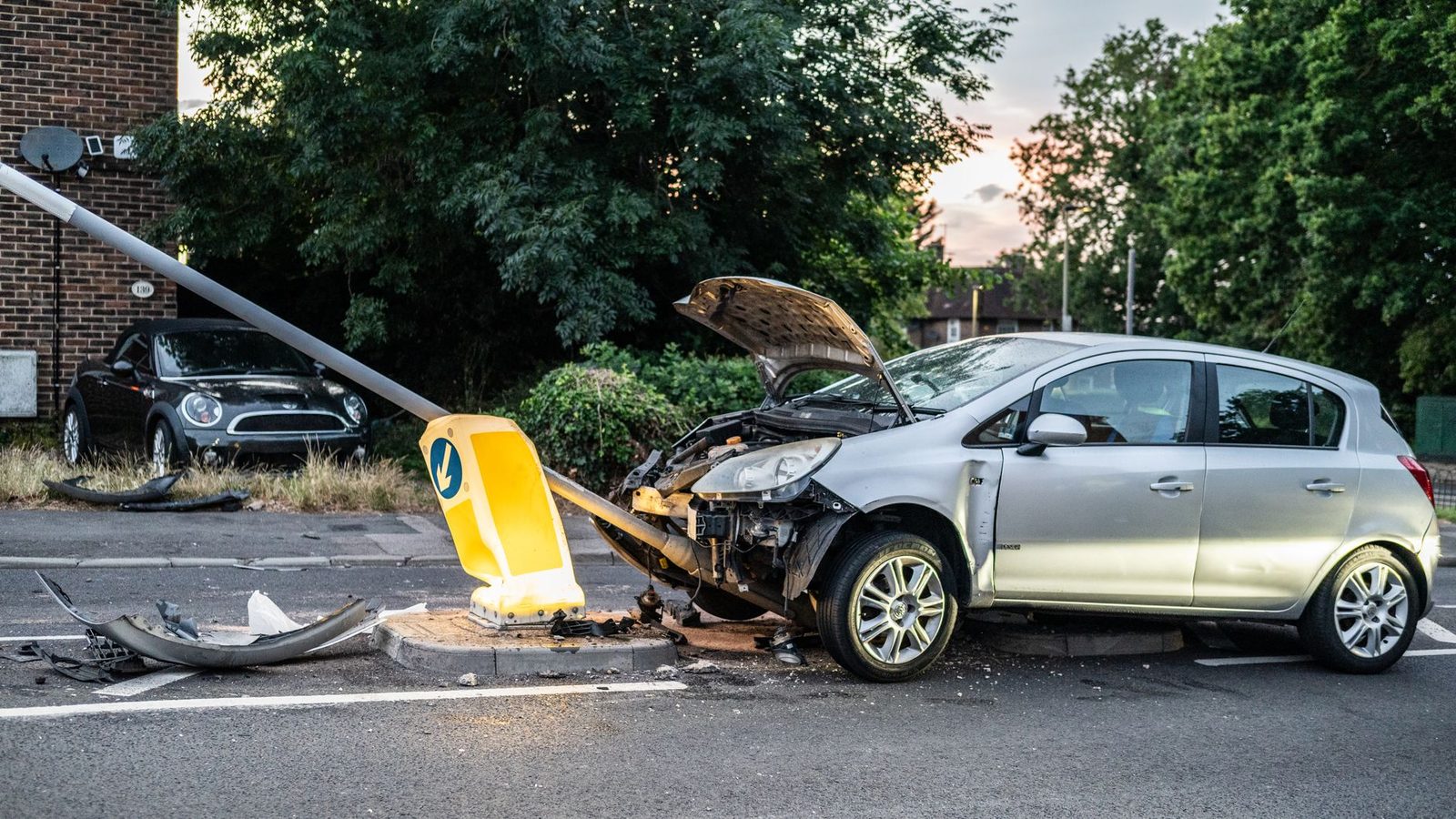
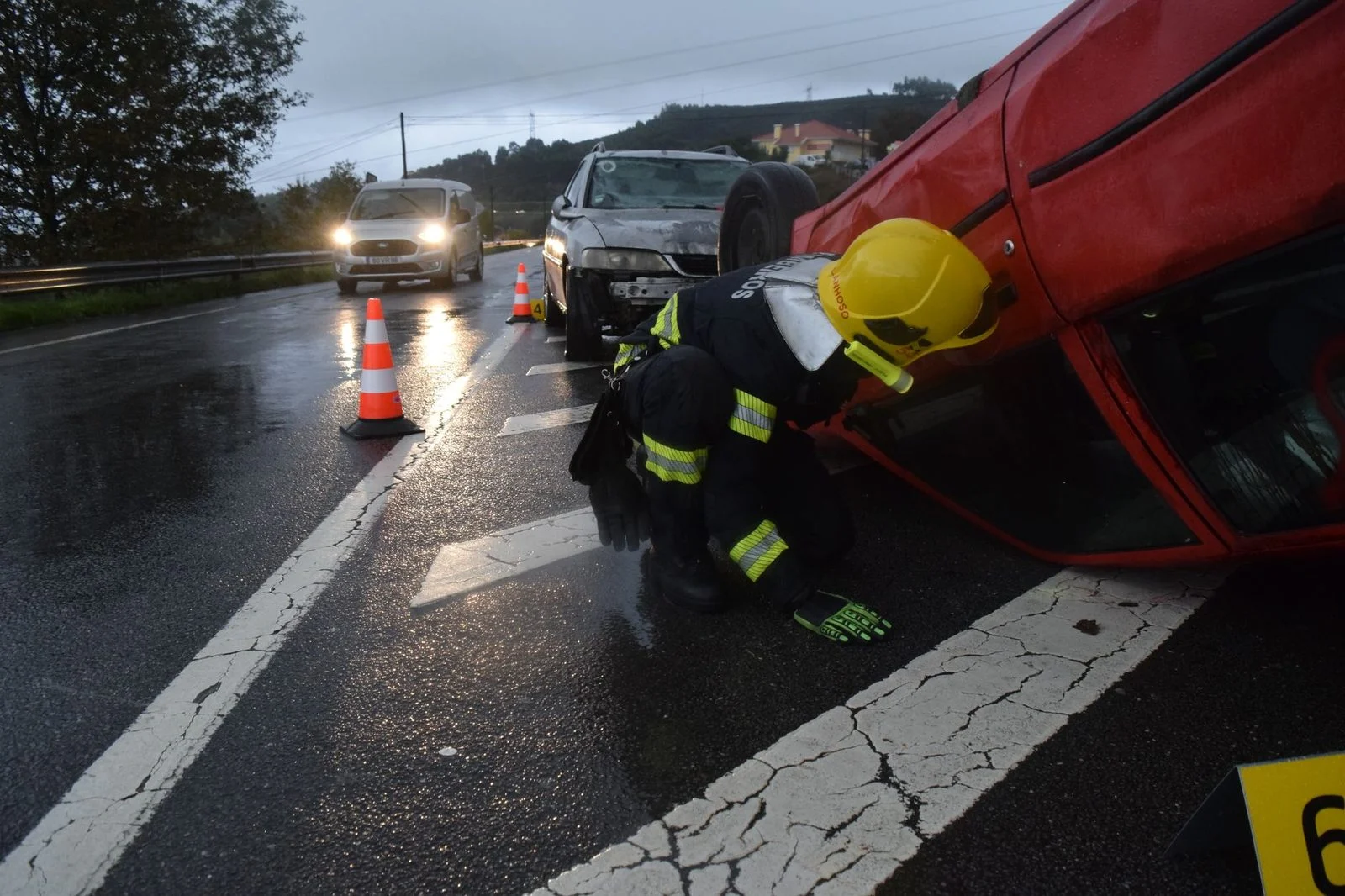
Police respond to the scene and begin their investigation right away. Officers document the crash location, vehicle positions, road conditions, and visible damage. They photograph the scene, measure skid marks, and record preliminary observations in a police report. This initial police report is the foundation for fault investigation, but it is not the final determination of fault.
Evidence collection begins immediately. Officers take statements from witnesses, inspect both vehicles, and note any traffic citations issued. If impairment is suspected, toxicology tests may be ordered. All of this information goes into the police report, which becomes a critical document for insurance companies and courts later on.
The scene investigation is temporary. Once vehicles are removed and the road reopens, evidence can be lost. This is why preserving photographs, witness contact information, and scene details in the first hours after a crash is so important.
Who Determines Fault in a Fatal Car Accident
Police officers do not officially determine fault; they investigate and report findings. This is a common misconception. Police document what they observe and what witnesses tell them, but they do not make a legal determination of liability.
Insurance companies review the police report and other evidence to assign fault for their own purposes—usually to decide which policy covers the claim and how much to pay. Their determination is not binding in a wrongful death lawsuit.
In a wrongful death claim, fault is established through civil evidence and legal standards. A judge or jury may ultimately determine fault if the case goes to trial. The at-fault driver’s negligence must be proven using the legal standard of negligence, which requires proof of four specific elements.
The Four Elements of Negligence in West Virginia Fatal Crashes
Under W. Va. Code § 55-7-5, a wrongful death claim generally requires proof that the at-fault driver’s negligence caused the death. Negligence has four parts:
Duty. The at-fault driver had a legal duty to operate their vehicle safely and follow traffic laws. Every driver has this duty.
Breach. The driver violated that duty through reckless, careless, or illegal conduct. Examples include speeding, running a red light, texting while driving, driving under the influence, or failing to maintain their vehicle.
Causation. The breach directly caused the fatal crash. The driver’s conduct must have been the reason the crash happened.
Damages. The crash resulted in death and measurable harm to the surviving family. This includes medical expenses, funeral costs, lost income, and the loss of companionship.
All four elements must be proven for a wrongful death claim to succeed.
Evidence Used to Determine Fault in Fatal Car Accidents
Fault is established through multiple types of evidence. Police reports and crash scene investigation findings are the starting point. Witness statements from people who saw the crash are often the most persuasive evidence. Vehicle damage patterns and point-of-impact analysis show where the vehicles struck each other and can indicate which driver caused the impact.
Skid marks, road debris, and scene photographs provide physical evidence of what happened. Traffic camera footage or dashcam video, if available, can show the crash directly. Cell phone records may show distraction or impairment. Toxicology results reveal whether alcohol or drugs were involved. Vehicle maintenance records and mechanical inspection can show whether a mechanical failure contributed to the crash. Traffic citations issued at the scene document traffic law violations.
In complex crashes, accident reconstruction experts analyze the physics of the collision, vehicle dynamics, and scene evidence to help determine how the crash occurred and who was at fault.
How Hard Is It to Prove Fault in a Fatal Car Accident
Difficulty varies depending on the clarity of evidence and witness accounts. Some crashes have obvious fault. A rear-end collision, a driver running a red light, or a crash caused by impaired driving often leaves little doubt about who was responsible. In these cases, fault may be easier to establish, although fault can still be divided among several responsible persons.
Complex crashes may require expert analysis. When vehicles collide at angles, when multiple vehicles are involved, or when the scene is unclear, accident reconstruction experts may be needed. They analyze skid marks, vehicle damage, road conditions, and physics to reconstruct what happened.
Multiple witnesses generally make fault easier to establish. Their independent accounts corroborate each other and create a clear picture of the crash. Lack of witnesses or unclear scene conditions can complicate proof and may require more expert testimony.
Not sure what your next step is?
Talk it through with our team — the first case review is free, confidential, and carries no obligation.
West Virginia’s Comparative Negligence Rule
West Virginia follows a modified comparative fault rule under W. Va. Code § 55-7-13c: fault does not bar recovery unless it is greater than the combined fault of all others responsible. This means even if the deceased driver was partially at fault, a wrongful death claim can still proceed. Damages are reduced by the deceased’s percentage of fault.
Here’s how it works: A jury or court assigns a percentage of fault to each party based on the evidence. If the deceased driver was found 20% at fault and the other driver 80% at fault, and total damages are $100,000, the family recovers $80,000. The recovery is reduced by the deceased’s share of fault (W. Va. Code § 55-7-13c).
This rule is important because it allows families to recover even in situations where the deceased driver made a mistake or contributed to the crash. The question is not whether the deceased was perfect—it is whether the other driver’s negligence caused the death.
How Long Does It Take to Determine Fault in a Fatal Car Accident
The timeline varies depending on the complexity of the case. Initial police investigation may take days to weeks. Officers need time to interview witnesses, inspect vehicles, and complete their report. In some cases, especially if criminal charges are being considered, the investigation may take longer.
Insurance companies may make an early assessment of fault. However, this is not final. Complex cases requiring expert analysis may take months. If accident reconstruction is needed, experts must review evidence, conduct testing, and prepare reports.
If litigation is necessary, fault determination can extend through discovery and trial preparation. How long a wrongful death claim takes to resolve depends on its complexity and whether settlement is reached before trial.
The Difference Between Criminal Fault and Civil Fault
These are two separate legal standards, and confusion about them is common.
Criminal fault requires proof “beyond a reasonable doubt” that the driver committed a crime. Examples include driving under the influence (DUI), reckless driving, or vehicular homicide. Criminal cases are brought by the state, not by the family.
Civil fault requires proof by “preponderance of the evidence”—meaning more likely than not—that negligence caused the death. This is the standard used in a wrongful death claim. A wrongful death claim is brought by and in the name of the deceased person’s personal representative.
A criminal conviction strengthens a wrongful death claim but is not required to pursue one. A driver can be civilly liable for a fatal crash without criminal charges. For example, a driver who was distracted (but not impaired) and caused a fatal crash may face civil liability without criminal prosecution. Conversely, a driver charged with a crime may be acquitted in criminal court but still found liable in a civil wrongful death case, because the evidentiary standard is lower.
What You Should Do After a Fatal Car Crash
Preserve evidence immediately. Take photographs of vehicle damage, road conditions, and the crash scene if you are able. Collect contact information from witnesses. Keep medical records, hospital documentation, and final expense receipts. Document the deceased’s income, employment, and family relationships.
Obtain the police report once it is available. You can ask the police department or sheriff’s office that responded to the crash how to request a copy.
Do not discuss fault or accept blame with insurance companies without legal guidance. Insurance adjusters are trained to minimize liability and settlement amounts. Anything you say can be used against you.
Keep records of all communications with police, insurance, and other parties. Write down dates, times, and what was said. This documentation helps your attorney later.
Consult with a wrongful death attorney who understands West Virginia law and the fault-determination process. An attorney can help you preserve evidence, communicate with insurance companies, and determine whether you have a claim. Many families wait too long, and evidence is lost or witnesses become unavailable.
Have questions about what happened?
Ask our team directly. The first conversation is free, confidential, and there is no obligation to continue.
FAQ
Does a police report determine fault in a fatal car crash?
No. Police investigate and document findings, but they do not make a legal determination of fault. Fault is established through civil evidence and legal standards in a wrongful death claim.
Can I recover damages if the deceased driver was partially at fault?
Yes. West Virginia’s comparative negligence law allows wrongful death claims to proceed even if the deceased was partially at fault (W. Va. Code § 55-7-13c). Damages are reduced by the deceased’s percentage of fault.
What is the difference between criminal and civil fault?
Criminal fault requires proof beyond a reasonable doubt and is prosecuted by the state. Civil fault generally requires proof by preponderance of the evidence, and a wrongful death claim is brought by the personal representative of the deceased. A driver can be civilly liable without criminal charges.
How long does it take to determine fault in a fatal car accident?
Initial investigation may take days to weeks. Complex cases requiring expert analysis may take months.
What evidence is most important in determining fault?
Police reports, witness statements, vehicle damage patterns, and traffic citations are foundational. In complex crashes, accident reconstruction experts provide critical analysis. Video footage, if available, can also be valuable evidence.
If your family lost someone in a fatal car crash and you’re trying to understand what comes next, you don’t have to sort it out alone. Tell Bubba what happened and let us help you understand your options.
Key Points About Fault in Fatal Crashes
Police Reports Don't Determine Fault
Police investigate and document the scene, but they do not make a legal determination of fault. Fault is established through civil evidence and legal standards in a wrongful death claim.
Comparative Negligence in West Virginia
West Virginia law allows recovery even if the deceased driver was partially at fault (W. Va. Code § 55-7-13c). What matters is whether the other party bears responsibility for the crash and resulting death.
Evidence That Establishes Fault
Fault is proven through witness statements, vehicle damage, road conditions, traffic laws, medical records, and accident reconstruction. Each piece of evidence builds the picture of what happened.
Your Family's Role in the Process
You don't have to prove fault alone. A wrongful death claim is filed on behalf of your family, and the legal process gathers and presents evidence to establish liability.
Time Matters in Wrongful Death Cases
Evidence can disappear, witnesses' memories fade, and important details are lost without prompt action. The sooner your family reaches out, the sooner we can begin protecting your claim.
How Big Bubba Helps Your Family
We Focus on Your Case
Big Bubba handles car accidents, truck crashes, and wrongful death claims across West Virginia. We focus exclusively on serious injury and fatal crash cases.
We Gather the Evidence
We obtain police reports, medical records, witness statements, and work with accident reconstruction experts to build a clear picture of fault and causation.
We Listen to Your Story
Your family's account of what happened, who your loved one was, and how this loss has affected you matters. We listen and use that understanding to advocate for fair recovery.
We Work on Contingency
No attorney fee unless we win; clients remain responsible for case costs.
Your Family Deserves Answers
Related practice areas
- Wrongful Death Claims After a Crash in West Virginia
- Wrongful Death Compensation: What Can You Recover in WV