
Wrongful Death
Wrongful Death Damages in West Virginia
When a loved one is killed in a crash, you may have the right to recover damages. Big Bubba Injury Law helps families understand what compensation may be available.
Published October 05, 2026
How Much Can I Sue for in a Wrongful Death Claim?
When someone dies because of another person’s negligence or wrongful act, West Virginia law allows a wrongful death action, brought by the deceased’s personal representative, through which surviving family members may share in any recovery and hold the responsible party accountable. The amount you may recover depends on the specific facts of your case—there is no set formula or average, and each situation is different.
Not sure what your next step is?
Talk it through with our team — the first case review is free, confidential, and carries no obligation.
Understanding wrongful death damages in West Virginia
West Virginia law recognizes two main categories of damages in a wrongful death claim: economic damages (measurable financial losses) and non-economic damages (losses that don’t have a set dollar amount).
Economic damages cover concrete, out-of-pocket costs. Non-economic damages address the intangible harm your family has suffered—the loss of a loved one’s presence, guidance, and support. Both types matter, and both can be part of your claim.
The amount you can recover also depends on factors unique to your family: the deceased’s age and earning capacity, the number of surviving family members, the strength of evidence showing negligence, and the defendant’s ability to pay. Because no two cases are identical, comparing your situation to someone else’s settlement or award won’t tell you what your claim is worth.
Economic damages in a wrongful death claim
Economic damages are the financial losses your family can document and prove. They include:
Medical expenses before death. If your loved one received emergency care, hospitalization, or treatment after the accident, those costs are recoverable. This includes ambulance services, emergency room care, surgery, and ongoing medical treatment.
Funeral and burial costs. These are direct, immediate expenses—the funeral service, casket, burial plot, and related costs.
Lost wages and earning capacity. If the deceased was working or had earning potential, you can recover the income they would have earned over their remaining work life. This is calculated based on their age, job, salary history, and expected career trajectory.
Lost benefits. Surviving family members may recover the value of benefits the deceased provided, such as health insurance, retirement contributions, and similar benefits.
Cost of services the deceased would have performed. If the deceased was a parent who provided childcare, a spouse who maintained the home, or a family member who performed other services, you can recover the cost of replacing those services.
Non-economic damages in a wrongful death claim
Non-economic damages address the emotional and relational harm your family suffers. They include:
Pain and suffering of the deceased before death. If your loved one survived the initial impact but suffered before dying, that pain and suffering is recoverable.
Loss of companionship and emotional support. Surviving family members lose the everyday presence, advice, and emotional connection they had with the deceased. This loss is real and compensable, even though there’s no receipt or invoice for it.
Loss of parental care and nurturing. When a parent dies, minor children lose guidance, supervision, and the parent’s presence during critical years. This harm extends into their future.
Loss of spousal relationship and consortium. A surviving spouse loses not only financial support but also the intimate relationship, companionship, and partnership they shared.
Mental anguish and grief of surviving family members. The emotional trauma, grief, and psychological harm to those left behind are recognized as legitimate damages.
Factors that influence the value of a wrongful death claim
Several factors shape what a claim might be worth:
- The deceased’s age and life expectancy. A younger person typically has more earning years ahead, which increases the economic damages component.
- The deceased’s earning capacity and income. Higher earners mean higher lost-wage damages; a professional with decades of career ahead represents more economic loss than a retiree.
- The strength of evidence showing negligence. Clear, documented proof that the defendant caused the death strengthens your claim.
- The degree of fault or negligence involved. Was the defendant reckless, distracted, or simply careless? The severity matters.
- Insurance coverage available. The defendant’s insurance limits affect what can actually be recovered.
- The number of surviving family members and their relationships to the deceased. More dependents or closer relationships can increase non-economic damages.
- The impact on the family’s financial security and future. How dependent was the family on the deceased’s income? Did the death create immediate financial hardship?
Have questions about what happened?
Ask our team directly. The first conversation is free, confidential, and there is no obligation to continue.
What is the average settlement in a wrongful death lawsuit?
There is no average. Settlements vary widely because every case is unique. A wrongful death claim arising from a truck accident involving a high-income earner with young children will have a very different value than one involving a retired person with no dependents. The specific circumstances—how the death occurred, the evidence available, the defendant’s resources, and your family’s losses—determine what your claim may be worth.
Is a wrongful death lawsuit worth it?
That’s a deeply personal decision. A wrongful death claim can help your family recover financial losses and hold the responsible party accountable for their negligence. Beyond money, pursuing a claim can provide answers about how and why your loved one died—information that matters to many families.
The decision depends on your family’s circumstances, your needs, and your goals. An attorney can review the facts of your situation and help you understand what may be possible in your case.
Is it hard to prove a wrongful death lawsuit?
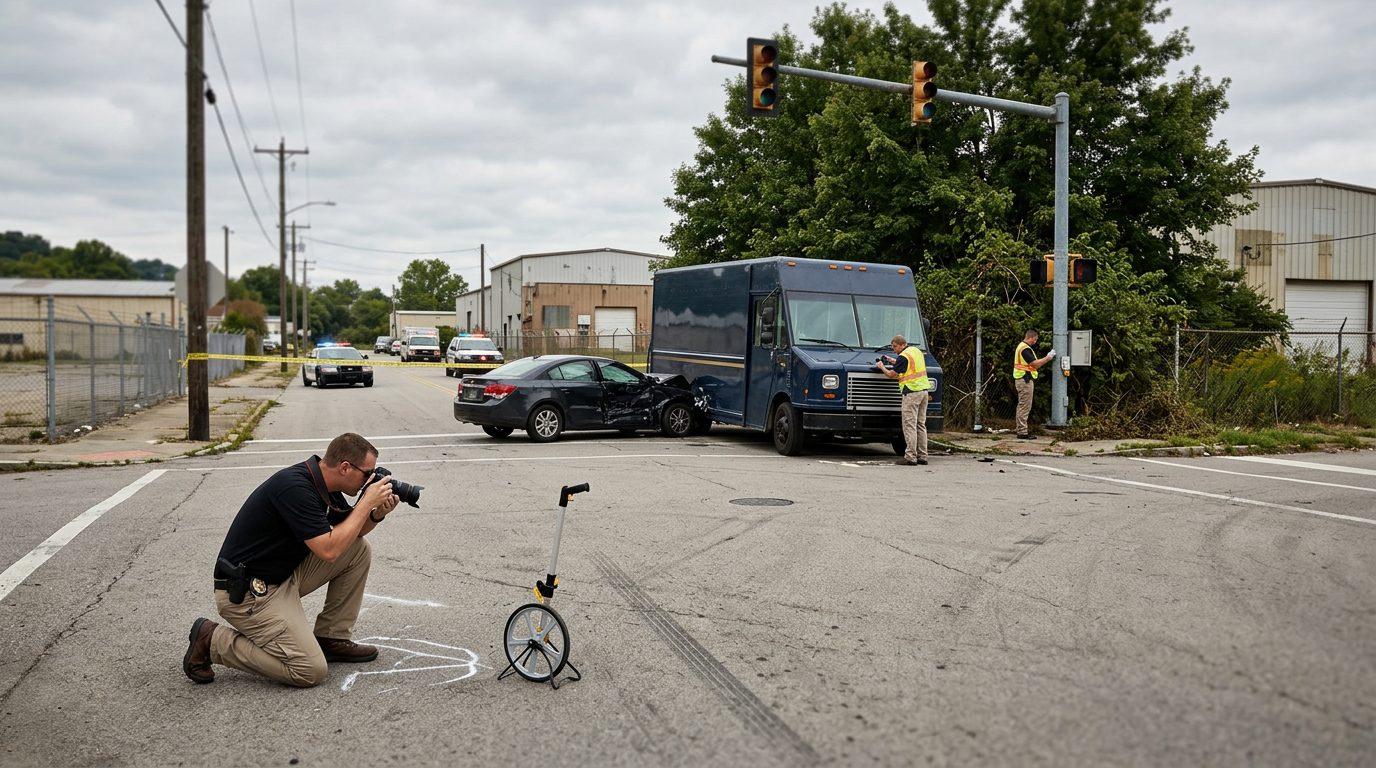
Proving a wrongful death claim requires showing that the defendant’s negligence or wrongful conduct directly caused the death. The evidence needed depends on how the death occurred. A car or truck crash involves accident reports, vehicle inspection, witness statements, and sometimes accident reconstruction. A medical error involves medical records and expert testimony. Gathering and organizing this evidence takes time and resources.
An experienced attorney can evaluate whether the evidence supports a claim and guide you through the process of collecting and presenting it.
How wrongful death claims work in West Virginia
West Virginia law generally requires a wrongful death claim to be filed within two years after the death, and exceptions may apply (W. Va. Code § 55-7-6). The claim is brought by the personal representative of the deceased’s estate—typically a spouse, adult child, or parent appointed by the court or named in a will.
The case may be resolved through settlement negotiations, mediation, or trial. Understanding your rights and the timeline is important to protect your family’s interests and ensure the claim is filed before the deadline passes.
Want to know where you stand?
Tell us what happened and our team will walk you through the options available to you, at no cost.
Frequently asked questions
Can I recover damages if the deceased was partially at fault for the accident?
West Virginia recognizes comparative fault (shared responsibility). You may still recover damages even if the deceased was partially at fault: under W. Va. Code § 55-7-13c, fault does not bar recovery unless the plaintiff’s fault is greater than the combined fault of all other persons responsible, and a recovery is reduced in proportion to the plaintiff’s degree of fault.
Who can sue for wrongful death in West Virginia?
Generally, the spouse, children, and parents of the deceased are among those who may share in a wrongful death recovery, and the claim itself is brought by the deceased’s personal representative. In some circumstances, other family members or dependents may have rights as well.
How long does a wrongful death lawsuit take?
The timeline varies. Some cases settle within months; others take years if they go to trial. An attorney can give you a better sense of the timeline based on the specific facts of your case.
If you’ve lost a family member in a crash or accident and want to understand what a wrongful death claim might mean for your family, reach out to discuss your situation.