
Wrongful Death | West Virginia
Is a West Virginia Wrongful Death Lawsuit Worth It?
Plain-language answers for families weighing a wrongful death claim after a fatal crash. Serving families across West Virginia.
Published October 19, 2026
Is a wrongful death lawsuit worth it? For many families, the answer comes down to what they need most after a sudden loss. In West Virginia, a wrongful death action is brought by the personal representative of the deceased person, and it may help a family learn how the death happened and seek the losses West Virginia law allows. This guide explains how these claims work so you can weigh that choice with clear information.
Why Families Ask Whether a Wrongful Death Lawsuit Is Worth It
Families usually ask this question soon after a crash that killed someone they love. It often comes while they are still making funeral plans and absorbing the news.
The question carries a lot of weight. Many families are also waiting on a police report, answering calls from insurance adjusters, or caring for children at home.
“Worth it” means different things to different people. For some families it means accountability. For others it means answers about what went wrong on the road, or steady support for a spouse or children. Some simply want to know their options before they decide anything.
This page explains how these claims work in West Virginia. It does not predict how any particular case would turn out. It gives you the legal rules and practical points to consider. The Insurance Institute for Highway Safety reports a statewide total of 256 motor-vehicle crash deaths in West Virginia in 2024, so many families face this decision.

If you're ready to explore your situation, you can reach out to request a free case review . Talk it through with our team — the first case review is free, confidential, and carries no obligation.
What a Wrongful Death Lawsuit Is in West Virginia
A wrongful death lawsuit is a claim brought when a person dies because someone else’s wrongful act, neglect, or default caused the death, and that act, neglect, or default would have entitled the injured person to maintain an action to recover damages had death not occurred. For the full overview, see our wrongful death guide.
West Virginia law holds the responsible party answerable even after the injured person dies. Under W. Va. Code § 55-7-5, the party who would have been liable if the injured person had lived can be sued for damages despite the death.
The claim is brought in a specific way. Under W. Va. Code § 55-7-6, the action is brought by the personal representative, the person duly appointed to handle the deceased person’s estate. The personal representative files the case, and the money recovered is distributed to the survivors the statute names, except that any amount recovered for funeral, hospital, and medical expenses is spent by the personal representative.
In crash cases, the claim usually rests on negligence. A driver can be negligent. So can a company that controls a truck or the driver who operates it. Our page on auto negligence and fault in West Virginia explains that standard in more detail.
What a Wrongful Death Claim Can Recover
A wrongful death claim can recover losses that the surviving family suffered because of the death.
The jury’s verdict shall include damages for sorrow, mental anguish, and solace, and may not be limited to the categories the statute lists. The statute says this can include society, companionship, comfort, guidance, and the advice the person gave. Under W. Va. Code § 55-7-6, a claim may also cover the reasonably expected loss of the person’s income. It can cover the services, protection, care, and assistance they provided. Reasonable funeral expenses are included, along with care and hospital treatment tied to the injury that caused the death.
The statute lets the jury or the court set the split among the surviving spouse, children (including adopted children and stepchildren), brothers, sisters, parents, and any persons financially dependent on the person or otherwise equitably entitled to share.
Knowing about this limit early helps a family understand the full picture.
How much a claim is worth varies from one death to another. No one can promise or predict an amount in advance. For more on how negligence damages are valued, read our page on negligence lawsuit damages in West Virginia.
How the Facts of a Crash Shape the Strength of a Claim
A claim usually turns on three questions: who was at fault, what the evidence shows, and whether the crash caused the death. The answer depends on the facts of each case, and no result can be promised.
Fault can be shared. West Virginia law sets each person’s share of fault as a percentage. How that percentage affects a claim depends on the facts of each case. Under W. Va. Code § 55-7-13a, in a claim for damages for personal injury, property damage or wrongful death, liability is allocated to each person whose fault was a proximate (legal) cause of the damages, including the person bringing the claim, defendants and nonparties, in direct proportion to that person’s percentage of fault.
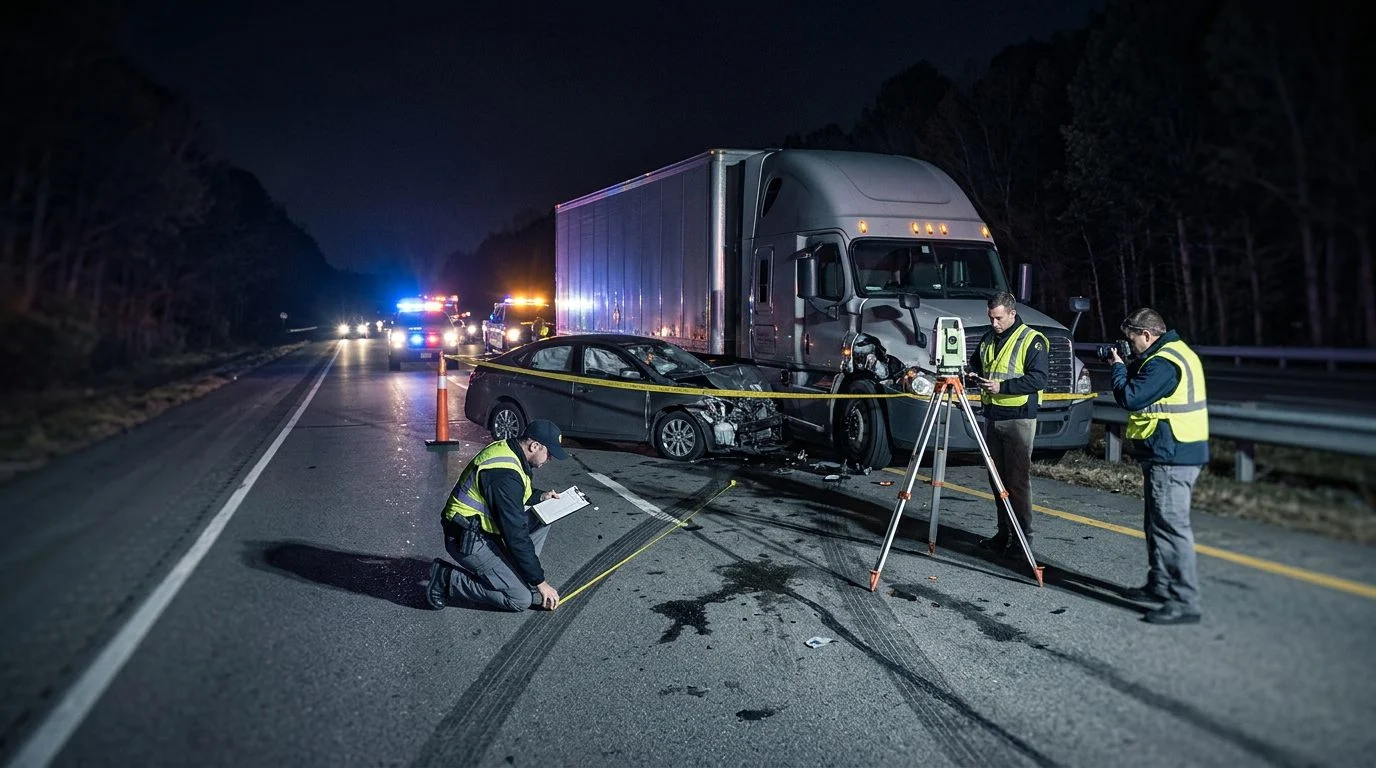
Evidence is what proves those points. Common evidence includes the crash report, vehicle data, photos, witness statements, and medical records. In truck crashes, the carrier’s own records matter too. Under the federal duty-status recordkeeping regulation, a motor carrier must keep the records of duty status and supporting documents for each of its drivers for at least 6 months from the date it receives them.
Evidence can be lost or overwritten over time. That is one reason the timing of a claim matters, as the next section explains.
Not sure what your next step is?
Talk it through with our team — the first case review is free, confidential, and carries no obligation.
How Long Wrongful Death Cases Take and Why the Deadline Matters
Most wrongful death cases move through the same general stages. These include investigation, gathering records, negotiation, and, if needed, a lawsuit in court. No timeline can be promised.
How long a case takes varies. A crash with many parties, disputed fault, or complex records often takes longer than a simpler one. Whether a case resolves through negotiation or goes to trial also changes the timing.
The filing deadline is the firmest date. Under W. Va. Code § 55-7-6, a wrongful death action generally must be commenced within two years after the death, subject to other provisions of the law, and exceptions may apply. W. Va. Code § 55-7-6 reads: “The provisions of this section shall not apply to actions brought for the death of any person occurring prior to July 1, 1988.” The statute also notes that other code provisions can affect this period. Families should keep that in mind rather than assuming the two years is the only date that matters.
Waiting can narrow options. Witnesses move, memories fade, and records can be lost. Acting early gives a family more room to decide what they want.
Weighing a Claim Beyond the Money
When families ask whether a wrongful death lawsuit is worth it, the answer is personal. Many pursue these claims for reasons that have nothing to do with money. Some want a clear account of how the death happened. Others want the responsible party held accountable under the law.
Answers can matter as much as any award. A lawsuit can bring out records, reports, and testimony that a family would not otherwise see.
A lawsuit also carries a real emotional load. It can include written questions and sworn testimony, called depositions. The family may need to talk about the crash more than once. Those steps can be hard, even when the goal is clear.
One practical step helps. Write down what matters most to your family. That might be answers, accountability, financial stability for children, or simply time to decide. Then consider which of those goals a lawsuit would serve.

Talking Through Your Family’s Situation
If you’re weighing a wrongful death lawsuit after a car or truck crash, you can talk through your options before deciding anything.
You may be a parent, spouse, or adult child making this choice for someone you loved. You may not yet know who can file, what the family can recover, or what the next step should be.
The firm handles wrongful death claims that arise from car, truck, and commercial vehicle crashes. We serve families across West Virginia, including Charleston, Huntington, and Morgantown. If you’re ready to explore your situation, you can reach out to request a free case review. The review is confidential and comes without obligation to continue.
Have questions about what happened?
Ask our team directly. The first conversation is free, confidential, and there is no obligation to continue.