
Wrongful Death | West Virginia
Wrongful Death Attorney WV: How Claims Generally Work
We serve families across West Virginia after a loved one dies in a car, truck, or commercial vehicle crash. Here is a plain-language overview of how these claims generally work.
Published October 16, 2026
A wrongful death claim is a civil claim a family may consider after a person dies because of another party’s wrongful act, neglect, or default. In West Virginia, the claim is generally brought by the personal representative, the person formally appointed to handle the deceased person’s estate. This guide explains how the process generally works. If you’re looking for a wrongful death attorney WV families can talk with, this page covers the basics first.
What a Wrongful Death Claim Is and Who It Is For
A wrongful death claim is a civil lawsuit that may be possible when a death is caused by another person’s or company’s wrongful conduct. Under W. Va. Code § 55-7-5, the party who would have been liable had the death not occurred may generally be liable in an action for damages. Whether that applies to your family depends on the facts.
A wrongful death claim is separate from a criminal case. A criminal case, if one is brought, follows its own path and rules. A civil claim asks for money damages to address losses the family suffered.
There are two related claims people sometimes hear about. The first is the wrongful death claim. The second covers injuries the person suffered before dying. West Virginia generally lets certain injury claims survive a death. W. Va. Code § 55-7-8a says causes of action for injuries to the person not resulting in death survive. Some cases involve both types of claims, and which ones apply depends on the facts.
This page is for families who lost someone in a car crash, a commercial truck or vehicle crash, or after a catastrophic brain or spinal cord injury. Many readers are researching for a parent, spouse, or adult child. If you’re grieving and handling a lot at once, you don’t need to answer every question today.

Not sure what your next step is?
Talk it through with our team — the first case review is free, confidential, and carries no obligation.
Who May Bring a Wrongful Death Claim in West Virginia
Generally, the claim is brought by the personal representative of the person who died. Under W. Va. Code § 55-7-6, the action is brought in the name of a personal representative who has been duly appointed.
Any money recovered is then divided among certain family members. The statute says the jury, or the court in a case without a jury, may direct how damages are shared. The list includes a surviving spouse and children, brothers and sisters, parents, and certain people who depended financially on the person who died.
If there are no such survivors, the statute points to the decedent’s will. If there is no will, it points to the state’s inheritance rules.
Who qualifies depends on the family structure, any will, the estate, and the facts. Exceptions may apply. Don’t assume you do or don’t qualify. Bring a simple family list, any will, and the death certificate to a free case review so the firm can describe the general options.
Types of Damages Families May Pursue
Generally, West Virginia’s wrongful death statute lists categories of damages a jury may consider. The categories depend on the facts of each case. Under W. Va. Code § 55-7-6, a verdict may include:
- Sorrow, mental anguish, and solace, which may include society, companionship, comfort, guidance, and advice from the person who died
- Reasonably expected loss of the decedent’s income, and of the services, protection, care, and assistance the decedent provided
- Expenses for care, treatment, and hospitalization tied to the injury that caused the death
- Reasonable funeral expenses
Economic losses generally need records. Bills, funeral receipts, pay records, and tax returns may matter, depending on the claim. Keep copies of everything.
This page gives no dollar figures. Generally, a complaint in these cases does not state a specific dollar amount, under W. Va. Code § 55-7-25. No one can predict what a claim is worth. That depends on the facts, the evidence, and how the law applies.
Crashes Our Team Handles That May Lead to a Wrongful Death Claim
We handle car accidents, truck accidents, commercial vehicle accidents, catastrophic injuries, traumatic brain injury, spinal cord injury, and wrongful death matters. Each type raises different questions.
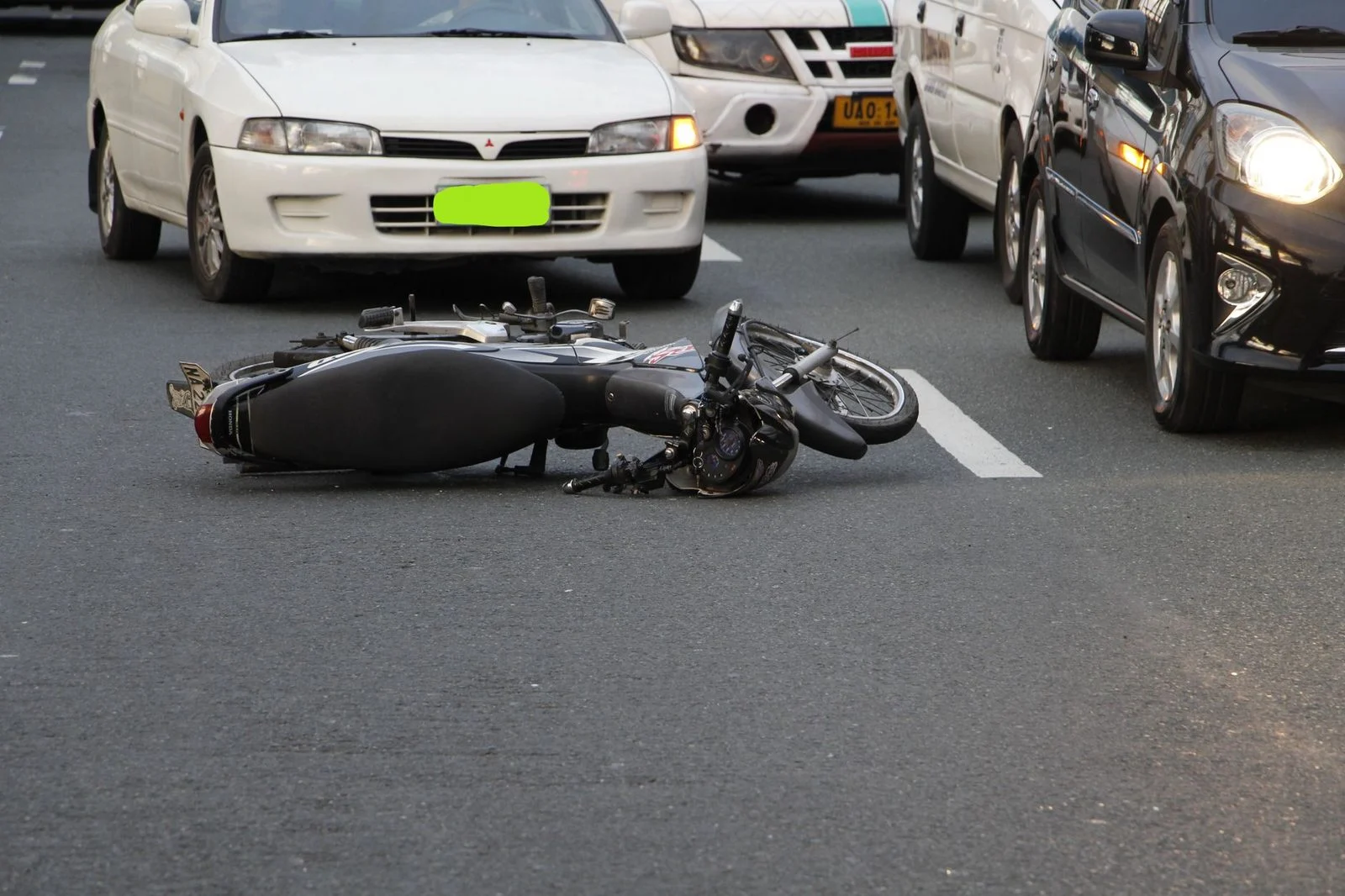
- Car accidents. A collision between passenger vehicles may lead to a claim when the facts suggest another driver’s negligence may have played a role. Impaired and distracted driving are sometimes part of the facts. The West Virginia Division of Motor Vehicles publishes statewide data on alcohol-impaired crash fatalities. That data describes the state as a whole. It does not decide fault in any one crash.
- Truck accidents. Crashes involving large trucks can involve more than one party, such as a driver, a carrier, or a company that controls the truck. W. Va. Code § 55-7-32 addresses employer defendants in certain commercial motor vehicle cases. It may limit some noneconomic damages, but generally only where required insurance is in place. It does not apply in certain listed circumstances.
- Commercial vehicle accidents. Delivery vans, work trucks, and other fleet vehicles may raise similar questions about who operated or controlled the vehicle.
- Catastrophic injuries. A death may follow a traumatic brain injury or spinal cord injury after some time has passed. Whether the crash caused the death depends on medical records and medical opinions.
Liability generally depends on the facts. At the start, no one can say for certain who is responsible.
Have questions about what happened?
Ask our team directly. The first conversation is free, confidential, and there is no obligation to continue.
How the Wrongful Death Claim Process Generally Works
Generally, the process starts with a free case review. It then moves through records, insurance questions, and, in some cases, a lawsuit. Each step depends on the facts, and timing varies.
- Free case review. You share the basic facts. The firm explains the general options. The review is confidential and carries no obligation to continue.
- Gathering records. Police reports, medical and death records, vehicle and driver information, and employment or trucking records may be relevant, depending on the facts.
- Identifying responsible parties and insurance. Potentially responsible parties and available insurance may need to be identified. West Virginia generally applies modified comparative fault. Under W. Va. Code § 55-7-13c, a plaintiff’s fault generally bars recovery only if it is greater than the combined fault of others. Otherwise, recovery is reduced in proportion. Exceptions may apply.
- Communication and negotiation. Insurers and other parties may respond in different ways. Under W. Va. Code § 55-7-7, a personal representative may generally compromise a claim before or after action is brought. The court approves and distributes the amount.
- Filing a lawsuit if needed. Some claims resolve without a lawsuit. Others need one. The path depends on the facts.
Timing for each stage is variable. This page doesn’t predict how long any stage will take.
Deadlines and Evidence Families Should Know About
Generally, a West Virginia wrongful death action must be started within two years after the death. Under W. Va. Code § 55-7-6, that period is subject to other provisions the statute cross-references. Exceptions may apply. Missing a deadline may affect the ability to file. The exact date depends on the facts, so review your situation promptly rather than assuming a date.
Evidence that may be potentially relevant, depending on the facts, includes:
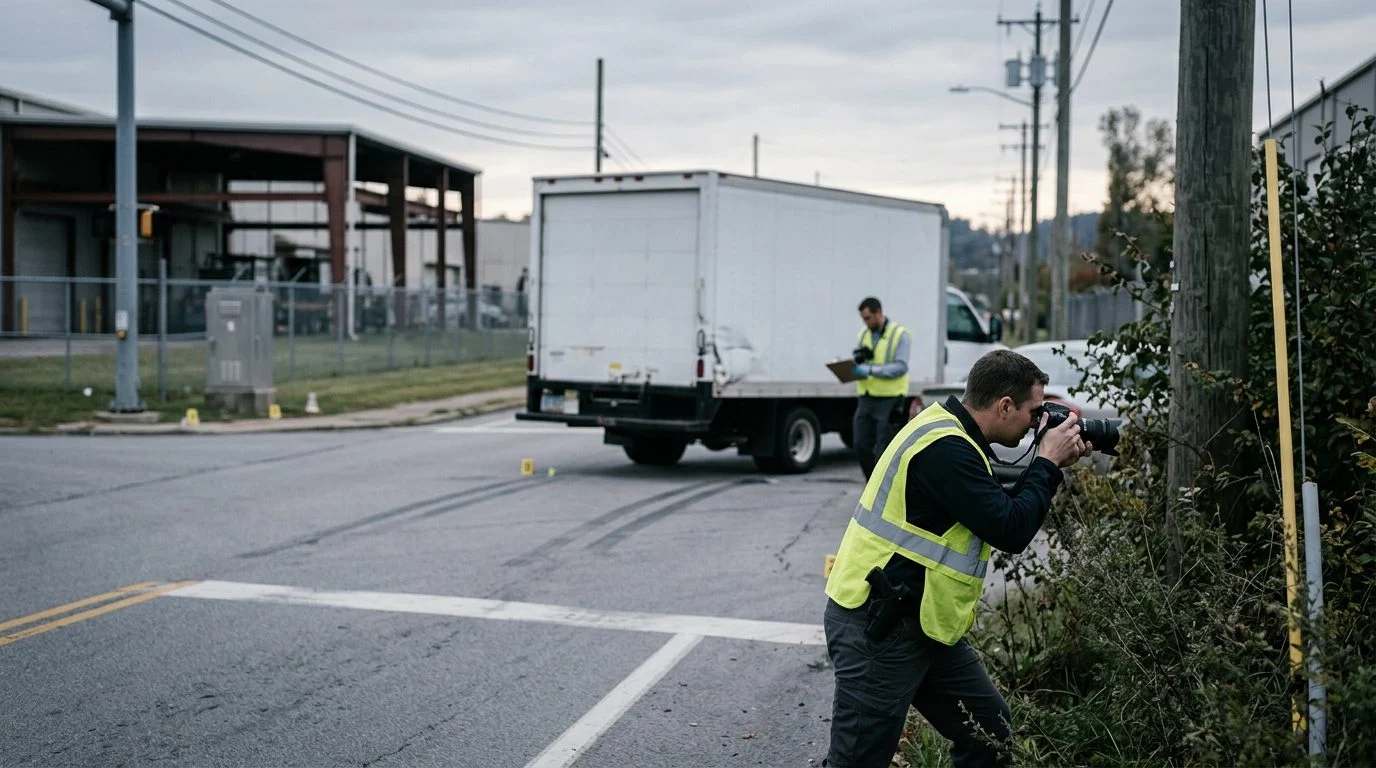
- Photographs of the scene and vehicles
- Dashcam or traffic camera footage
- Names and contact details of witnesses
- Vehicle data and maintenance records
- Medical, EMS, and hospital records
- Driver logs and inspection records, where a commercial vehicle is involved
Keep copies of texts, emails, bills, and letters in one place. Generally, it’s wise to speak with a lawyer before giving a recorded statement or signing papers from an insurer. This is general guidance, and exceptions may apply.
What Our Firm Does for Injured People and Families
The firm represents people and families in car, truck, commercial vehicle, catastrophic injury, traumatic brain injury, spinal cord injury, and wrongful death matters. We serve injury victims and families throughout West Virginia, including Charleston, Huntington, Morgantown, Wheeling, Martinsburg, Parkersburg, Beckley, Clarksburg, Fairmont, and Weirton.
Our support staff help families gather and organize records. The lawyer makes legal decisions and explains the options that fit the facts.
We cannot promise any outcome. We can explain the process and represent you on the legal options that apply to your situation.
Want to know where you stand?
Tell us what happened and our team will walk you through the options available to you, at no cost.
Questions Families Often Ask About Wrongful Death Claims
Below are short answers to common questions. Each answer depends on the facts of a particular situation.
What are the odds of winning a wrongful death case?
No lawyer can promise a result. Outcomes depend on the facts, the evidence, and how the law applies to them.
What is the West Virginia wrongful death statute?
Which West Virginia laws may apply depends on the facts of each case. It covers who may bring the claim, the damages categories, and a two-year period from death. Exceptions may apply.
How much do wrongful death lawyers charge?
Fee terms vary. Fee information for this firm appears in the closing section of this page.
Do I need a wrongful death attorney WV before talking to an insurer?
Generally, it’s wise to speak with a lawyer first. A lawyer can explain how the general process may apply to your facts. Exceptions may apply.
What should I tell my lawyer?
Be honest and complete. Your lawyer needs accurate facts to explain the options, including facts that may seem unhelpful.
Can a family file a claim after a truck crash?
Generally, a claim may be possible depending on the facts. That includes who operated the truck and who employed or controlled it.
Related practice areas
- Wrongful Death Claims After a Crash in West Virginia
- Wrongful Death Claims for West Virginia Families | Serving Charleston