
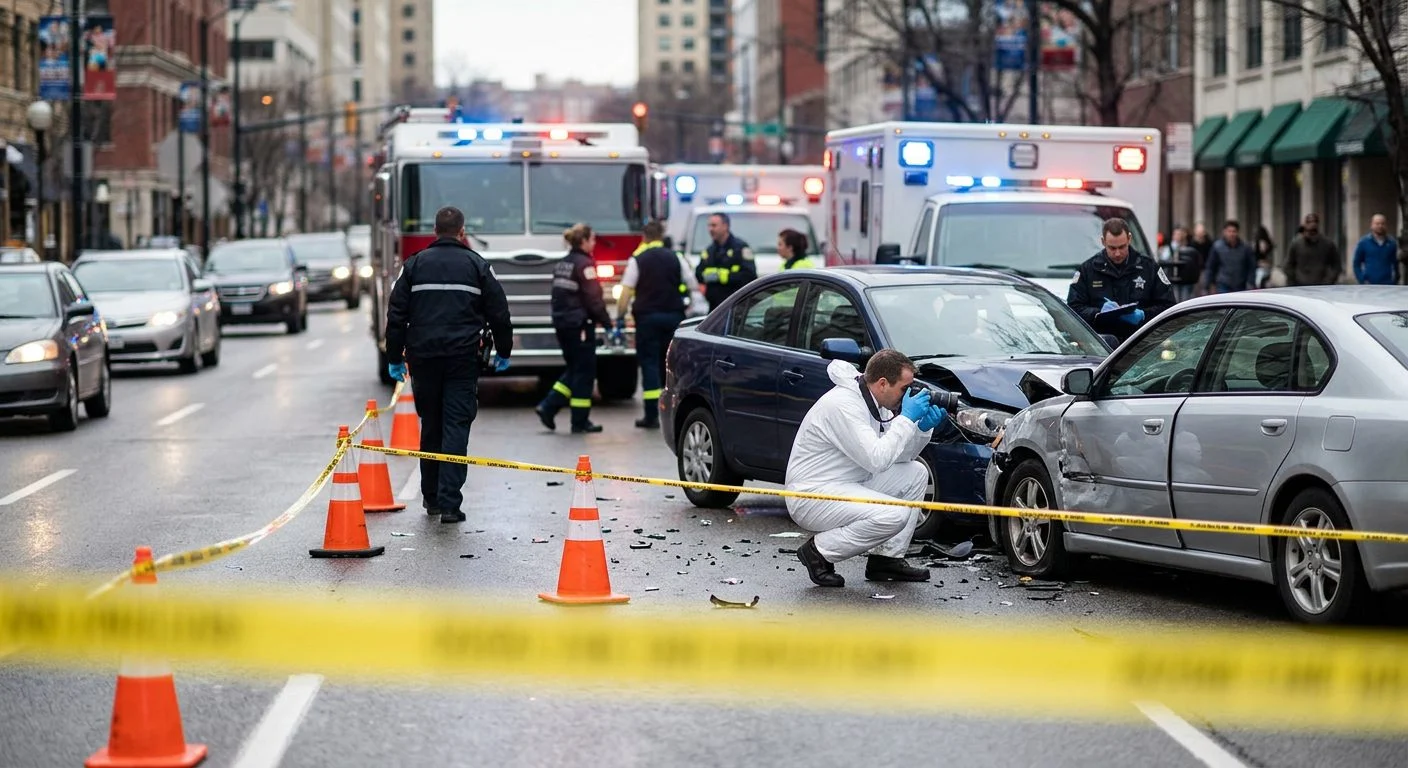
Car Accident Guide
What Is a Serious Car Accident?
Understand when a crash becomes a legal matter—and what to do next.
Published October 02, 2026
What Is Considered a Serious Car Accident?
A serious car accident is one that causes injury requiring medical treatment, significant vehicle damage, or both. A serious accident goes beyond cosmetic harm—it typically involves bodily injury, structural damage, or circumstances that put lives at risk. West Virginia sets no ‘serious accident’ threshold for bringing a claim; to recover, you must prove that the other party owed you a legal duty and that by breaching it they caused your injuries (Strahin v. Cleavenger).
If you're navigating the aftermath of a collision and aren't sure whether what happened qualifies as serious or whether you have a claim, you're not alone. Talk it through with our team — the first case review is free, confidential, and carries no obligation.
How is a serious car accident defined?
A serious car accident involves injury, major property damage, or both—measured by medical impact and financial loss, not just how the vehicles look afterward. Legal definitions vary depending on context: insurance companies, law enforcement, and courts each apply different standards. What matters most is whether the accident caused harm that requires treatment, recovery time, or ongoing care.
In practical terms, what makes a crash serious is the harm it causes. The severity of an accident is determined by the nature of injuries sustained and the extent of vehicle damage. A crash that causes a broken bone, head trauma, or spinal cord damage is serious. So is one that totals a vehicle or causes structural frame damage. The key is that something significant happened—not just a minor bump.
What qualifies as a serious car accident?
Several circumstances mark an accident as serious:
Injury requiring medical care. Any collision that sends someone to the emergency room, requires hospitalization, or leads to ongoing medical treatment qualifies as serious. This includes fractures, head injuries, spinal cord damage, internal injuries, or injuries that take weeks or months to heal.
High-speed or high-impact collisions. Accidents at highway speeds or involving multiple vehicles typically cause more severe injuries and damage than low-speed fender benders.
Commercial truck or large vehicle involvement. Crashes involving semi-trucks, delivery vehicles, or other commercial vehicles often cause catastrophic injuries because of the size and weight difference. Federal Motor Carrier Safety Regulations govern how long commercial drivers can work, and violations can contribute to serious accidents.
Permanent disability or long-term recovery. Accidents that result in chronic pain, mobility loss, cognitive changes, or permanent loss of function are serious by definition.
Vehicle totaled or structurally damaged. When insurance declares a vehicle a total loss or the frame is crushed, the collision was severe enough to warrant serious investigation.
Serious injury vs. minor injury in car accidents
The difference between a minor and serious injury shapes both your medical path and your legal claim.
Minor injuries include cuts, bruises, minor sprains, and soft-tissue damage that resolves within a few weeks. These may not require hospitalization or long-term treatment.
Serious injuries include fractures, traumatic brain injury, spinal cord injury, organ damage, amputation, or any injury causing permanent loss of function. Serious injuries often require emergency care, surgery, hospitalization, or months of rehabilitation. Recovery may take years, and long-term effects like chronic pain or cognitive changes are common.
Even low-speed collisions can cause hidden injuries—whiplash, concussion, or internal bleeding—that appear days or weeks after the crash. This is why immediate medical evaluation is critical, even if you feel fine at the scene.
What is considered a fender bender vs. serious accident?
A fender bender is a low-speed collision with minor cosmetic or bumper damage and no injuries. These are often resolved through insurance without legal involvement.
A serious accident involves higher-speed impact, structural damage, or any injury requiring medical attention. Serious accidents warrant police investigation, thorough documentation, and legal review to protect your rights and ensure you understand what damages you may recover.
The distinction matters because fender benders rarely support a legal claim, while serious accidents often do. However, don’t assume low speed means low injury risk. Many people walk away from a low-speed collision feeling fine, only to experience neck pain, headaches, or other symptoms days later.
Major damage to a car: what counts?
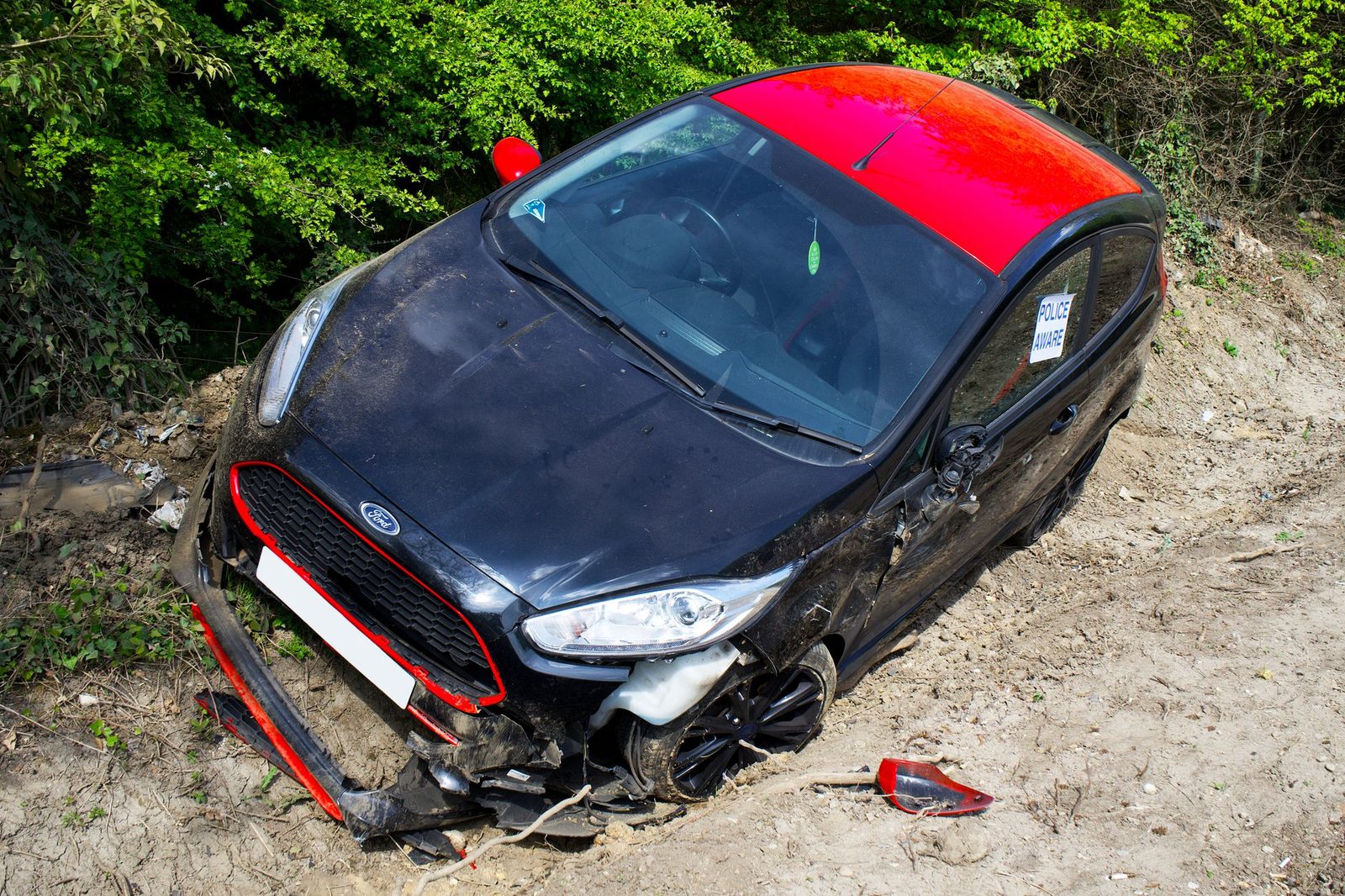
Vehicle damage that indicates a serious accident includes:
- Structural frame damage affecting the car’s skeleton
- Deployed safety systems (airbags fired, crumple zones crushed)
- Total loss declaration by your insurance company
- Damage requiring weeks or months of repair
- Multiple areas of impact across the vehicle
- Damage affecting safety systems like brakes, steering, or suspension
When a vehicle sustains this level of damage, the collision was forceful enough to cause serious injury, even if you don’t feel hurt immediately.
If you are trying to understand your rights while managing injury, vehicle damage, or both, you can reach out to discuss your case. Talk it through with our team — the first case review is free, confidential, and carries no obligation.
When should you report a serious car accident?
Report to law enforcement if anyone is injured or there is significant damage. Document the scene with photos of vehicle damage, road conditions, and the other vehicle’s license plate. Get witness contact information and the police report number.
Notify your insurance company promptly. Seek medical attention immediately, even if you feel fine—some injuries appear later. Keep records of all medical visits, treatment, and expenses. Preserve all communications with other drivers, witnesses, and insurers. These steps protect your claim and create the evidence you’ll need if you pursue legal action.
Do you have a claim after a serious car accident?
Serious accidents with injury or major damage often support a claim for damages. Damages may include medical expenses, lost wages, vehicle repair or replacement, and compensation for pain and suffering. A claim requires showing that another driver’s negligence caused the accident.
Your insurance may cover some losses, but it may not fully compensate for serious injury or long-term effects. Legal review helps determine whether your situation warrants a claim and what recovery may be possible.
Serious accidents involving commercial trucks
Truck accidents often cause more severe injuries and damage because of the vehicle’s size and weight. Commercial vehicle accidents may involve additional parties beyond the driver—the trucking company, maintenance provider, cargo shipper, or broker. Trucking companies and their insurers have different obligations than individual drivers.
Serious truck accident claims may involve federal safety regulations, industry standards, and complex liability questions. These cases require careful investigation and legal knowledge to identify all responsible parties and hold them accountable.
Next steps if you’ve been in a serious car accident
- Seek immediate medical care, even for injuries that seem minor.
- Report the accident to police and your insurance company.
- Document everything: photos, medical records, repair estimates, lost wages, and communications.
- Avoid signing releases or giving recorded statements without legal review.
- Contact a lawyer if you have serious injuries, significant damage, or questions about your rights.

Not sure what your next step is?
Talk it through with our team — the first case review is free, confidential, and carries no obligation.
Frequently Asked Questions
What qualifies as a serious car accident?
Any collision resulting in injury requiring medical treatment, significant vehicle damage, or both qualifies as serious. This includes fractures, head trauma, spinal cord injury, hospitalization, or a vehicle declared a total loss.
Can a low-speed accident cause serious injury?
Yes. Hidden injuries like concussion, whiplash, or internal bleeding can appear days after a low-speed collision. Medical evaluation is always important after any accident.
Should I report every car accident to police?
Report to police if anyone is injured or there is significant damage. Even minor accidents should be documented with photos and witness information.
What damages can I recover from a serious car accident?
If another party’s negligence caused your injuries, damages may include medical expenses, lost wages, vehicle repair or replacement, and compensation for pain and suffering.
How do I know if I have a valid claim?
A valid claim requires showing that another driver was negligent and their negligence caused your injury or damage. Legal review of the accident circumstances, evidence, and your injuries helps determine whether you have a claim worth pursuing.
If you’re navigating the aftermath of a collision and aren’t sure whether what happened qualifies as serious or whether you have a claim, you’re not alone. If you are trying to understand your rights while managing injury, vehicle damage, or both, you can reach out to discuss your case. We’re here to listen to what happened and help you understand your options with no pressure or obligation.
Contact us today for a free case review.
Signs Your Accident Is Serious
Any Injury Requiring Medical Care
Fractures, head trauma, spinal cord injury, or any condition that sends you to a doctor or hospital counts. Even injuries that show up days later—like concussion or whiplash—matter.
Significant Vehicle Damage
If your vehicle is declared a total loss, or damage is extensive enough to affect safety or function, the accident crosses into serious territory.
Loss of Income or Ability to Work
When injuries keep you from your job or daily activities, the impact extends beyond the crash itself.
Multiple Vehicles or Parties Involved
Collisions involving commercial trucks, multiple cars, or complex liability often require legal guidance to sort out responsibility.
Low-Speed Crashes Can Still Be Serious
A fender-bender at low speed can cause hidden injuries like concussion, soft-tissue damage, or spinal strain that emerge hours or days later. Don't assume you're unharmed just because the impact seemed minor.
What to Do After a Serious Car Accident
Get Medical Attention
Seek care immediately, even if you feel fine. Document all injuries and treatment. Medical records are crucial if your case moves forward.
Gather Information at the Scene
Collect names, phone numbers, and insurance details from other drivers. Take photos of vehicle damage, the accident scene, and road conditions if it's safe to do so.
Report the Accident
File a police report and notify your insurance company. Keep copies of all reports and correspondence.
Talk to a Lawyer
Before settling with an insurance company, discuss your case with an attorney who handles car accidents. You may have more options than you realize.
Why Big Bubba Handles Serious Car Accidents
Focus on Serious Injury Cases
We focus exclusively on car accidents, truck accidents, and catastrophic injuries—not routine fender-benders. Your case gets the attention it deserves.
We Handle the Legal Work
From gathering evidence to negotiating with insurers, we manage the paperwork and legal process so you can focus on recovery.
No Fees Unless There Is a Recovery
We work on contingency. You pay no attorney fees unless your case results in a recovery. You are responsible for court costs and case expenses.
We Listen to Your Story
We take time to understand what happened to you and how the accident has affected your life. Your experience matters.