
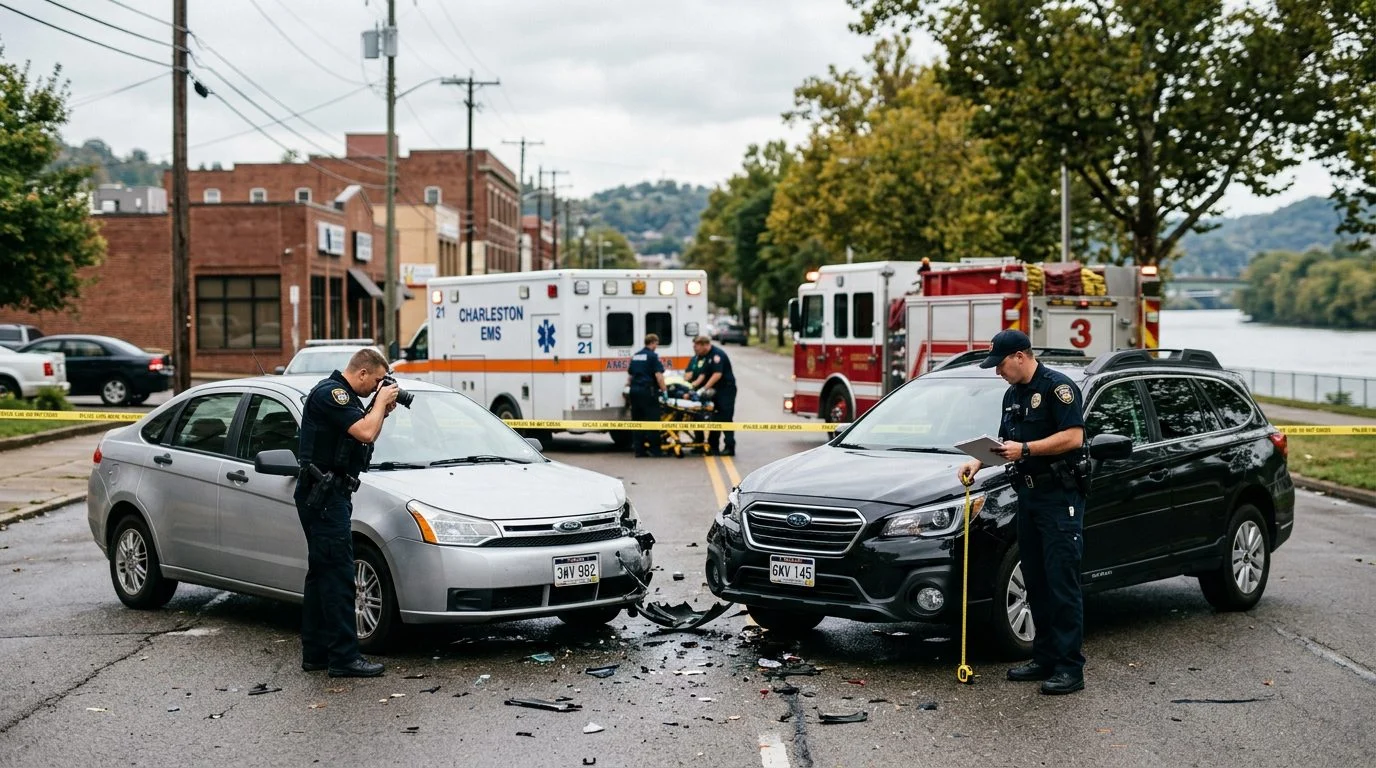
West Virginia Car and Truck Crash Claims
Wondering How Long a West Virginia Crash Lawsuit Takes?
Every claim moves at its own pace. Here is what shapes the timeline and how to plan while you recover.
Published November 16, 2026
You were hurt in a crash, and now you want to know how long a lawsuit could take. That is a fair question, and it is often the first one people ask. If a West Virginia car or truck crash has left you wondering what comes next, most claims move through the same general stages, but no single timeline fits every case.
How long does a West Virginia car or commercial truck crash injury case typically take from filing to settlement or trial verdict?
Most of these cases move through the same general stages, but the total length varies widely from one claim to another. Many cases settle before a trial. Some go on to a verdict from a judge or jury.
The path a case takes depends on its facts, the injuries involved, and the court’s calendar. The sections below walk through each stage in plain terms. Think of them as a map of what usually comes next, not a schedule. Your own timing will depend on your facts.
Two points matter from the start. The filing deadline is a legal limit that can end a claim if it passes. Early steps, such as reporting the crash and keeping records, can shape what a lawyer has to work with later.
Not sure what your next step is?
Talk it through with Big Bubba — the first case review is free, confidential, and carries no obligation.
What is the filing deadline for a West Virginia car accident lawsuit?
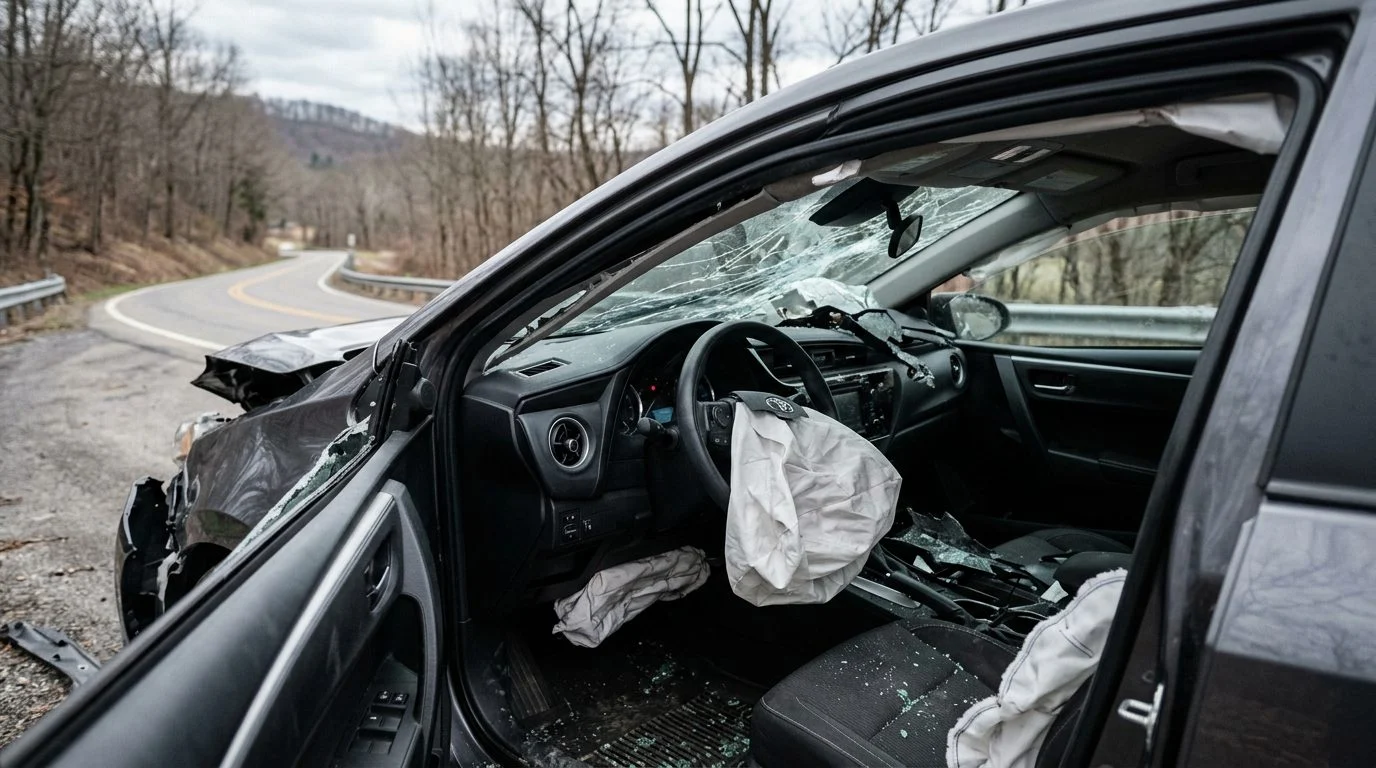
West Virginia generally allows two years to file a personal injury lawsuit, and exceptions may apply. That rule comes from the state’s general limitation statute, W. Va. Code § 55-2-12. It covers personal injury claims that no other law sets a different limit for.
The two-year period generally runs from when the right to bring the claim accrued (W. Va. Code § 55-2-12). In many crash cases, that is the date of the crash. The exact start date can still be a point of dispute in some claims, so the crash date is the first date to write down.
Wrongful death claims follow a different count. Under W. Va. Code § 55-7-6, a wrongful death action must generally be commenced within two years after the death. W. Va. Code § 55-7-6 reads: “The provisions of this section shall not apply to actions brought for the death of any person occurring prior to July 1, 1988.” It is brought by the decedent’s personal representative. Exceptions may apply, so families should not assume the dates match.
How late is too late to sue after a crash in West Virginia?
Lateness is measured against the filing deadline, not against how long ago the crash happened. A claim filed inside the deadline is generally timely. A claim filed after it may be barred, though exceptions may apply.
Because the clock depends on a legal start date, a few details matter. If an injury was not obvious at first, or the at-fault party was unclear, the start date can be disputed. Courts can treat timing differently depending on the facts.
If an injured person dies while a lawsuit is pending, the action may be revived by the personal representative, as described in W. Va. Code § 55-7-8a.
Write down the crash date, the date symptoms began, and any date tied to a death. These dates help frame the timing question. They are also easy to lose during a long recovery.
What are the main stages of a car accident lawsuit in West Virginia?
A car accident lawsuit usually moves from investigation to a written demand, then to a filing, discovery, and settlement talks. Only some cases reach a trial.
- Pre-suit investigation. This means gathering the crash report, medical records, photos, witness details, and insurance information. Under W. Va. Code § 17C-4-7, for a motor vehicle crash on public roads resulting in bodily injury to, or death of, any person or total property damage to an apparent extent of $1,000 or more, the investigating officer must prepare a report within 24 hours after completing the investigation.
- Claim presentation. A written demand goes to the at-fault driver’s insurer. This may lead to negotiation before any lawsuit is filed.
- Filing and service. The complaint is filed with the court, and the defendant is formally notified.
- Discovery. Each side exchanges written questions, documents, and sworn testimony. This stage is often the longest.
- Mediation or settlement talks. Many cases resolve at this point. Nothing about a settlement is promised.
- Trial and verdict. Only some cases reach trial. The court calendar can add time before a judge or jury decides.
Do commercial truck accident lawsuits follow a different timeline in West Virginia?
Truck cases usually follow the same stages, but they can take more steps. More parties and more records are often involved.
A truck crash claim may involve the driver, the company that employs the driver, the company that owns the truck, and sometimes others. Each may have its own insurer and its own defense. That can add time to the demand and to discovery.
Federal rules add another layer. The Federal Motor Carrier Safety Administration explains when drug and alcohol testing is required after a crash. Under 49 C.F.R. § 382.303, an employer must generally test for alcohol as soon as practicable after certain truck crashes. If a test is not given within two hours, the employer must keep a record of the reason. Those records may be relevant, depending on the facts.
Some trucking companies may dispute a claim. That can lengthen negotiations or discovery.
What can make a West Virginia injury lawsuit take longer?
Several factors can add time to a claim. Ongoing medical care, disputed fault, multiple insurers, and court schedules are common examples.
Medical treatment can continue for a long period. A case often cannot be fully evaluated until treating providers have documented the injuries. This can add time.
Fault can also be contested. Under W. Va. Code § 55-7-13c, a plaintiff’s fault does not bar recovery unless it is greater than the combined fault of all others responsible. If it is less, recovery is reduced in proportion to the plaintiff’s fault. Sorting out fault can take more investigation, and some insurers may dispute a claim.
When several defendants or insurance policies are involved, each may need its own negotiation or filing. Court schedules, depositions, mediators, and trial dates all affect the calendar.
Serious brain and spinal cord injuries can be harder to understand early. Traumatic brain injury and spinal cord injury may need a longer period of treatment before the medical picture is clear. This may affect timing, depending on the facts.
Not sure what your next step is?
Talk it through with Big Bubba — the first case review is free, confidential, and carries no obligation.
What steps should a person take early to keep a car accident claim on track?
Get medical care promptly and follow the treatment plan. Records made at the time of care can matter a great deal to a claim.
Report the crash. Under W. Va. Code § 17C-4-6, a driver in a crash causing injury, death, or total property damage of $1,000 or more must immediately notify the local police. Outside a city, the driver notifies the county sheriff or the nearest State Police office. Keep the crash report number.
Keep a written log of symptoms, missed work, and out-of-pocket costs. This record can support a claim if one is pursued.
Be careful with recorded statements to an insurer. Some insurers may dispute a claim, and early statements can become part of that debate.
Know the early settlement window. Under W. Va. Code § 55-7-11a, for twenty days after a personal injury, a person generally may not negotiate or attempt to negotiate a settlement, obtain or attempt to obtain a release, or obtain or attempt to obtain a written or oral statement for settlement use from an injured person who is a hospital inpatient or partially or totally unable to do their usual trade, profession or occupation.
Track every key date, including the crash date and any date tied to the injury. Those dates help anyone checking the filing deadline.
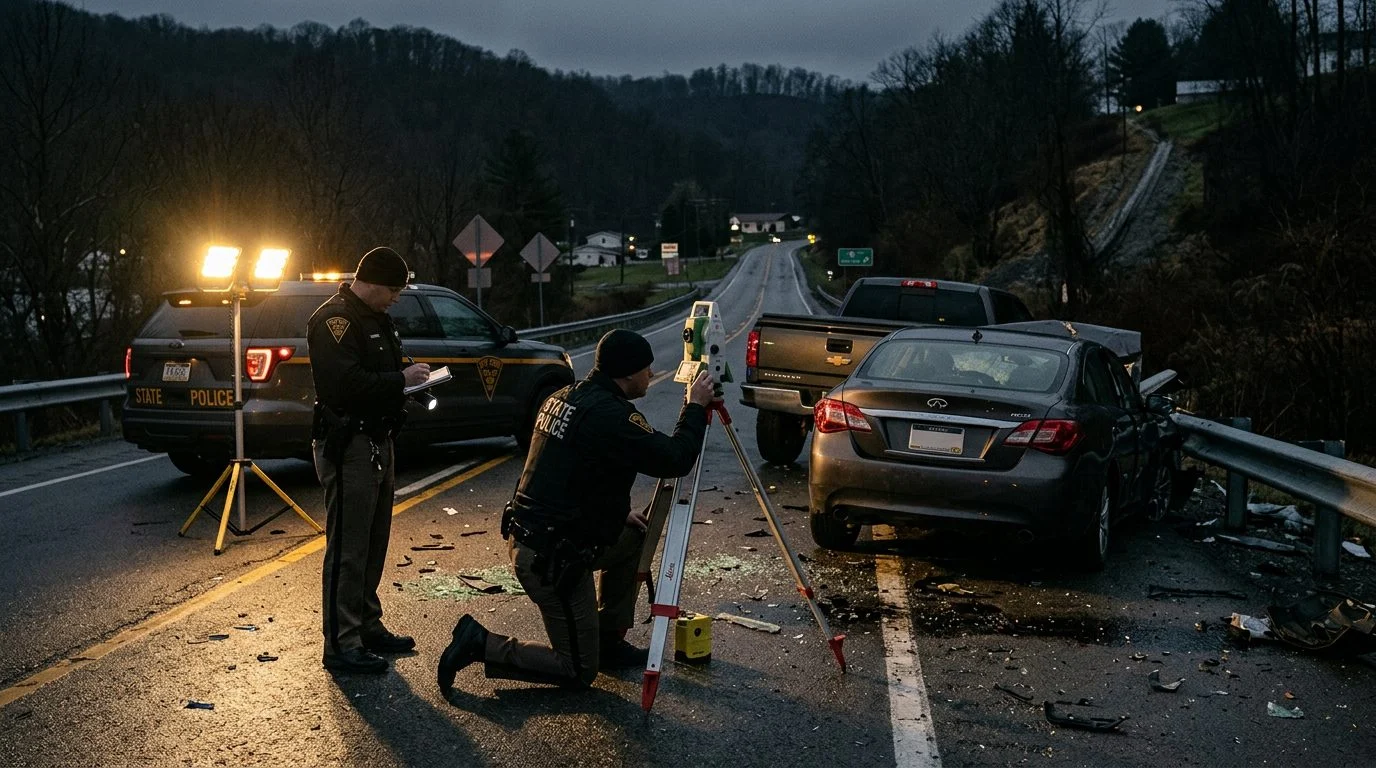
Talk with the firm about where your case stands
If you are waiting on an insurance reply, managing medical appointments, or deciding whether a lawsuit is needed after a crash you did not choose, you do not have to sort it out alone. We handle car accident, commercial truck, catastrophic injury, and wrongful death claims, and we serve West Virginia injury victims. To talk through where your situation stands, request a free case review. The review is confidential and carries no obligation to continue.