
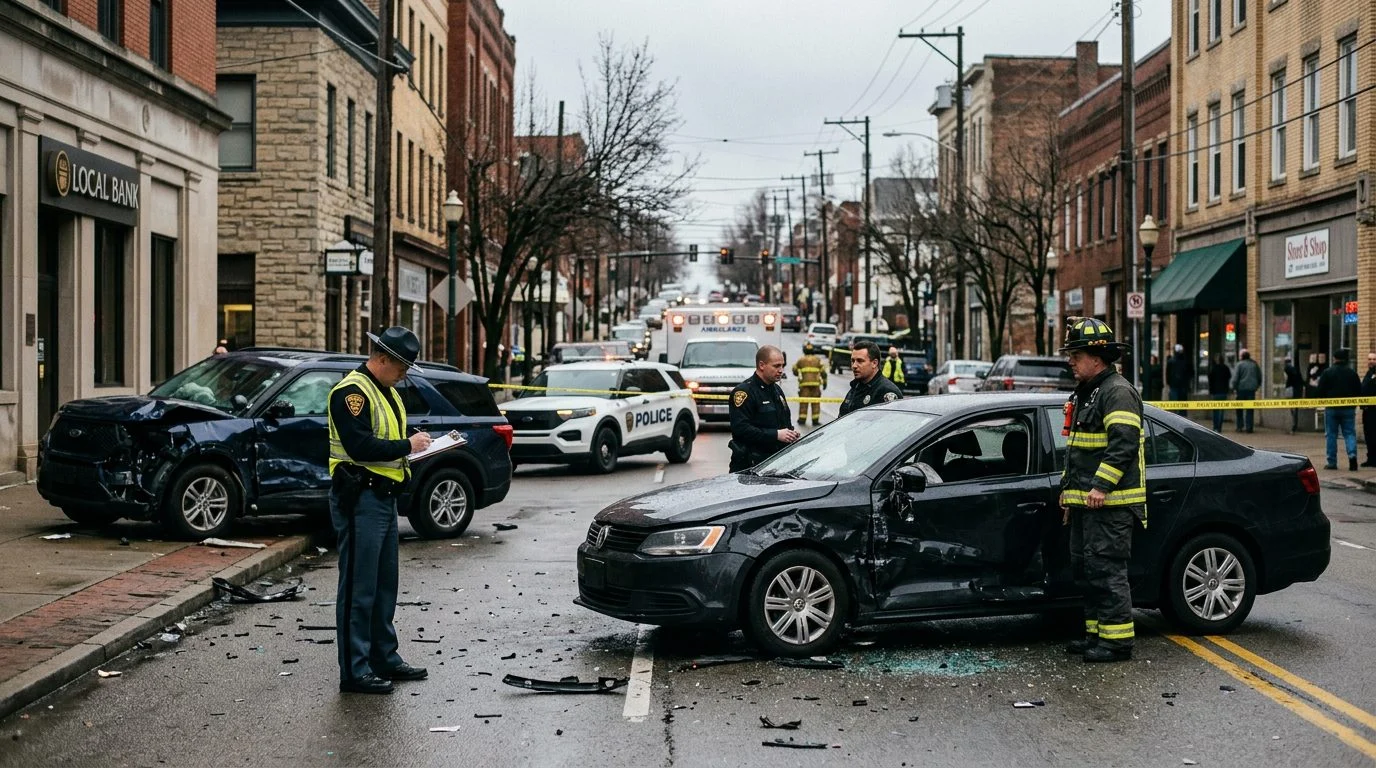
Losing a Child in a Car Crash? The Firm Is Here to Help West Virginia Families
We handle wrongful death claims for families whose child was killed in a car, truck, or commercial vehicle crash. We serve families across West Virginia, including Charleston, Huntington, Morgantown, Wheeling, Martinsburg, Parkersburg, Beckley, Clarksburg, Fairmont, and Weirton.
Published November 6, 2026
If a child died in a car, truck, or commercial vehicle crash in West Virginia, a wrongful death claim may give the family a way to seek damages through the courts. This page explains how that claim works, what it may cover, and what may come next. Families searching for a child killed in car crash lawyer West Virginia information often have many questions at once. You do not have to answer all of them today.
What this page covers and who it is for
This page explains wrongful death claims for a child killed in a car, truck, or commercial vehicle crash in West Virginia. It is written for parents, guardians, grandparents, and other close relatives. Many readers are planning a funeral, speaking with police, or answering calls from an insurance company all at once. That is a heavy load to carry.
If you are reading this for someone else, you are not alone in that role. Many people research these questions for a parent, spouse, or relative who cannot yet do it themselves.
Each crash turns on its own facts. Where this page states a law, it links to the official text so you can see the exact wording.
If your child died in a crash and you are still sorting out what comes next, you do not have to face it alone. Our team can talk through your situation in a free case review. Talk it through with Big Bubba — the first case review is free, confidential, and carries no obligation.

What a wrongful death claim is in West Virginia
A wrongful death claim is a lawsuit brought after a death caused by another party’s wrongful act, neglect, or default. West Virginia law says the claim is brought by the decedent’s personal representative, the person formally appointed to handle the child’s estate. The statute then directs how any money recovered is shared among surviving family members. The rules are set out in W. Va. Code § 55-7-6.
The same statute says a wrongful death action must be commenced within two years after the death (W. Va. Code § 55-7-6). W. Va. Code § 55-7-6 reads: “The provisions of this section shall not apply to actions brought for the death of any person occurring prior to July 1, 1988.” W. Va. Code § 55-7-6(d) reads: “Every such action shall be commenced within two years after the death of such deceased person, subject to the provisions of section eighteen, article two, chapter fifty-five,” so the deadline may be affected by that cross-referenced provision, depending on the facts. W. Va. Code § 55-7-6 reads: “The provisions of this section shall not apply to actions brought for the death of any person occurring prior to July 1, 1988.” Other provisions of state law may affect that timing, so families should not wait to ask about the deadline.
A criminal case against the other driver is handled separately from a civil claim for damages. A criminal result may not, by itself, decide what happens in a wrongful death lawsuit.
What a claim may cover
A claim may seek the losses that West Virginia law lists, as the jury or court decides. The statute names these categories:
- Sorrow, mental anguish, and solace, which may include the companionship, guidance, and advice the child gave.
- Reasonably expected loss of income, and of the services, care, and assistance the child would have provided.
- Expenses for care, treatment, and hospitalization related to the injury.
- Reasonable funeral expenses.
Some of these losses are hard to measure. The family’s account of who the child was can help show what the loss means to them.
Section 55-7-6 says every such action shall be brought by and in the name of the decedent’s personal representative; the rule that a complaint may not state a specific dollar amount of damages is in W. Va. Code § 55-7-25. See W. Va. Code § 55-7-25. Any claim’s value depends on the facts of that case.
Who may be responsible after a crash that kills a child
Responsibility may reach the driver of another vehicle, a commercial driver, or other businesses tied to that vehicle. If another driver was at fault, that driver may be part of a claim. Each party’s role is looked at case by case.
For commercial vehicles, West Virginia law defines an “employer defendant” to include the vehicle’s owner, the operator’s employer, and any other person or entity that owns, leases, rents, or otherwise holds or exercises legal control over the vehicle or the driver. See W. Va. Code § 55-7-32.
West Virginia also divides fault among the people involved. Under W. Va. Code § 55-7-13c, fault bars recovery only if it is greater than the combined fault of all other persons. W. Va. Code § 55-7-13c reads: “(c) Any fault chargeable to the plaintiff shall not bar recovery by the plaintiff unless the plaintiff’s fault is greater than the combined fault of all other persons responsible for the total amount of damages, if any, to be awarded.” If the plaintiff’s fault is less than the combined fault of all other persons, recovery is reduced in proportion to the plaintiff’s own degree of fault.
Some insurers may dispute a claim or question how the crash happened. If the driver was a teen, impaired, or working when the crash happened, those facts may matter. They do not, by themselves, decide who is at fault.
Evidence that matters early
Early evidence can show how a crash happened. Useful items may include:
- The crash report from the investigating agency
- Photos of the scene, the vehicles, and the road
- Names and contact details of witnesses
- Medical and emergency records
- Dashcam or phone video
- Vehicle event data recorders, which may store speed, braking, and seat belt data
For commercial vehicles, federal rules require motor carriers to have drivers record their duty status for each 24-hour period. See 49 C.F.R. § 395.8. After a commercial vehicle crash involving a death, federal rules also require employers to test surviving drivers who were performing safety-sensitive functions. See 49 C.F.R. § 382.303.
Cargo can matter too. The West Virginia DMV cargo safety guidance states that unsecured cargo can cause serious or catastrophic crashes.
Child passenger cases raise a specific rule. Under the West Virginia safety belt evidence statute, evidence that a child passenger was not wearing a safety belt is not admissible to show that child’s negligence. It may be admissible, subject to the West Virginia Rules of Evidence, to show the driver’s negligence.
How the process works, step by step
The process may start with a free case review. It is confidential and carries no obligation to continue.
- Free case review. The family shares the basic facts. The firm explains which parties may be responsible.
- Records and evidence. The firm may gather the crash report, scene evidence, witness information, and medical records.
- Notice to others. The firm may notify responsible parties and their insurers. It may communicate with them on the family’s behalf.
- Negotiation or a lawsuit. Negotiation may take place. If a fair resolution is not reached, a lawsuit may be filed in the appropriate West Virginia court.
Because the claim is brought by the personal representative, that appointment may need to happen early. If no one has been appointed yet, this step can take time, so it helps to start it soon.
Timelines vary from case to case. The court, the number of parties, and the evidence still being gathered can all change how fast a claim moves.
Not sure what your next step is?
Talk it through with Big Bubba — the first case review is free, confidential, and carries no obligation.
What the firm handles for families
The firm handles car accident, truck accident, commercial vehicle accident, catastrophic injury, traumatic brain injury, spinal cord injury, and wrongful death claims. It serves families across West Virginia, including Charleston, Huntington, Morgantown, Wheeling, Parkersburg, Beckley, Clarksburg, Fairmont, and Weirton. Families who are searching for a child killed in car crash lawyer West Virginia can learn how the firm works on this page.
The firm explains each stage in plain language. It covers the commercial vehicle layers a general car crash claim may miss, including owner and employer liability, negligent hiring, driver records, and testing rules. The firm’s assistants and office staff can help with scheduling and questions about the process.
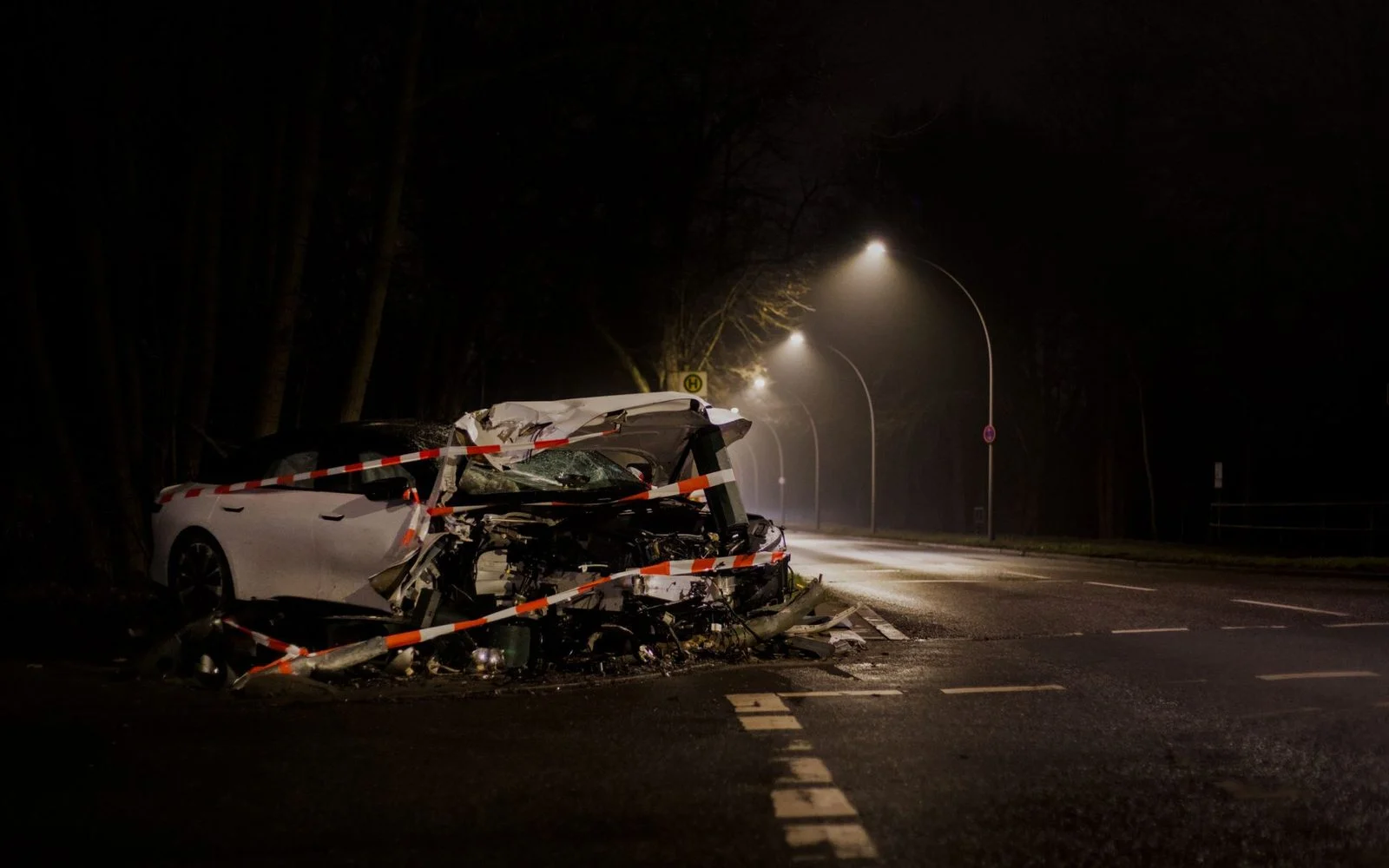
Questions parents ask
Does a parent file the claim?
Under W. Va. Code § 55-7-6(a), “every such action shall be brought by and in the name of the personal representative of such deceased person who has been duly appointed in this state,” or in another jurisdiction as the statute describes.
What if my child was a passenger, not the driver?
A child passenger may still be part of a claim.
What if the other driver was a teenager?
The driver’s age and the facts of the crash help decide responsibility. A young driver may still be part of a claim.
Should I talk to the insurance company first?
Some insurers may contact a family quickly. A family may want to talk with the firm before giving a recorded statement.
If you are still sorting through a crash report or planning a funeral, you do not have to work it out alone. When you are ready, tell the team at Big Bubba what happened in your own words, and ask for a free case review.