
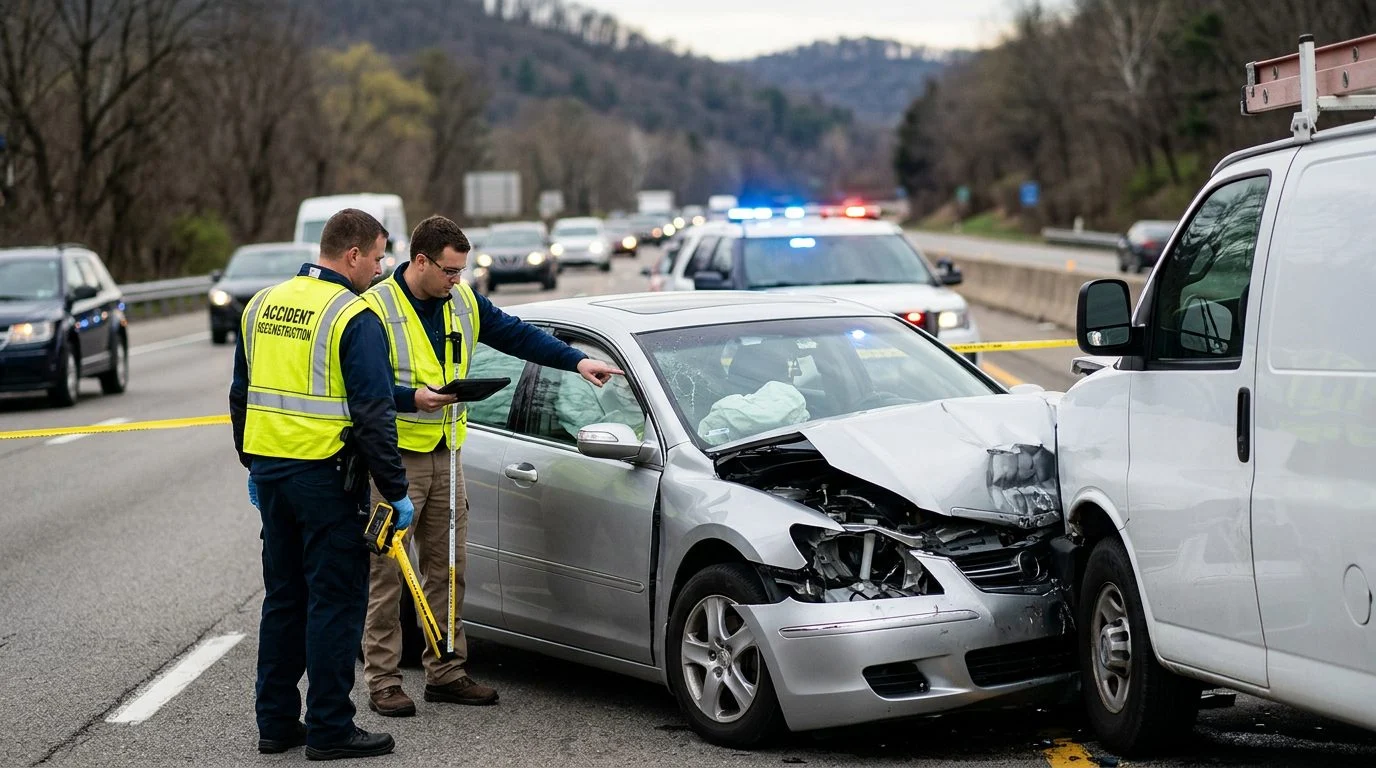
Work Van Accidents | West Virginia
Hurt in a Work Van Crash? Tell Big Bubba What Happened
Work van crashes can cause serious, life-changing injuries. Big Bubba Injury Law represents people hurt in car and commercial vehicle crashes across West Virginia, and the families of those lost in them.
Published October 26, 2026
A work van accident with catastrophic injuries is a crash involving a van used for a job that causes serious, long-term harm. That harm can include brain injury, spinal cord injury, or death. Families facing catastrophic injuries after a work van accident in West Virginia often raise the same hard questions: who is responsible, what deadlines apply, and what evidence matters. The firm handles these claims, including traumatic brain injury, spinal cord injury, and wrongful death. We serve all 55 West Virginia counties, including Charleston, Huntington, Morgantown, Wheeling, Martinsburg, Parkersburg, Beckley, Clarksburg, Fairmont and Weirton.
What a Work Van Accident Catastrophic Injury Claim Is
A work van accident claim seeks compensation for injuries caused by a van used for work. The van may belong to a company, a contractor, or a fleet. It may be driven by an employee or by someone else doing work.
A catastrophic injury is serious and long-lasting. It can change how a person works, moves, thinks, or cares for themselves. Common examples include:
- Traumatic brain injury
- Spinal cord injury
- Amputation
- Severe burns
- Multiple fractures that need surgery
Researchers have also studied work-related crashes.
This page is for injured drivers and passengers, pedestrians and drivers hit by a work van, and families facing a wrongful death.
If a company van crash left you or someone you love facing a serious injury, you don't have to sort out what comes next alone. Tell the firm what happened in a free case review. Talk it through with Big Bubba — the first case review is free, confidential, and carries no obligation.
Who Can Be Responsible When a Work Van Crashes
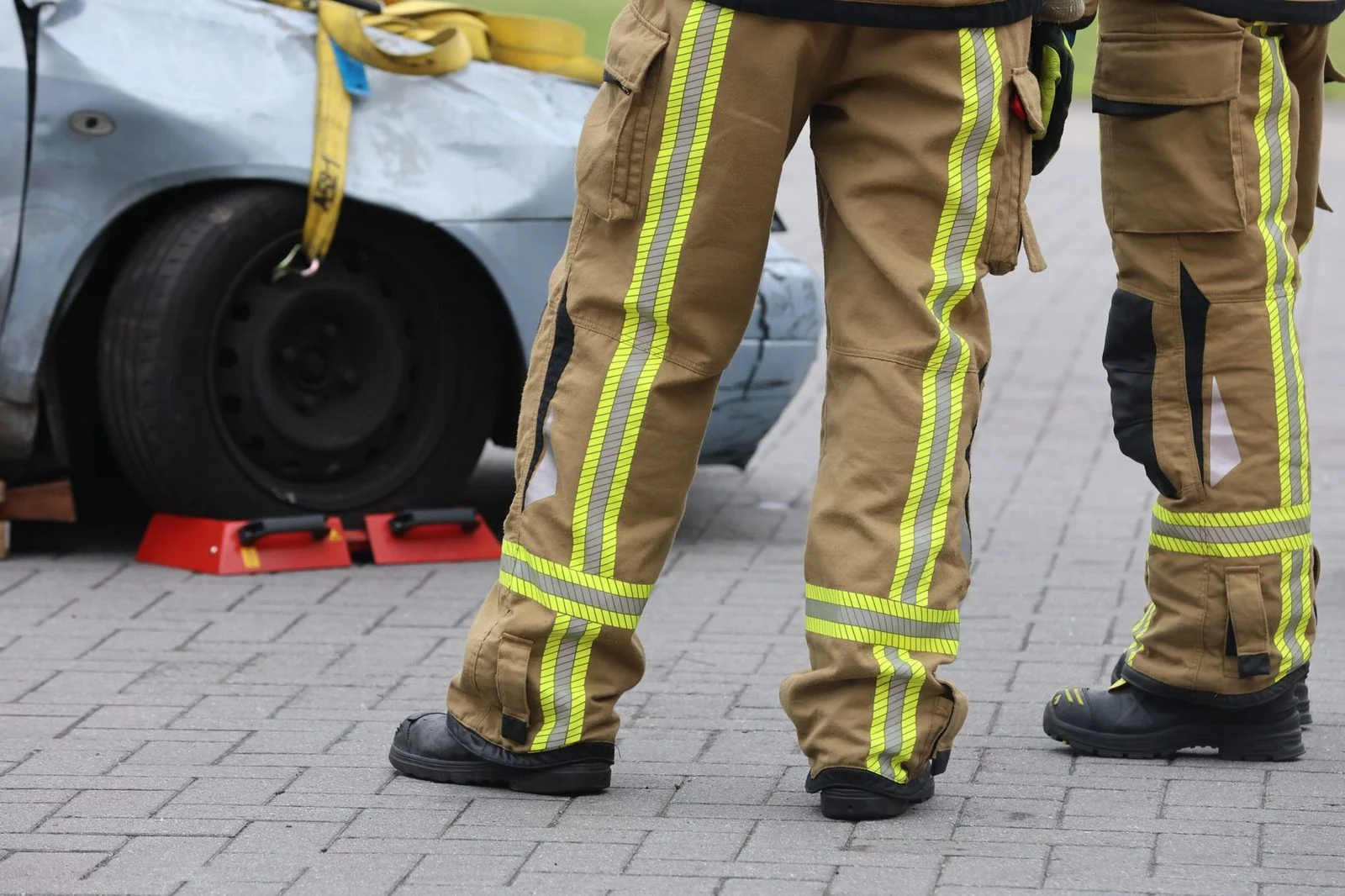
More than one person or company can be responsible after a work van crash. The driver is only one possibility. Others may include:
- The driver, if careless or impaired
- Under W. Va. Code § 55-7-32, an “employer defendant” of a commercial motor vehicle includes the owner of the vehicle, the employer of the person operating it, and any other person or entity that owns, leases, rents, or otherwise holds or exercises legal control over the vehicle or its operator.
- The vehicle owner or lessor
- A maintenance contractor that repaired or inspected the van
- Anyone who loaded the van or its equipment unsafely
- Another driver whose actions caused the crash
Company practices matter too. Dispatch demands, tight route schedules, and gaps in vehicle maintenance can all shape who gets examined.
West Virginia law addresses employer liability in some commercial vehicle cases. W. Va. Code § 55-7-32 applies to commercial motor vehicles that require a commercial driver’s license. For a commercial motor vehicle that requires a commercial driver’s license, W. Va. Code § 55-7-32 sets a $5 million per-occurrence limit on the compensatory damages for noneconomic loss that each person injured or killed may recover from an employer defendant. Beginning January 1, 2026, that figure increases each year to account for inflation, up to 150 percent of the amount. The limit applies only to causes of action arising after the law’s effective date. It is not available to an employer defendant that lacks at least $3 million in commercial motor vehicle insurance for the occurrence. It does not apply at all if the operator or driver is found to have, for example, refused required post-incident testing, driven in willful or wanton disregard for the safety of persons or property, operated a vehicle loaded beyond its maximum gross vehicle weight rating (other than under a valid permit), or been driving distracted. That limit does not apply to an employer defendant that does not have commercial motor vehicle insurance in the aggregate amount of at least $3 million for each occurrence covering the personal injury that is the subject of the action. Whether this statute applies depends on the vehicle and the facts.
Catastrophic Injuries That Often Follow Van Crashes
The most serious van crash injuries affect the brain, the spine, and the body’s ability to move and work.
Traumatic brain injury can affect memory, mood, focus, and daily routines. Symptoms are not always obvious right after a crash. Tell your doctor about every change you notice.
Spinal cord injury can cause paralysis. Families often need lifelong medical equipment, therapy, and changes to a home or vehicle.
Other catastrophic injuries include fractures that need several surgeries, internal organ damage, amputation, and burns.
Medical records are central to these claims. Treating doctors, rehabilitation notes, and opinions on future care show what an injury means for daily life. Keep every medical record and bill. Write down your limits each day.
Wrongful Death After a Work Van Accident
When a crash causes a death, the claim is brought by the personal representative of the deceased person’s estate. A personal representative is the person appointed to manage the estate. Under W. Va. Code § 55-7-6, the action must be commenced within two years after the death, subject to the provisions of section eighteen, article two, chapter fifty-five. W. Va. Code § 55-7-6 reads: “The provisions of this section shall not apply to actions brought for the death of any person occurring prior to July 1, 1988.”
Under the same statute, a jury may award such damages as it may seem fair and just, including, but not limited to, the following:
- Sorrow, mental anguish, and solace, including companionship, guidance, and advice
- Reasonably expected loss of income, and of services, care, and support the person provided
- Medical and hospital expenses from the injury that caused the death
- Reasonable funeral expenses
Families are often grieving while they handle paperwork and deadlines. Pay stubs, household duties, and medical records help show these losses.
How a Work Van Injury Claim Typically Unfolds
Work van accident catastrophic injuries West Virginia claims usually move through five stages. The pace varies from case to case.
- Free case review. You describe the crash, your injuries, the employer, and any insurance details. The firm explains your options with no obligation to continue.
- Investigation. The firm gathers the crash report, photos, vehicle data, witness names, and company records.
- Medical documentation. Treatment, doctor visits, rehabilitation, and expected future care are tracked over time.
- Identifying responsible parties and insurance. Commercial policies may apply to company vehicles, so each source of coverage is reviewed.
- Demand, negotiation, and possibly a lawsuit. If an insurer does not resolve the claim fairly, a lawsuit may be filed before the deadline.
No one can promise how long this takes. Severe injuries, several responsible parties, and disputed fault often lengthen the process.
West Virginia Deadlines and Fault Rules to Know
Wrongful death actions in West Virginia must be commenced within two years after the death of the deceased person, subject to the provisions of section eighteen, article two, chapter fifty-five. Under W. Va. Code § 55-7-6(d), a wrongful death claim must generally be filed within two years after the death. Missing a deadline can end a claim, so don’t wait.
West Virginia uses modified comparative fault, meaning shared fault. Under W. Va. Code § 55-7-13c, your fault bars recovery only if it is greater than the combined fault of everyone else responsible. If it is less than the combined fault of everyone else responsible, your recovery is reduced in proportion to your degree of fault.
The same section says each defendant generally pays only its own share. Certain conduct, such as driving under the influence that is a proximate cause of the damages suffered by the plaintiff, can make a defendant jointly and severally liable.
Not sure what your next step is?
Talk it through with Big Bubba — the first case review is free, confidential, and carries no obligation.
Evidence to Preserve After a Work Van Crash
The evidence that disappears fastest is often the most useful. Start with these items:
- Photos of the scene, the vehicles, and your injuries, plus any dashcam footage
- Names and phone numbers of witnesses
- The crash report number
- Medical records, bills, pay stubs, and a daily journal of symptoms and limits
Employer records can matter too. Under 49 CFR § 396.3, motor carriers must systematically inspect, repair, and maintain their vehicles. Those records must be retained for one year where the vehicle is housed or maintained, and for six months after the vehicle leaves the carrier’s control.
Cargo can matter as well. The West Virginia Division of Motor Vehicles warns that unsecured cargo can cause serious or catastrophic crashes.
Be careful with early calls and statements. Under W. Va. Code § 55-7-11a, for twenty days from the date of a personal injury, while the injured person is an inpatient in any hospital or is partially or totally unable to engage in his or her usual trade, profession or occupation, no person may negotiate or attempt to negotiate a settlement, obtain or attempt to obtain a partial or general release of liability, or obtain or attempt to obtain a statement for use in a settlement or release, although a person acting or intending to act on behalf of the injured person may obtain a statement from the injured person at the injured person’s express request.
Frequently Asked Questions About Work Van Accident Claims
Is West Virginia a no-fault state for car accidents?
Claims like these rest on fault. The claim generally runs against the party whose wrongful act caused the crash.
What is the statute of limitations for personal injury in West Virginia?
West Virginia law generally requires personal injury claims to be brought within two years after the right to bring them accrues, and exceptions may apply, under W. Va. Code § 55-2-12.
West Virginia applies modified comparative fault, so each party’s share matters (W. Va. Code § 55-7-13c).
Can a passenger or pedestrian file a claim?
Yes, passengers and pedestrians hit by a work van may have claims. Who is responsible depends on the facts.
Can the employer be responsible?
An employer may be responsible in some situations, depending on the facts.
What if a truck or several vehicles were involved?
Truck, commercial vehicle, and multi-vehicle crashes often involve more parties and more records to review.
Tell the Firm What Happened in a Free Case Review
If you’re reading this after a serious crash or a loss, you may be dealing with doctors, time off work, and paperwork you never expected. You don’t have to work out the next step alone.
Tell the firm what happened in a free case review. The review is confidential and carries no obligation to continue. Have ready the crash report number, the employer’s name, and any insurance information you know about.