
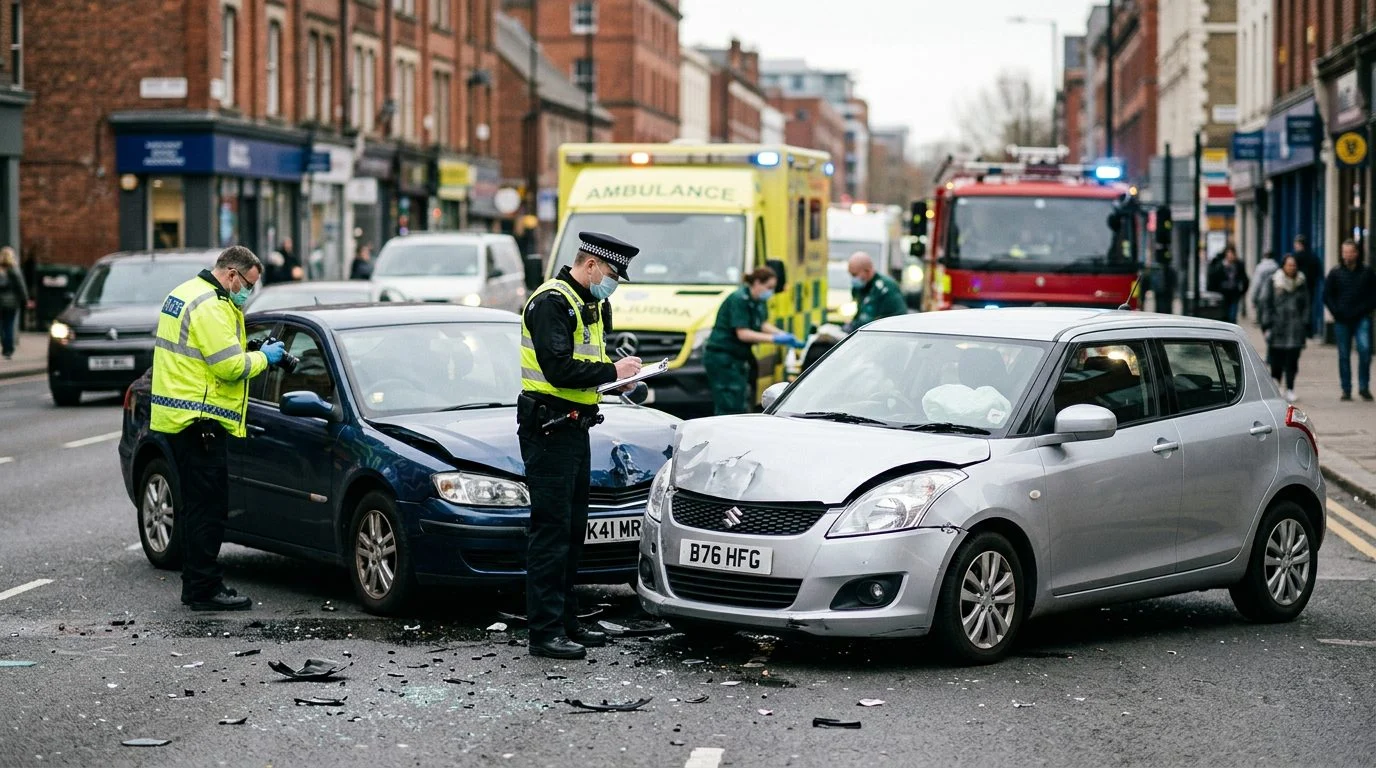
Driver Error and Car Accidents: What You Need to Know
Most crashes involve driver mistakes. If someone else's error injured you, we can help you understand your options.
Published October 06, 2026
What Causes Most Car Accidents? Understanding Driver Error and Your Rights
Driver error is often cited as a factor in many car crashes. According to crash investigation data from the National Highway Traffic Safety Administration (NHTSA), the critical reason was assigned to the driver in an estimated 94% of the surveyed crashes. A critical reason identifies a factor in how a crash occurred, which is not necessarily the same as determining legal fault in any particular case. Understanding what this means—and what happens when someone else’s mistake injures you—is the first step toward recovery.
Not sure what your next step is?
Talk it through with our team — the first case review is free, confidential, and carries no obligation.
What the Crash Data Shows About Driver Error
In NHTSA crash investigation data, driver error is recorded as the critical reason for the large majority of crashes. When investigators examine a collision, they look for the critical reason it happened: a choice the driver made, an action they took or failed to take, or a judgment call that went wrong.
In this data, human choices and attention are generally a major factor in many crash outcomes, though this describes general patterns and does not determine fault in any particular crash. The remaining portion involves mechanical failure, road defects, or environmental factors—though driver error may play a role in some of these incidents, depending on the facts.
It’s important to note the difference between “caused by” and “contributed to” in crash data. Driver error may be the primary cause, or it may be one factor among several. Either way, when another driver’s error results in your injury, you may have a legal claim.
What Actions Count as Driver Error?
Driver error encompasses a wide range of behaviors and choices. Common examples include:
- Distracted driving: Using a phone, talking to passengers, eating, adjusting controls, or allowing your attention to drift from the road
- Speeding: Driving faster than the posted limit or too fast for road and weather conditions
- Impaired driving: Operating a vehicle under the influence of alcohol, drugs, or while fatigued
- Failure to obey traffic signals or signs: Running red lights, ignoring stop signs, or disregarding posted warnings
- Improper lane changes and unsafe merging: Changing lanes without checking mirrors or signaling, or merging into occupied space
- Tailgating: Following another vehicle too closely to stop safely
- Poor judgment in adverse weather: Driving at normal speeds during rain, snow, or fog without adjusting for reduced visibility or traction
Each of these represents a choice or lapse in judgment that increases crash risk.
How Does Distracted Driving Cause Car Accidents?
Distracted driving is one of the most common forms of driver error. Distractions fall into three categories:
Visual distraction means taking your eyes off the road. At highway speeds, even a brief glance away from the road can be dangerous.
Manual distraction means taking your hands off the wheel. Reaching for a phone, adjusting a radio, or eating diverts the physical control needed to steer and brake.
Cognitive distraction means your mind is not focused on driving. Thinking about a conversation, worrying about work, or daydreaming reduces your ability to process hazards and react in time.
All three types slow reaction time and increase the likelihood of a crash. The danger is highest at higher speeds and in heavy traffic, where the margin for error is smallest.
Have questions about what happened?
Ask our team directly. The first conversation is free, confidential, and there is no obligation to continue.
Is It True That Over 90% of All Traffic Crashes Involve Driver Error?
The NHTSA survey data cited here generally point to driver error as a critical reason in most investigated crashes. NHTSA data indicates that driver error is assigned as the critical reason in the vast majority of crashes. This reflects basic human limitations: attention lapses, misjudgment of speed and distance, fatigue, and impaired decision-making.
Why is driver error so prevalent? Driving requires constant attention, quick decisions, and coordination. Distractions, fatigue, impairment, and stress all degrade these abilities. Even experienced drivers make mistakes.
Mechanical failure, road defects, and weather do play a role in the remaining percentage of crashes. A tire blowout, a pothole, or black ice can cause a collision. But often, driver error contributes even to these incidents—for example, a driver who was speeding or distracted may not have been able to recover from a mechanical failure that a more attentive driver could have handled.
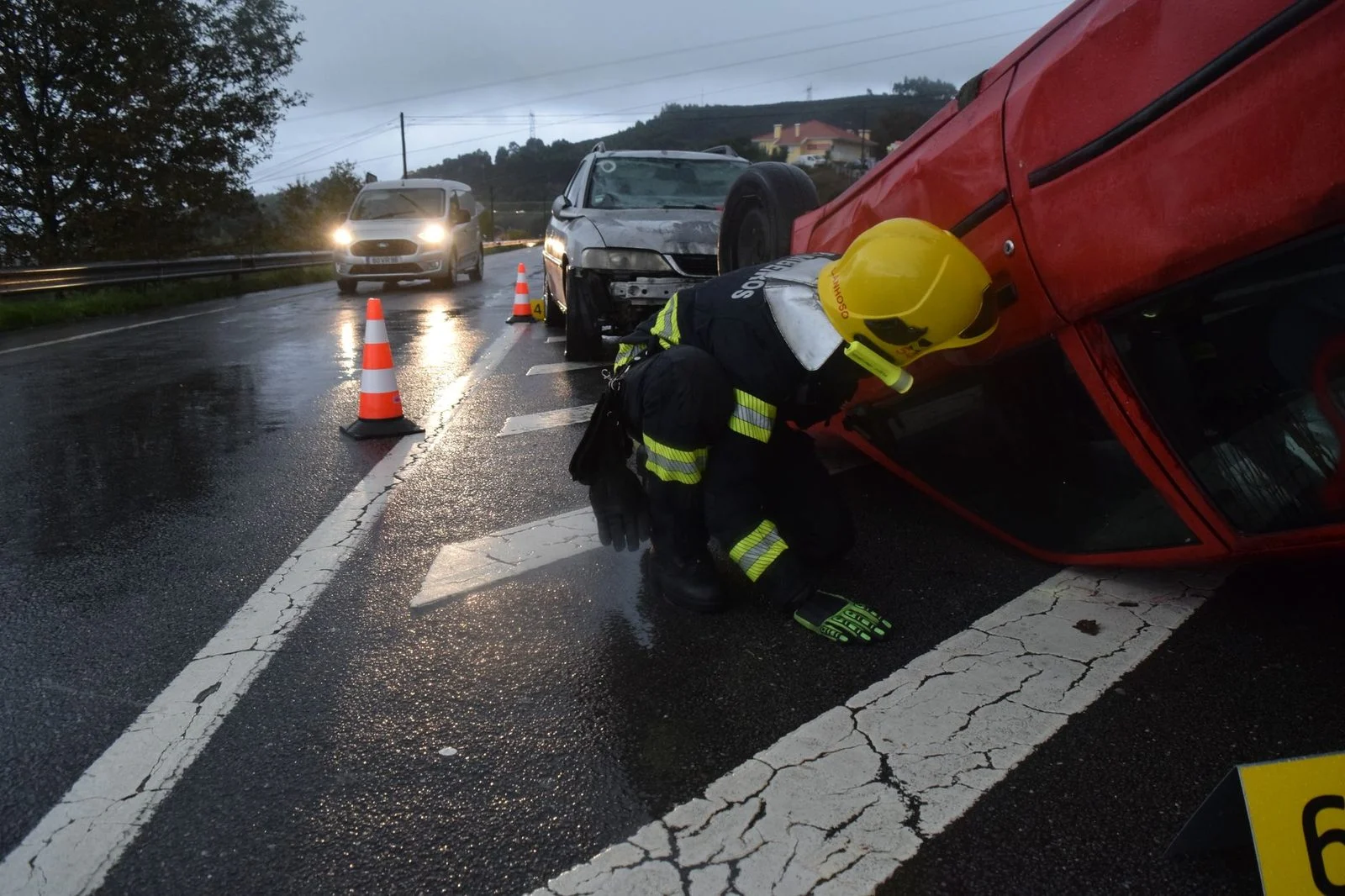
What Happens When Driver Error Injures You
When another driver’s error causes a crash that injures you, the law recognizes your right to seek recovery. In West Virginia, a personal injury claim is decided under comparative fault principles, which assign a percentage of fault to each person whose conduct proximately caused the injury, including the injured person (W. Va. Code § 55-7-13a).
Serious injuries from car accidents—traumatic brain injury, spinal cord damage, broken bones, internal injuries, or wrongful death—require immediate medical care and often warrant legal review. Understanding who was at fault and what your options are is essential.
West Virginia follows a modified comparative fault rule. Under this modified comparative fault rule, you can generally recover damages even if you were partially at fault in the crash—as long as your fault does not exceed the combined fault of all other responsible parties. Exceptions may apply depending on the facts. Generally, this rule is designed to keep an injured person from losing their entire claim because of a minor mistake on their part, though exceptions may apply depending on the facts.
However, time matters. Under West Virginia law, a personal injury lawsuit must generally be filed within two years after the right to bring it has accrued. Waiting beyond this deadline may generally bar your claim, regardless of its strength, though exceptions may apply depending on the facts.
If you or a family member was injured in a crash caused by another driver’s error, the path forward begins with understanding what happened and what the law allows. Medical treatment is the first priority. Legal guidance comes next—to help you understand liability, insurance coverage, and your right to recover.
Want to know where you stand?
Tell us what happened and our team will walk you through the options available to you, at no cost.
Related practice areas
- Commercial Vehicle Accidents in West Virginia: Your Rights & Next Steps
- Commercial Vehicle Accidents in Charleston
- Commercial Vehicle Accidents in Huntington