
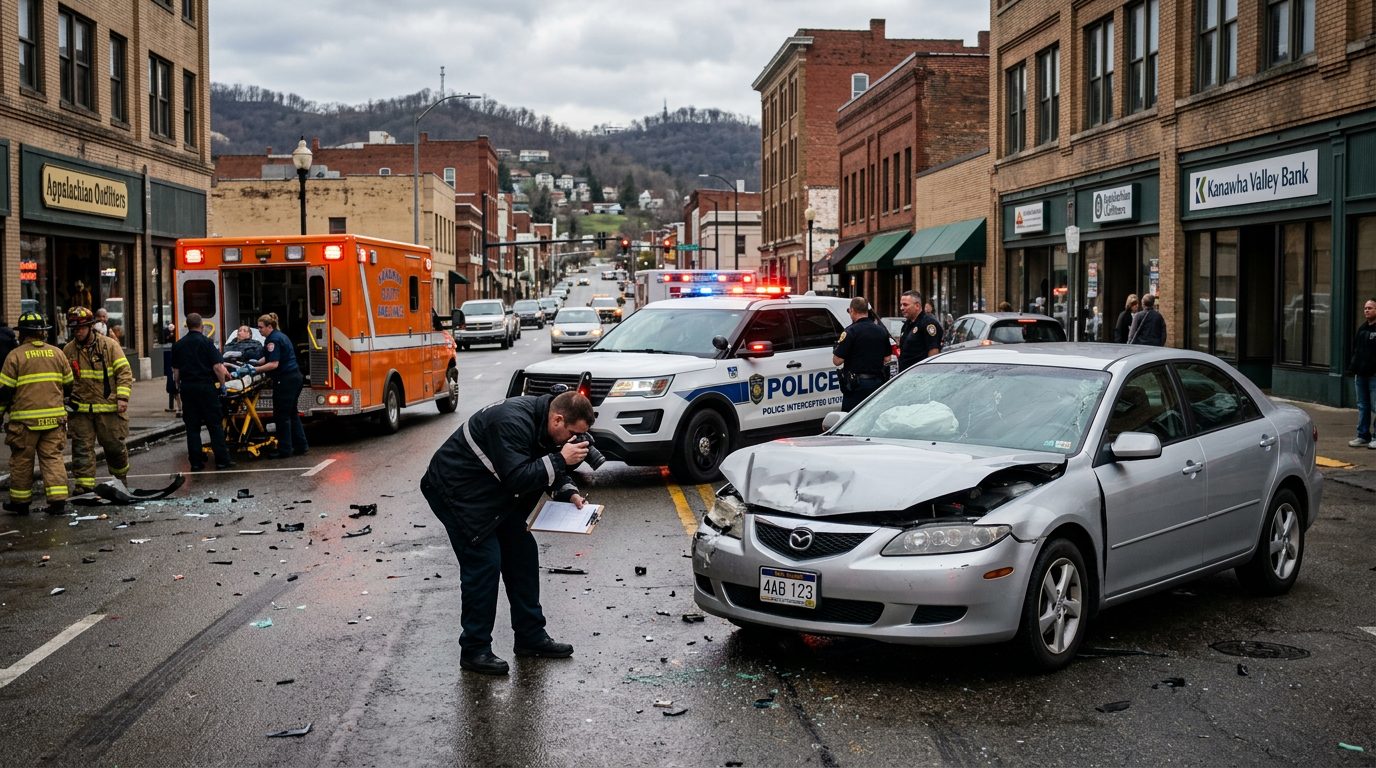
West Virginia Car Accident Injury Claims
Broken Bones After a West Virginia Crash? You Don't Have to Sort It Out Alone.
Fractures can change work, daily routines, and finances. Here is how the firm approaches these claims and how to reach out.
Published November 12, 2026
A broken bone after a crash can change your work, your routine, and your family’s plans in a single day. You may be trying to figure out whether the injury gives you a claim.
Broken bones from a car accident can support an injury claim in West Virginia when another person’s negligence (carelessness that causes harm) helped cause the crash. Deadlines and shared fault can change the picture, so the details matter. This page explains the general process in plain words. Big Bubba Injury Law handles car accident, truck accident, and commercial vehicle claims for injured people across West Virginia.
What This Page Covers and Who It Is For
This page explains how a broken bone from a crash may fit into a West Virginia injury claim. It covers common fractures, what a claim may include, which records help, how a free case review works, and where deadlines and shared fault matter.
It is written for three kinds of readers:
- The person who was hurt and is still in treatment, in a cast, or back at work with limits.
- A spouse, parent, or adult child helping a relative manage appointments, bills, and insurance calls.
- Someone deciding whether to talk with a lawyer who wants the basics first.
Big Bubba Injury Law handles car accident claims, truck accident claims, and commercial vehicle claims, including cases involving serious injuries. We serve Charleston, Huntington, Morgantown, and injury victims across the state.
A broken bone after someone else's crash can raise hard questions, and you don't have to answer them alone. Reach out to Big Bubba Injury Law to talk through what may apply to you. Talk it through with Big Bubba — the first case review is free, confidential, and carries no obligation.

Common Broken Bones After a Car Crash
Crashes often break ribs, collarbones, wrists and forearms, ankles and legs, hips and pelvis bones, and facial bones.
Where a bone breaks often depends on how the body moved during impact. A driver may strike the steering wheel or door. A passenger may hit the dashboard or the seat in front. Seat belts and airbags can prevent some injuries while causing others, such as rib or collarbone fractures.
Some fractures are not obvious right away. Adrenaline, bruising, and shock can hide pain for hours or days. That is one reason follow-up visits matter. Imaging, such as X-rays, and orthopedic notes are how a fracture is usually documented.
How a bone heals can vary widely from person to person. Your medical providers can explain what your own injury involves. In a claim, what matters most is how the injury happened and what documentation shows about it.
What a West Virginia Injury Claim May Include
A car accident injury claim may seek compensation for losses the crash caused, such as medical bills, lost income, and pain and suffering.
- Medical expenses tied to the crash, including emergency care, surgery, hospital stays, imaging, and physical therapy, when records document them.
- Lost wages if the injury keeps you from working, and reduced earning ability if you can no longer do the same work.
- Pain and suffering and loss of enjoyment of life. These are harder to measure and depend on the facts.
- Out-of-pocket losses such as mileage to appointments, medical equipment, and help at home that the injury made necessary.
Which of these apply depends on the facts and the evidence you can show. Insurers and courts look at documentation, not only at what someone recalls.
Truck cases can follow different rules. West Virginia law limits certain noneconomic damages (pain and suffering, not bills) against some employers in commercial motor vehicle cases, and exceptions apply. W. Va. Code § 55-7-32 sets out the limit and the situations where it does not apply.
Records and Evidence That Often Matter
The crash report, medical records, photos, witness details, and work records are the items that most often shape a broken bone claim.
- Crash report. Request it from the law enforcement agency that responded to the scene.
- Medical records and bills. Keep emergency notes, imaging results, follow-up notes, and any surgery or rehab records. Keep your appointment schedule too.
- Photos. Take pictures of the vehicles, the scene, and visible injuries as soon as you practically can.
- Witnesses and video. Write down names and phone numbers. Dash camera or nearby video may exist, and it can be lost over time, so ask about it early.
- Work records. Keep pay stubs, schedules, and notes from an employer about missed shifts or changed duties.
Commercial crashes add other records. Federal rules generally require a commercial driver’s employer to test the driver for alcohol after a crash that involved a death, or after a crash involving medical treatment away from the scene or a tow-away when the driver receives a citation within 8 hours for a moving traffic violation arising from the crash. 49 C.F.R. § 382.303 sets out those testing rules. Drivers also keep a record of duty status showing their hours, as described in 49 C.F.R. § 395.8.
A simple daily journal can help too. Note your symptoms, appointments, and the activities you can no longer do. It may help show how the injury changed daily life.
How a Free Case Review Works
A free case review is a first conversation about your crash, your injuries, and the facts you know so far.
- Reach out. Call the firm or send a message through the contact form. Tell Bubba what happened, in your own words.
- Schedule your free case review. It comes with no obligation to continue.
- Gather the basics. Bring the crash date and location, the names of any insurers involved, and the medical providers treating your injury. Bring what you have, even if it is incomplete.
- Review the facts. The firm looks at how the crash happened, which parts of a claim may apply, and what information is still missing.
- Decide your next step. If you choose to move forward, the firm can gather records and communicate with insurers for you.
Deadlines and Shared Fault in West Virginia
West Virginia generally allows two years to file a personal injury action, and exceptions may apply. W. Va. Code § 55-2-12 sets that period, which runs from when the right to sue arose. Waiting can also cost evidence, since photos, video, and witness memories fade.
Shared fault is the next question. West Virginia uses a modified comparative fault system, which means each person’s share of fault is figured as a percentage. Under W. Va. Code § 55-7-13c, an injured person’s fault does not bar recovery unless it is greater than the combined fault of everyone else responsible. If it is less, recovery is reduced in proportion to that person’s share of fault.
If another driver was at fault, the claim may be directed to that driver’s insurer. Some insurers may dispute a claim or ask for a recorded statement early on.
Early contact has limits. For 20 days after an injury, W. Va. Code § 55-7-11a generally bars anyone from negotiating or attempting to negotiate a settlement, obtaining or attempting to obtain a partial or general release of liability, or obtaining or attempting to obtain a statement for settlement from the injured person while the injured person is an inpatient in any hospital or partially or totally unable to engage in his or her usual trade, profession or occupation. Read any paper slowly before you sign it.
Not sure what your next step is?
Talk it through with Big Bubba — the first case review is free, confidential, and carries no obligation.

Frequently Asked Questions
Here are short, general answers to common questions.
Can I still have a claim if I did not go to the hospital at the scene?
It may still be possible. Delayed care can make an injury harder to document, so medical records from the first visit matter.
Does a broken bone always lead to a lawsuit?
No. Some claims resolve without a lawsuit, and whether one is needed depends on the facts.
What changes if the other driver was a commercial truck?
More parties and records may be involved, such as driver logs and testing records. Those may be relevant to a car accident injury claim.
If you are in a cast, waiting on a doctor’s note, or unsure whether a broken arm or leg from a crash may support a claim, you don’t have to sort that out alone. When you’re ready to talk through the facts, you can request a free case review with Big Bubba Injury Law.