
Head Injury Guidance | West Virginia
Dizziness After a Car Accident Head Injury: What to Know and Next Steps
Dizziness after a crash can have more than one cause, and some brain injury effects appear days or weeks later. Here is how to recognize warning signs and where to turn for help.
Published November 2, 2026
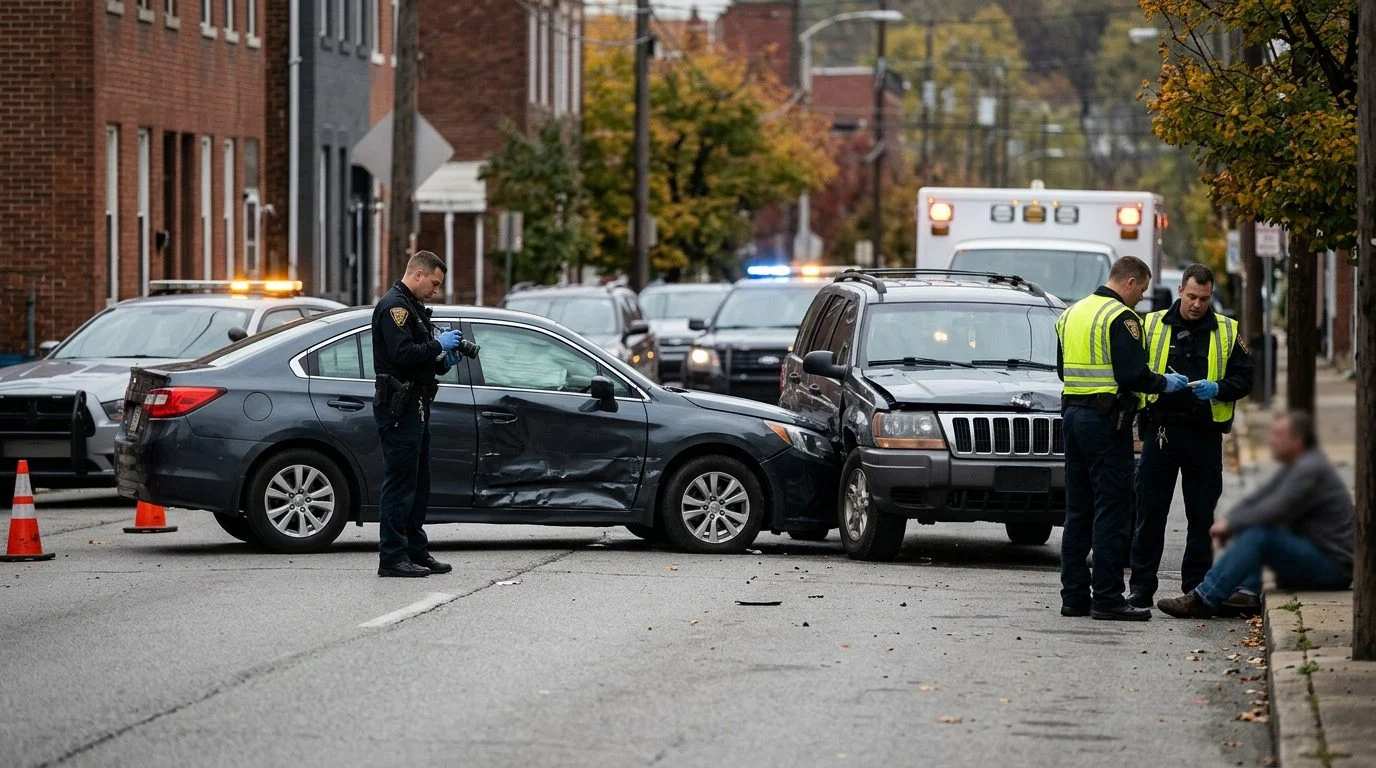
Dizziness after car accident head injury is more than a passing shake-up. It can start right after a crash or show up days later. It can affect driving, work, and sleep. This guide explains how to tell ordinary soreness from symptoms that need prompt medical care. It is written for people hurt in West Virginia crashes and for the family members who watch them struggle.
Dizziness After a Car Accident Is Not Always Minor
Dizziness after a crash deserves a closer look, not a shrug. Doctors use a few different words for this feeling, and the words matter. Lightheadedness feels like you might faint. Vertigo (a spinning or moving sensation) makes the room seem to turn, even when you’re still. Describing which one you feel helps a clinician find the cause.
Dizziness after car accident head injury can make ordinary tasks risky. Stairs, driving, and standing in a grocery line can all feel unsafe. It can also keep someone from working for a while. If you’re the one hurt, you may notice it when you stand up or turn your head quickly. If you’re a family member, you may see someone who seems unsteady, slow to answer, or off balance, and who says they feel fine. Either way, don’t write it off as being shaken up. For a broader look at brain injuries from car accidents, read our traumatic brain injury overview.
If dizziness and insurance calls are weighing on you after a crash, you don't have to face them alone, and a free case review is available to talk it through. Talk it through with Big Bubba — the first case review is free, confidential, and carries no obligation.
Why a Head Injury Can Cause Dizziness and Balance Problems
A head injury can disrupt the systems that keep you steady. Those systems include the inner ear and the brain.
Your sense of balance depends on the vestibular system, a network in the inner ear and brain that tracks head position and movement. A hard jolt in a crash can disturb it. A mild traumatic brain injury (an injury to the brain caused by a blow or sudden jolt) is one possible cause. A concussion is a common form of it. PMC research on brain injury care notes that mild traumatic brain injury can be difficult to diagnose.
Neck injuries may also add to dizziness after a crash. Dizziness can also come from problems that have nothing to do with the brain. Doctors sort out the possible causes with an exam and a careful history of your symptoms. Your job is to give them a clear account of what you feel and when. The cause in any one case depends on the facts and on what a medical evaluation finds.
Delayed Vertigo: Why Symptoms Can Appear Days Later
Yes, feeling dizzy two days after hitting your head can happen. A symptom-free first day doesn’t rule out an injury.
PMC research on brain injury care notes that the effects of traumatic brain injury may not be immediately apparent after an accident. Many people feel fine at the scene. Then dizziness shows up once they return to normal activity, like driving or reading.
Two terms come up often. Post-traumatic vertigo is spinning or dizziness that starts after a head injury. Post-traumatic BPPV (benign paroxysmal positional vertigo) is a brief spinning spell triggered by changes in head position. It may happen when you roll over in bed, tilt your head back, or look up at a high shelf.
Delayed vertigo may be linked to disturbance in the inner ear after an impact. That may be one reason it surfaces later, once daily life picks up again. A common mistake is waiting for dizziness to clear before telling anyone. Symptoms written down early are easier to explain later.
Warning Signs That Need Emergency Care
Call 911 or go to the nearest emergency department if dizziness comes with serious warning signs.
The Mayo Clinic lists a worsening headache, unequal pupils, confusion, and inability to wake as signs that need immediate medical care after a head injury. Other warning signs to watch for include repeated vomiting, sudden severe headache, slurred speech, weakness or numbness on one side, fainting, seizure, clear fluid from the nose or ears, and loss of coordination. Don’t wait for these symptoms to pass before getting help.
If you can’t reach a doctor quickly and symptoms are severe, don’t wait. Emergency departments can check for serious injury right away. Until you’re checked, don’t drive while dizzy. If you can, have someone stay with you.
Symptoms to Raise With a Doctor Soon
Dizziness that lasts, returns, or limits daily life is worth a prompt visit with your doctor.
Bring up dizziness that keeps coming back, a spinning feeling, nausea when you move your head, and unsteady walking. Trouble in busy stores or crowded rooms counts too, and so does ongoing trouble concentrating. A clinician may refer you to vestibular therapy, a type of balance-focused rehab. A medical provider decides whether that fits your case.
Vision problems and sleep changes may appear alongside dizziness. You can read more about vision changes after a head injury and sleep changes after a brain injury.
At your visit, describe when symptoms started, what sets them off, and how long they last. Ask whether a follow-up visit is needed and what signs should prompt another one. Saying “I feel off when I stand up” gives your doctor more to work with than “I feel dizzy.”
Keeping a Symptom Record After a Crash
A simple symptom log helps your doctor and shows what changed after the crash.
Write one short entry each day. Include the date, the time, what you were doing, how long the dizziness lasted, and any medicine you took. Note triggers like standing up, driving, or looking at screens. Include how dizziness affected your work or driving that day. Keep copies of visit notes, test results, and therapy referrals in one place.
Medical records that document symptoms and treatment may matter if a claim is made later. They can create a clear timeline of what changed after the crash. Some insurers may dispute a claim, so accurate records and follow-up visits can help.
If another driver was at fault, the injured person may have legal questions about who is responsible. West Virginia generally requires a personal injury lawsuit to be filed within two years, and exceptions may apply, under W. Va. Code § 55-2-12.
Frequently Asked Questions
Is dizziness after car accident head injury normal two days later?
It can happen, because some brain injury effects appear later. Dizziness that is new or getting worse needs a medical check.
Should I drive if I am dizzy after a head injury?
Don’t drive while dizzy after a head injury. Ask your doctor when driving is safe again.
Can dizziness show up weeks after a car accident?
Symptoms may appear later after a head or neck injury. Tell a doctor about any dizziness that starts or lasts.
How long do I have to file a claim in West Virginia?
West Virginia generally allows two years to file a personal injury lawsuit, and exceptions may apply (W. Va. Code § 55-2-12).
Not sure what your next step is?
Talk it through with Big Bubba — the first case review is free, confidential, and carries no obligation.

Describing Dizziness After a Crash
If you’re dealing with dizziness after car accident head injury, you may be juggling doctor visits, time off work, and insurance calls you never planned for.
The firm handles car accident, truck accident, and traumatic brain injury claims across West Virginia. Whether you’re the one hurt or the one helping, you don’t have to sort this out alone. During a free case review, the firm can listen to what happened, go over your symptoms in general terms, and explain how West Virginia law may apply. Each situation is different.
If dizziness and insurance calls are weighing on you, you can ask the firm for a free case review of what happened, with no obligation to continue.