
Personal Injury | West Virginia
Is Your Pain and Suffering Worth Pursuing?
A plain-language guide to how the harm you feel fits into an injury claim, and how to decide your next step.
Published November 21, 2026
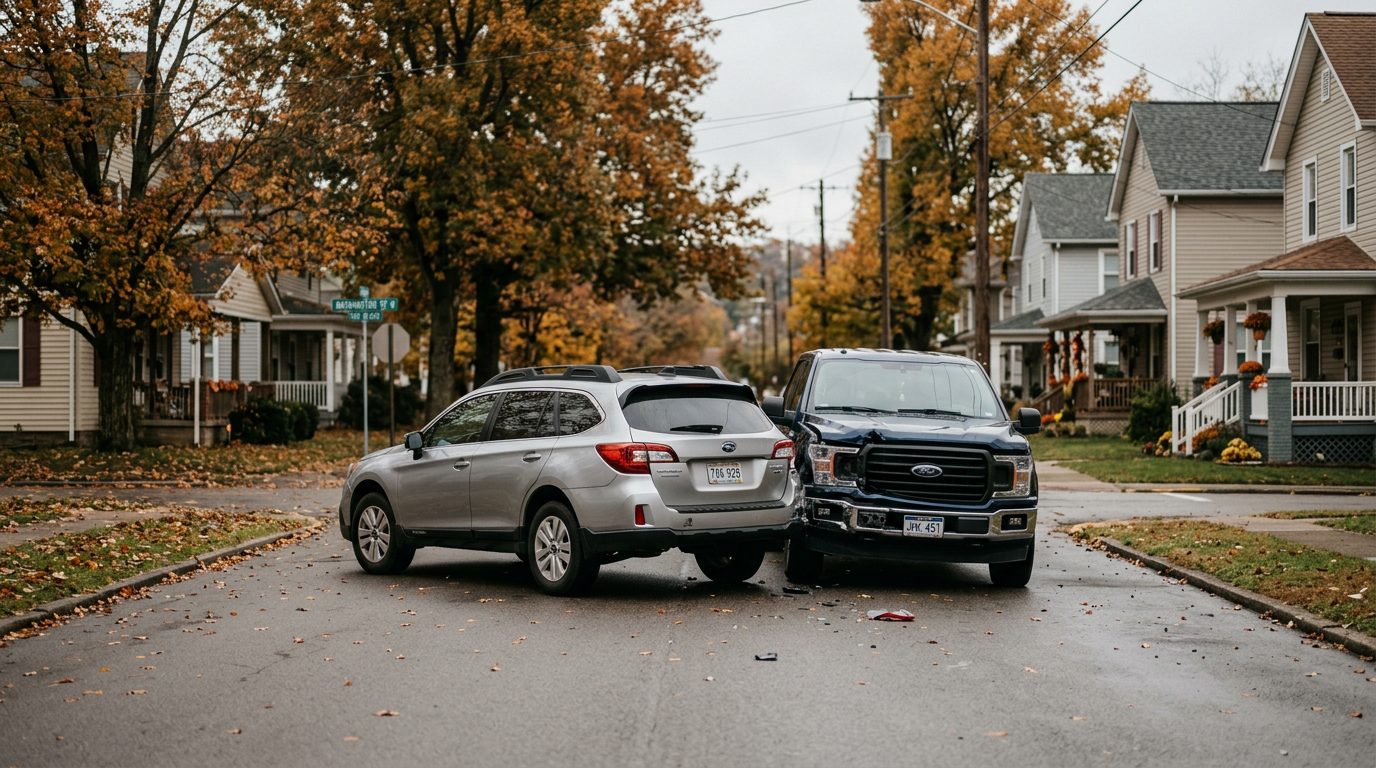
If you were hurt in a crash, you may be asking whether the pain you live with is worth taking to court. That is a fair question to ask early.
Pain and suffering can be a real part of an injury claim in West Virginia. Whether it is worth pursuing turns on how the injury changed your life, what proof exists, and who may be at fault.
What Pain and Suffering Means in an Injury Claim
Pain and suffering is the part of an injury claim that covers harm you feel but cannot put on a bill. It includes physical pain, emotional distress, and loss of enjoyment of life. Injury claims can include several categories of damages, and which categories apply depends on the facts of each case.
Lawyers often call these non-economic damages. Economic damages, such as medical bills and lost wages, come with a paper trail. Non-economic damages do not, which makes them harder to put into numbers.
The idea applies to car accident claims, truck accident claims, and other crash cases. A serious crash can bring pain and suffering into the picture whether the vehicle was a family car or a commercial truck. We serve injury victims across West Virginia. This guide explains what the category covers, what proof may matter, and how to think through the decision.
If you are weighing this question after a crash that changed how you live, or you are researching for a family member, you can reach out to the firm to request a free case review. Talk it through with Big Bubba — the first case review is free, confidential, and carries no obligation.
Can You Recover Pain and Suffering Without a Serious Physical Injury?
Harm without a broken bone can still matter, but it usually needs solid medical proof. The claim rests on harm you actually experienced, so the injury and its documentation carry real weight.
Serious brain injuries can change memory, focus, mood, and the ability to work. Those changes often sit at the center of a pain and suffering claim. You can read more about traumatic brain injury accidents in West Virginia.
Spinal cord injuries can bring weakness, loss of feeling, paralysis, bowel and bladder problems, pain, and trouble breathing, according to the FloridaHealthFinder health encyclopedia. These effects can shape how a person sleeps, moves, and spends time with family.
Whether a particular injury supports this kind of claim depends on the medical records, and exceptions may apply. Your own account of how the injury changed daily life adds context. It works best alongside the records, not in place of them.
Types of Pain and Suffering Damages
Pain and suffering usually covers several kinds of harm, not one single category. Common examples include physical pain, mental anguish and emotional distress, and loss of enjoyment of life. Disfigurement or scarring may also count in some cases.
Loss of enjoyment can cover things you can no longer do. That might include work, hobbies, driving, playing with children, or time with friends and family. These losses are often described in plain, everyday terms.
Wrongful death cases follow similar ideas. Under W. Va. Code § 55-7-6, the verdict of the jury shall include, but may not be limited to, damages for sorrow, mental anguish, and solace. The statute says this may include society, companionship, comfort, guidance, and advice of the person who died.
Courts and insurers do not always use the same labels. The way a claim is described should follow the actual harm in your case.
How Pain and Suffering Is Evaluated, and How It Differs From Lost Wages and Medical Bills
Pain and suffering is weighed through evidence, not a receipt. Medical bills and lost wages come with a paper trail, such as itemized bills, pay stubs, and employer letters. Pain and suffering comes from how the injury affects daily life, how long it lasts, and what the medical records show.
Economic losses can be added up line by line. Non-economic losses need a clear story backed by proof. That difference is why the two are often handled differently in settlement talks.
West Virginia law also limits what a lawsuit’s opening document can say about money. Under W. Va. Code § 55-7-25, a complaint in a personal injury or wrongful death case may not include a specific dollar amount for damages. It may state that the amount in controversy meets the court’s minimum requirement.
Some insurers may dispute a claim or argue that an injury is less serious than it appears. How the loss is described and documented can affect how it is evaluated.
What Evidence Helps Show Pain and Suffering
The strongest proof usually ties your daily life to the injury in the medical record. Start with the records that show what happened and what treatment followed.
Medical records, imaging, prescriptions, therapy notes, and provider statements about ongoing limits may all be relevant. Gaps in treatment can be questioned, so keeping appointments and following care plans matters.
A personal journal can help. Write down pain levels, sleep problems, missed activities, and mood changes each day. A journal can show effects that a single appointment may not capture.
Statements from family, friends, or coworkers who noticed changes can add context. They may describe how you lived before the crash and what has changed since.
The crash report also matters. Under W. Va. Code § 17C-4-7, an officer who investigates a crash with injury or death must prepare a report within 24 hours after finishing the investigation. That report may help show how the crash happened.
Is It Hard to Prove Pain and Suffering, and Should You Accept a Settlement Offer?
Pain and suffering is often harder to prove than bills. It rests on consistent records and credible testimony, not on one document.
West Virginia generally allows two years to file a personal injury claim, and exceptions may apply. The rule appears in W. Va. Code § 55-2-12. Wrongful death actions generally must be started within two years of the death, under W. Va. Code § 55-7-6.
Early offers deserve a careful look. Under W. Va. Code § 55-7-11a, certain settlement contact is restricted for twenty days after an injury, while the injured person is a hospital inpatient or is partially or totally unable to engage in his or her usual trade, profession or occupation. Under W. Va. Code § 55-7-11a, a settlement, release of liability or statement obtained in violation of the section may be disavowed by the injured person within one hundred eighty days from the date of the personal injury, depending on the facts, by a written statement forwarded to the person who violated the section; the settlement, release or statement may then not be admissible in evidence if any consideration paid is repaid or returned to the person who paid it.
An early offer may not reflect treatment still ahead or effects that appear later. Reviewing the full medical picture before deciding is commonly recommended.
Other payments can also affect what is left. Settlements in injury claims can involve liens and reimbursement claims, and how those claims affect the amount an injured person receives depends on the facts.
Not sure what your next step is?
Talk it through with Big Bubba — the first case review is free, confidential, and carries no obligation.
Deciding Whether Pursuing Pain and Suffering Is Worth It for Your Situation
Most people weigh a few core questions. How serious is the injury, and will its effects last? Are the medical records strong? Who may share fault for the crash?
Under W. Va. Code § 55-7-13a, recovery in a personal injury, property damage or wrongful death action is based on comparative fault principles, and each person’s liability is allocated in direct proportion to that person’s percentage of fault. Under W. Va. Code § 55-7-13c, your own fault does not bar recovery unless it is greater than the combined fault of everyone else responsible. If it is less, recovery is reduced in proportion to your share.
Truck accident and commercial vehicle cases can involve more than one party. That can change how fault is shared and who is named in a claim.
If someone died, a personal representative brings the wrongful death action on the family’s behalf. The statute provides that the action is brought in the name of a duly appointed personal representative.
For broader guidance, read our traumatic brain injury accidents guide. If the crash involved a rideshare vehicle, see rideshare car accidents in West Virginia. Available coverage can also shape the picture, so review minimum auto insurance coverage in West Virginia.
If you are weighing this question after a crash that changed how you live, or you are researching for a family member who was seriously hurt, you can reach out to the firm to request a free case review.
Related practice areas
- Traumatic Brain Injury from Car and Truck Accidents in West Virginia
- Can I Sue Lyft for a Car Accident in West Virginia?