
Brain Injury Facts | West Virginia
A Normal CT Scan Does Not Mean Your Symptoms Are Imaginary
Headaches, dizziness, and trouble concentrating can continue after a crash even when a scan looks clear. Here is how to understand that gap and where to turn for help.
Published November 14, 2026
Your head scan came back normal, but you still have headaches, dizziness, or trouble thinking clearly. That gap between a clean scan and how you feel is one of the most confusing parts of recovering from a crash.
A normal CT scan after a car accident brain injury check means the scan did not show certain problems when it was taken. It does not mean a brain injury was ruled out. Here is what the scan can and cannot show, and why your symptoms still matter.
What a Normal CT Scan Shows After a Car Accident
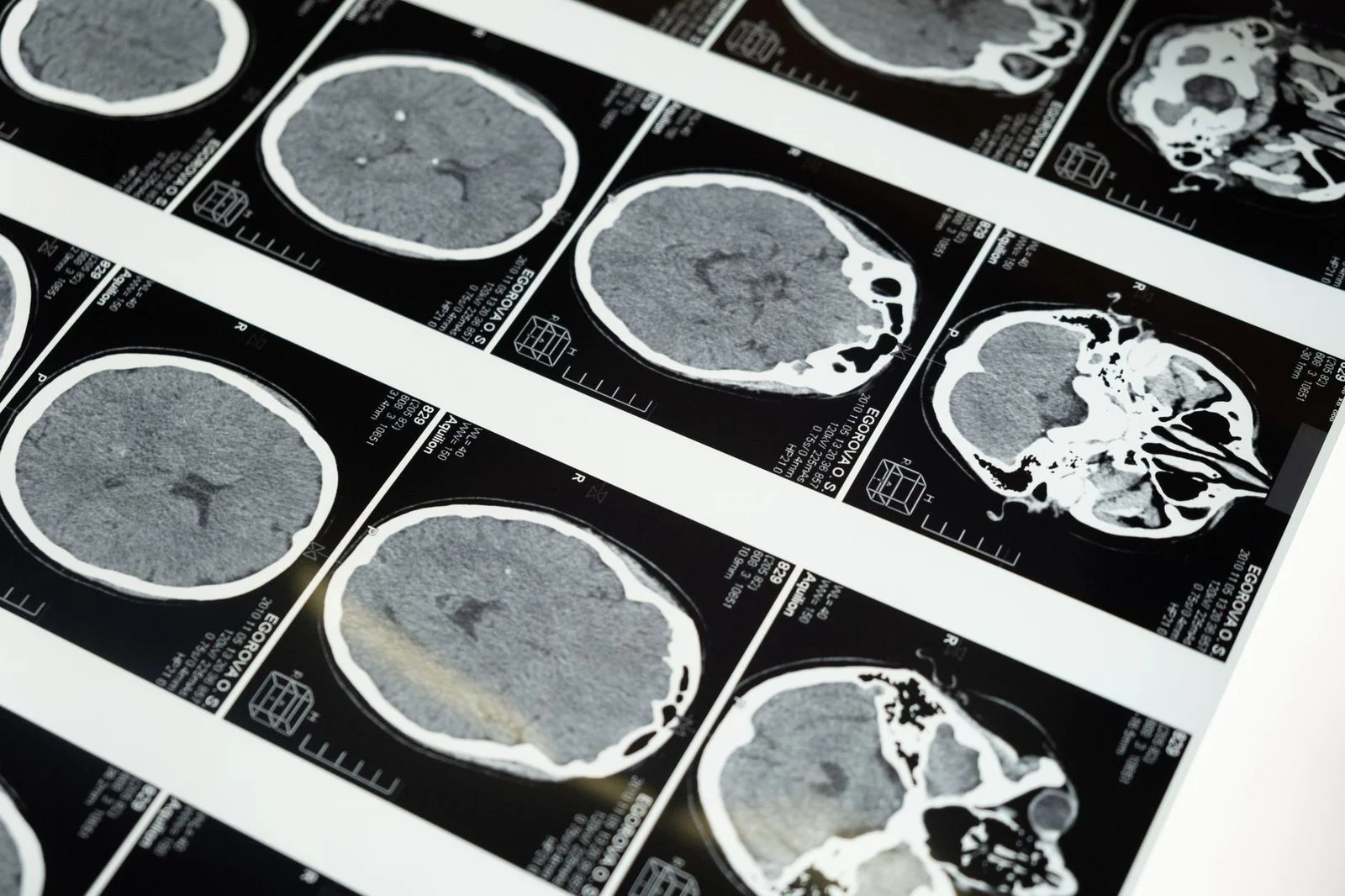
A normal CT scan means the scan did not find the specific problems it is built to detect. A CT, or computed tomography scan, uses X-rays to build detailed pictures of the skull and brain. Doctors often order one quickly after a head impact because it is fast.
A CT is well suited to finding bleeding inside the skull, skull fractures, and some larger structural changes. When these are present, they often show up clearly. When they are absent, the report reads as normal.
Notice what that result covers. It describes one moment, the time the picture was taken. It tells you those particular findings were not seen then. It does not describe every part of the brain or every type of injury.
A scan is also only one part of the medical picture. Your doctor reads it alongside your history, your exam, and your symptoms.
If you were hurt in a crash and still have symptoms after a normal scan, you don't have to sort it out alone. The firm can talk with you about a free case review. Talk it through with Big Bubba — the first case review is free, confidential, and carries no obligation.
Why a Normal CT Does Not Rule Out a Brain Injury
A normal CT does not rule out a brain injury, because many brain injuries do not appear on a standard CT. This is the most important point for anyone who was told the scan looked fine.
A concussion is a form of traumatic brain injury. Concussions can have serious short- and long-term effects, according to a concussion study. That study focuses on youth sports, so its details are not specific to car crashes.
Diffuse axonal injury is another example. It involves damage to the tiny connections between brain cells. These injuries may not appear on a standard CT.
A traumatic brain injury review notes that the effects of traumatic brain injury may be long-lasting and may not be immediately apparent after an accident. That is why a normal image alone does not settle the question.
Symptoms are central to how a brain injury is evaluated. A normal image cannot settle that question on its own.
What an MRI Can Show That a CT May Miss
An MRI can show finer detail in soft brain tissue than a CT. That is why it may be ordered when a CT does not explain a person’s symptoms.
MRI stands for magnetic resonance imaging. It uses a strong magnet and radio waves instead of X-rays. The images can show soft tissue, including parts of the brain that a CT may not show clearly.
MRI has real advantages. It may reveal certain injuries that a CT does not show. It is often the better tool for questions about soft tissue.
MRI also has limits. A scan takes longer, you must lie still inside a narrow machine, and it is not always the first test ordered. Staff screen for metal implants before the scan because some can make MRI unsafe.
If you have ongoing symptoms, ask your doctor a few direct questions. Is an MRI needed, given what I am feeling? What would it check that a CT did not?
Why Doctors Often Start With a CT Scan
Doctors often start with a CT because it is fast and widely available. In an emergency, the first job is ruling out bleeding or fractures that need urgent care.
Time matters in an emergency room. A CT can be done quickly, and it helps the medical team find bleeding that may need treatment right away. An MRI often takes longer. It may be used after the first evaluation, or later, when symptoms continue.
The choice of test is a medical decision. Treating clinicians choose tests based on the patient’s condition, history, and symptoms. Questions about which test fits your situation should be raised with them directly.
Keep in mind that a first scan answers an early question. It is not the last word on your brain health.
Symptoms That Can Continue After a Normal Scan
Symptoms that continue after a normal CT deserve follow-up with a doctor, even when the scan looks clear. Common symptoms after a head injury include:
- Persistent headache
- Dizziness or balance problems
- Sensitivity to light or noise
- Blurred vision
- Memory or concentration problems
- Sleep changes and fatigue
- Mood changes
- Changes in smell or taste
Some people notice a change in smell or taste after a crash. You can read more about smell and taste loss after a car accident head injury. Light sensitivity and blurred vision are covered in light sensitivity and blurred vision after a crash. Sleep changes are discussed in sleep trouble and fatigue after a brain injury.
Keep a simple symptom log. Write down each symptom, when it started, and how it changes from day to day. Bring that record to every appointment. A clear log helps your doctor see patterns over time.
Some changes, like mood or sleep, may seem unrelated to a crash. Mention them anyway.
How Concussion and Mild Brain Injury Are Evaluated
Concussion is usually diagnosed through a clinical evaluation, not through imaging alone. The clinician looks at the whole picture.
The evaluation generally includes how the injury happened, the symptoms you report, a neurological exam, and screening for thinking and balance. A scan may be used to rule out more serious problems. A normal scan does not end the evaluation.
Mild traumatic brain injury can be difficult to diagnose, according to the traumatic brain injury review. That is one reason follow-up matters.
If symptoms persist, a clinician may recommend a repeat evaluation or a referral to another provider. Ask what signs would mean you should come back sooner.
Not sure what your next step is?
Talk it through with Big Bubba — the first case review is free, confidential, and carries no obligation.
Warning Signs That Need Prompt Medical Care
Warning signs such as a worsening headache, repeated vomiting, or confusion need emergency medical care right away. Do not wait for a scheduled appointment when these appear.
Other warning signs include unusual drowsiness, seizures, weakness or numbness, slurred speech, trouble walking, or a person who cannot be woken up. Anyone with these signs should get emergency medical care immediately.
Trauma from a crash can also injure the spinal cord. The spinal cord injury fact sheet states that trauma such as car accidents can cause spinal cord injury. Numbness, weakness, or trouble with balance after a crash need urgent evaluation.
Symptoms can appear hours or days after a crash. Ongoing attention matters even after a normal first scan.
How a Normal Scan Can Come Up in an Injury Claim
A normal scan can become a point of disagreement in an injury claim. The rest of your medical record matters for that reason.
Medical records are commonly reviewed when a crash injury is evaluated. That includes imaging, symptom notes, and follow-up visits. Each one adds to the picture of what you have been living with.
Some insurers may dispute a claim when imaging is normal. Consistent symptom records and regular follow-up visits can help show what you have experienced.
West Virginia generally follows a modified comparative fault rule (W. Va. Code § 55-7-13c). If an injured person shares some of the fault, their damages may be reduced by their share, and a person whose fault is greater than the combined fault of all others may be barred from recovering, depending on the facts.
West Virginia generally allows two years to file a personal injury action, and exceptions may apply. You can review the statute at W. Va. Code § 55-2-12. Timing questions are worth raising early.

Next Steps After a Serious Injury
If you are waiting on answers, you do not have to work through this alone. You may be waiting for test results, managing symptoms at home, or helping a family member who was hurt in a crash.
The firm handles car accident, truck accident, and traumatic brain injury claims for people across West Virginia. The firm also handles commercial vehicle and catastrophic injury matters.
For more on brain injuries after a crash, read the traumatic brain injury after car accidents guide.
When you are ready, reach out to the firm and describe what happened in your own words. Start with a free case review to talk through your situation.