
Car Accidents | West Virginia
Hurt by a State Driver? Learn Your Options.
Crashes involving government vehicles can raise questions that private-driver cases do not. The firm can help you sort through them.
Published November 21, 2026
If a state or county vehicle hit you, you may be wondering whether you can sue the government driver at all. In many cases, a claim may be possible, but the rules differ from a crash with a private driver.
In short, West Virginia generally protects state and local governments from some lawsuits, and the law lists exceptions. Notice steps and time limits can also be strict, so the early questions matter.
Why a Crash With a Government Driver Is Handled Differently
A crash with a government vehicle often follows a different path because of immunity. Immunity is a legal shield that limits when the government can be sued. It isn’t absolute, and it has exceptions.
Under § 29-12a-4, a political subdivision, such as a county or city, is generally not liable in damages for injury caused by its acts or omissions. That rule has exceptions, and the statute spells them out.
The same section says a political subdivision is liable for injury caused by the negligent operation of any vehicle by its employees. That applies when the employees are acting within the scope of their employment and authority. This is why the facts of the driving matter. Whether the driver was on the job may decide which rules apply.
Your first task is practical. You may need to identify the vehicle, the driver, and the government body that owns or employs them. That work often starts at the scene and continues in the days that follow. Keeping track of who was involved can make later steps easier to handle.
If a state or county driver hurt you or someone you love, you don't have to work through these rules alone, and we can talk through your situation with you. Talk it through with Big Bubba — the first case review is free, confidential, and carries no obligation.

State Agencies and State Employees
Claims involving a state vehicle raise a separate set of questions. Under § 55-2-19, every statute of limitation applies to the state unless the law expressly provides otherwise. In other words, the state doesn’t get a pass from the clock.
Employees are treated differently. W. Va. Code § 29-12a-5 reads: “(b) An employee of a political subdivision is immune from liability unless one of the following applies.” That immunity does not apply if the acts were manifestly outside the scope of employment or official duties. It also does not apply if the acts were done with malicious purpose, in bad faith, or in a wanton or reckless manner. Liability can also exist when a provision of the Code expressly imposes it on the employee.
Whether an individual employee of a political subdivision, such as a county or city, can be held personally liable may depend on the facts and on whether one of the exceptions in § 29-12a-5 applies. Because that question can affect who is named, it is worth raising early. Waiting can make it harder to gather the basic details that answer it.
Counties and Municipalities Under the Tort Claims Law
A claim involving a county or city vehicle usually runs against the local government itself. Under § 29-12a-13, suits under this law name the political subdivision as the defendant. An employee acting within the scope of employment may not be named as the defendant.
The same section says these actions are generally brought in the county where the political subdivision is located, or in the county where the cause of action arose. Where the crash happened and where the local government sits can both matter for where a claim is filed.
The complaint also has its own rule. Under § 29-12a-6, in a civil action against a political subdivision or an employee of a political subdivision, the complaint must include a demand for judgment, but it may not specify a monetary amount for the damages sought. This is a filing rule, and it says nothing about what any claim is worth.
Local governments may carry liability insurance. Under § 29-12a-9, when a covered policy applies, its terms generally control how a covered suit is investigated, settled, and defended. Knowing whether a policy exists can shape the next steps.
Notice Requirements and Why Timing Matters
Claims against a government agency may require written notice before a lawsuit starts. Under § 55-17-3, a complaining party generally must give written notice at least 30 days before filing an action against a governmental agency, except actions seeking injunctive relief where the court finds that irreparable harm would have occurred if the action was delayed. The notice goes by certified mail, return receipt requested, to the agency’s chief officer and the Attorney General.
The same section says that when notice is provided, any applicable statute of limitations is tolled for 30 days. Tolling means the clock pauses. If the agency received the notice, the pause may run 30 days from the date of the return receipt instead.
The general time limit for claims against a political subdivision is found in § 29-12a-6. It generally requires an action to be brought within two years after the cause arose, or after the injury was discovered or reasonably should have been discovered. The period shall be tolled for any period during which the political subdivision or its representative has committed fraud or collusion by concealing or misrepresenting material facts about the injury.
These rules interact, and the exact dates depend on the entity, the claim, and the facts. Reviewing them early, rather than close to the deadline, is the safer approach.
Identifying the Government Vehicle and Driver at the Scene
The crash report may be one of the first official records showing who was driving and who owned the vehicle. Under § 17C-4-7, an investigating officer generally must prepare a report within 24 hours after finishing the investigation. This applies to crashes occurring on the public streets or highways of this state involving bodily injury, death, or total property damage to an apparent extent of $1,000 or more.
The same section says that within 24 hours of a crash, the investigating officer must give owner, operator, and insurance information to the other involved parties upon request. That information is available without charge, whether or not the full report is finished. Asking for it early can help you confirm who is involved.
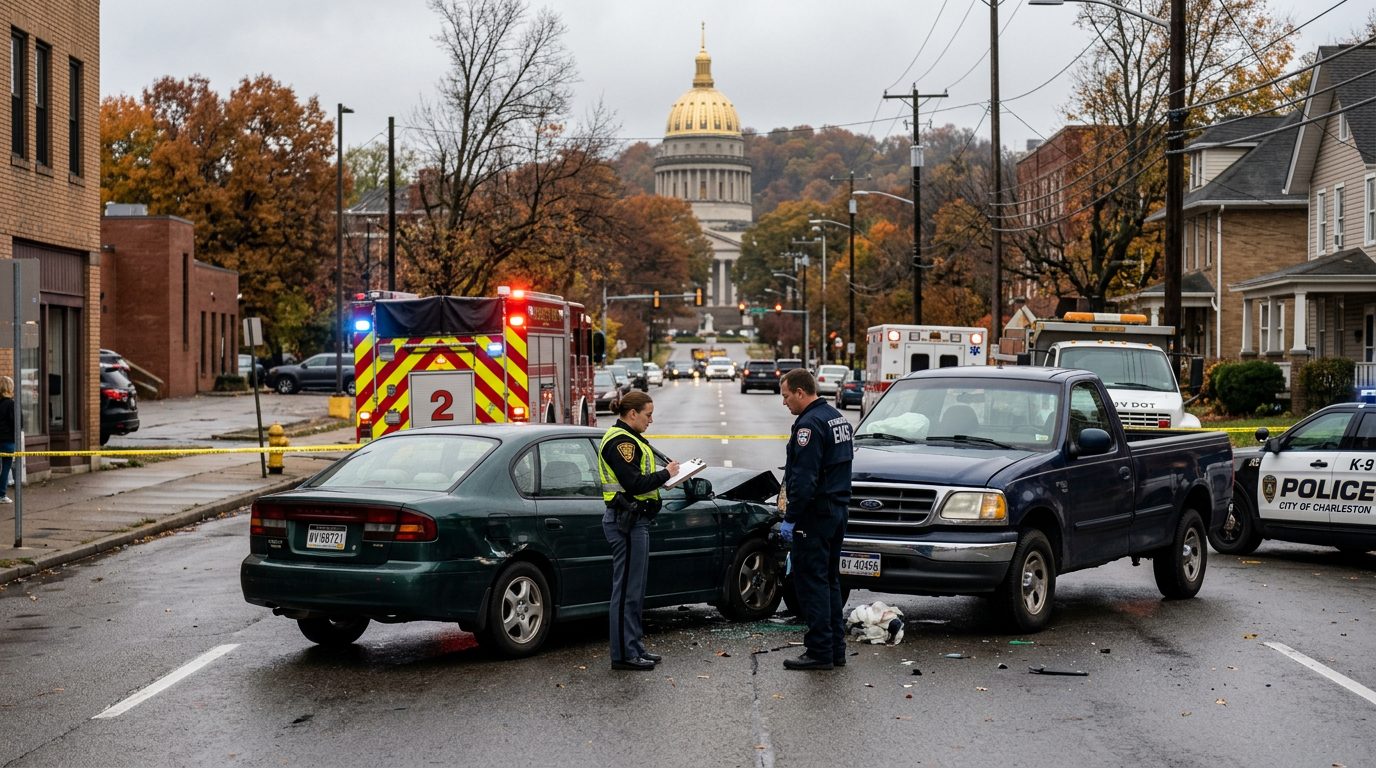
At the scene, look for details that may show a government owner. Note any department name, seal, or insignia on the vehicle. Note the license plate style and any agency markings. If it is safe to do so, take photos before the vehicles are moved.
Ask the driver for their name, employer, and the agency they work for. Write down what they say, and the time and place. These details may be harder to collect later, once people have left the scene or memories have faded.
Serious Injuries and Symptoms That Show Up Later
Some serious injuries are not fully clear on the day of the crash. Traumatic brain injury and spinal cord injury may involve symptoms that appear, change, or worsen over days or weeks. Not every symptom is visible right away, and some people notice problems only after their normal routine returns.
That is why follow-up care matters. Following the treatment recommended by your medical providers helps document what you are experiencing. For a closer look at how a later-developing symptom can still connect to a crash, see the firm’s page on delayed back pain after a car accident.
Symptoms that start later may still be connected to the crash, depending on the medical facts. Your providers are the best source for those medical questions.
Keep copies of everything. That includes emergency room notes, imaging reports, provider notes, and discharge papers. Keep a simple written log of new symptoms and the dates they started. These records may matter in any claim against a government entity, but they don’t prove a claim on their own.
Not sure what your next step is?
Talk it through with Big Bubba — the first case review is free, confidential, and carries no obligation.
Evidence That May Matter in a Government Vehicle Claim
Scene evidence can be the most time-sensitive part of a claim. Photos of the scene, vehicle damage, and any markings can help show what happened. Witness names and phone numbers are useful, because witnesses may move or their memories may fade.
Dashcam footage from a nearby vehicle may also matter. Many devices record over older footage on a set schedule. Early requests and preservation may matter, depending on the facts. For a closer look at how dashcam footage is handled, see the firm’s page on dashcam photos after a crash.
Evidence that is lost or destroyed can create problems for a claim. Courts in West Virginia have dealt with lost evidence in different ways, and the outcome can turn on who held the evidence and why it was lost. That is one reason to ask for preservation early.
Government agencies may handle records requests on their own schedules, which can take time. Agency reports, the crash report, and your own records can each be part of the picture. Keeping your own copies of what you receive gives you a reference point.

What to Consider Next If a County or State Driver Hurt You
Whether a claim against a state or county driver is possible depends on the entity involved, the type of immunity, the notice steps, the time limits, and the injuries. Each situation has its own details, and those details shape the path forward.
If you are reading this while in pain, handling paperwork, or helping a family member recover, the rules can feel overwhelming. You don’t have to sort them out in one sitting. Start with the facts you can gather now, like the crash report, the vehicle details, and your medical records.
Quick answers
Can you sue a county driver after a car accident in West Virginia?
Possibly. Under § 29-12a-4, a county may be liable for an employee’s negligent driving within the scope of employment, subject to exceptions.
Do you need to send notice first?
For many claims against a governmental agency, West Virginia law generally requires written notice at least 30 days before filing. See § 55-17-3.
Can you name the driver personally?
A suit against a county or city generally names the government entity, not an employee acting within the scope of employment. See § 29-12a-13.
If a state or county vehicle hurt you or someone you love, you can request a free case review with the firm. We can talk through the crash, the vehicle involved, and the timing questions with you.