
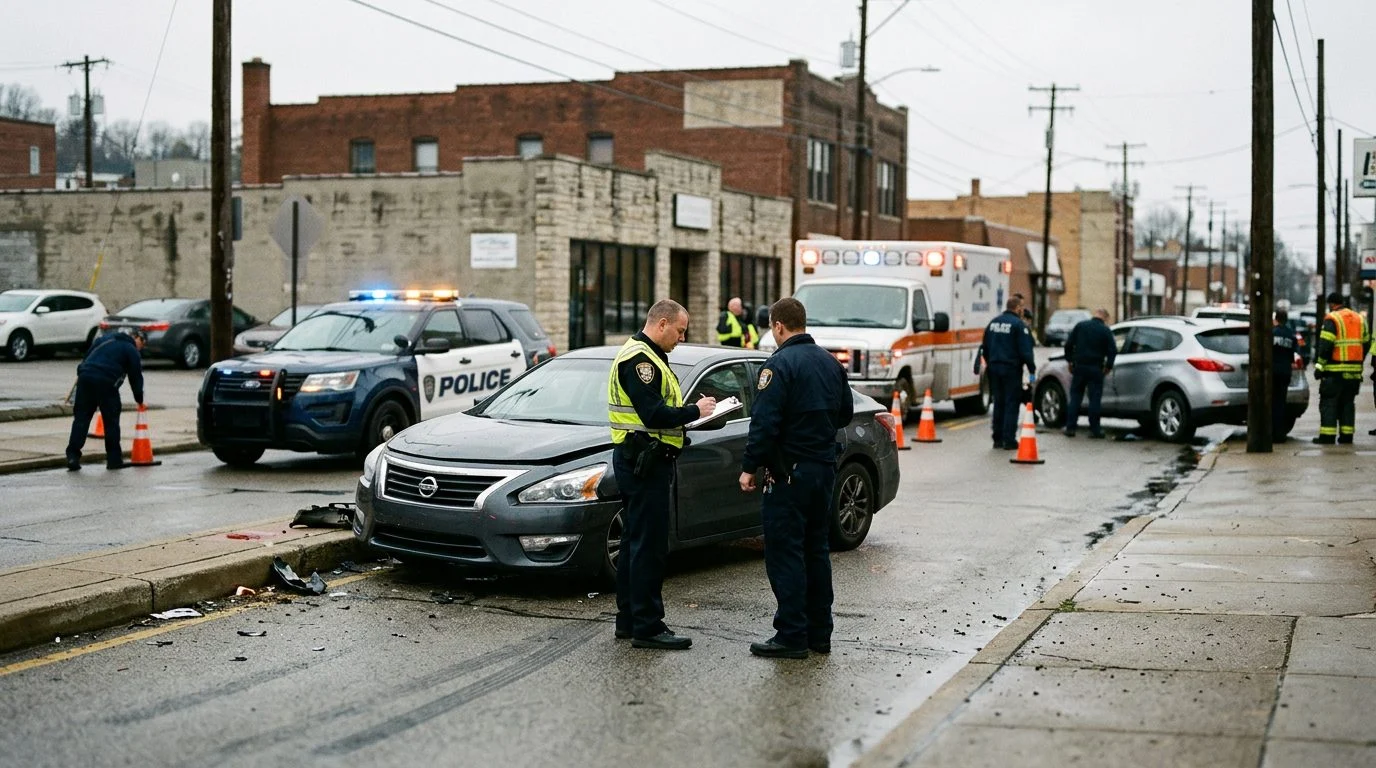
Road Hazard Car Accidents | West Virginia
Hit by a Road Hazard? Find Out When a County or City May Be Responsible
Potholes, washed-out shoulders, and missing warning signs can contribute to serious crashes. Here is how claims against local governments generally work in West Virginia.
Published November 8, 2026
Road Hazard Car Accident: Can You Sue the State in WV?
If a pothole, sinkhole, or unmarked work zone played a part in your crash, reach out to us for a free case review of who may be responsible. Talk it through with Big Bubba — the first case review is free, confidential, and carries no obligation.
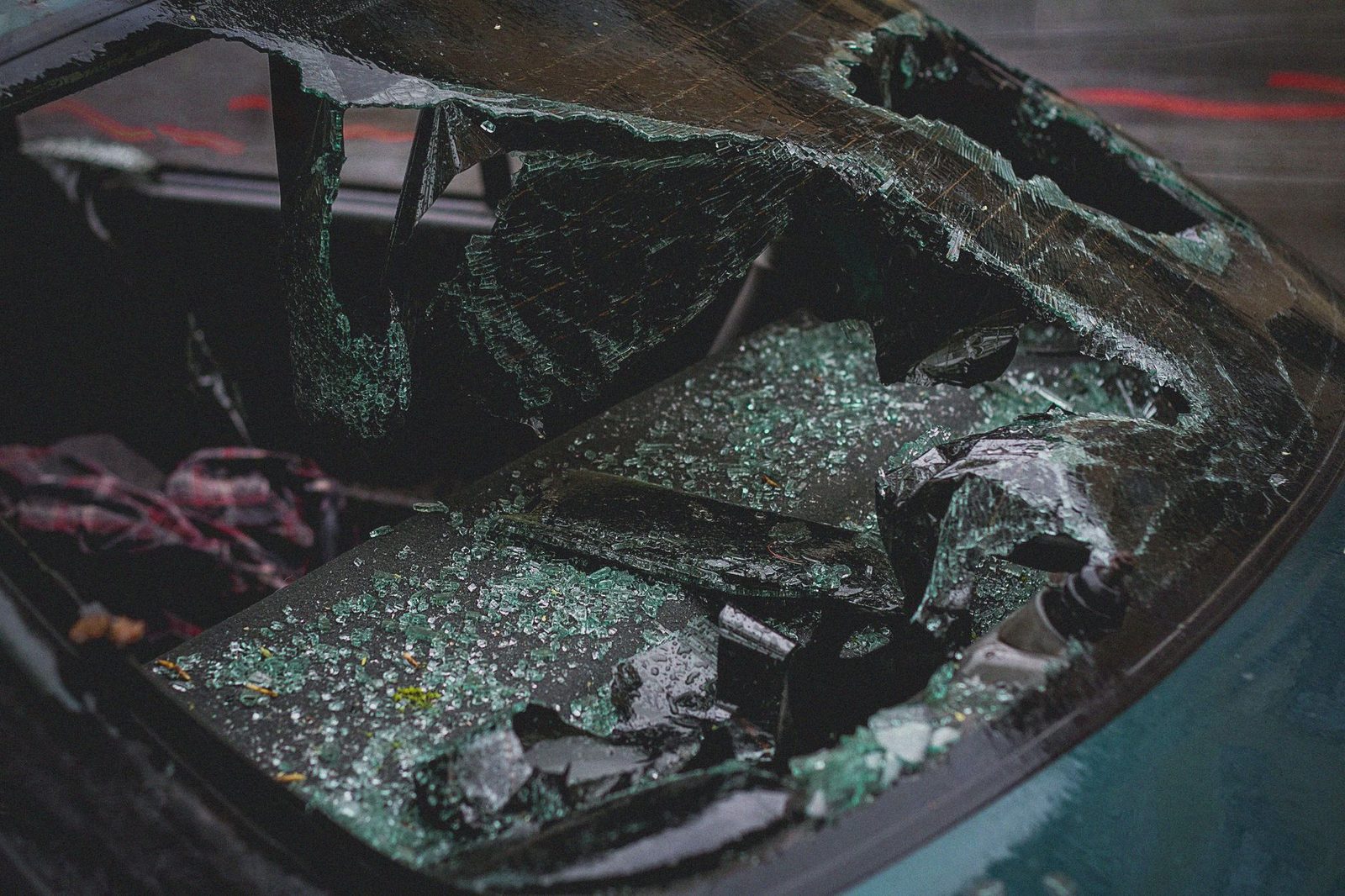
Short Answer: Can You Sue the State Over a Road Hazard Crash?
A road hazard such as a pothole, sinkhole, or missing sign may support a claim against a county or city when a government entity responsible for that road was negligent. Whether a claim is possible depends on who maintained the road and what caused the hazard.
West Virginia law treats claims against government differently from claims against other drivers or businesses. Claims against the state itself follow separate rules, and the facts decide which rules apply.
If you’re still learning about the injuries that can follow a crash, our traumatic brain injury overview is a good place to start.
Who Maintains the Road Where the Crash Happened
Finding the road’s owner is usually the first step. State highways and local roads are handled by different entities, so the question of who is responsible starts with the road itself.
The West Virginia Division of Highways is the state agency that maintains state roads. Counties and municipalities maintain many other roads, streets, and sidewalks. A crash report, the road’s route number, and the exact location of the hazard can help show who maintains a given stretch. Some areas involve more than one entity, so the facts need a close look.
Under W. Va. Code § 29-12a-4, a county or city is generally not liable for injury tied to its governmental or proprietary functions. One listed exception covers a negligent failure to keep public roads, highways, and streets open, in repair, or free from nuisance. W. Va. Code § 29-12a-4 reads: “(3) Political subdivisions are liable for injury, death, or loss to persons or property caused by their negligent failure to keep public roads, highways, streets, avenues, alleys, sidewalks, bridges, aqueducts, viaducts, or public grounds within the political subdivisions open, in repair, or free from nuisance, except that it is a full defense to such liability, when a bridge within a municipality is involved, that the municipality does not have the responsibility for maintain or inspecting the bridge.” If a government entity may be involved in a crash, the firm can help identify the correct party early in a case review.
Road Hazards That Can Lead to a Crash Claim
Common road hazards include potholes, sinkholes, washed-out shoulders, debris in travel lanes, missing or hidden signs, unmarked work zones, and damaged guardrails. Each one can change how a driver reacts, and each one raises its own questions.
A hazard may matter to a claim when it existed long enough that the responsible entity had a reasonable chance to fix it or warn drivers. That timing question depends on the facts. A hazard that formed suddenly may be treated differently from one that was reported and left alone.
Weather adds another layer. Under W. Va. Code § 29-12a-5, a political subdivision is immune from liability for snow or ice conditions and for temporary or natural conditions on any public way or other public place due to weather conditions. That immunity does not apply if the government’s own negligent act affirmatively caused the condition. A pothole that formed from weather may raise different questions than one created by negligent work. If the driver was a teen, families may also find our teen driver brain injury checklist for parents helpful.
How a Claim Against the State Is Different
Claims against the state and its agencies follow different rules than claims against private drivers.
Under W. Va. Code § 29-12a-4, except as otherwise provided in this article, a political subdivision is liable for injury caused by the negligent operation of a vehicle by its employees when the employees are engaged within the scope of their employment and authority. This may matter if a county truck or city vehicle was involved in the crash. Whether it does depends on the facts.
Government employees have their own protection. Under W. Va. Code § 29-12a-5, an employee is generally immune unless the conduct was manifestly outside the scope of the job, malicious, done in bad faith, or wanton or reckless, or unless liability is expressly imposed upon the employee by a provision of this code. Employee immunity does not limit the entity’s own liability for that employee’s act or omission. A claim may therefore focus on the entity rather than an individual worker, depending on the facts.
Claims against the state itself are a separate question. Because the rules differ, the facts of the crash decide which path applies.
Filing Deadlines and Timing
West Virginia generally allows two years to file a personal injury claim, and exceptions may apply. Under W. Va. Code § 55-2-12, a personal action for injuries is generally brought within two years after the right to sue accrues.
For claims against a county or city, W. Va. Code § 29-12a-6 generally sets a two-year period, but for a child injured before age ten, the claim may be brought until the child’s twelfth birthday if that is longer. The period runs from when the injury occurred or was discovered, or reasonably should have been discovered, whichever last occurs, unless a shorter period applies. The period may be paused if the entity committed fraud or collusion by concealing or misrepresenting material facts about the injury.
Under W. Va. Code § 55-2-19, every statute of limitation applies to the state unless the law expressly provides otherwise. Timing rules can be technical, so reviewing the dates early helps protect a claim.
Not sure what your next step is?
Talk it through with Big Bubba — the first case review is free, confidential, and carries no obligation.
Limits on Recovery and Long-Term Injury Needs
Claims against a county or city face limits that do not apply the same way to private defendants. Under W. Va. Code § 29-12a-7, punitive damages are not allowed against a political subdivision. Compensatory damages for economic loss are not limited, but damages for noneconomic loss from the same occurrence are subject to a statutory cap per person.
Economic loss generally covers costs with a clear dollar trail, such as medical bills and lost wages. Noneconomic loss covers pain, suffering, and changes in daily life. Head and spinal injuries can bring long-term needs, such as ongoing therapy, equipment, or help at home. A claim may address those needs, depending on the facts.
Under W. Va. Code § 29-12a-6, the demand asks for whatever amount the judge or jury finds the injured person is entitled to receive.
Wrongful Death and Shared Fault in Road Hazard Crashes
A wrongful death claim is brought by the personal representative of the person who died. Under W. Va. Code § 55-7-6, the action is brought in the name of a personal representative duly appointed to act for the deceased person. The same statute generally requires the action within two years after the death. W. Va. Code § 55-7-6 reads: “The provisions of this section shall not apply to actions brought for the death of any person occurring prior to July 1, 1988.”
Damages may include sorrow, mental anguish, and solace. They may also include reasonably expected loss of income and of services, protection, care, and assistance provided by the decedent. Care and hospital expenses tied to the injury, and reasonable funeral expenses, may be part of the claim too.
Shared fault is a common issue. Under W. Va. Code § 55-7-13c, the plaintiff’s own fault does not bar recovery unless it is greater than the combined fault of all other persons responsible for the damages, and the section does not apply to claims governed by Article 12-a, chapter 29 of the West Virginia Code. W. Va. Code § 55-7-13c reads: “(c) Any fault chargeable to the plaintiff shall not bar recovery by the plaintiff unless the plaintiff’s fault is greater than the combined fault of all other persons responsible for the total amount of damages, if any, to be awarded.” If it is smaller, recovery is reduced in proportion to the plaintiff’s degree of fault, subject to the section’s exclusions. If another driver was at fault, that driver’s share may be part of the case. Under W. Va. Code § 55-7-13d, fault of a nonparty shall be considered if the plaintiff entered into a settlement agreement with the nonparty or if a defending party gives notice no later than one hundred eighty days after service of process upon said defendant that a nonparty was wholly or partially at fault.
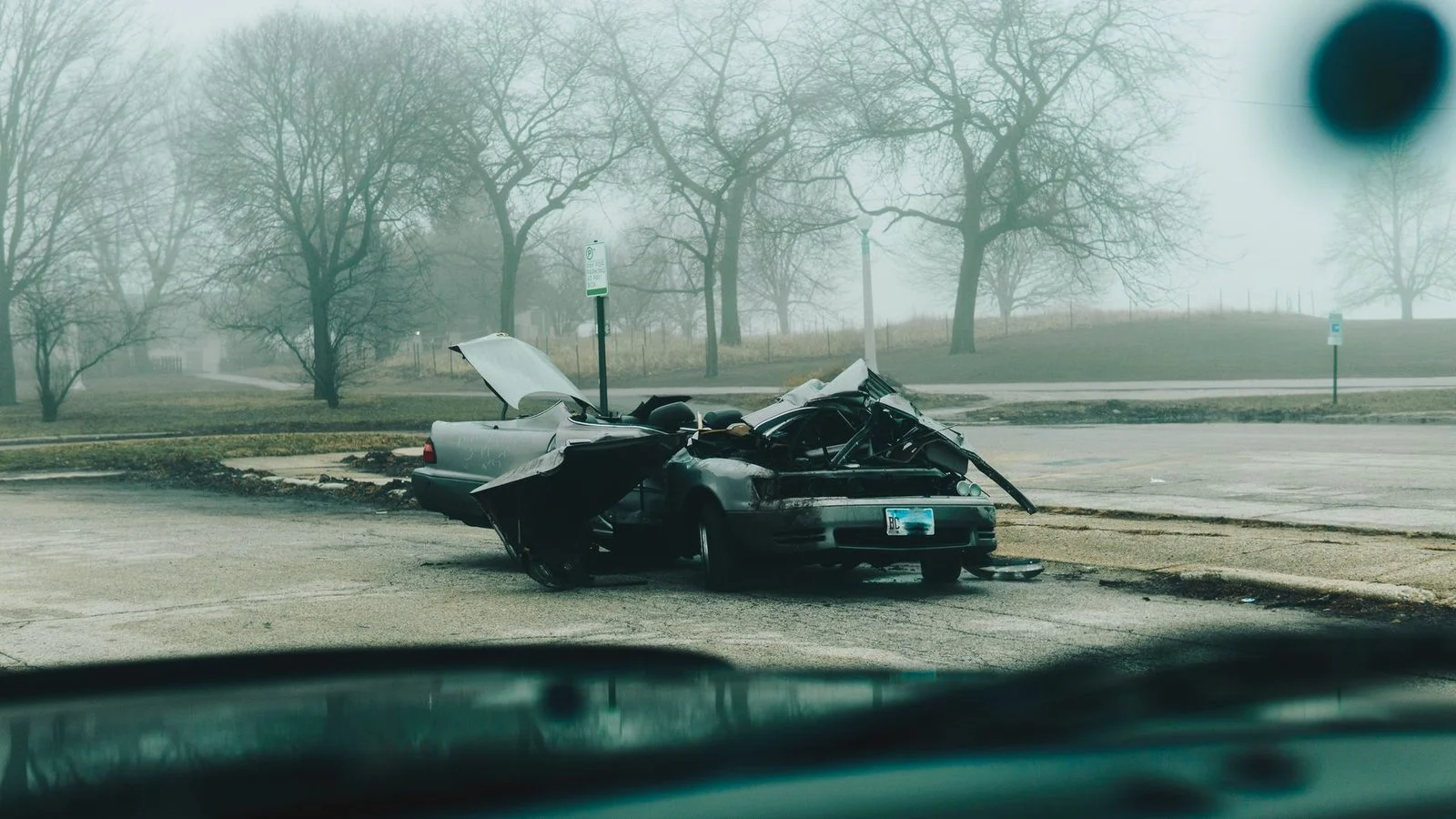
Evidence to Preserve and Next Steps After a Hazard Crash
A prompt medical evaluation is the first practical step after any crash. Some head and spinal injuries may not show symptoms right away. Medical records can matter later, and they may help connect the crash to the injuries, depending on the facts.
Useful evidence may include photos of the hazard and its surroundings, the crash report number, witness names, the vehicle’s final position, and any prior complaints or notices about the road. Keep phone photos and repair records. Write down what happened while the details are fresh.
Can you sue a city for a pothole crash in West Virginia?
Possibly. Under West Virginia law, a city may be liable for negligent road upkeep in some cases, depending on the facts.
Does the two-year deadline always apply?
It generally applies, but exceptions may apply, so check the dates early.
Can another driver be part of the claim?
If a pothole, sinkhole, or unmarked work zone was part of your crash, and you want to learn whether a government entity may be responsible, reach out to Big Bubba for a free case review of your facts.