
Car Accidents | Serving West Virginia
Hurt in a T-Bone Crash? Talk to a West Virginia Injury Lawyer
Side-impact collisions can cause serious, lasting injuries. Big Bubba Injury Law represents people hurt in car and commercial truck crashes across West Virginia. Request a free case review.
Published October 31, 2026
A T-bone car accident injury lawyer in West Virginia helps people hurt when the front of one vehicle strikes the side of another. The firm serves injured drivers, passengers and families across the state. This page explains how these crashes cause injury, who may be at fault and what the claim process looks like.
What a T-Bone Crash Is and Who This Page Is For
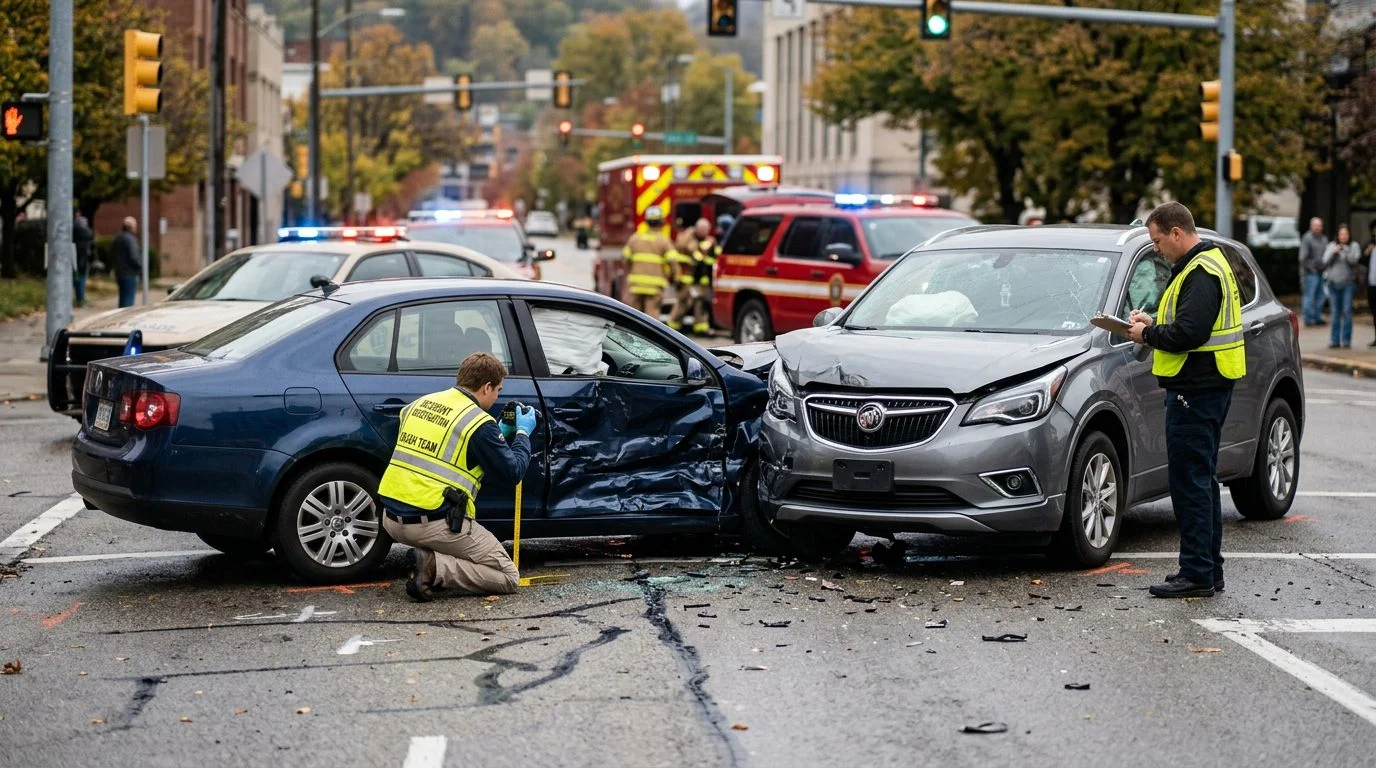
A T-bone crash is a side-impact collision where the front of one vehicle hits the side of another. These crashes often happen at intersections. A driver runs a red light, pulls out too soon, or turns in front of traffic.
The side of a vehicle has far less structure than the front or rear. Less material sits between the people inside and the force of the impact. That is why side-impact crashes can cause serious harm.
This page is written for three groups:
- Drivers and passengers hurt in a side-impact crash
- Family members facing a wrongful death after one
- People hurt in a crash involving a commercial truck or other commercial vehicle, which can add more parties to a claim
A side-impact crash that left you or a family member hurt may mean you have a claim, and you don't have to face the insurers alone. Tell us what happened. Talk it through with Big Bubba — the first case review is free, confidential, and carries no obligation.
What Injuries Are Common in Side-Impact Crashes?
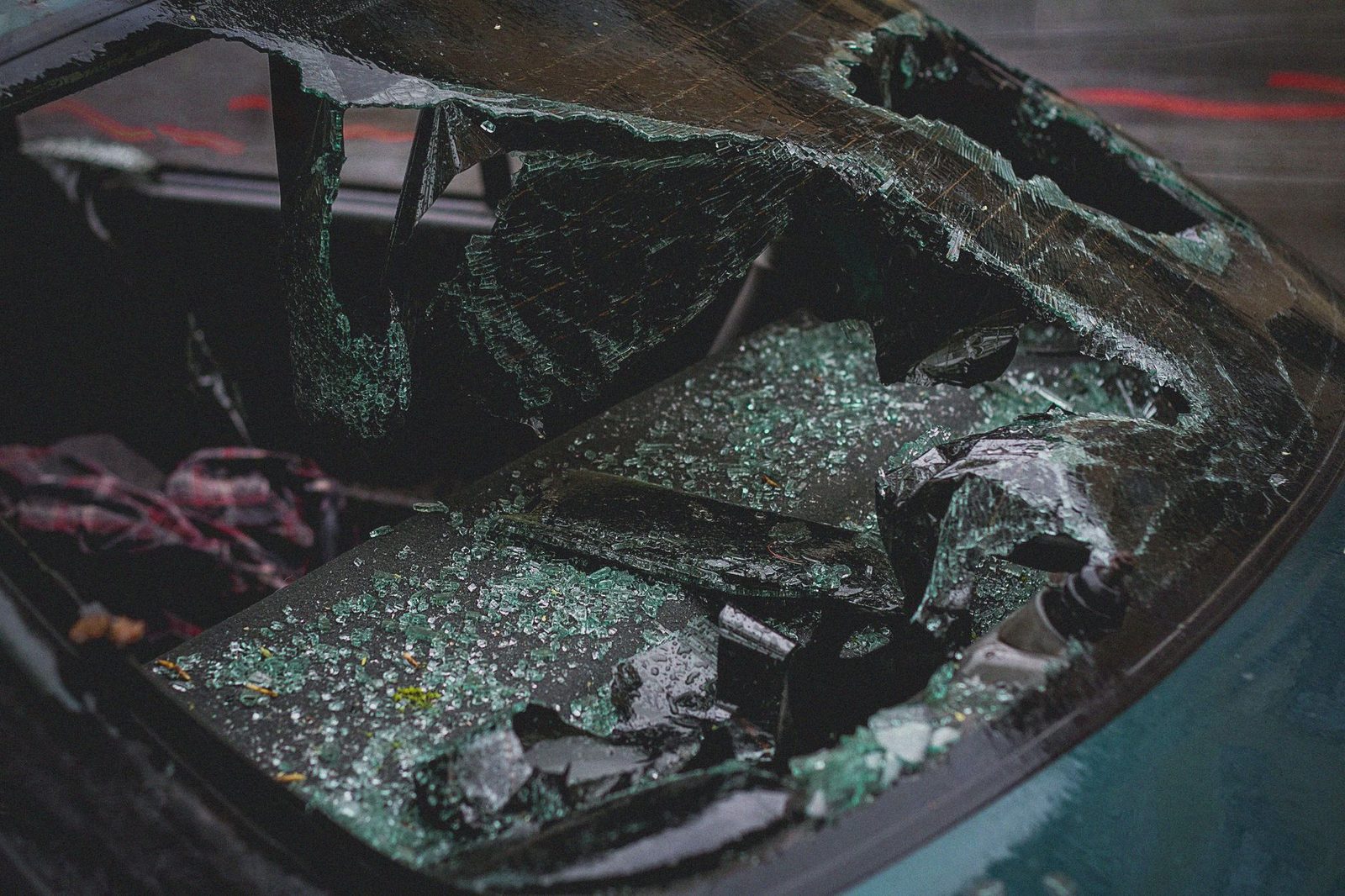
Side-impact crashes often cause head, neck, spine, rib and hip injuries. The body moves sideways toward the door, window and frame. Common injuries include:
- Head injuries from striking the window, door frame or pillar, including traumatic brain injury and skull fracture
- Neck and spinal cord injuries from forced sideways movement of the head and body
- Rib, pelvic, hip and shoulder fractures
- Internal organ injuries from direct side loading
The spinal cord has three layers of protective tissue. Cerebrospinal fluid surrounds it and acts as a cushion against shock or injury, according to NINDS spinal cord injury. Injury between the C1 and C4 segments can stop breathing, because those nerves control the diaphragm.
Some injuries do not show symptoms right away. That includes some brain injuries. Prompt medical evaluation matters, even if you feel fine at the scene.
Who May Be at Fault in a T-Bone Crash in West Virginia?
Fault depends on the facts, and more than one driver can share it. Common causes in these crashes include:
- Running a red light or stop sign
- Failing to yield on a left turn
- Unsafe lane changes
- Speeding
- Distracted or impaired driving
Under W. Va. Code § 55-7-13a, recovery in a personal injury or wrongful death case is based on principles of comparative fault, and liability is allocated to each person who proximately caused the damages, including the injured person, in direct proportion to that person’s percentage of fault. Under W. Va. Code § 55-7-13c, a plaintiff’s fault bars recovery only if it is greater than the combined fault of all other persons responsible for the damages. If it is less, the recovery is reduced in proportion to the plaintiff’s fault.
The same statute treats impaired driving differently. A defendant whose driving under the influence was a proximate cause of the damages is jointly and severally liable. That changes how the claim is structured.
When a commercial driver is involved, the employer and vehicle owner may also be part of the claim. Federal rules can require drug and alcohol testing after a commercial motor vehicle crash, as explained by FMCSA testing requirements. Police reports, camera footage and witness statements are often key evidence.
What Can a T-Bone Injury Claim Seek?
A claim can seek compensation for medical bills, lost income and the harm a serious injury causes. Under W. Va. Code § 55-7-6, wrongful death damages can include:
- Sorrow, mental anguish and loss of companionship and guidance
- Reasonably expected loss of the decedent’s income, and of services, protection, care and assistance the decedent provided
- Medical and hospital expenses tied to the fatal injury
- Reasonable funeral expenses
For injury claims, the list often includes:
- Past and future medical care, including emergency care, surgery, rehabilitation and long-term care
- Lost income and reduced earning ability
- Pain, suffering and loss of enjoyment of life
- In-home help, medical equipment and home changes after a serious injury
If a commercial vehicle crash causes a death, W. Va. Code § 55-7-6 allows the jury in the wrongful death action, or the court in a case tried without a jury, to award damages that seem fair and just.
The value of any claim depends on the injuries, the proof and the facts of the crash. No outcome can be promised.
What Happens After a T-Bone Crash? The Claim Process
The claim process starts with medical care and evidence. It then moves to the insurer and may reach a lawsuit. Here are the usual steps:
- Get medical care and keep every record, bill and appointment note.
- Preserve evidence: photos of the vehicles and scene, the crash report, and witness names.
- Be careful with recorded statements and quick settlement offers made before your injuries are understood.
- The firm reviews liability, gathers records and works with medical providers to document your injuries.
- The firm handles demands and negotiation with the insurer. If a fair resolution is not reached, a lawsuit may follow.
Deadlines matter. Under W. Va. Code § 55-2-12, a personal injury action must be brought within two years after the right to bring it accrued. Wrongful death actions must be commenced within two years after the death, under W. Va. Code § 55-7-6, subject to the provisions of section eighteen, article two, chapter fifty-five. W. Va. Code § 55-7-6 reads: “The provisions of this section shall not apply to actions brought for the death of any person occurring prior to July 1, 1988.” Some claims move faster or slower, depending on the injuries and the parties.
How the Firm Handles Side-Impact and Catastrophic Injury Claims
The firm handles car accidents, truck accidents, commercial vehicle accidents, catastrophic injuries, traumatic brain injury, spinal cord injury and wrongful death matters. We serve injured people across West Virginia, including Charleston, Huntington, Morgantown, Wheeling, Martinsburg, Parkersburg, Beckley, Clarksburg, Fairmont and Weirton.
For a side-impact case, the firm:
- Reviews the crash facts and identifies responsible parties
- Communicates with insurers and medical providers
- Uses support staff to help with records and scheduling
The firm offers a free case review. It is confidential and carries no obligation to continue. You can use it to talk through what happened and what questions to ask next.
Not sure what your next step is?
Talk it through with Big Bubba — the first case review is free, confidential, and carries no obligation.
Common Questions After a T-Bone Crash
Most questions after a T-bone crash come down to your health, fault and deadlines.
Should I see a doctor if I feel fine?
Yes. Some serious injuries, including brain injuries, may not show symptoms right away.
What if the other driver says I caused the crash?
Fault is decided on the facts. West Virginia’s comparative fault rule does not bar recovery unless your fault is greater than the combined fault of all other persons responsible for the total amount of damages, and if your fault is less, your recovery is reduced by your share of fault (W. Va. Code § 55-7-13c).
What if the other vehicle was a truck?
Other parties, such as the carrier, may be involved. Different evidence may also apply.
Can a family bring a wrongful death claim?
Yes. A wrongful death action is brought by the decedent’s personal representative. The firm can explain how it differs from an injury claim.
How long do I have to file?
Generally two years under West Virginia law. Acting sooner helps protect evidence.
If a T-bone crash hurt you or someone you love in West Virginia, you may have a claim, and you don’t have to sort it out alone. Tell the firm what happened and request a free case review.