
West Virginia Injury and Wrongful Death Claims
When a Crash Injury Turns Fatal, Your Family Deserves Clear Answers
Learn how a survival claim differs from a wrongful death claim, and how the firm can review what happened to your loved one.
Published November 1, 2026
A survival claim lets the estate of a person hurt in a car accident bring the harm that person suffered before death. In West Virginia, it is separate from a wrongful death claim, which covers the losses of surviving family members. One fatal crash can give rise to both. This page explains who may bring each claim, the key time limits, and the first steps families often take.
What a Survival Claim Is and How It Differs From a Wrongful Death Claim
A survival claim carries forward the injury the person suffered before they died. A wrongful death claim covers what the surviving family lost because of the death.
Under West Virginia law, causes of action for injuries to a person generally survive that person’s death. The West Virginia survival statute lets the claim continue even after the injured person dies.
A wrongful death claim is separate. The West Virginia wrongful death statute looks at losses such as lost income, lost services, protection, care and assistance the decedent provided, and the family’s loss of companionship and guidance.
Families often hear about one claim and not the other. The two can arise from the same crash. They may be handled together or separately, depending on the facts and the parties involved.
If someone you love died after a crash, you may have questions about the claims open to your family, and the firm invites you to talk through your situation in a free case review. Talk it through with Big Bubba — the first case review is free, confidential, and carries no obligation.
Who May Bring a Survival Claim in West Virginia
A survival claim in a West Virginia car accident is generally brought by the personal representative of the estate.
The wrongful death statute says the action must be brought by a personal representative who has been duly appointed. The court or jury may direct how any recovery is shared among people such as the surviving spouse, children, parents, siblings, and certain dependents.
The exact steps depend on the family’s situation and the court’s process.
A filing deadline is one rule families should know about. The wrongful death statute says every such action must be brought by the personal representative of the deceased person; the bar on suits after the injured person settled and accepted payment is in a separate statute. The wrongful death statute on compromise sets out that bar.
Who may be involved depends on the facts. The firm can review who may be involved in a specific family’s situation.
Damages That May Be Part of a Survival Claim
The categories that apply depend on the facts of each case.
Harm before death may include:
- Medical bills for care received before death
- Pain and suffering between the crash and the death
The wrongful death statute lists categories that can include reasonable funeral expenses, care and hospital costs tied to the injury, and the family’s reasonably expected loss of income and services. The jury must also state certain medical and funeral expenses separately.
Records help prove each category. Useful records include EMS and hospital records, itemized bills, pay records, and statements from family members about the person’s daily life and work.
Funeral costs are often discussed alongside these claims. Who paid them can matter, depending on the facts.
No result can be predicted from general information. Each claim turns on its own records and facts.
Crash Evidence and the Police Report
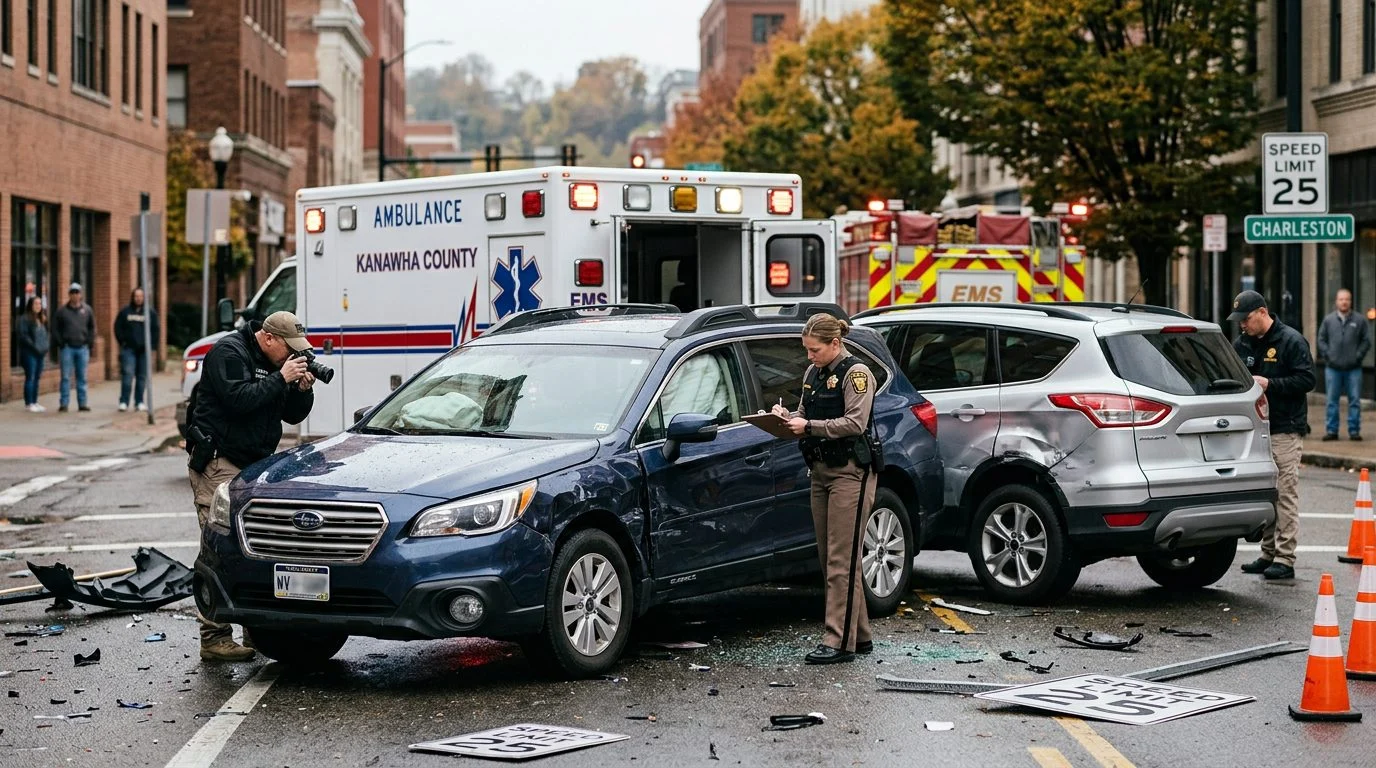
A police crash report is usually the first official record of a fatal crash. Investigators and attorneys often use it as a starting point.
A report may be completed or updated after the scene. A late or changed report does not, by itself, decide a claim, depending on the facts.
If the family has uninsured motorist coverage, the policy statute sets reporting steps. The insured generally must report the crash to police within twenty-four hours after discovering it, if able, unless police already investigated. The uninsured motorist statute also requires notice to the insurer within sixty days when the other driver is unknown.
Commercial carriers keep their own records. Federal motor carrier general regulations require motor carriers to keep an accident register for three years.
Other evidence families may want preserved includes photographs, vehicle data, dash camera footage, witness names, and a timeline of medical care. Vehicles can be repaired or sold, and video can be overwritten. Early requests to preserve evidence may matter.
Time Limits to Keep in Mind
West Virginia generally allows two years to file a wrongful death claim, counted from the date of death. The wrongful death statute says this is subject to other provisions of the law, so exceptions may apply.
Under the survival statute, a claim begun after the injured person dies must be instituted within the same period of time that would have been applicable had the injured party not died, and it must not already be barred by the applicable statute of limitations at the time of death.
Personal injury claims have their own timing. The personal actions statute generally sets two years after the right to bring the claim accrues, and exceptions may apply.
A claim filed after the deadline may be barred. Asking early helps families keep track of these dates. The right date depends on the facts, including when the claim accrued and whether an estate is open.
What to Expect From the First Steps Forward
The steps in a claim can vary, and the order and timing depend on the facts.
- Confirm the basic facts. Note the date, place, and cause of the crash as responders documented them.
- Check the estate. Find out whether an estate is open and who may act for it.
- Gather and preserve records. Collect medical, crash, vehicle, and employment documents.
- Identify who may be responsible. If another driver was at fault, that driver’s insurer may be involved. Fault can be divided among several people. Under the comparative fault statute, a claim is generally barred only when the injured person’s fault is greater than everyone else’s combined. Otherwise, recovery is reduced by that person’s share. In truck cases, the employer’s hiring practices may matter.
- Evaluate the claims together. Review which claims may apply and what information is still missing.
No particular length of time can be promised for these steps. Each case moves at its own pace.
Not sure what your next step is?
Talk it through with Big Bubba — the first case review is free, confidential, and carries no obligation.
How the Firm Helps Families With These Claims
The firm handles car accident, truck accident, commercial vehicle, catastrophic injury, traumatic brain injury, spinal cord injury, and wrongful death matters across West Virginia.
The firm’s work on these claims includes gathering records, communicating with insurers for the family, and preparing claims for filing.
The firm offers a free case review. It is a confidential first conversation with no obligation to continue. Families can describe what happened, share the paperwork they have, and ask how these claims may apply to their facts.

Common Questions Families Ask
After a fatal crash, families may have questions about what comes next. Short answers are below.
Can a survival claim and a wrongful death claim both be filed?
They are different claims, and both may apply, depending on the facts.
Does the injured person have to die right away for a survival claim to apply?
The time between the crash and the death may matter, depending on the facts.
What if the other driver was uninsured?
Some insurers may dispute a claim, and coverage questions depend on the policy and the facts.
What if the crash report was late?
A late report alone does not decide a claim, depending on the facts.
Where should a family start?
Start by preserving records, noting key dates, and asking how the deadlines apply to the family’s situation.
If your family is still deciding what to do after a fatal crash, you do not have to sort out the dates and paperwork alone. request a free case review and tell Bubba what happened.
Related practice areas
- Traumatic Brain Injury from Car and Truck Accidents in West Virginia
- Pedestrian Hit by Semi Truck West Virginia: Guide