
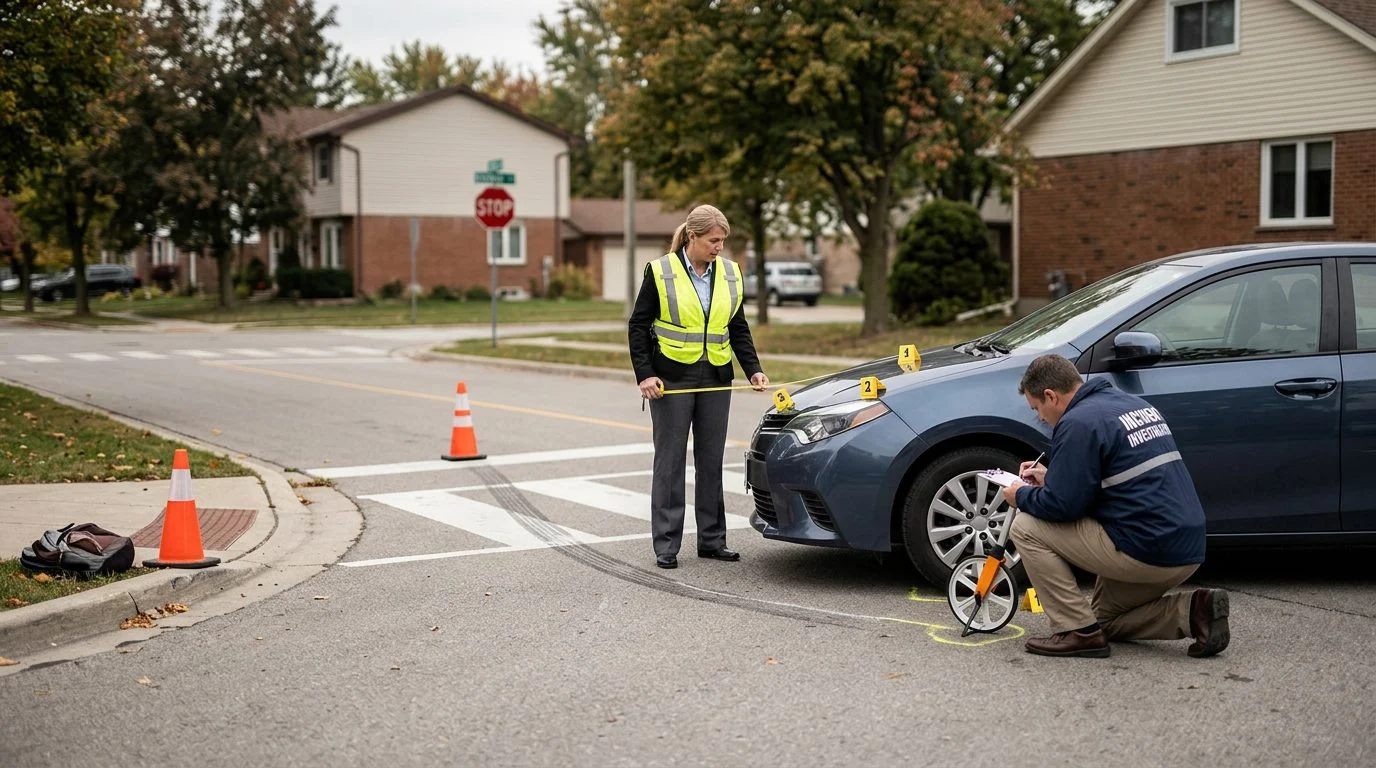
Car Accident Injury
Traumatic Brain Injury After a Car Accident
If a crash left you with a head injury, you deserve support navigating recovery and your claim. Big Bubba Injury Law helps West Virginia families understand their options.
Published October 04, 2026
Traumatic Brain Injury Claim After a Car Accident: What You Need to Know
A traumatic brain injury (TBI) from a car accident is a serious injury that affects how your brain works—and it often means months or years of medical treatment, lost income, and life changes. A TBI claim is a legal action to recover compensation for all those costs and impacts. If you were injured in a West Virginia car crash, you may have the right to pursue damages from the at-fault driver’s insurance or in court. Here’s what you need to know.

Not sure what your next step is?
Talk it through with our team — the first case review is free, confidential, and carries no obligation.
What Is a Traumatic Brain Injury Claim After a Car Accident?
A traumatic brain injury claim is a personal injury lawsuit seeking monetary compensation for brain damage caused by a car accident.
When a vehicle crashes, the sudden impact, acceleration, deceleration, and rotational forces can cause your brain to move and shift inside your skull. This motion damages brain tissue and nerve fibers, leading to TBI. TBI differs from other car accident injuries because it’s often invisible—you may feel fine immediately after the crash but develop serious symptoms days or weeks later.
A TBI claim applies to drivers, passengers, and pedestrians hit by vehicles. It matters legally because traumatic brain injuries often involve long-term care, lost earning power, and profound changes to your quality of life. Your claim should reflect that reality.
Big Bubba represents West Virginia car accident victims with traumatic brain injuries. We help you understand what your injury is worth, gather the evidence needed to prove it, and pursue fair compensation from the responsible party.
What Does a Traumatic Brain Injury Claim Cover?
A TBI claim covers the full scope of damages caused by your injury—not just immediate medical bills.
Medical expenses include emergency care, CT scans and MRI imaging, surgery, rehabilitation, ongoing specialist visits, and medications. If your injury requires long-term treatment, your claim accounts for anticipated future care.
Lost wages and earning capacity cover time you miss from work while recovering. If your TBI affects your ability to work at your previous level or in your previous job, your claim includes the difference in lifetime earning potential.
Pain and suffering compensates for physical pain, emotional distress, anxiety, depression, and loss of enjoyment of life—all real consequences of brain injury that insurance companies often undervalue.
Caregiver costs apply if family members or hired caregivers help you with daily tasks, transportation, or supervision.
Adaptive equipment and home modifications cover wheelchairs, walkers, ramps, bathroom modifications, or other equipment needed to live safely with your injury.
Future medical care reflects the anticipated treatment, monitoring, and support you’ll need over years or a lifetime.
How to Prove a Traumatic Brain Injury in Your Claim
Proving a TBI requires medical evidence, documentation, and often expert testimony.
Medical records and diagnosis form the foundation of your case. Your doctor’s notes, the initial emergency-room evaluation, and a formal TBI diagnosis are critical. Many TBI victims aren’t hospitalized immediately, so seeking medical evaluation as soon as symptoms appear—even days after the crash—is essential.
Imaging and diagnostic tests show the injury’s physical reality. CT scans and MRI reveal bleeding, swelling, or structural damage to brain tissue. Neuropsychological testing measures cognitive changes like memory loss, attention problems, and processing speed. These tests give your claim concrete, measurable proof of injury.
Ongoing treatment documentation strengthens your case. Therapy sessions, rehabilitation visits, specialist appointments, and medication records show the injury’s severity and your recovery path. Keep detailed records of every treatment.
Personal testimony and daily impact records matter deeply. Document how the injury affects your work, relationships, sleep, mood, and ability to do things you enjoyed before the crash. Write down specific examples: memory lapses, difficulty concentrating, mood changes, or activities you can no longer do.
Expert testimonies support your claim. Neurologists, rehabilitation specialists, and vocational experts can explain the injury’s mechanism, your prognosis, and your reduced earning capacity. Their opinions carry weight with insurance companies and juries.
Acting quickly preserves evidence. Accident scene photos, police reports, and witness statements fade in memory or disappear. Medical records gathered early create a clear timeline of your injury and recovery.
Have questions about what happened?
Ask our team directly. The first conversation is free, confidential, and there is no obligation to continue.
Step-by-Step: How a Traumatic Brain Injury Claim Works
Understanding the process helps you feel less overwhelmed and know what to expect.
Step 1: Seek immediate medical attention. Even if you feel okay after the crash, get evaluated by a doctor. Many TBI symptoms—headache, dizziness, memory problems, mood changes—appear hours or days later. A medical evaluation creates a documented record of your injury.
Step 2: Gather evidence. Collect photos of the accident scene, vehicle damage, and your injuries. Get the police report, witness contact information, and statements. Save all medical records, test results, and treatment documentation.
Step 3: Report to the at-fault driver’s insurance. Notify their insurer of the accident and your injuries. Do not accept a settlement offer without legal review—insurers often undervalue TBI claims.
Step 4: Consult with Big Bubba. We review your case, explain your legal rights, and discuss your options. We listen to what happened and answer your questions.
Step 5: Investigation and documentation. We work with medical experts to build your case. We obtain your medical records, arrange independent evaluations if needed, and document the injury’s impact on your life.
Step 6: Negotiation or litigation. We pursue fair compensation. Many cases settle during negotiation; others proceed to trial. We handle both paths.
Timeline: TBI claims typically take months to years, depending on injury severity, treatment duration, and whether liability is disputed. Patience often leads to better outcomes.
What Happens to Your Brain in a Car Accident?
Understanding the injury’s mechanism helps you see why medical evidence matters.
During a car crash, your brain—which floats in fluid inside your skull—moves suddenly. The impact causes acceleration and deceleration forces, and sometimes rotational spinning. This motion tears nerve fibers (axons) and damages brain cells.
Focal injuries occur at the point of impact—bruising or bleeding in a specific area. Diffuse axonal injuries involve widespread damage to nerve fibers throughout the brain, affecting communication between brain regions. Both types cause cognitive, physical, and emotional symptoms.
Symptoms may appear immediately or develop over hours and days. Headache, confusion, nausea, and dizziness are common early signs. Cognitive problems—memory loss, difficulty concentrating, slower thinking—often emerge later. This delayed presentation is why many TBI victims don’t realize they’re injured at first.
Medical imaging reveals the injury’s physical reality, which is crucial for proving your claim to insurance companies and, if necessary, to a court.
Emotional and Mental Health Impact of Traumatic Brain Injury
TBI affects not just how your brain works but how you feel and relate to others.
Cognitive changes include memory loss, difficulty concentrating, slower information processing, and trouble organizing thoughts. You may struggle with tasks that were once automatic.
Mood and personality changes are common and often unexpected. Depression, anxiety, irritability, and emotional dysregulation (difficulty controlling emotions) can strain relationships and make work difficult.
Loss of enjoyment and quality of life reflects your inability to pursue hobbies, spend time with loved ones, or work in your previous capacity. These losses are real damages—they’re compensable in your claim, though insurance companies often minimize them.
Why this matters in your claim: these impacts are not imaginary. They’re documented consequences of brain injury, and they deserve compensation.
Common Questions About Traumatic Brain Injury Claims After Car Accidents
What is the typical healing timeline for severe traumatic brain injury?
Recovery varies widely. Some people improve significantly within months; others require years of rehabilitation and ongoing treatment. Your claim accounts for your specific recovery path and anticipated future care.
What is chronic traumatic brain injury?
Chronic TBI refers to long-term effects—cognitive, physical, and emotional symptoms—that persist months or years after the initial injury. Your claim covers ongoing treatment and the permanent impact on your life.
How much is a traumatic brain injury worth?
No two cases are identical. Compensation depends on medical costs, lost income, severity, age, and the injury’s impact on your life. We evaluate your specific situation and explain what your claim may be worth.
What if I wasn’t hospitalized immediately?
Many TBIs aren’t diagnosed right away. Seek medical evaluation as soon as symptoms appear. Medical records, ongoing treatment documentation, and your personal testimony can still help document your injury.
Do I need a lawyer?
Insurance companies often undervalue TBI claims because the injury is invisible and recovery is unpredictable. A lawyer ensures you understand your rights and pursue fair compensation, not a quick settlement that leaves you short.
What if the accident was partly my fault?
West Virginia follows a modified comparative fault rule. You can recover damages even if you’re partially at fault—as long as your fault is not greater than the combined fault of all other parties. Under W. Va. Code § 55-7-13c, we explain how this affects your claim and what you may recover.
Want to know where you stand?
Tell us what happened and our team will walk you through the options available to you, at no cost.
Why Big Bubba Handles Traumatic Brain Injury Claims
Big Bubba Injury Law handles traumatic brain injury claims for West Virginia car accident victims. We understand the medical, financial, and personal impact of TBI. We look closely at how an insurance company values your claim and push back if an offer seems too low.
We serve all 55 West Virginia counties, including Charleston, Huntington, Morgantown, Wheeling, Martinsburg, Parkersburg, Beckley, Clarksburg, Fairmont, and Weirton. No matter where you live in West Virginia, you can reach us.
No attorney fee unless we win; clients remain responsible for case costs. You’re responsible for court costs and case expenses. We handle the legal work.
You have direct access to discuss what happened. Call us to tell your story; we listen and explain your next steps.

What to Do Right Now if You Have a Traumatic Brain Injury from a Car Accident
Seek medical care immediately if you haven’t already—even if symptoms are mild or appeared days after the crash.
Keep all medical records, test results, and treatment documentation. These are the evidence your claim is built on.
Document how the injury affects your daily life, work, and relationships. Write down specific examples and changes you’ve noticed.
Do not accept an insurance settlement without legal review. Insurers often offer less than your claim is worth.
Contact Big Bubba for a free case review. We’ll explain what your injury may be worth, what evidence matters, and what happens next.
West Virginia’s statute of limitations generally allows two years to file a personal injury lawsuit, counted from when the right to bring the action accrued, and exceptions may apply. Don’t wait. The sooner you act, the sooner we can help you pursue compensation for your injuries.
Related practice areas
- Traumatic Brain Injury from Car and Truck Accidents in West Virginia