
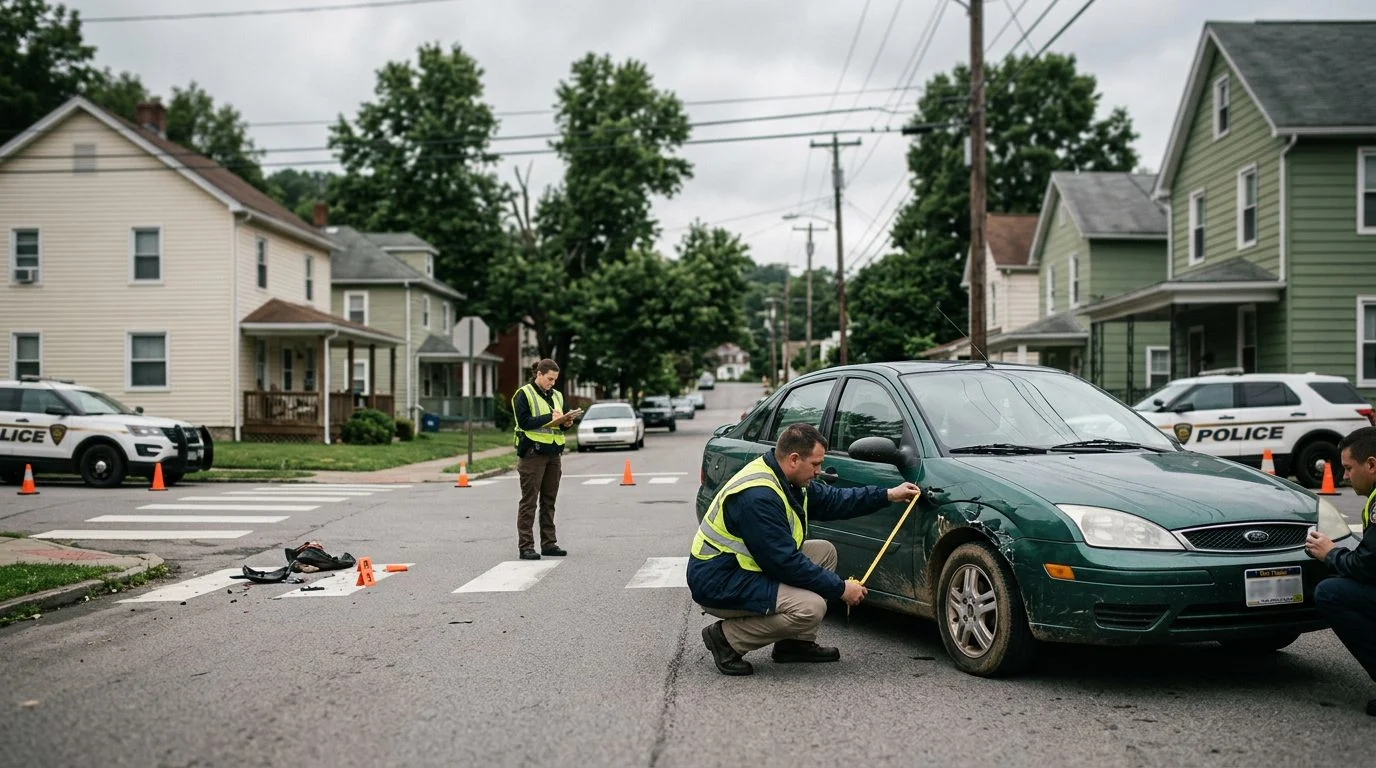
Brain Injury After a Car Accident · West Virginia
Understanding Brain Injury After a Car Accident
Head injuries after a crash are not always obvious at first. Learn what separates a mild injury from a severe one, and how the firm can help you decide your next step.
Published November 19, 2026
After a car crash, a bump to the head can seem minor at the scene and feel very different days later. This page explains how doctors separate a mild brain injury from a severe one.
In short, a mild brain injury is usually a concussion, and a severe brain injury involves more extensive damage. Doctors make the diagnosis, and these labels describe medical categories, not how any one person will recover.
Mild Versus Severe Brain Injury: What the Terms Mean
A mild brain injury is most often a concussion, while a severe brain injury involves more extensive damage to the brain.
“Brain injury” is a broad term. A traumatic brain injury (TBI) happens when an outside force damages the brain. The Administration for Community Living notes that automobile accidents can cause TBIs.
A concussion is the most common form of mild TBI, and it is still a real brain injury. A study of CDC concussion guidance explains that concussions may have serious short- and long-term consequences.
Severe TBI means the damage is more extensive. These injuries are usually recognized quickly, through emergency evaluation and imaging.
The word “mild” can be misleading. It describes the injury category, not how disruptive symptoms feel from day to day. A person with a mild label can still struggle at work, at home, and behind the wheel.
For the broader picture of brain injuries from crashes, read our traumatic brain injury overview.
If a head injury from your crash still brings headaches or confusion, we can talk through what happened in a free case review. Talk it through with Big Bubba — the first case review is free, confidential, and carries no obligation.

How Doctors Classify Brain Injury Severity
Doctors classify severity mainly by how the brain is working right after the injury and by what imaging shows.
One common tool is the Glasgow Coma Scale. It scores eye opening, spoken response, and movement, and the scores are added together. A lower total generally points to a more serious injury, and a higher total generally points to a milder one.
Clinicians also ask other questions. They ask whether you lost consciousness and how long. They ask how long confusion or memory gaps lasted. They may order a CT scan to look for bleeding, bruising, or a skull fracture.
Clinicians also consider the time after injury. The first evaluation may happen at the scene or in an emergency bed, and early notes can be brief. Later visits add detail, so the picture often becomes clearer over time.
Providers don’t all use the same grading approach. One doctor’s description may sound different from another’s. The first label can also change as symptoms develop over the following days. A Georgia brain injury review notes that mild TBI can be difficult to diagnose.
Side-by-Side Comparison: Mild Versus Severe Brain Injury
In general, a mild injury is more often brief and may show no clear damage on early imaging. A severe injury is more often marked by lasting or worsening signs.
| Feature | Mild (concussion) | Severe |
|---|---|---|
| Usual label | Mild TBI or concussion | Severe TBI |
| Loss of consciousness | Often brief, or none | Often longer or prolonged |
| Early symptoms | Headache, dizziness, or confusion that may ease over days | Worsening headache, repeated vomiting, seizures, or drowsiness |
| Early imaging | May show no clear damage | More often shows bleeding, bruising, or swelling |
| Usual care | Medical check and follow-up | Emergency evaluation, possible hospital admission |
Symptoms can overlap, so a medical evaluation is needed to tell the two apart. Treat the table as a starting point for questions, not a verdict. Ask your provider which findings apply to you and why.
Mild Brain Injury (Concussion): Symptoms to Watch For
Common concussion symptoms include headache, dizziness, nausea, sensitivity to light or noise, trouble concentrating, memory problems, and sleep changes.
Some symptoms may not appear right away. The Georgia brain injury review states that TBI effects may be long-lasting and may not be immediately apparent after an accident. That is why someone who felt fine at the scene should still be checked.
Recovery time varies widely from person to person. A clinician should guide questions about recovery, including when activities such as driving or work may resume.
A common mistake is to push through symptoms and assume they will fade on their own. Some people keep working or driving while headaches and fogginess build. Tell your doctor about every symptom, even the ones that seem small.
Some clinicians recommend waiting for symptoms to settle before returning to sports or heavy activity. That decision belongs with your medical team. Persistent or worsening symptoms call for prompt medical follow-up.
Severe Brain Injury: Warning Signs That Need Emergency Care
Warning signs of a severe brain injury include repeated vomiting, a worsening headache, seizures, slurred speech, weakness or numbness, unequal pupils, and unusual drowsiness or trouble waking.
Anyone with these signs should seek emergency medical help right away. Don’t wait to see how symptoms progress. Some families wonder whether a person who seems okay at home can wait until morning. If any of these signs appear, don’t wait.
Severe injuries are usually evaluated in an emergency department. The evaluation may involve imaging and may lead to hospital admission or neurosurgical care.
State law also sets duties after a crash with injury. W. Va. Code § 17c-4-6 requires the driver of a vehicle involved in a crash resulting in injury to or death of any person, or total property damage to an apparent extent of $1,000 or more, to immediately notify the local police department if the crash occurs within a municipality, otherwise the county sheriff or the nearest West Virginia State Police office. Our page on what to expect in the emergency room after a crash walks through that process.
Why Repeated Concussions Call for Medical Attention
A second head injury before the first has healed can be more concerning to clinicians than a single concussion.
That is why any earlier head injury matters. Tell every treating provider about past concussions, including ones from years ago or from sports.
Writing down when headaches start, what seems to trigger them, and when you noticed memory trouble can help your clinician. Notes like these make the medical history clearer.
Neck and head forces overlap in rear-end crashes. Our rear-end whiplash page covers how those forces can affect the neck and head together. A clinician makes the call on whether a head injury is present.
Persistent symptoms after a second injury deserve careful medical review.
Not sure what your next step is?
Talk it through with Big Bubba — the first case review is free, confidential, and carries no obligation.
Why Medical Records Matter When a Brain Injury Claim Is Considered
Medical records are often central to showing how a brain injury affected daily life, so early and consistent documentation matters.
West Virginia generally allows two years to file a personal injury lawsuit, and exceptions may apply. The statute is W. Va. Code § 55-2-12, so timing is worth reviewing early.
West Virginia applies comparative fault rules. Under W. Va. Code § 55-7-13c, a plaintiff’s fault does not bar recovery unless it is greater than the combined fault of others responsible. If the plaintiff’s fault is less than the combined fault of all other persons, recovery is reduced in proportion to the plaintiff’s own fault.
If another driver was at fault, the injured person’s claim turns on the evidence. Some insurers may dispute a claim, and the medical record can become a focus of that dispute.
Delayed diagnosis or gaps in treatment can complicate how records are read. Keeping appointments and following medical advice helps the record tell the story. This documentation may be relevant, depending on the facts.
When a commercial truck is involved, federal rules apply alongside state law. A crash in a work vehicle can also raise questions about who may be responsible, covered on our employer vehicle crash page.
Which Situations Point Toward Which Category
A brief or absent loss of consciousness, symptoms that ease over days, and little visible damage on imaging often point toward a mild category. That pattern still needs medical follow-up.
Loss of consciousness that lasts, a worsening course, abnormal imaging, repeated vomiting, or seizures often point toward a severe category and urgent evaluation.
This is general information, not a diagnosis. Doctors make the diagnosis, and any symptoms should be reported to a clinician.
What are the levels of a traumatic brain injury?
Doctors commonly describe brain injuries as mild or severe. The grade depends on symptoms, scoring, and imaging.
Is a concussion a traumatic brain injury?
Yes. A concussion is a mild form of traumatic brain injury, according to a study of CDC concussion guidance.
Can brain injury symptoms show up days later?
Yes. Some symptoms may not appear right away after a crash, so follow-up matters even when you feel fine at first.
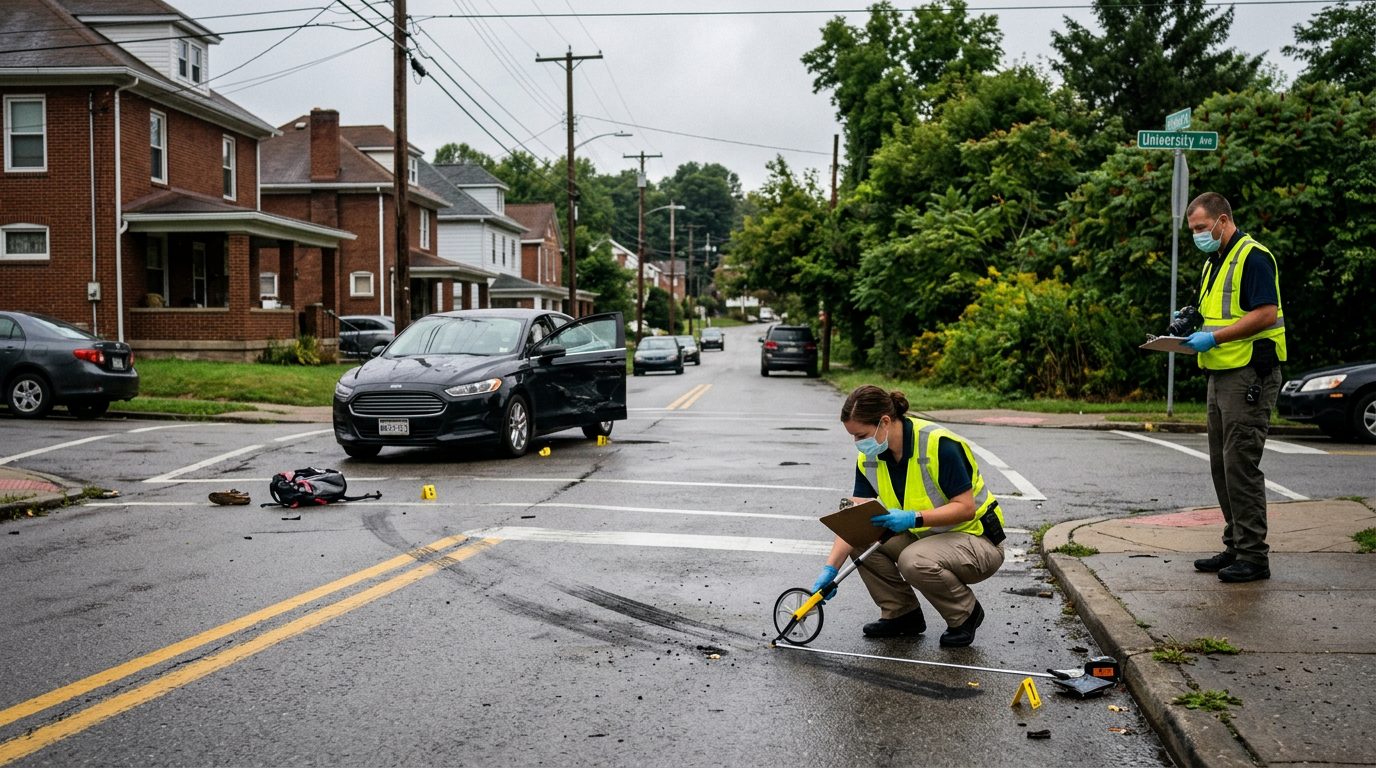
Talking Through a Head Injury After a Crash
If your head struck the steering wheel, a window, or a headrest and you still have headaches or confusion, you don’t have to sort it out alone.
Many people keep up with doctor visits while also wondering whether someone else should be held responsible. Write down your symptoms, keep your appointments, and save any crash paperwork you have.
Family members who care for a crash victim have their own questions. You’re welcome to bring them to the conversation.
We serve injury victims across West Virginia, including Charleston and Huntington. Our team can talk through the crash, your symptoms, and your medical records in a free case review. Reach out through our contact page.