
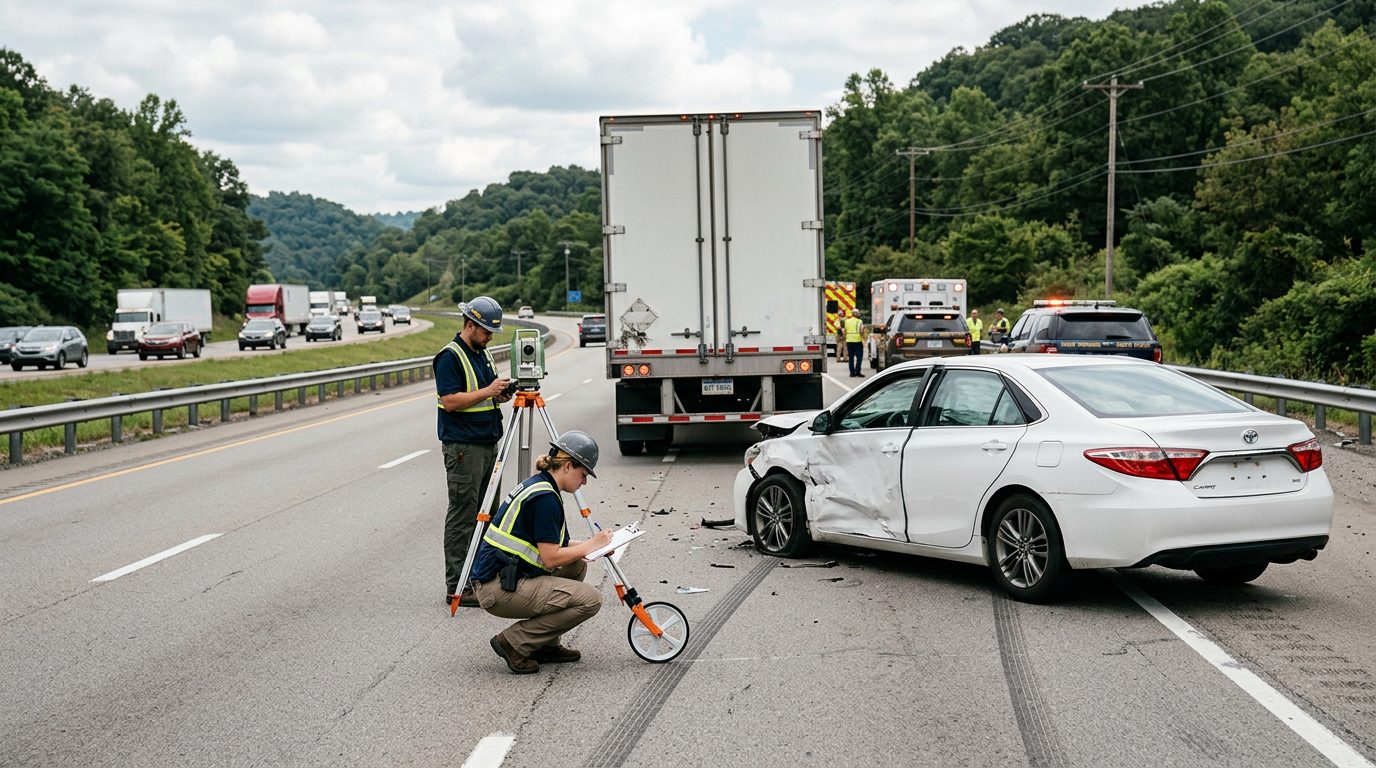
Car Crash Spinal Cord Injury | West Virginia
Spinal Cord Injury From a Car Crash? Start With a Free Case Review
Talk with the firm about what happened, what you are facing, and what questions to ask next.
Published November 13, 2026
A car or truck crash can cause a spinal cord injury, and the questions arrive fast. The firm offers a free case review, a confidential first meeting with no obligation to continue, where we look at how the crash happened, the injury, and who may be responsible.
This page covers what that review includes, how crashes can damage the spinal cord, and the West Virginia deadlines that matter most. Each point is explained in plain language, with the law linked where it applies.
What a Spinal Cord Injury Case Review Covers
A spinal cord injury case review looks at the crash, the injury, and the insurance and responsibility questions together. These pieces affect one another, so reviewing them side by side makes the next steps clearer.
The review is open to injured adults and to family members acting for someone hurt in a car or commercial truck crash. You can request it for yourself or for a relative who cannot make the call.
We handle car accident, truck accident, commercial vehicle, catastrophic injury, traumatic brain injury, spinal cord injury, and wrongful death matters. If a head injury happened in the same crash, the review can include it too. We serve injury victims across West Virginia, including Charleston, Huntington, Morgantown, Wheeling, Martinsburg, Parkersburg, Beckley, Clarksburg, Fairmont and Weirton.
If a car or truck crash left you or someone you love with a spinal cord injury, you may have a claim, and the firm can review those facts with you in a free case review. Talk it through with Big Bubba — the first case review is free, confidential, and carries no obligation.
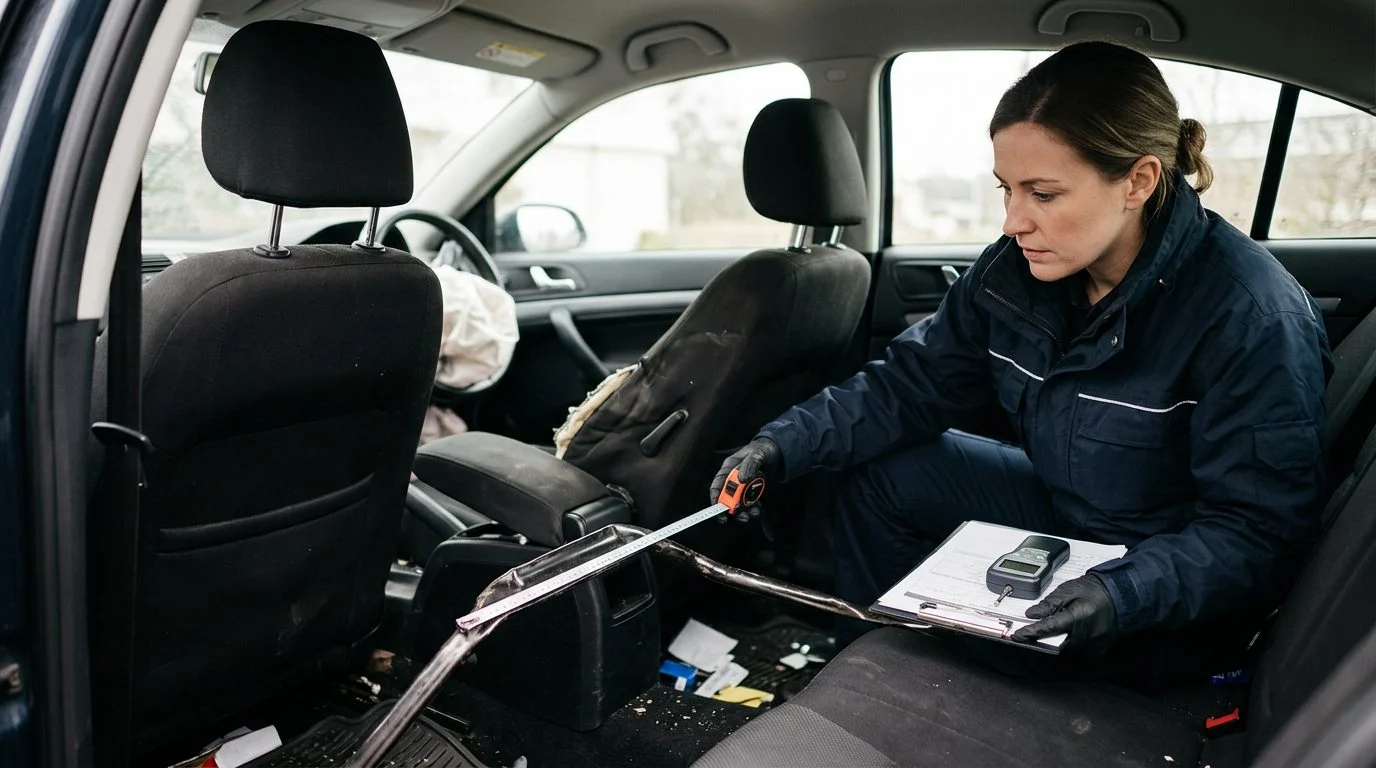
How a Car Crash Can Damage the Spinal Cord
A car crash can injure the spinal cord through impact, twisting, compression, or a sudden stop. Injuries like this can happen even when a bone does not look badly broken from the outside.
The spinal cord has three layers of protective tissue, and cerebrospinal fluid surrounds it to cushion shock (NINDS spinal cord injury overview). When crash forces overwhelm that protection, the nerve signals passing through the injured area can be disrupted.
Location matters. Nerves in the upper neck, from C1 to C4, help control the diaphragm, so an injury there can affect breathing. The same NINDS overview explains that nerves from C1 to C7 also send signals to the arms and hands.
Doctors describe spinal cord injuries as complete or incomplete, and only a treating doctor can make that call. Symptoms may show up right away or develop later. Numbness, weakness, tingling, or new neck or back pain after a crash calls for prompt medical evaluation.
Who May Be Responsible After a West Virginia Crash
Responsibility turns on how the crash happened, and more than one person or company may share it. If another driver was at fault, that driver or the driver’s insurer may be a source of compensation.
In a truck or commercial vehicle crash, the driver, the trucking company, or another party that controlled the vehicle may be involved. A claim can name more than one defendant.
Under W. Va. Code § 55-7-13c, your own share of fault does not bar recovery unless it is greater than the combined fault of all other persons. W. Va. Code § 55-7-13c reads: “(c) Any fault chargeable to the plaintiff shall not bar recovery by the plaintiff unless the plaintiff’s fault is greater than the combined fault of all other persons responsible for the total amount of damages, if any, to be awarded.”
Claims against a city, county, or the state may have their own rules and deadlines, so they are worth reviewing early.
What the Firm Reviews in Your Case
The firm reviews the records that show how the crash happened and how the injury has affected your life. Gathering them early makes the review more useful.
Key items include:
- Police and crash reports
- Medical records, imaging, and treatment notes
- Photos of the scene and the vehicles
- Witness names and contact information
- Vehicle data, when it still exists
- Insurance policies that may apply, including the at-fault driver’s coverage and any coverage that may be available to you
Some insurers may dispute a claim, so organized records help. If your vehicle was totaled, its damage records can also matter. We help you list lost income, medical care, and-living needs, such as help with housework or driving, so nothing gets left out.
How the Case Review Process Works
The case review moves through four steps, from first contact to a plain explanation of next steps.
- You reach out. Share the basic facts of the crash and the injury, in your own words.
- We talk through the facts. The firm identifies the records still needed, such as the crash report and the medical file.
- We review the materials. The firm explains what it sees as possible next steps, including whether a claim may be worth pursuing.
- You decide. If you continue, the firm explains how a claim would proceed. If you do not, you keep your records and your options.
Records from doctors and agencies often set the pace. Ask us what to expect at each stage, and we will explain it in plain terms.
Deadlines and Steps That Can Affect a Claim
Time limits can end a claim, so they belong near the top of your list. West Virginia generally allows two years to file a personal injury action, and exceptions may apply. W. Va. Code § 55-2-12 sets this general rule.
Early contact from others is also limited. For twenty days after an injury, a person may not try to negotiate a settlement with an injured person who is in the hospital or unable to work. Under W. Va. Code § 55-7-11a, a settlement or statement obtained in violation of that rule may be disavowed within one hundred eighty days from the date of the injury by executing a written statement of disavowal and forwarding a copy to the person who violated the rule; in that event it may not be admissible in evidence for any purpose in any court or other proceeding relating to the personal injury, provided any consideration paid is repaid or returned at that time.
Evidence has time limits too. Companies subject to this part must keep records for the minimum retention periods in appendix A to this part. After the required retention periods, the records may be destroyed at the discretion of each company’s management, but this does not excuse compliance with any other government body’s longer retention requirements, under 49 C.F.R. § 379.3. Early requests for records can help.
Keep copies of medical bills, work records, and insurance letters. Think carefully before giving a recorded statement to an insurer.
Not sure what your next step is?
Talk it through with Big Bubba — the first case review is free, confidential, and carries no obligation.
When a Crash Leads to a Wrongful Death Claim
A crash that causes a death can give the family a wrongful death claim. Under W. Va. Code § 55-7-6, the action is brought by the personal representative of the deceased person’s estate, and it generally must start within two years after the death.
The statute lists damages such as sorrow, mental anguish, and solace, lost income and services the decedent would have provided, care and treatment expenses tied to the injury, and reasonable funeral expenses. The jury or court may direct how damages are shared among eligible survivors.
A spinal cord injury can also lead to a death later, and the same family questions can come up. The firm approaches these cases with the family’s questions in mind.
Questions Families Ask Before Requesting a Case Review
Most families ask what to bring and whether they can start before every record arrives. You can start with what you have.
Do I need a police report before I reach out?
No. You can start with what you know, and the firm can help you track down the crash report.
Can I request a case review if I have not started treatment?
Yes. Treatment decisions belong with your doctor, and the firm can explain how medical records fit into a claim.
Does a case review commit me to anything?
No. The free case review is confidential and comes with no obligation to continue.
Can a family member request a case review for me?
Yes. Family members can reach out to the firm first, and the firm explains what information it needs.
Are truck crash claims handled differently?
They can involve more parties and more records, and the review looks at those details.

Deciding Whether to Request a Case Review
If you were hurt in a West Virginia car or truck crash and your spinal injury is still being evaluated, the next decision is whether to get a case review. You do not need every answer first.
Bring what you have: the date and place of the crash, the names of anyone involved, and a list of your doctors and treatments. The firm listens to the facts, asks for the records you already have, and explains the review in plain terms.
Ready for the next step? Request your free case review and tell Big Bubba what happened, in your own words.