
West Virginia Car Accidents
Hurt in a Crash Caused by a Bad Road? Learn Your Options
Potholes, missing guardrails, and washed-out shoulders can turn a routine drive into a serious wreck. Here is how to think through your situation and take the next step.
Published November 13, 2026
Sue County Road Defect Car Accident: Can You Sue?
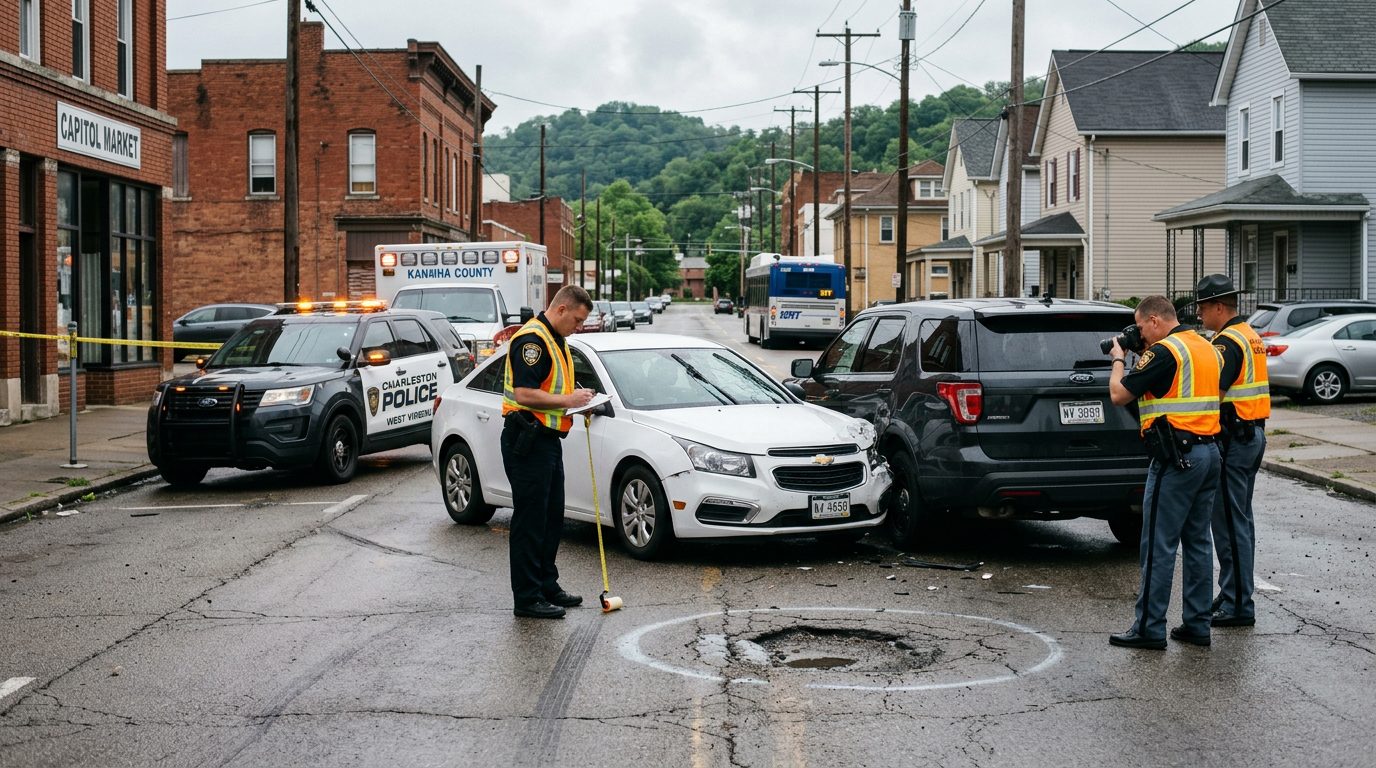
If a pothole, missing guardrail, or washed-out shoulder caused a car accident in West Virginia, you may be asking who can be held responsible. You may be looking into this for someone you love who was hurt.
Yes, you may be able to sue a county, a city, or the state over a crash caused by a road defect. The rules differ from a claim against a private driver. West Virginia law generally shields these government bodies from damages claims, but it lists exceptions, including a negligent failure to keep public roads in repair.
If a road you drive every day left someone you love hurt, you may have a claim, and our team is glad to talk it through with you. Talk it through with Big Bubba — the first case review is free, confidential, and carries no obligation.

Road Defect Car Accidents in West Virginia May Follow Different Rules
A road defect claim asks who was responsible for the road, not only who was behind the wheel.
When a private driver causes a crash, the claim usually runs against that driver. A claim over a road runs against a government body instead. West Virginia Code § 29-12a-4 says a political subdivision, such as a county or city, is generally not liable for injury from its acts or omissions, except in the situations the statute lists.
Which path may apply depends on the facts. Those facts include who owns the road, what went wrong, and what injury followed.
Can You Sue a County, a City, or the State?
A county or city may be liable when it negligently fails to keep a public road in repair. The same statute covers a political subdivision’s negligent failure to keep public roads, highways, streets, avenues, alleys, sidewalks, bridges, aqueducts, viaducts, or public grounds open, in repair, or free from nuisance, with a full defense for a municipal bridge where the municipality lacks responsibility for maintaining or inspecting it.
State roads raise separate questions. The rules for suing the state may differ from those for a county or city. West Virginia Code § 55-2-19 says every statute of limitation, unless otherwise expressly provided, applies to the state.
Venue also matters. Under West Virginia Code § 29-12a-13, suits against a political subdivision are generally brought in the county where the body is located or where the cause arose. The suit must name the government body. It cannot name an employee acting within the scope of the job.
Immunity Exceptions and the Facts That May Matter
Government bodies generally have immunity, and an exception may apply only if the facts fit it.
West Virginia Code § 29-12a-5 lists several immunities that can matter in road cases. A body may be immune for an inspection function, including an inadequate inspection. It may also be immune for snow, ice, or temporary or natural conditions on a public way. That immunity does not apply if the condition is affirmatively caused by a body’s negligent act.
Employees have their own rules. An employee is generally immune unless the acts were manifestly outside the job, malicious, in bad faith, or wanton or reckless, or liability is expressly imposed upon the employee by a provision of this code.
Records help answer these questions. A repair log, a past complaint, or a prior report may show what the body knew and when. Whether any exception fits depends on those records.
Deadlines Start Running Early, So Act Quickly
For most injury claims against a government body, West Virginia generally allows two years to file, and a shorter period may apply.
The clock generally starts when the cause of action arose, or when the injury was discovered or should have been. The later of those dates generally controls.
West Virginia Code § 55-2-12 also sets two years for personal injury and property damage actions when no other limit applies.
A missed deadline may end a claim.
Evidence That May Matter in a Road Defect Case
Photos of the defect are often the first thing to protect. Take them as soon as it is safe.
Capture photos and video of the hole, crack, missing sign, or guardrail gap. Include the surrounding area and the vehicle damage. Write down the date, time, and weather.
The police crash report names the responding agency. That agency may help show who maintains the road. Collect witness names and contact details while memories are fresh.
Ask whether the spot had prior complaints or repair requests. Keep all medical records, including follow-up visits, because symptoms may appear or change over time. Keep the vehicle and damaged parts until the family understands what may be relevant.
Not sure what your next step is?
Talk it through with Big Bubba — the first case review is free, confidential, and carries no obligation.
Brain, Spinal Cord, and Wrongful Death Claims
A serious brain or spinal cord injury can make a road defect claim more involved. Early medical records matter for that reason. Brain and spinal cord injuries may take time to understand fully.
Wrongful death claims follow their own rules. Under West Virginia Code § 55-7-6, the action must be brought by the personal representative of the person who died. The law says it must be commenced within two years after the death, subject to other provisions of the Code. W. Va. Code § 55-7-6 reads: “The provisions of this section shall not apply to actions brought for the death of any person occurring prior to July 1, 1988.”
The jury’s verdict must include damages for sorrow, mental anguish, and solace, and may not be limited to the listed categories. It must also include compensation for reasonably expected loss of income and of services, protection, care and assistance provided by the decedent, expenses for the decedent’s care, treatment and hospitalization from the injury, and reasonable funeral expenses. Punitive damages are not allowed against a political subdivision under West Virginia Code § 29-12a-7.
Other Parties That May Be Involved
More than one party can share responsibility for a road crash.
A road crash may involve a private driver, a contractor that recently worked on the road, or another vehicle. Under West Virginia Code § 55-7-13a, fault is allocated by percentage. That allocation can include people who directly caused the harm but are not parties to the suit.
If a commercial truck was involved, read Can You Sue a Trucking Company for that path. A claim over a defective vehicle part follows a different route through the manufacturer and seller.
Questions to Ask as You Look Into a Road Defect Claim
Start by finding out who owns and maintains the road where the crash happened. Then consider these questions:
- Was the defect reported before the crash, and how long had it been there?
- Were warning signs, cones, or repairs in place?
- What deadlines may apply to a claim against that body?
- What photos, records, and medical documents should be kept now?
- Did a private driver, a contractor, or another vehicle play a part?
Writing down the answers helps you and your family organize the facts.

Steps to Consider If Someone You Love Was Hurt
If you are reading this for someone hurt on a road you drive every day, you did not choose this situation. A pothole or missing guardrail, a crash, an injury, and a filing clock that may already be running can feel like too much at once.
You can request a free case review with the firm to talk through the road, the crash, and the injury. We serve West Virginia injury victims and families. Every claim is different, so the review focuses on your specific facts. Request a free case review when you are ready.