
Traumatic Brain Injury
Signs of Brain Trauma After a Car Accident
Brain injuries aren't always obvious at first. Learn what to watch for and when to seek help.
Published October 02, 2026
What Are the Signs of Brain Trauma After a Car Accident?
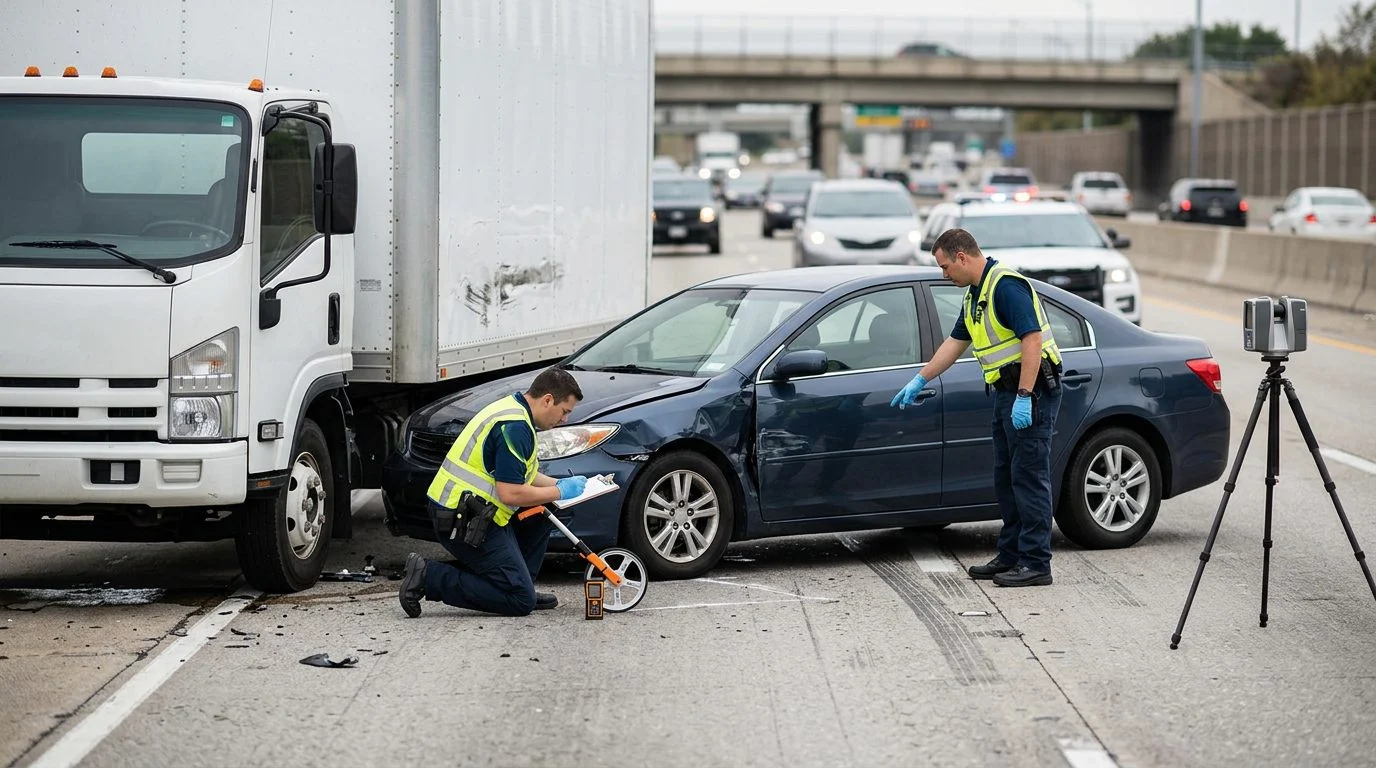
Brain trauma can happen even without hitting your head directly on something—the violent forces of a car accident shake your brain inside your skull, causing injury. Many people don’t realize they’ve suffered a brain injury in the first moments after a crash because symptoms appear immediately or develop hours or days later. Understanding what to watch for helps you get the medical care you need and protects your health.
Not sure what your next step is?
Talk it through with our team — the first case review is free, confidential, and carries no obligation.
Brain trauma happens to the brain, not just the head
Your brain floats inside your skull, cushioned by fluid. When a car accident creates sudden, violent motion or impact, your brain moves or strikes the inside of your skull. This movement causes chemical and structural changes in brain tissue—what doctors call traumatic brain injury (TBI). You don’t need a visible head wound, bleeding, or a direct blow to the head to suffer brain trauma. The crash itself is enough.
Immediate signs of brain trauma after a car accident
Watch for these signs in the moments and first hours after a crash:
- Loss of consciousness, even for a few seconds
- Confusion or disorientation about what happened or where you are
- Headache or pressure in the head
- Dizziness or balance problems
- Nausea or vomiting
- Slurred speech or difficulty speaking clearly
- Blurred or double vision
- Sensitivity to light or noise
- Ringing in the ears
- Memory gaps about the crash itself or the moments right after
According to the National Institute of Neurological Disorders and Stroke (NINDS), symptoms such as headache, dizziness, confusion, and fatigue tend to start immediately after an injury but resolve over time.
Delayed symptoms that appear hours or days later
Brain trauma symptoms often worsen or first appear in the hours and days following an accident—sometimes when you think you’re recovering well.
Watch for:
- Persistent or worsening headache
- Concentration and memory problems—difficulty focusing on conversations or tasks
- Mood changes: irritability, anxiety, sadness, or unusual emotional sensitivity
- Sleep disturbances: sleeping much more or less than usual
- Fatigue that doesn’t improve with rest
- Sensitivity to light and sound that develops over time
- Difficulty with balance or coordination
- Neck stiffness or pain
If you felt fine immediately after the accident but these symptoms appear later, that doesn’t mean nothing happened. It means your brain needs medical attention.
Do people with brain damage know they have it?
Many people with brain trauma do not recognize their own symptoms, especially in the first days after an accident. Brain injury can affect judgment and self-awareness, making it harder for the injured person to notice changes in their thinking or behavior. Family members, friends, or coworkers often spot changes before you do—personality shifts, memory lapses, or unusual irritability.
This is why getting a medical evaluation is critical even if you feel “okay” after a crash. A doctor can perform tests and imaging like CT scans or MRI to detect brain trauma that you might not feel or recognize yourself.
Mild, moderate, and severe brain injury: what the differences mean
Brain injuries fall into three broad categories based on how long you lose consciousness and how severe your symptoms are:
Mild brain injury (concussion): Symptoms like headache, confusion, dizziness, and memory gaps about the crash. You may or may not lose consciousness. Symptoms often improve within weeks, but can persist longer. Don’t assume “mild” means harmless—even mild brain injuries can affect work, school, and daily life.
Moderate brain injury: Longer period of unconsciousness (minutes to hours), more severe confusion, difficulty with memory and concentration, and possible physical weakness or coordination problems. Recovery takes longer and may require rehabilitation.
Severe brain injury: Prolonged unconsciousness, significant cognitive and physical impairment, and possible long-term disability. May require ongoing medical care and rehabilitation. Severity is not always obvious immediately after the accident—medical imaging and neurological testing determine the actual extent of injury.
Have questions about what happened?
Ask our team directly. The first conversation is free, confidential, and there is no obligation to continue.
When to see a doctor after a car accident
Seek immediate emergency care (call 911 or go to the ER) if you: – Lose consciousness – Have severe headache – Vomit – Have difficulty staying awake – Experience seizures
See a doctor as soon as possible if you have any of the immediate signs listed above, even if they seem minor. Do not wait to see if symptoms go away on their own. Early medical evaluation is important for diagnosis and treatment.
Tell the doctor about the accident, how it happened, and any symptoms you’ve noticed, even if they seem unrelated. Getting checked by a doctor promptly after a crash is important. Medical professionals can order tests to detect brain trauma that isn’t visible to the naked eye. Keep track of any new or worsening symptoms and report them to your doctor.
Can you recover from a traumatic brain injury?
Recovery depends on the severity of the injury, your age and overall health, and the quality of medical care and rehabilitation you receive. Many people with mild brain injuries recover fully within weeks to months. Moderate and severe injuries often require longer recovery and may result in lasting changes in physical ability, memory, concentration, or personality.
Rehabilitation, such as physical therapy, occupational therapy, speech therapy or cognitive therapy, is often part of recovery. Some people recover quickly; others experience slow, gradual improvement over months or years. Even after physical recovery, some people experience ongoing cognitive or emotional effects.
What happens after a brain trauma diagnosis
Your doctor will recommend rest, gradual return to normal activities, and follow-up appointments to monitor your recovery. You may be referred to a neurologist, neuropsychologist, or rehabilitation specialist depending on the severity.
Medical records, imaging results, and doctor’s notes become important if you pursue a claim for the injuries caused by the accident. Keeping detailed records of your symptoms, medical visits, and how the injury affects your daily life helps document the impact of the crash. If the accident was caused by another driver’s negligence, you may have a legal claim for your medical expenses, lost wages, and other damages related to your brain injury.
Frequently asked questions
What’s the difference between a concussion and a traumatic brain injury?
A concussion is a type of traumatic brain injury—the terms are related but not identical. All concussions are TBIs, but not all TBIs are concussions.
How long does brain trauma recovery take?
Recovery timelines vary widely. Mild injuries may resolve in weeks; moderate to severe injuries can take months or years, and some effects may be permanent.
Can I have a brain injury if I didn’t lose consciousness?
Yes. Loss of consciousness is not required for a brain injury. Many people with TBI never lose consciousness.
What should I do if symptoms appear days after the accident?
See a doctor immediately. Delayed symptoms are common and warrant medical evaluation and imaging.
Will medical bills and lost wages be covered if another driver caused the accident?
If the accident was caused by another driver’s negligence, you may have a legal claim. An attorney can review your situation.
Want to know where you stand?
Tell us what happened and our team will walk you through the options available to you, at no cost.
What comes next after a car accident with possible brain trauma
If you or someone you care for has been in a car accident and is experiencing any of the signs described here, the first step is medical evaluation. After you’ve received medical care and have a clearer picture of the injury, you may want to understand your legal options.
Many people injured in car accidents caused by another driver’s negligence have questions about whether they can recover compensation for medical bills, lost income, and the impact on their life. We serve injury victims across West Virginia, including people who may have suffered a traumatic brain injury in a car accident. If you’re sorting through what happened after a crash and wondering whether you or someone you care for may have a brain injury, reach out to talk with us about what comes next.
Seek emergency care immediately if you experience:
Loss of consciousness, severe headache, repeated vomiting, clear fluid from nose or ears, confusion or disorientation, slurred speech, or difficulty staying awake. Do not wait—go to the nearest emergency room or call 911.
Common signs of brain trauma
Right after the crash
Headache, dizziness, confusion, nausea, sensitivity to light or noise, difficulty concentrating, or memory gaps about the accident itself.
Hours or days later
Worsening headache, mood changes, sleep problems, difficulty thinking clearly, balance problems, or sensitivity to sound and light that gets worse.
Weeks after the accident
Persistent headaches, trouble focusing at work or school, irritability, anxiety, memory problems, or fatigue that doesn't improve with rest.
A concussion is a type of TBI
All concussions are traumatic brain injuries, but not all TBIs are concussions. Even a 'mild' brain injury can have serious effects that last weeks or longer.
What you should do
Get medical evaluation
See a doctor or go to an emergency room even if you feel okay. Some brain injuries develop symptoms hours or days after the crash. Medical records matter for your case.
Document everything
Write down when symptoms started, what they are, and how they affect your daily life. Keep copies of all medical reports, test results, and treatment records.
Don't minimize what happened
Tell your doctor and your lawyer about all symptoms, even ones that seem minor. Brain injuries can worsen or cause long-term problems that aren't obvious at first.
Call Big Bubba
Talk to us about what happened. We handle car accidents involving brain and spinal cord injuries across West Virginia. There are no fees unless there is a recovery, and you are responsible for court costs and case expenses.
Questions about brain trauma recovery
How long does recovery take?
Recovery timelines vary widely. Mild injuries may improve in weeks; moderate to severe injuries can take months or longer. Some people experience lasting effects. Your doctor can give you a better sense of what to expect based on your specific injury.
What's the difference between a concussion and a TBI?
A concussion is a type of traumatic brain injury. All concussions are TBIs, but not all TBIs are concussions. The terms are related but not identical. Your medical team can explain which applies to you.
Can I have a brain injury without losing consciousness?
Yes. You don't have to lose consciousness to have a traumatic brain injury. Many people with brain injuries never black out. Symptoms like headache, confusion, or memory problems can signal a serious injury.
Why does medical documentation matter?
Medical records show when your symptoms started, how severe they are, and what treatment you've received. This documentation is important if you decide to pursue a claim for your injuries.
You don't have to handle this alone.
Related practice areas
- Traumatic Brain Injury from Car and Truck Accidents in West Virginia
- What Is a Traumatic Brain Injury? Signs and Symptoms After a Crash