
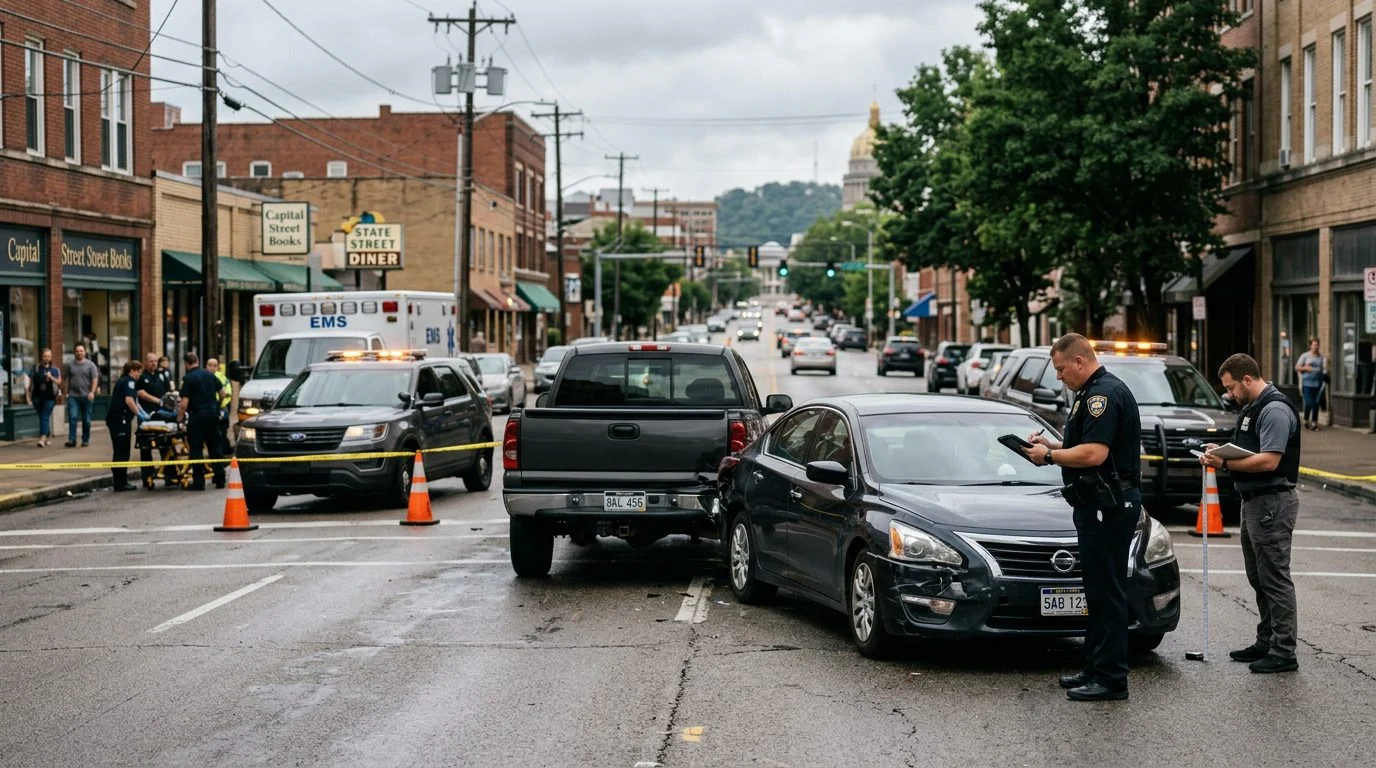
Car accident claims across West Virginia
What to Bring to Your Free Case Review After a Car Accident
A plain checklist of records, photos and notes that help the review move forward, even if you are still gathering them.
Records that help most
The crash report
If you have the police crash report, bring it. If you only have the report number, bring that instead.
Insurance information
Bring the names and policy details for your own insurer and the other driver's insurer, if you have them.
Medical records and bills
Bring discharge papers, treatment notes, prescriptions and any bills you have received so far.
A written timeline
Note the date, time and place of the crash, and the order of events while the memory is fresh.
Published November 11, 2026
You were in a crash, and now you’re being asked to gather papers. The short answer: bring what you already have. That means the crash report number, photos, the other driver’s details, medical and work records, and any letters from insurers. You don’t need a complete file to start.
Each item helps the firm understand how the crash happened and how you were hurt. Here is what to gather and why each piece matters.
Why the Firm Asks for Documents at a Free Case Review
A free case review is the first meeting where the firm learns what happened, how you were hurt, and what paperwork exists. Bringing records lets that meeting cover more ground in less time. If you only have part of the list, bring that part anyway.
Many people think everything must be organized first. It doesn’t. Records often arrive in pieces over several weeks, from hospitals, employers, and insurers.
The firm handles car accident, commercial truck, and wrongful death claims. We serve injury victims across West Virginia, including Charleston, Huntington, Morgantown, Wheeling, Martinsburg, Parkersburg, Beckley, Clarksburg, Fairmont, and Weirton. For the basics of these claims, read our car accident claims in West Virginia guide. The list below is a starting point, and the firm will tell you what else it needs.
If you were hurt in a crash and are now sorting through papers, you may have a claim worth reviewing, and you don't have to sort it out alone. Reach out to the firm. Talk it through with Big Bubba — the first case review is free, confidential, and carries no obligation.

The Police or Accident Report
The police or accident report is usually the first record to find. The responding law enforcement agency prepares it. It lists the date, the location, the drivers, and the officer’s observations. Ask that agency how to request a copy, and bring the crash report number if you have it.
Read the report closely when you get it. Check names, plate numbers, and the scene description against what you remember. Errors can happen, and noting them early helps.
The report is one of several sources the firm may review, and it may be relevant to who was at fault. If a commercial vehicle was involved, the report may list the carrier and vehicle details that matter later. Commercial crashes can also trigger federal rules. In some crashes, federal testing rules require the employer to test surviving drivers, and they set time windows for doing so.
Photos, Videos, and Notes From the Scene
Photos and written notes capture details that fade fast. Take photos or video of the vehicle damage from several angles. Include the roadway, traffic signals, skid marks, road and weather conditions, and any visible injuries.
Save the original files with their date stamps. Don’t edit or crop them before sharing. Edits can make it harder to show when and where a photo was taken.
Write down what you remember while it’s fresh. Include the time, the weather, each car’s direction of travel, and what each driver said. Witness names and phone numbers, if collected at the scene, belong on this list too. Memory changes over time, so notes from the first days matter.
The Other Driver’s Information and Insurance Details
Bring the other driver’s name, contact details, license number, license plate, and insurer with the policy number, if you have them. A phone photo of the other driver’s insurance card works too.
For a commercial truck, also note the company name, the USDOT number on the vehicle, and any trailer or cargo details you noticed. If another driver was at fault, the firm may need these details to identify every party whose insurance could be involved.
West Virginia uses comparative fault. Under W. Va. Code § 55-7-13c, your own share of fault generally reduces recovery. It bars recovery only if your fault is greater than the combined fault of everyone else. Bring your own auto policy, claim number, and any letters from your insurer too.
Medical Records, Bills, and Treatment Notes
Medical records show the injuries you reported, when you got care, and what treatment followed. Bring discharge papers, emergency room and urgent care records, imaging reports, and a list of every provider you have seen since the crash.
Trauma from a car accident can cause a spinal cord injury. The injury level and severity affect function. If you have a spinal cord injury or a traumatic brain injury, add neurology, rehabilitation, therapy, and follow-up notes, plus your prescription list.
Headaches can matter too. A case report on delayed-onset headache after a motor vehicle collision notes that headaches may reflect a serious secondary condition. Tell your doctor about any new or worsening headache, and write it down.
Bills and explanation of benefits statements show which care connects to the crash. Keep a simple daily journal of symptoms, memory problems, pain, sleep, and activities you can no longer do. It shows how the injury affects everyday life.
Work, Income, and Out-of-Pocket Records
Work records show how the crash has affected your paycheck. Gather pay stubs, W-2 or tax forms, and letters from your employer about missed work. Include records of lost or reduced hours and overtime.
Keep receipts for prescriptions, medical equipment, transportation to appointments, and help at home. These receipts show your own losses from the crash.
For a wrongful death case, the personal representative of the deceased person’s estate brings the claim. Under W. Va. Code § 55-7-6, the damages can include reasonably expected loss of income and services, plus funeral and care expenses. Families should gather earnings records, records of household contributions, and final bills.
The firm reviews these records with you and explains what they may or may not show, depending on the facts.
Not sure what your next step is?
Talk it through with Big Bubba — the first case review is free, confidential, and carries no obligation.
Communications With Insurers and What to Tell the Firm
Bring every letter, email, text, and call note from an insurance adjuster, with claim numbers and dates. These messages are part of your record of the claim.
Tell the firm about any recorded statement, written statement, or paper you have signed, even if you aren’t sure what it means. West Virginia limits settlement talks during the first twenty days after a personal injury, while the injured person is in the hospital or can’t work. Under W. Va. Code § 55-7-11a, a settlement, release of liability or statement entered into, obtained or made in violation of this section within twenty days of a personal injury, while the injured person is an inpatient in a hospital or partially or totally unable to engage in his or her usual trade, profession or occupation, may be disavowed by the injured person at any time within one hundred eighty days from the date of the personal injury, by executing a written statement of disavowal and forwarding a copy to the person who violated this section; the settlement, release or statement then may not be admitted as evidence in any court or other proceeding relating to the personal injury if any consideration paid is repaid or returned to the person who paid it.
Some insurers may dispute a claim, so a full record of every contact is useful. Share the complete account of the crash, including facts that seem minor to you. Small details often matter later.
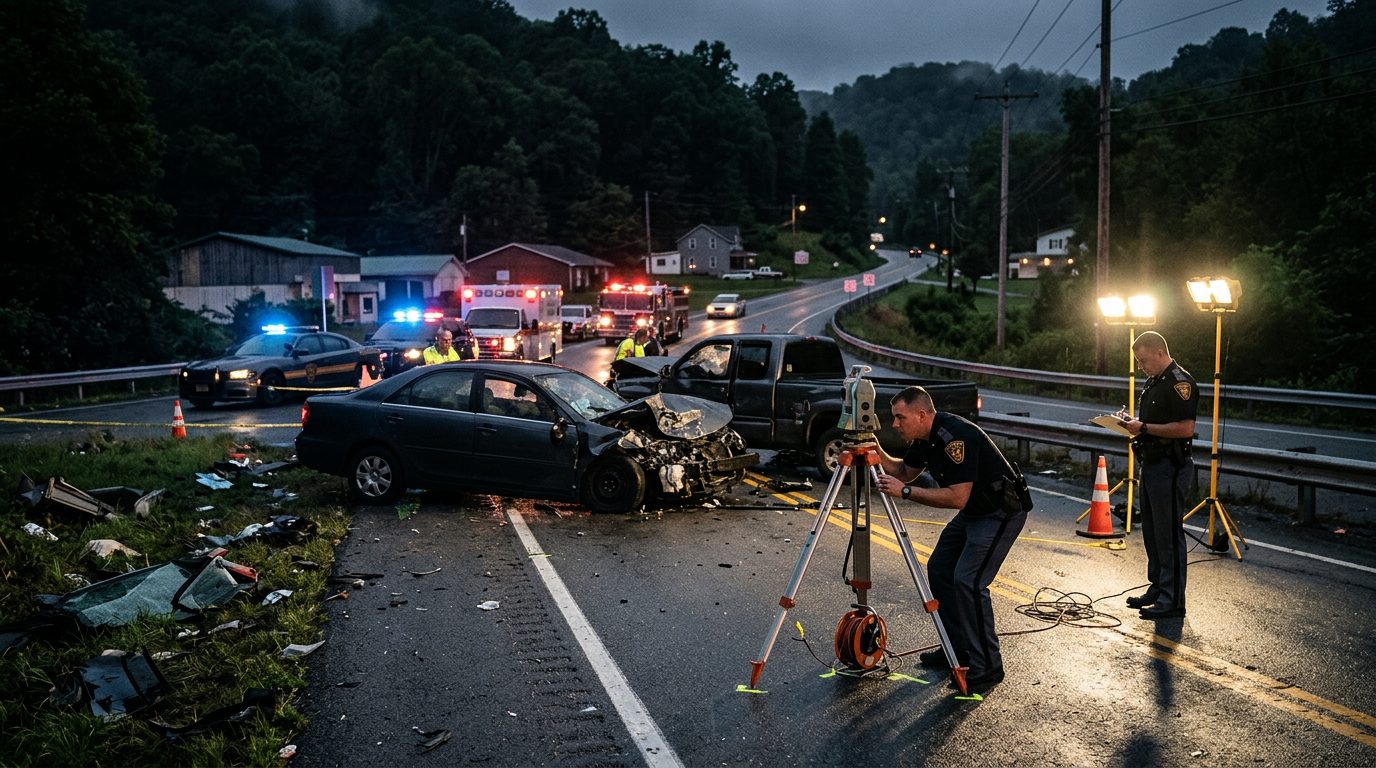
Bringing Your Account to Us
The core list is the report, scene evidence, the other driver’s details, medical and work records, and insurer letters. Gather what you can now, and bring the rest as you find it.
West Virginia generally allows two years to file a personal injury claim, and exceptions may apply. Under W. Va. Code § 55-2-12, that period starts when the right to bring the claim arises. A wrongful death action generally must start within two years after the death, under W. Va. Code § 55-7-6. W. Va. Code § 55-7-6 reads: “The provisions of this section shall not apply to actions brought for the death of any person occurring prior to July 1, 1988.”
If you are dealing with a recent crash, injuries still under treatment, and a stack of papers, you don’t have to sort it out alone. Request your free case review and bring whatever you have, even if the list is incomplete.
Frequently Asked Questions
Do I need the police report before my free case review?
No. Bring it if you have it, or bring the crash report number. Partial records still help the review.
Can I bring records if I don’t have everything yet?
Yes. Bring what you have, and the firm will tell you what else it needs.
Do I need the other driver’s insurance card?
It helps if you have it. A phone photo of the card or the policy number works too.