
Semi Truck Crashes | West Virginia
Hurt in a Semi Crash? Start With Your Medical Care
Here is how to think about your first medical visit, what to tell the care team, and how to reach out to us about what happened.
Published November 18, 2026
If you went to the ER after a semi truck crash in West Virginia, you may still be hurting, shaken, or trying to make sense of what happened. Many people are also helping a parent, spouse, or friend who was taken from the scene by ambulance.
The short answer: the ER visit is usually the first medical record of your injuries, and the details recorded there can matter later. This page explains that record in plain terms. It does not predict how any claim will turn out.
Why the ER visit after a semi truck crash matters
The ER visit is often the first medical record created after a semi truck crash. It can show what hurt, where, and when, starting in the first hours.
Many people don’t feel the full effects right away. Shock, adrenaline, and fear can hide pain. Staff record what you say, what they see, and the tests they order. Those notes become part of your medical history.
Ambulance crews often write their own report, and the hospital keeps its own chart. Together, they describe your condition in the days just after the crash. Gaps or contradictions between them can draw questions later, so accuracy from the start helps.
This page covers medical records in general terms. It explains what an ER chart holds, which symptoms can appear later, what to tell providers, and which records to keep. Every crash and every set of injuries is different.
Not sure what your next step is?
Talk it through with Big Bubba — the first case review is free, confidential, and carries no obligation.
What the emergency department records and why the first chart carries weight
An ER visit usually follows a set order: triage, history, exam, tests when ordered, treatment, and discharge. Each step leaves a note in the chart.
Triage is the first check. A nurse takes your vital signs and asks why you came in. The history comes next, when a provider asks what happened and where you hurt. That is often where your own words go into the chart.
Those words carry weight. The first chart often records how the crash happened, what you were doing, and whether you hit your head or were trapped in the vehicle. Time and date stamps help show how your injuries were documented from the start.
A common mistake is saying “I’m fine” to get out faster. Describe every pain, even minor ones. Your chart is only as complete as what you report.
Injuries that may not show up until later
Some injuries don’t cause obvious signs right away. Symptoms may appear hours or days after the crash, which is why reporting every change matters.
Some brain injuries, neck and back injuries, and internal injuries may not cause clear symptoms at first. Symptoms that can appear later include headaches, dizziness, numbness, tingling, confusion, memory trouble, and stiffness. Each of these can have several causes, so a medical provider needs to check them.
Keep a simple written log. Write the date, the symptom, how strong it was, and what you were doing when it started. Bring the log to your next doctor visit. It helps the provider track changes over time.
Don’t assume one symptom points to one specific injury. Report new or worsening symptoms to a medical provider promptly. Follow any warning signs listed in your discharge papers.
Telling providers exactly how the crash happened
Tell the ER staff that a semi truck was involved. Describe the crash as well as you can, because the details help the medical team know what to check.
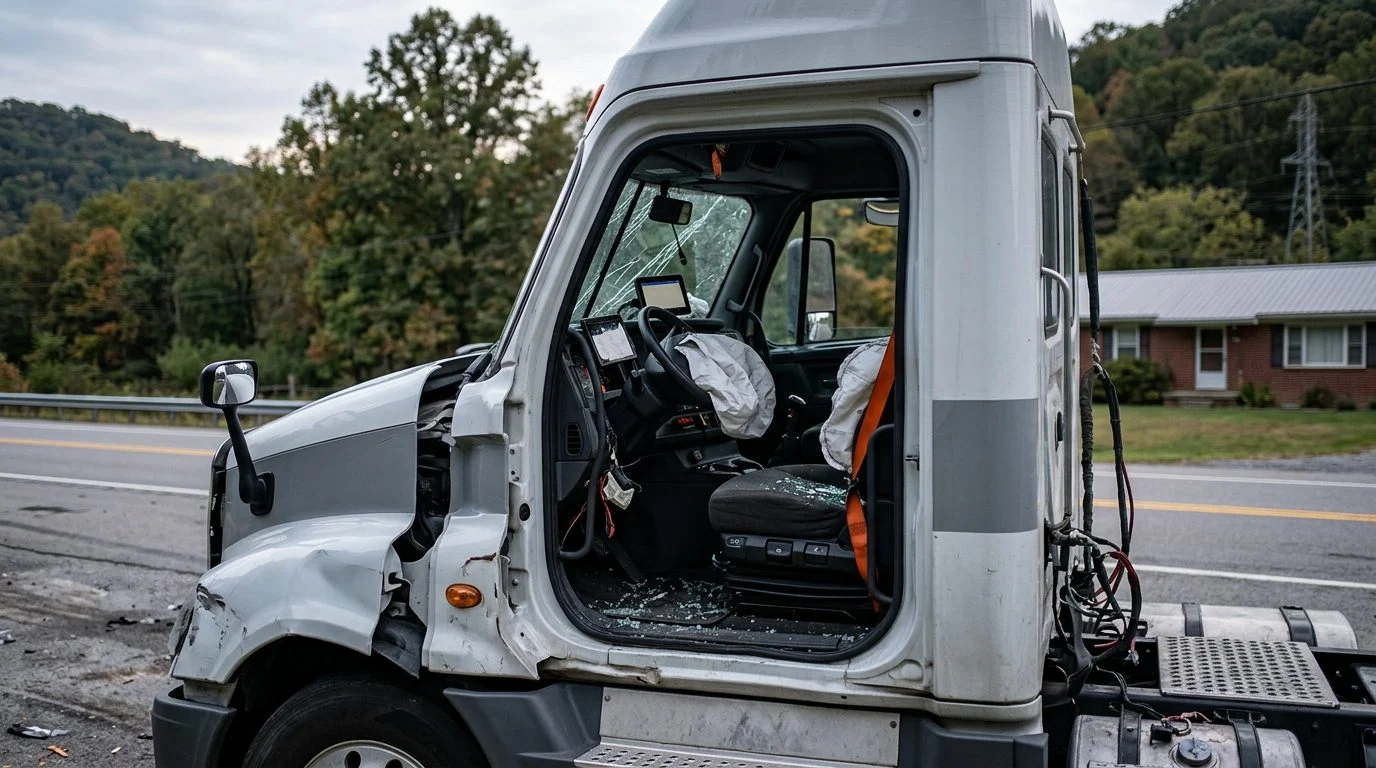
The type of crash matters. A rollover, a jackknife, a rear-end impact, a sideswipe, or being thrown from a vehicle can lead doctors to examine different parts of the body. Share the direction of impact if you know it.
Before you talk with staff, think about these points:
- Whether you hit your head or lost consciousness, even briefly
- Whether you were pinned or trapped
- Which direction the truck came from and where it hit your vehicle
- Where you feel pain, including places that seem minor
- What you were doing just before the crash
Describe only what you actually recall. If you don’t remember a detail, say so. Guessing can create records that conflict with each other.
If you believe another driver caused the crash, you can say so, but only as your own account of what you saw.
Which medical records may be relevant after a truck crash
The records most worth keeping are the ambulance report, the ER chart, imaging and lab reports, discharge papers, and follow-up notes. Physical therapy notes count too.
You or an authorized family member can usually ask the hospital’s medical records department for copies. The hospital may require a signed release. Ask for the complete chart, including imaging reports, not just a summary.
Keep every bill, discharge sheet, prescription label, and appointment card. Write down the dates of your visits. A simple timeline makes it easier to see how care unfolded.
Gaps in treatment can be questioned later. Following the discharge plan and attending follow-up visits matters for your health first. Keep a note of any missed visit and the reason for it.
West Virginia also limits some contact about a settlement right after an injury. Under W. Va. Code § 55-7-11a, for 20 days after a personal injury, a person generally may not negotiate a settlement with an injured person who is in the hospital or unable to work. Within 20 days of a personal injury, while the injured person is an inpatient or partially or totally unable to work, West Virginia law generally bars anyone from negotiating a settlement, obtaining a release of liability, or obtaining a statement for those purposes, and exceptions may apply. A person acting for the injured person may obtain a statement upon the injured person’s express request, and a person who may be liable may make an advance payment. Keep a list of any calls or papers you receive during that time.
How ER records fit with the crash report and other evidence
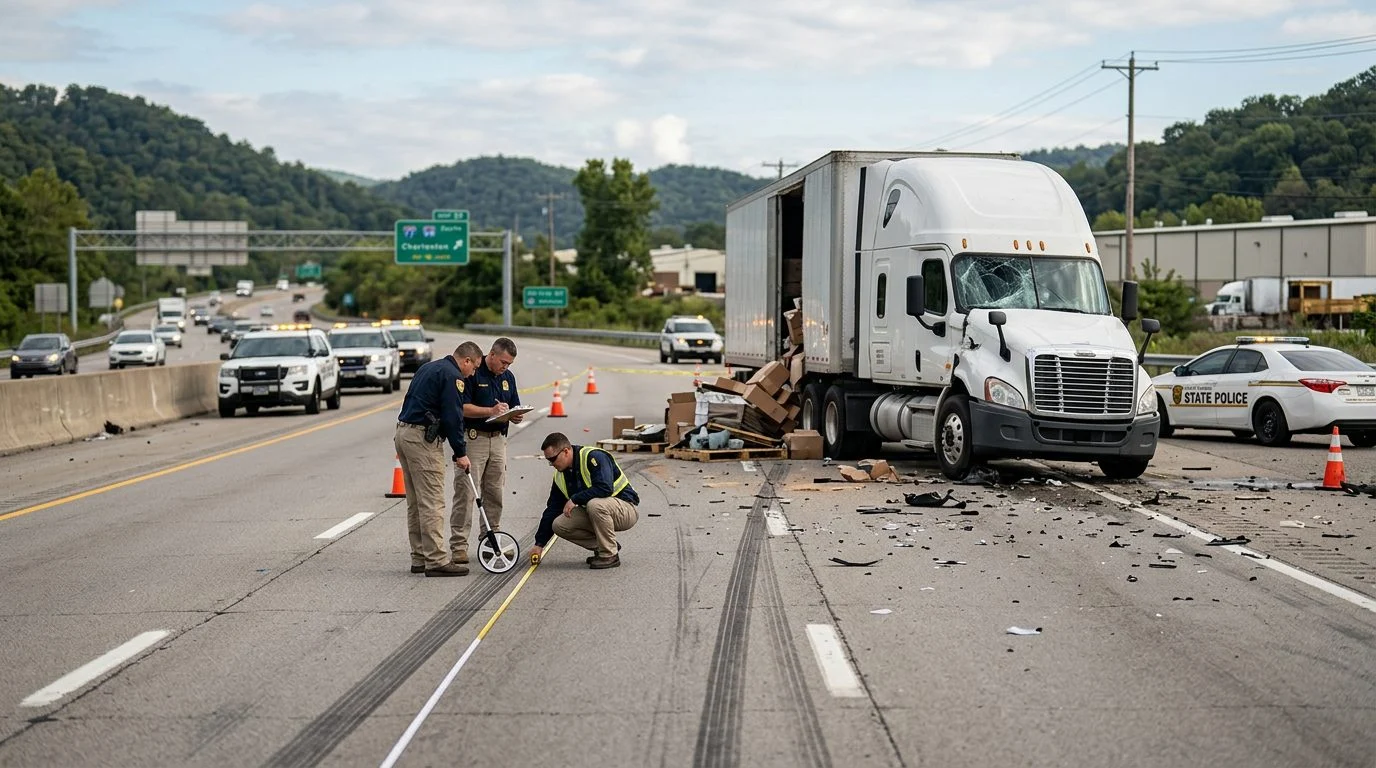
The ER chart describes your injuries. The police crash report describes the crash itself, including the scene, the vehicles, and what the officer documented.
West Virginia law requires an officer who investigates a crash occurring on the public streets or highways of this state with bodily injury, death, or total property damage to an apparent extent of $1,000 or more to prepare a report. Under W. Va. Code § 17c-4-7, the officer must submit it within 24 hours after completing the investigation. Get the report number at the scene if you can.
The same statute says the officer must give owner, operator, and insurance information, at no cost and within 24 hours of the crash, to the other parties involved and their insurance agents, upon request. Ask for these details at the scene or the next day.
Photos, witness names, and dates can sit alongside medical records. Together, they tell a fuller story. Note when you first felt symptoms and when you were seen by a provider. The time between the crash and your first medical visit may be relevant to how your injuries are later viewed.
Compare your copy of the crash report with your own notes. Keep both in the same folder as your medical records.
Not sure what your next step is?
Talk it through with Big Bubba — the first case review is free, confidential, and carries no obligation.
Brain, spinal, and hazardous-cargo crashes: why follow-up records count
Brain and spinal cord injuries can need follow-up testing and checks that continue for weeks or longer. Later records matter as much as the first chart.
Some patients need imaging, neurological checks, or visits with other doctors after the ER. Numbness or weakness in an arm or leg is a reason to seek care right away, not to wait and see. Each visit adds to the medical picture.
Keep copies of every test result and referral. Ask the provider what to watch for at home and write it down. Note the names of the doctors and the dates you saw them.
Trucks sometimes carry chemicals or other hazardous materials. If yours did, or you think it might have, tell the ER team. Staff may ask about possible exposure, and that answer belongs in your chart. Ask for a copy of any exposure note.
Driver fatigue and other questions families ask about the truck driver
Federal rules limit how long a commercial truck driver may work and drive, and those limits are tracked in logs.
Under 49 C.F.R. § 395.3, and except as otherwise provided in § 395.1, a driver generally may not drive without first taking 10 consecutive hours off duty. Under the same section, a driver also may not drive after a period of 14 consecutive hours that begins when the driver comes on duty following 10 consecutive hours off duty, and may drive a total of 11 hours during that period.
Drivers record their duty status, and carriers must keep those records. Under 49 C.F.R. § 395.8, a motor carrier must keep records of duty status and supporting documents for at least 6 months from the date of receipt. Under 49 C.F.R. § 395.8, a motor carrier must retain records of duty status and supporting documents for not less than 6 months from the date of receipt. Because that window is limited, early requests matter.
Whether fatigue played a role depends on the facts. Questions about what a specific driver did are answered by official investigations and records, not by an ER chart. Write down what you saw, the time, and the location while your memory is fresh. Stay focused on your own medical and crash documentation.

Next steps if you were hurt in a semi truck crash in West Virginia
The first steps are getting medical care, following the discharge plan, and keeping every record and bill. Write down your symptoms and their dates.
Keep the crash report number if one was issued. Save photos and witness names as soon as you can.
Time limits matter too. West Virginia generally allows two years to file a personal injury lawsuit, under W. Va. Code § 55-2-12. For a wrongful death claim, the personal representative generally must file within two years after the death, under W. Va. Code § 55-7-6. Exceptions may apply, so don’t wait to ask questions.
We serve injury victims across West Virginia, including Charleston, Huntington, Morgantown, Wheeling, Martinsburg, Parkersburg, Beckley, Clarksburg, Fairmont, and Weirton. We handle truck accident, commercial vehicle, catastrophic injury, and wrongful death claims.
If you’re still weighing your options after a hard night in the ER, you can contact the firm and ask about a free case review through our contact page.