
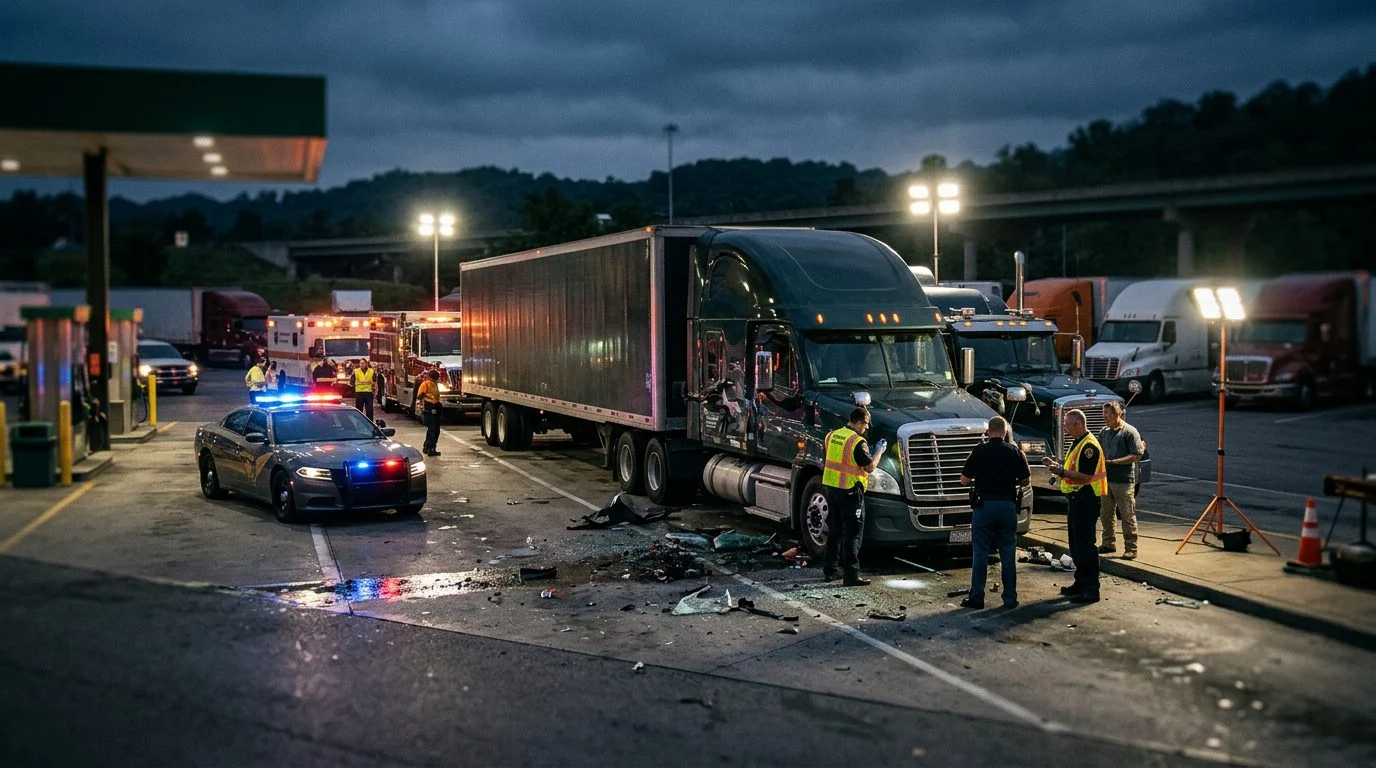
Truck Accidents | West Virginia
Hurt by an Out-of-State Trucking Company in West Virginia?
A company's home state can raise new questions, and you do not have to sort them out alone. Reach out to the firm to talk about your situation.
Published November 27, 2026
If a commercial truck hit you or someone you love in West Virginia, and the trucking company is based in another state, you may wonder whether that changes your options. Usually it does not stop a claim, but it can add steps. An out-of-state truck company crash in West Virginia can mean more work to find the right parties, the right records, and the right court.
Why a Trucking Company’s Home State Can Matter After a West Virginia Crash
An out-of-state trucking company does not automatically make a claim harder, but its home state can affect how the claim moves forward. Three locations may matter: where the truck began its trip, where the crash happened, and where the company does business. How much each one matters depends on the facts.
Trucks cross state lines every day. A truck can be registered in one state, leased in another, and driving through West Virginia on a busy route. That mix can leave a crash victim unsure who to contact.
Some people assume the company’s home state controls everything. It doesn’t. West Virginia law and federal trucking rules often work together in one claim. Knowing the questions early helps you ask for the right information.
If a truck run by an out-of-state company hit you or someone you love in West Virginia, we invite you to reach out for a free case review. Talk it through with Big Bubba — the first case review is free, confidential, and carries no obligation.

How to Identify the Company Behind the Truck
Start with the truck itself and the crash paperwork. Those two sources often name the company that operated the truck that day.
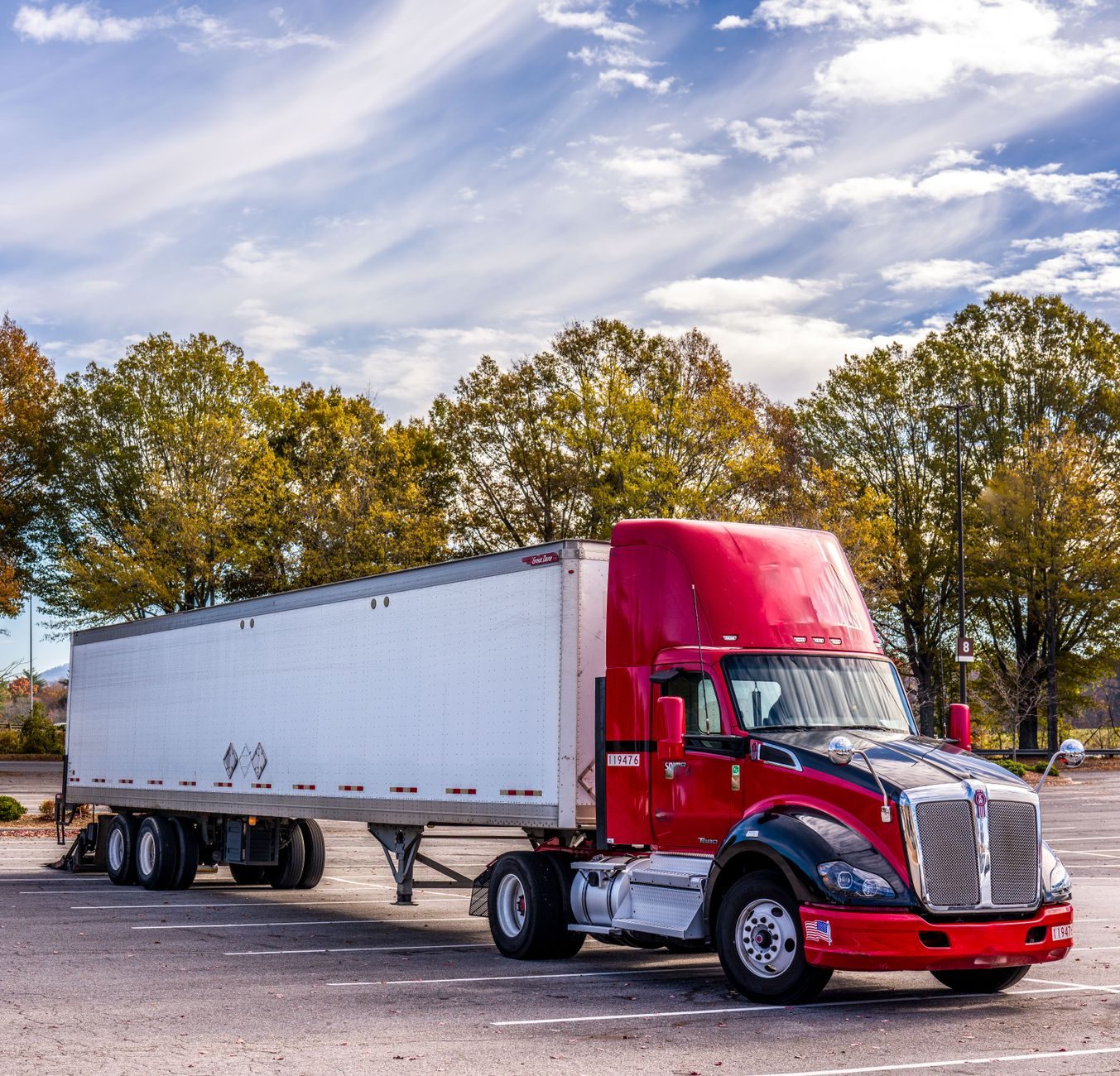
Many commercial trucks show a USDOT number and a company name on the cab door or trailer. That number helps identify the motor carrier. If you can do so safely, take photos of these markings and the license plate.
The police crash report may list the truck’s owner, carrier, and driver information. The responding agency may charge a copy fee for the report. Insurance details exchanged at the scene can also point to the carrier and any leasing company.
Be aware that the company on the door may not be the only business involved. A truck can be leased or run under another company’s operating authority. The registered owner and the company that controlled the truck that day may be different businesses, so both names matter.
Federal Rules That Apply to Interstate Trucking Companies
Interstate trucking companies are generally subject to federal safety rules. Those rules can shape what a claim looks like.
Hours-of-service rules limit how long a driver may drive. Under 49 C.F.R. § 395.3, a driver may drive a total of 11 hours within the 14-hour period that starts after 10 consecutive hours off duty. The FMCSA hours-of-service summary explains these limits in plain terms.
After certain serious truck crashes, the employer must test surviving drivers for alcohol as soon as practicable. See 49 C.F.R. § 382.303.
Federal law requires motor carriers to maintain minimum levels of financial responsibility, and under 49 U.S.C. § 31139 the Secretary of Transportation sets those minimum levels by regulation, based on liability amounts the Secretary establishes. A motor carrier may obtain the required amount from more than one source, provided the combined amount meets the statutory minimum. See 49 U.S.C. § 31139.
Can You Sue a Trucking Company From Another State in West Virginia?
Generally, yes. A trucking company may be sued for harm its driver caused, depending on the facts of the crash.
West Virginia’s comparative fault statute provides that recovery in a personal injury, property damage, or wrongful death action is based on comparative fault, and each person’s share of liability is allocated in direct proportion to that person’s percentage of fault (W. Va. Code § 55-7-13a). Under W. Va. Code § 55-7-13c, a plaintiff’s own fault does not bar recovery unless it is greater than the combined fault of all other persons. If it is less, the recovery is reduced in proportion to the plaintiff’s fault.
A case may sometimes be filed in state court or federal court. The choice can depend on where the parties are located and the amount in dispute.
The core question stays the same: how the crash happened and who was at fault.
Who May Be Responsible: The Driver, the Carrier, the Owner, or a Lessor
The driver, the company that employs the driver, and the truck’s owner or lessor may each be possible defendants. Which ones apply depends on the facts.
The driver may be personally liable for negligent driving. West Virginia law defines an “employer defendant” in a commercial motor vehicle case to include the vehicle’s owner, the employer of the person operating it, and any other person or entity that owns, leases, rents, or otherwise holds or exercises legal control over the vehicle or its operator. The statute also states that it does not apply in certain circumstances, such as where the operator is found to have acted in willful or wanton disregard for safety (W. Va. Code § 55-7-32). An owner or leasing company may be involved when its arrangements affected how the truck was operated or maintained.
Some commercial vehicle cases also involve a limit on certain noneconomic damages against an employer defendant. Under W. Va. Code § 55-7-32, that limit is not available to an employer defendant that does not have commercial motor vehicle insurance in the aggregate amount of at least $3 million for each occurrence covering the personal injury that is the subject of the action. It also does not apply in certain listed situations, including when the operator was found to have exceeded hours of operation.
Naming every possibly responsible party early affects which records are requested. That is why the question of who the defendants are matters from the start.
Evidence an Out-of-State Trucking Company May Hold
Much of the key evidence may sit in the company’s own files, and those files can be in another state.
Electronic logging data, driver logs, dispatch records, and trip records may show driving hours and routes. Driver qualification files are also relevant. Under 49 C.F.R. § 391.51, a motor carrier must keep a driver qualification file for each driver. It keeps that file while the driver is employed and for three years after.
Record retention has limits too. Under 49 C.F.R. § 379.3, companies must keep records for minimum periods. After those periods, the records may be destroyed at the company’s discretion, but this does not excuse compliance with the lawful requirements of any other governmental body prescribing longer retention periods for any category of records. That is one reason to ask for records early.
Maintenance, inspection, and post-accident testing records may also matter. On your side, scene photos, dashcam video, witness names, and photos of the truck’s damage can help preserve the picture of the crash.
Some insurers may dispute a claim. An out-of-state insurer may handle a claim differently from an in-state one, depending on the policy and the facts.
Not sure what your next step is?
Talk it through with Big Bubba — the first case review is free, confidential, and carries no obligation.
Deadlines That Apply When the Company Is Out of State
West Virginia generally allows two years to file a personal injury lawsuit, and exceptions may apply. Under W. Va. Code § 55-2-12, the general limit for personal injury actions is two years after the right to sue accrues.
Wrongful death claims follow a separate statute. Under W. Va. Code § 55-7-6, the action must be brought by the personal representative of the deceased person’s estate. It is generally commenced within two years after the death.
If another state’s deadline comes up in a case, the answer depends on the facts. A missed deadline may bar a claim, so raise timing questions early.
Waiting can also make the process harder. Memories fade, and company records can be destroyed on the retention schedules described above.
Taking the Next Step After an Out-of-State Truck Crash
If a truck run by a company based in another state hit you or someone you love, the next step is a conversation about your options.
Your situation may raise questions about who to name, where a case could be filed, and how to request records from a company outside West Virginia. Families in wrongful death cases often face the same questions. The firm handles truck accident and wrongful death claims. We serve Charleston, Huntington, and Morgantown injury victims, along with families across the state.
A free case review is confidential and carries no obligation to continue. Bring the crash details, any photos, the truck’s markings, and the paperwork you have. Contact the firm here to start that conversation.