
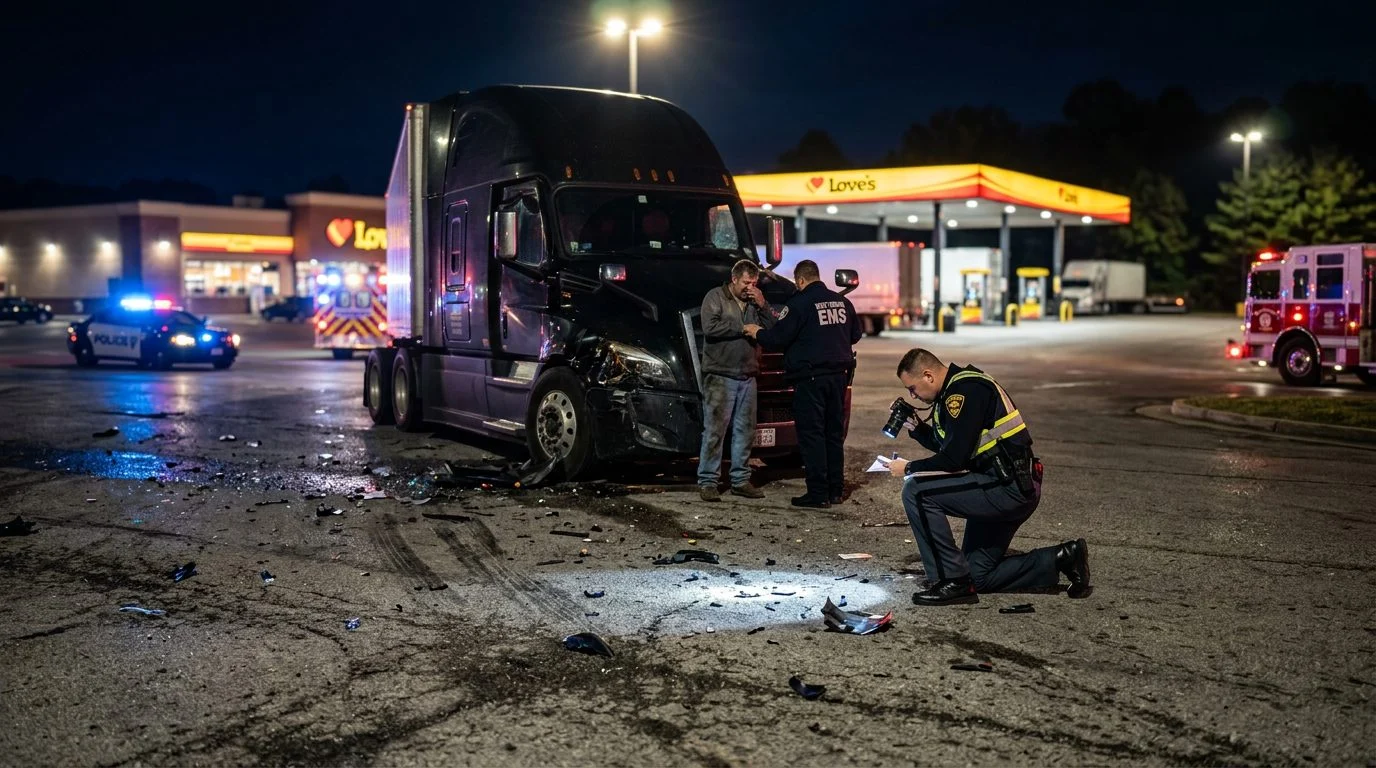
Pedestrian Injury Claims · West Virginia
Hit by a Truck as a Pedestrian in West Virginia? You Do Not Have to Figure Out the Next Steps Alone
Big Bubba Injury Law represents people seriously hurt when a truck strikes them on foot, along with families facing a wrongful death. We focus on helping you understand your options and what comes next.
Published October 28, 2026
A pedestrian struck in a truck crash in West Virginia can suffer serious, lasting injuries. When that happens, the injured person or their family may have a legal claim against the people whose negligence caused the crash. This guide explains who may be responsible, what a claim can cover, and the deadlines that apply. It is written in plain language for people dealing with a hard situation.
What a Pedestrian Truck Crash Claim Is and Who It Is For
A pedestrian injury claim is a legal claim against the people whose carelessness caused a walker to be struck by a truck. The injured person can bring that claim. If the person died, the claim becomes a wrongful death action. It must be brought by the deceased person’s personal representative, the person formally appointed to handle the estate. W. Va. Code § 55-7-6 sets out that rule.
Location matters. A walker may have been in a crosswalk, on a shoulder, in a parking lot, or in the roadway. Each setting raises different questions about who had the right of way and who should have been watching.
If you are reading this for someone in the hospital or after a death, you may be handling medical decisions, lost work, and a funeral all at once. You don’t need every answer today. This page helps you understand the basic pieces.
If a truck struck someone you love, you don't have to sort out what comes next alone. The firm can talk with you through a free case review. Talk it through with Big Bubba — the first case review is free, confidential, and carries no obligation.
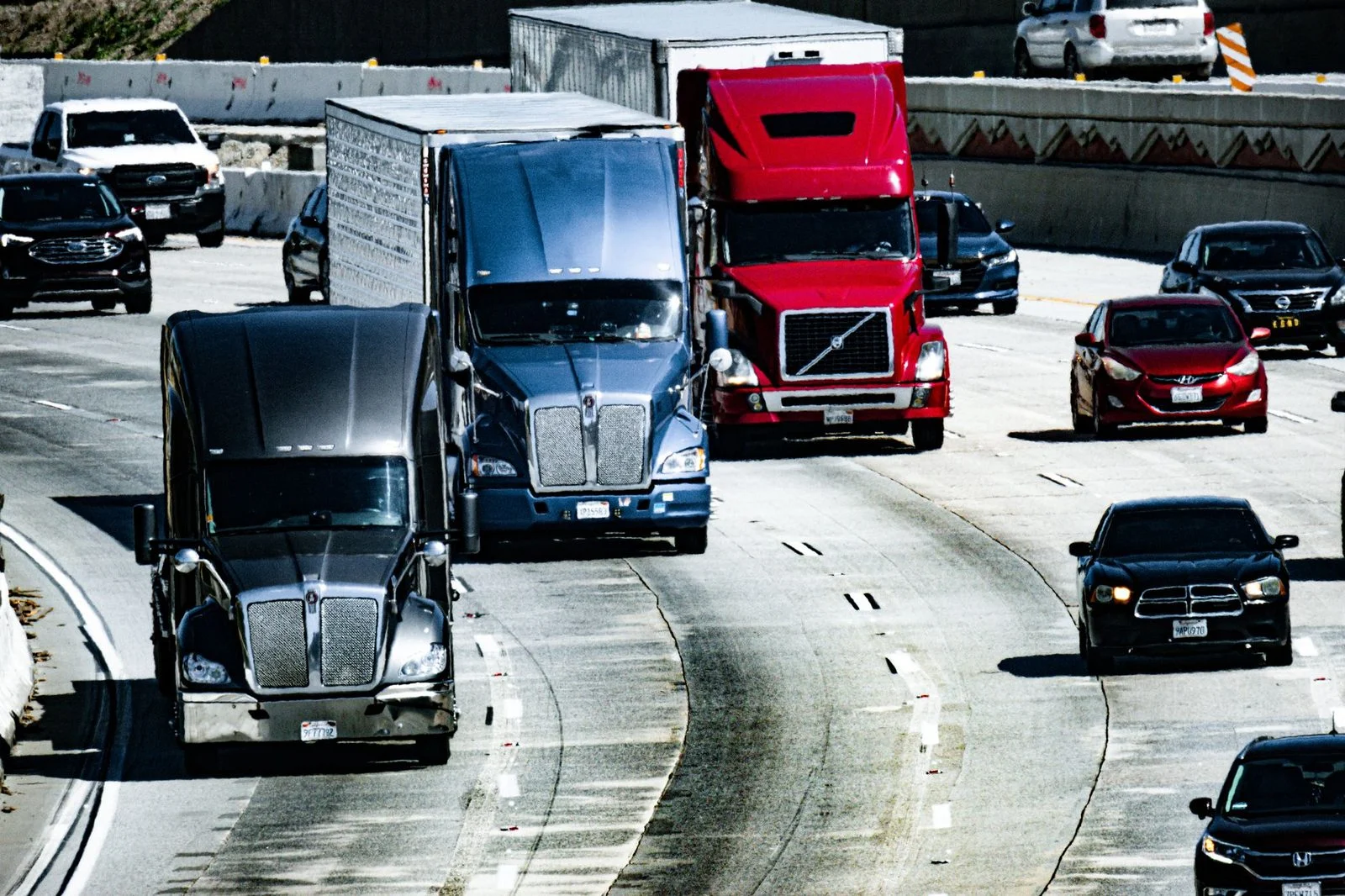
Why Pedestrian Crashes With Trucks Often Cause Catastrophic Injuries
A loaded truck weighs far more than a person. Impacts can cause severe injuries to the head, spine, pelvis, and legs.
- Brain injuries. A blow to the head can cause a concussion, a skull fracture, or bleeding inside the skull. Some traumatic brain injuries cause memory, speech, or personality changes that last long after the crash.
- Spinal cord injuries. Damage to the spinal cord can cause partial or complete paralysis. Long-term medical care and daily help may follow.
- Soft tissue and ligament injuries. Torn ligaments and deep bruising may not show clearly at the scene. They can need months of treatment.
See a doctor even when pain seems minor. Some injuries show up hours or days later. Keep every bill, test result, and appointment note. Those records link the injuries to the crash.
Who Can Be Responsible After a Truck Hits a Pedestrian
More than one party can share responsibility after a truck hits a pedestrian. The driver is the most obvious. The company behind the truck may also be responsible.
- Federal hours-of-service rules under 49 C.F.R. § 395.3 limit driving time. Under 49 C.F.R. § 395.3(a), a driver of a property-carrying commercial motor vehicle may not drive without first taking 10 consecutive hours off duty, except as provided in 49 C.F.R. § 395.1. Under 49 C.F.R. § 395.3, a driver may drive a total of 11 hours during the period specified in paragraph (a)(2) of this section. That period is 14 consecutive hours after coming on duty following 10 consecutive hours off duty. Except for drivers who qualify for either of the short-haul exceptions in § 395.1(e)(1) or (2), driving is not permitted if more than 8 hours of driving time have passed without at least a consecutive 30-minute interruption in driving status.
- Other parties. A company that owned, leased, or maintained the truck may also share responsibility, depending on the facts.
- Electronic logging device records. These devices track driving time.
- Insurance requirements. Federal law sets minimum financial responsibility levels for carriers transporting property. 49 U.S.C. § 31139 directs the Secretary of Transportation to set those levels.
What a Pedestrian Injury or Wrongful Death Claim Can Cover
A pedestrian injury claim can cover medical bills, lost income, and pain and suffering. In a wrongful death case, West Virginia law lists specific categories of damages.
- Medical bills. These include emergency care, surgery, hospital stays, rehabilitation, medication, and future care doctors expect the injured person to need.
- Lost income. This covers time away from work and any reduced ability to earn in the future.
- Pain, suffering, and emotional distress. These harms are not measured by bills. They are assessed separately.
- Wrongful death losses. Under W. Va. Code § 55-7-6, a verdict can include sorrow, mental anguish, and solace, such as companionship and guidance. It can also include lost income and the services the person provided, care and hospital expenses before death, and reasonable funeral expenses.
No one can predict the value of one claim from another. The injuries, the evidence, and the insurance involved all shape a claim.
How West Virginia Law Shapes a Pedestrian Truck Claim
For injuries, W. Va. Code § 55-2-12 sets a two-year limit, running from when the right to sue accrued, for personal injury actions for which no other limitation is prescribed. For wrongful death, § 55-7-6 requires the action within two years after the death, subject to the provisions of section eighteen, article two, chapter fifty-five. W. Va. Code § 55-7-6 reads: “The provisions of this section shall not apply to actions brought for the death of any person occurring prior to July 1, 1988.”
West Virginia uses modified comparative fault. Under W. Va. Code § 55-7-13c, a walker’s own fault does not bar recovery unless it is greater than the combined fault of everyone else. If it is less, recovery drops by the walker’s percentage.
Each defendant generally pays only its own share of fault. Under W. Va. Code § 55-7-13c, liability is generally several only, and the statute lists exceptions, including a defendant whose conduct constitutes driving under the influence and is a proximate cause of the plaintiff’s damages, as well as certain criminal conduct.
Commercial vehicle cases have added rules. Under W. Va. Code § 55-7-32, in a civil action for personal injury or wrongful death involving the operation of a commercial motor vehicle that requires a commercial driver’s license, the maximum amount recoverable by each person injured or killed against an employer defendant as compensatory damages for noneconomic loss may not exceed $5 million for each occurrence, regardless of the number of claims or theories of liability. The limitation on noneconomic damages in subsection (b) of W. Va. Code § 55-7-32 is not available to an employer defendant that does not have commercial motor vehicle insurance in the aggregate amount of at least $3 million for each occurrence covering the personal injury that is the subject of the action, and beginning January 1, 2026, that limitation increases each year to account for inflation, not to exceed 150 percent of the amounts specified in said subsection. The statute also lists exceptions for an incident in which an operator or driver is found to have, at the time of the incident, exceeded the hours of operation set by state or federal regulations, along with several other exceptions.
Early rules also matter. For 20 days after an injury, while the person is hospitalized or unable to work, no one may push a settlement or obtain a release. W. Va. Code § 55-7-11a sets that rule. Under W. Va. Code § 55-7-11a, any settlement, release of liability or statement entered into, obtained or made in violation of this section may be disavowed by the injured person at any time within one hundred eighty days from the date of the personal injury, by executing a written statement of disavowal and forwarding a copy to the person violating this section. The disavowed settlement, release or statement may not be admissible in evidence if any consideration paid is repaid or returned to the person who paid it.
What to Expect: The Steps in a Pedestrian Truck Claim
A pedestrian truck claim usually moves through five stages. It can run from medical care to negotiation or a lawsuit. Timelines vary.
- Medical care and records. Treatment documents the injuries and links them to the crash.
- Reporting and evidence. Police reports, photos, witness names, and vehicle and carrier details all help.
- Insurance contact. Insurers may ask for recorded statements. They may offer early payments before the full extent of injuries is known. You can speak with the firm before you respond.
- Investigation and demand. Commercial vehicle records and medical bills are reviewed before a claim is presented.
- Negotiation or lawsuit. This stage can take months or longer, depending on the injuries and whether the insurer accepts responsibility.
The firm handles car accidents, truck accidents, commercial vehicle accidents, catastrophic injuries, traumatic brain injury, spinal cord injury, and wrongful death matters. We serve Charleston, Huntington, Morgantown, Wheeling, Martinsburg, Parkersburg, Beckley, Clarksburg, Fairmont, Weirton, and the rest of West Virginia.
Not sure what your next step is?
Talk it through with Big Bubba — the first case review is free, confidential, and carries no obligation.

Common Questions About Pedestrian Truck Crash Claims
Families often ask the same questions after a pedestrian crash. Short answers follow.
Can I still have a claim after a pedestrian hit by truck West Virginia crash if I was not in a crosswalk?
The location can matter, and partial fault does not automatically end a claim. Under West Virginia’s modified comparative fault rule, fault bars recovery only if it is greater than everyone else’s combined fault.
What if the driver worked for a trucking company?
The employer may be a responsible party along with the driver.
Who files a wrongful death claim in West Virginia?
The personal representative files it. Damages are then distributed to surviving family members as the statute directs.
Should I give a recorded statement to the truck company’s insurer?
You can speak with the firm before giving one.
How long will it take?
Timelines vary with medical recovery and the evidence in each case.
If someone you love is still in the hospital, or you are grieving a loss, you don’t have to sort out the next steps alone.