
West Virginia truck accident claims
Truck Crash Evidence: What a Spoliation Letter Asks For
Trucks record a lot of information, and some of it can be overwritten or thrown away. Here is how a written notice to preserve that evidence works.
Published November 27, 2026
If someone you love was hurt or killed in a truck crash, you may have just heard the term “spoliation letter” for the first time. It is a written notice that asks a party to keep evidence that may matter to a future claim.
In West Virginia, this letter is one way to ask a trucking company to protect the records and parts it controls. Those items can change, be repaired, or be discarded on a routine schedule if no one asks for them to be kept.
What a Spoliation Letter Is
A spoliation letter is a written demand that a party keep evidence that may be relevant to a possible claim. People also call it a preservation letter or a litigation hold request.
“Spoliation” simply means the destruction, alteration, or loss of evidence. It can happen on purpose, or through neglect, such as a routine cleanup or a file that gets overwritten.
The letter puts the recipient on notice. It names the kinds of evidence that may matter and asks the company or insurer to keep them intact. A written request also leaves a clear record of what was asked.
A letter is not a lawsuit. It is a request that starts a record of what the other side was asked to keep.
For a broader look at claims, read our West Virginia truck accident guide.
If your family is facing this after a truck crash, you can reach out to us for a free case review to talk through whether a preservation letter fits your situation. Talk it through with Big Bubba — the first case review is free, confidential, and carries no obligation.

Why Evidence in a Truck Crash Is Time-Sensitive
Evidence in a truck crash often follows a company’s record schedule, not the date of the crash. A commercial truck creates far more records and parts than a passenger car. Many of them are kept by the motor carrier, not the driver.
Federal rules set minimum keep periods for some records. A motor carrier must keep records of duty status and supporting documents for at least six months from the date it receives them, under federal hours-of-service rules.
Those minimums are not the end of the story. Under federal record retention rules, once required periods end, records may be destroyed at each company’s discretion, but this does not excuse compliance with the lawful requirements of any other governmental body prescribing longer retention periods. A request to keep records should go out early, before that schedule runs.
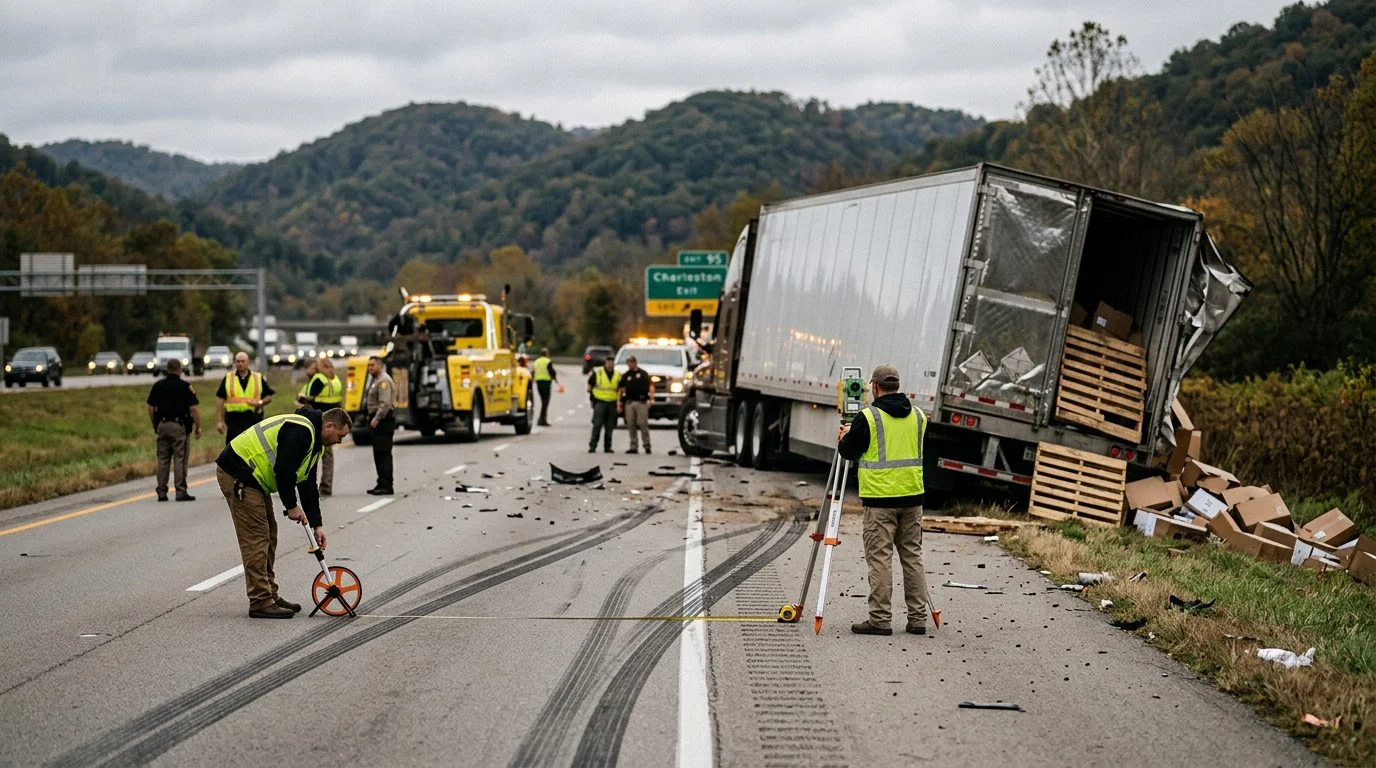
Routine maintenance, software updates, and repairs can also change a truck. Scene evidence like skid marks, debris, and where vehicles came to rest can change or disappear quickly. That is why preservation matters early.
Many people focus first on the scene and the injuries. Company records, though, may be the main way to check a truck’s logs, upkeep, and condition at the time of the crash.
Evidence a Preservation Letter May Cover
Letters often list categories of records. Each category may be relevant, depending on the facts of the crash.
Electronic logging device (ELD) data is a common example. Under federal ELD rules, a carrier must not alter or erase, or permit or require alteration or erasure of, the original hours-of-service information.
Other files may also be requested. Periodic inspection reports must be kept for fourteen months under inspection report rules.
Post-accident testing records may matter too. Federal rules generally require an employer to test surviving drivers as soon as practicable after certain crashes, though exceptions apply. See post-accident testing rules.
Electronic data can also matter. The National Highway Traffic Safety Administration explains that event data recorders may store pre-crash, crash, and post-crash information. Dashcam video, GPS and telematics data, dispatch messages, and phone records may also be relevant.
Physical items matter too. Brake components, tires, and parts removed after a crash may be requested to be kept. If the crash raised braking concerns on steep roads, read about brake concerns on mountain grades. Maintenance logs, inspection reports, repair invoices, and bills of lading may help show the truck’s condition and cargo.
Who Receives the Letter and What It Should Say
A letter is commonly sent to the motor carrier, the driver, the insurer, and any third party that maintains or repairs the truck. Each may hold different evidence. One letter to one party may miss records held somewhere else.
A typical letter includes the date, location, and parties of the crash. It also lists the truck and trailer identifiers, the categories of records requested, and a request to confirm that a hold is in place.
At the scene, W. Va. Code § 17C-4-3 requires a driver in a crash with injury, death, or vehicle damage to share basic information if physically able. That includes name, phone number, vehicle details, and proof of financial responsibility. Those details help identify the parties.
A family member who is not a party to the crash may still send a letter to put a company on notice. How that letter is treated can vary, so it helps to send it promptly and keep a copy.
What Courts May Do If Evidence Is Lost
Federal rules also require companies subject to these rules to protect records from destruction, deterioration, unauthorized access, modification, and data corruption. They must also notify the federal Secretary if prescribed records are substantially destroyed, damaged, accessed and modified without authorization, or otherwise corrupted, under federal records protection rules.
The remedy may vary by court and by claim. A letter alone does not ensure that evidence survives. A court decides whether a duty existed and what response fits.
How the Letter Fits Into the Rest of a Truck Accident Claim
A spoliation letter is one step among several. Other steps include gathering medical records, the crash report, and documentation of time missed from work. You can learn more about lost wages after a truck crash.
Serious crashes also take an emotional toll, and that can matter in a claim. For that context, see emotional injuries after a truck crash.
Filing deadlines are a separate legal question. They can differ by type of claim, so they need their own review.
If an insurer or carrier has already contacted you, keep copies of every letter, email, and voicemail about the crash. Those records help you track what was said and when.
Quick Answers
Is a preservation letter the same thing?
The two terms are often used for the same kind of notice.
Who gets a spoliation letter after a truck crash?
It may go to the motor carrier, the driver, the insurer, and any company that maintains the truck.
Can a family member send one?
A family member may send a letter to put a company on notice. How it is handled can vary.
Not sure what your next step is?
Talk it through with Big Bubba — the first case review is free, confidential, and carries no obligation.

Reaching Out After a Truck Crash
If you are a family member handling a loss, or an injured driver trying to keep up with treatment, gathering records can feel like too much at once. Caring for someone while tracking paperwork is a heavy load.
You may be dealing with a commercial truck crash, a need to ask a company to keep its logs and parts, and an open question about whether a preservation letter should go out now. We serve West Virginia injury victims, and we handle truck accident claims.
If that describes your situation, reach out to us for a free case review to talk through how a preservation letter could work in your circumstances.