
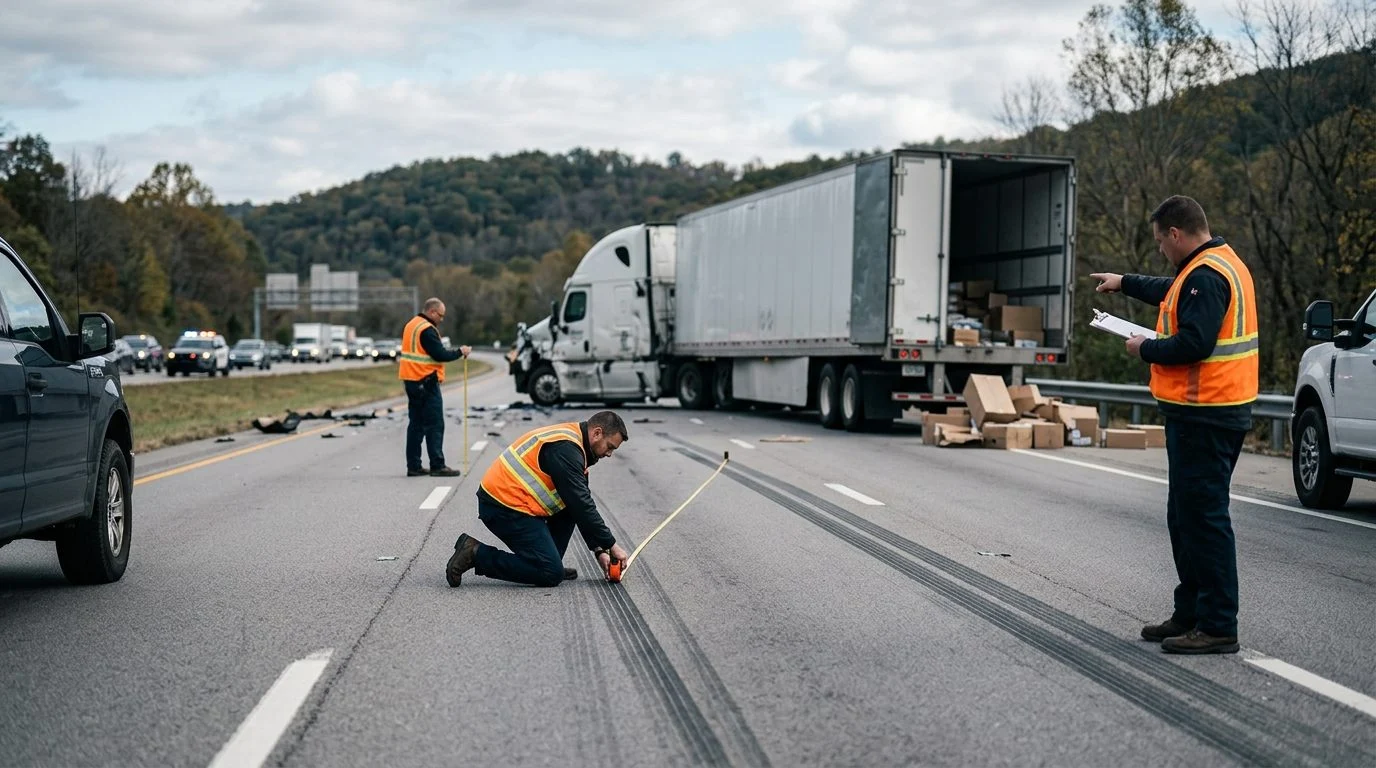
Truck Accident Claims | West Virginia
Torn Ligament Injuries After a Truck Crash
A ligament injury can be easy to miss on the day of a collision. Here is how to protect your health and your options, and how the firm can help you review what happened.
Published November 9, 2026
A torn ligament after a truck crash can keep you away from work and daily life for a long time. You may be able to bring a claim, depending on how the crash happened and who was at fault.
A torn ligament truck accident claim in West Virginia seeks payment for the physical injury and the losses that follow it. This guide explains what the claim covers, who may be responsible, and what evidence usually matters.
What a Torn Ligament Claim After a Truck Crash Covers
A torn ligament claim seeks compensation for physical injuries that a commercial vehicle crash caused. Ligaments hold bones together at a joint, so a tear can affect how you walk, lift, drive, or work.
These claims can involve several kinds of people. Drivers and passengers in tractor-trailers or box trucks may have one. So can people in cars hit by commercial vehicles. Families may have a claim when a crash injury leads to a death.
A claim is usually built from three things: medical records, the facts of the crash, and proof of your losses. Each case depends on its own facts. Two people with the same injury may have very different situations.
The target of a claim matters. A claim may be made against the driver, the trucking company that employs or controls the driver, or another party. Knowing who may be responsible early helps the claim move forward.
If a torn ligament followed a truck or commercial vehicle crash, you may have a claim worth reviewing, and the firm can explain your options. Talk it through with Big Bubba — the first case review is free, confidential, and carries no obligation.

Torn Ligament and Orthopedic Injuries Common in Truck Crashes
Knee, shoulder, ankle, wrist, and hand injuries are common after high-force impacts. Large trucks can produce high-force impacts, even in ordinary traffic.
Knee Injuries
ACL, MCL, and meniscus tears can happen when a knee twists or strikes the dashboard or door.
Shoulder Injuries
Rotator cuff and labrum tears may come from a seatbelt load, a fall, or a side or rear impact.
Ankle, Wrist, and Hand Injuries
Braking forces, crushing contact, or being thrown inside the cab or cargo area can injure these joints.
Some tears are not obvious at the scene. Swelling and pain may build over days. A diagnosis made weeks later may still be linked to the crash when medical records support that link. Recovery time varies. It may depend on the person, the injury, and the treatment. No one can say in advance how a tear will heal.
What the Claim Can Include: Medical Care, Lost Income, and Daily Life
Medical care is often the largest documented loss in a torn ligament claim. It can include emergency care, imaging such as MRI, orthopedic visits, surgery, anesthesia, medication, and physical therapy.
Future care may also matter. A treating provider may document additional surgery or rehabilitation the injury requires. Those records help show the care you may need.
Lost income is another part of the claim. If a joint injury keeps you from work or from your job duties, pay stubs and attendance records help show the loss. Keep a written record of every shift you miss.
Non-economic harm covers pain, limited movement, and loss of normal activities. Medical notes and a personal daily log can describe these effects.
For families in a wrongful death case, West Virginia law lists the kinds of damages a jury may consider. These can include sorrow, mental anguish, and solace; expected loss of income and services; medical and hospital expenses tied to the injury; and reasonable funeral expenses (W. Va. Code § 55-7-6).
Who May Be Responsible in a Commercial Vehicle Crash
The driver may be responsible if the driver was negligent. Examples include fatigue, distraction, and speeding. Federal rules say a driver may not operate a commercial vehicle when fatigue, illness, or any other cause makes the driver’s ability or alertness so impaired, or so likely to become impaired, as to make it unsafe, although in a case of grave emergency where the hazard to occupants of the commercial motor vehicle or other users of the highway would be increased by compliance with this section, the driver may continue to operate the commercial motor vehicle to the nearest place at which that hazard is removed (49 C.F.R. § 392.3).
The employer or motor carrier may also be responsible in some cases. West Virginia law defines an “employer defendant” to include the vehicle’s owner, the operator’s employer, and others who hold legal control over the vehicle (W. Va. Code § 55-7-32).
A claim may also rest on how the company hired or supervised the driver.
Other parties may matter too. Maintenance providers, cargo loaders, or equipment makers may be relevant if a mechanical failure or improper load contributed to the crash. If another driver was at fault, the claim may be made against that driver and the insurer that covers them.
Shared fault also matters. West Virginia uses modified comparative fault. Recovery may be reduced by your percentage of fault. It may be barred if your fault is greater than the combined fault of everyone else (W. Va. Code § 55-7-13c).
How a Truck Crash Injury Claim Usually Moves Forward
A truck crash injury claim usually moves through five stages. These are first contact, investigation, medical documentation, a demand to the insurer, and a lawsuit if needed.
- Step 1: First contact. You describe the crash, your injuries, and your treatment. The firm offers a free case review, with no obligation to continue.
- Step 2: Investigation. The firm may request the police crash report, photos, vehicle data, and trucking records such as driver logs and maintenance files.
- Step 3: Medical documentation. Records from emergency care, orthopedic providers, and imaging show the injury and the treatment.
- Step 4: Demand and negotiation. A written demand may go to the responsible insurer. Some insurers may dispute a claim or ask for more information.
- Filing suit. When a claim does not resolve, a lawsuit may be the next step. W. Va. Code § 55-2-12 provides that every personal action for which no limitation is otherwise prescribed shall be brought within two years after the right to bring it accrued, if it is for damage to property or for damages for personal injuries, and exceptions may apply depending on the facts. West Virginia generally allows two years to file a personal injury lawsuit, and exceptions may apply (W. Va. Code § 55-2-12).
How long each stage takes depends on the injuries, the records, and how other parties respond. No one can promise how long a claim will take.
Evidence That Supports an Orthopedic Injury Claim After a Truck Crash
The strongest claims usually rest on medical records, crash documents, and trucking records gathered early. Some records may be lost or overwritten over time.
Trucking records have set retention periods. Drivers’ records of duty status must be kept for at least six months from the date of receipt (49 C.F.R. § 395.8). Maintenance records must be kept for one year where the vehicle is housed, and for six months after it leaves the carrier’s control (49 C.F.R. § 396.3). These periods are one reason early action may matter.
Hours-of-service limits may bear on fault. A driver may not drive after a 14-hour period that starts when the driver comes on duty following 10 consecutive hours off duty. The driver may drive a total of 11 hours in that period (49 C.F.R. § 395.3).
Federal rules may require drug and alcohol testing after some commercial vehicle crashes (FMCSA drug and alcohol testing rules).
Your own records matter as well. Keep pay stubs, attendance records, a list of appointments, and a daily log of pain and limits. Think before posting about the crash, your injury, or physical activity. Insurers may review public posts.
Not sure what your next step is?
Talk it through with Big Bubba — the first case review is free, confidential, and carries no obligation.
How the Firm Handles Truck Crash Injury Claims Across West Virginia
The firm handles truck accident, commercial vehicle, catastrophic injury, traumatic brain injury, spinal cord injury, and wrongful death claims. It serves people across West Virginia.
- We serve Charleston injury victims.
- We serve Huntington injury victims.
- We serve Morgantown injury victims.
- We serve Wheeling injury victims.
- We serve Martinsburg injury victims.
- We serve Parkersburg injury victims.
- We serve Beckley injury victims.
- We serve Clarksburg injury victims.
- We serve Fairmont injury victims.
- We serve Weirton injury victims.
The firm works with support staff, including assistants and office staff. They help gather records and keep each case organized. The firm reviews the crash facts and medical records first. Then it explains options in plain language and answers questions about the process.
Common Questions About Torn Ligament Claims After a Truck Crash
Can I still make a claim if a torn ligament was found weeks after the crash?
A later diagnosis may still be connected to the crash when medical records support that link.
Does a torn ACL always mean surgery?
Treatment depends on the injury and your provider’s advice. Surgery may or may not be part of it.
What if the trucking company’s insurer calls me?
You may speak with the firm before you answer detailed questions. Some insurers may ask for recorded statements or medical releases.
Is there a deadline to file?
West Virginia generally allows two years to file a personal injury lawsuit, and exceptions may apply (W. Va. Code § 55-2-12).
Can a family file a wrongful death claim?
Under West Virginia law, a wrongful death action is brought by the personal representative of the person who died.
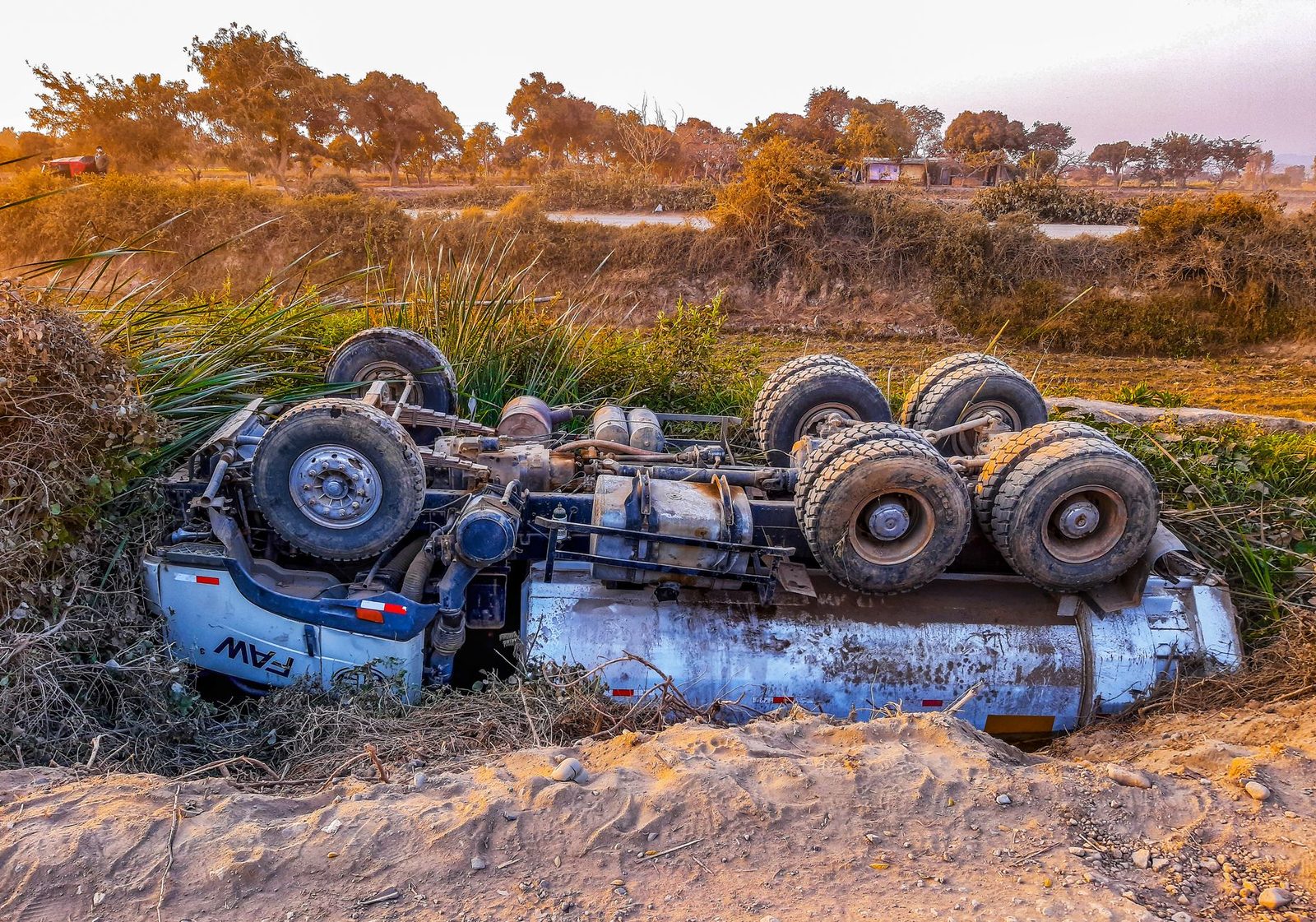
Understanding Truck Crash Injury Claims
If a torn ligament followed a tractor-trailer or box truck crash, you may have a claim worth reviewing. Gather your crash report number, your medical records, and details about missed work. During a free case review, the firm can look over the crash details and your medical records with you.