
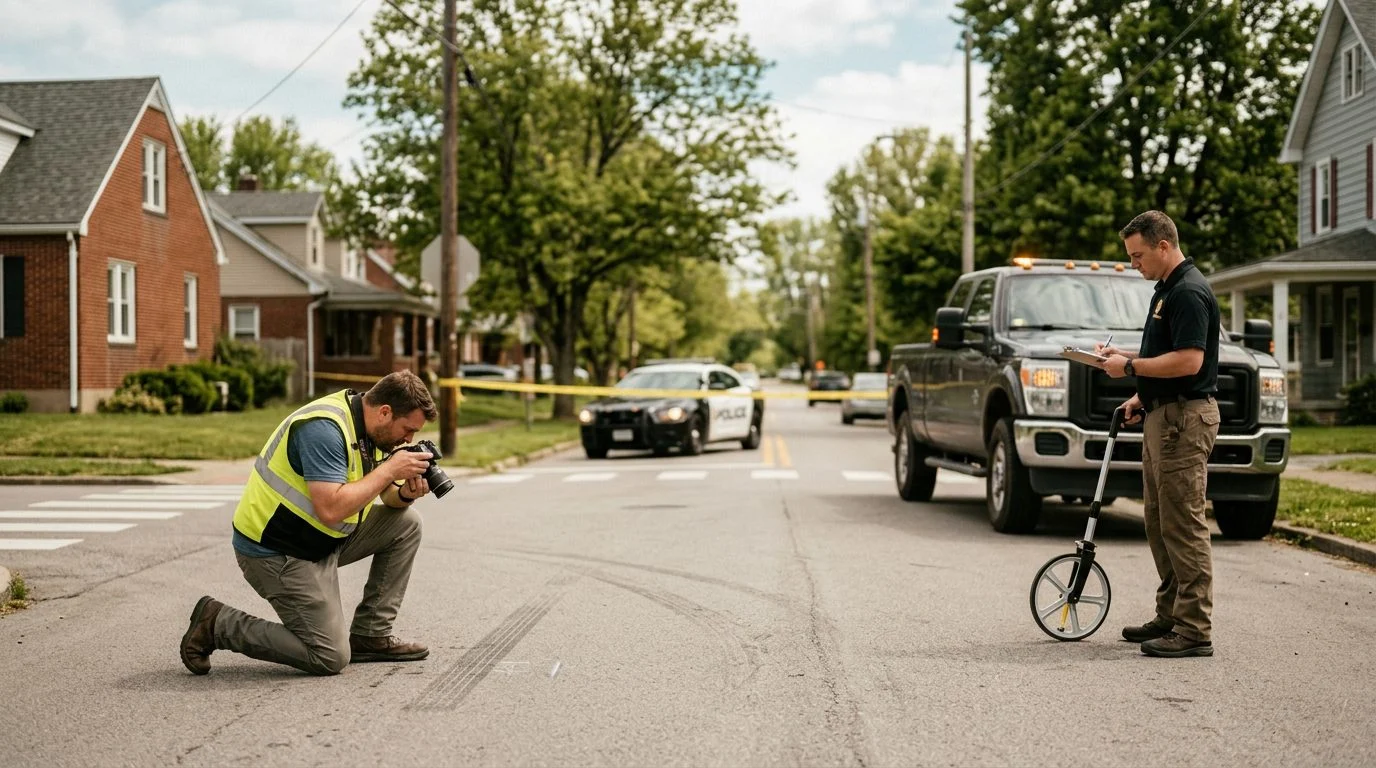
West Virginia families | Truck crash brain injuries
After a Truck Crash, Your Child's Head Injury Needs Careful Attention
A plain-language checklist for WV parents on medical follow-up, symptoms to track, and records to keep after a commercial truck crash.
Published November 6, 2026
A truck accident brain injury checklist for parents helps you track what happened after your teen was hurt in a West Virginia crash. Answer each yes-or-no test for your child’s situation, then follow the next step listed.
Who This Checklist Is For and How to Use It
This page is for parents, stepparents, and guardians. You may be reading it while your child is still recovering, and you may be making decisions you never expected to make.
Brain injuries can be hard to spot in the first hours. Teens often say they feel fine, and some symptoms show up days later. That is why this checklist follows the order of events, from the emergency room to school to records.
Traumatic brain injury (TBI) is severe brain damage caused by an external force. The Administration for Community Living notes that automobile accidents can cause it.
If your child was hurt in a truck crash, they may have a claim, and the firm can review the facts with you in a free case review. Talk it through with Big Bubba — the first case review is free, confidential, and carries no obligation.

Checklist Part 1: The First Hours After the Crash
Start by getting your child checked, even if they say they feel fine. Records from the first medical visit often matter later.
- Was your child checked by a doctor or nurse after the crash? Some symptoms may not appear right away. Next step: Go to the emergency room or urgent care, and keep every visit record.
- Did your child hit their head, or did their head snap or move hard? A brain injury can happen without a visible wound. Next step: Tell the medical team exactly how the head moved.
- Did anyone see loss of consciousness, confusion, slurred speech, or memory gaps? The medical team needs to know about each sign. Next step: Report each one to the doctor and write down who saw it.
- Did a seatbelt or airbag deploy, or was your child thrown or pinned? These details help doctors understand the force involved. Next step: Describe how the crash happened, as best you know it.
- Is there neck, back, or spine pain? Other injuries can sit alongside a head injury. Next step: Name every body part that hurts, not only the head.
Checklist Part 2: Symptoms to Watch for Over Days and Weeks
Symptoms can change over days and weeks, so keep watching after the first visit. Write down what you see, not only what your child reports.
- Is there a headache that keeps returning, dizziness, nausea, or sensitivity to light? Persistent symptoms are worth reporting. Next step: Log each symptom, the time, and how long it lasted, and tell the treating doctor.
- Has sleep changed, with too much sleep, trouble falling asleep, or frequent waking? Changes in sleep can be useful information for a doctor. Next step: Record the pattern and raise it at the next visit.
- Has your child seemed irritable, anxious, tearful, or unlike themselves? Parents often notice mood changes first. Next step: Write down specific changes in mood and behavior.
- Has your child had trouble finding words, focusing, or remembering recent events? These signs may point to a need for further testing. Next step: Ask the doctor whether a cognitive evaluation is appropriate.
- Did symptoms appear late, or get worse after first improving? Delayed or returning symptoms still matter. Next step: Schedule follow-up care promptly, and do not assume the problem has resolved.
Checklist Part 3: Documents, Evidence, and the Crash Report
Good records help your child’s medical care and any later claim. Start a folder on day one.
- Do you know the truck or commercial vehicle company name, DOT number, or markings? Commercial vehicles often display this information. Next step: Write down what you can from photos, the scene, or the other driver’s paperwork.
- Was a police crash report filed? Reports can contain details about the vehicles and the scene. Next step: Request a copy from the responding agency, and note any copy charge it lists.
- Did you photograph the scene, the vehicles, the road, and visible injuries? Early photos can show conditions that change later. Next step: Keep the original files and do not edit them.
- Do you have names and phone numbers for witnesses or other drivers? Memories fade quickly. Next step: Write down contact details while they are fresh.
- Are discharge papers, prescriptions, and appointment notes in one place? Missing papers are hard to rebuild later. Next step: Create one folder or binder, and add to it at every visit.
- Did police mention alcohol or drug testing of the driver? Federal rules require some commercial drivers to be tested after certain crashes, and time limits apply. Next step: Write down anything the police or the driver said about testing.
Checklist Part 4: School, Work, and Daily Life
A brain injury can affect school and daily routines. Share medical guidance early, and keep copies of everything.
- Has the school been told about the injury and recent symptoms? Teachers can only help if they know. Next step: Ask the doctor for written return-to-school guidance, and share it with the school.
- Is your child struggling with reading, homework, tests, or long classes? These can be signs that support is needed. Next step: Ask the school about a formal accommodation plan, and keep copies of every request.
- Has your child stopped sports, driving, part-time work, or other activities? Doctors may set limits on activity. Next step: Follow medical restrictions, and record when they are lifted.
- Are family members noticing changes at home? Specific examples can matter later. Next step: Write down dates and examples, not general impressions.
Checklist Part 5: Questions About the Legal Side
West Virginia generally allows two years to file a personal injury action, and exceptions may apply (W. Va. Code § 55-2-12). Timing is one reason to raise legal questions early.
- Was a truck or commercial vehicle involved, rather than only a passenger car? Commercial vehicle cases can involve different parties and records. Next step: Keep the vehicle details in your folder.
- Is your child a minor? West Virginia’s two-year personal injury limit can raise timing questions for minors. Next step: Write down the crash date and bring it to your first conversation.
- Did the crash cause a death in your family? Under West Virginia’s wrongful death statute, an action is generally brought by a personal representative and must be started within two years after the death, subject to the provisions of section eighteen, article two, chapter fifty-five. Next step: Raise this question at the start.
- Was the driver working for a company at the time? West Virginia case law may make an employer answerable for a worker’s negligent act within the scope of the job. Next step: Note the company name shown on the truck or paperwork.
- Some insurers may dispute a claim. Next step: Talk with the firm before giving a statement.
Not sure what your next step is?
Talk it through with Big Bubba — the first case review is free, confidential, and carries no obligation.
What Happens If You Reach Out to the Firm
The firm handles car accident, truck accident, commercial vehicle, catastrophic injury, traumatic brain injury, spinal cord injury, and wrongful death matters across West Virginia. You can request a free case review, which is confidential.
- Step 1: Bring your folder and your checklist answers.
- Step 2: The firm reviews the facts you share and explains what information it may still need.
- Step 3: You decide what comes next. You are not required to continue after the review.

Questions Parents Ask After a Teen’s Brain Injury
Here are common questions after a teen’s head injury.
Does a head injury always show on a scan?
No. Some brain injuries may not show on standard imaging, so ongoing symptoms still matter and should be reported.
Should I wait to see if my child gets better?
Medical follow-up should not wait. Raising legal timing early can also help.
Can my child describe the crash?
Teens may have trouble recalling events after a head injury. Write down what they say and when they said it.
What if the other driver blames my child?
If another driver was at fault, the records you keep can help explain what happened.
Where do I start if I’m overwhelmed?
Start with Part 1 and work through the list at your own pace. This truck accident brain injury checklist for parents is meant to make the next step clearer.
If your child was hurt in a truck crash, you don’t have to sort through this alone. You can request a free case review with the firm.
Related practice areas
- Truck Accident Claims in West Virginia | Big Bubba Legal
- Wrongful Death Truck Crash Checklist West Virginia