
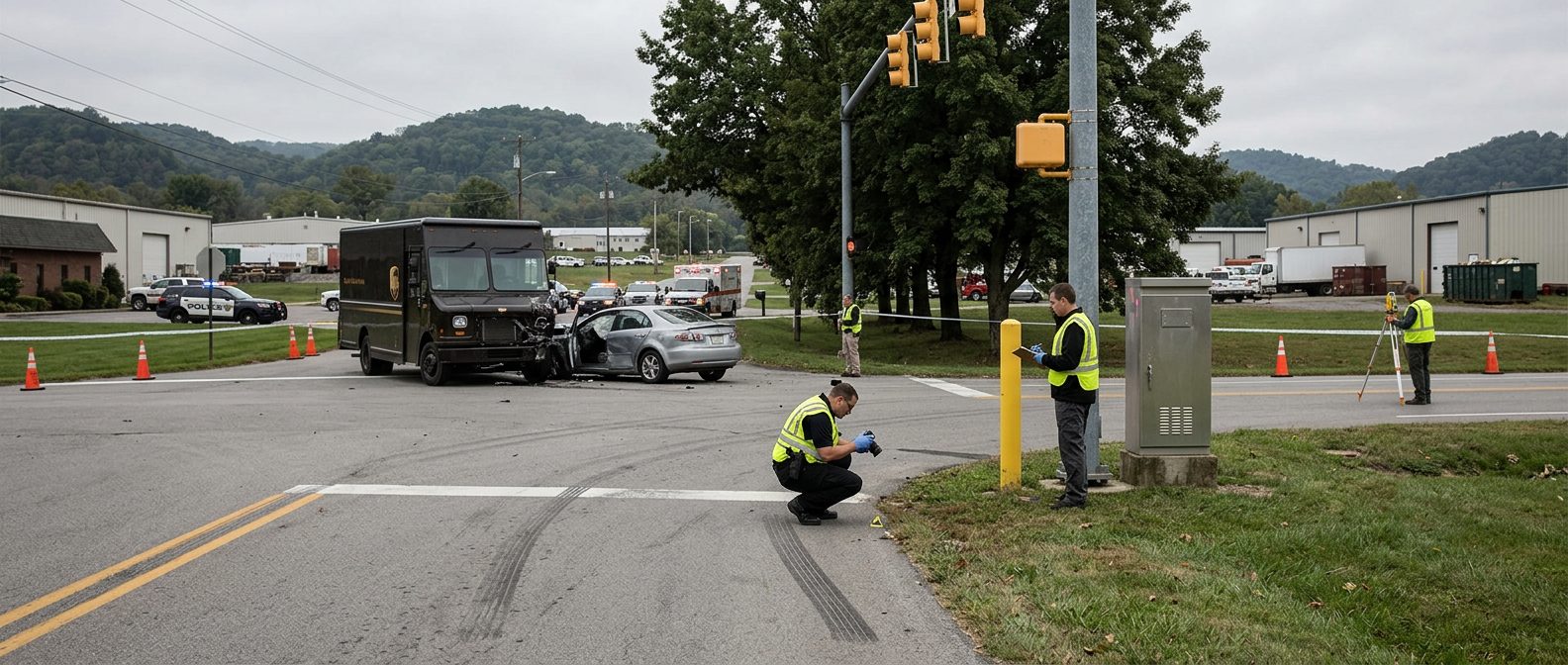
Trucking Company Accident Claims | West Virginia
Hurt in a Truck Crash? Tell Bubba What Happened.
Big Bubba Injury Law represents people seriously hurt in car and commercial truck crashes, and families in wrongful death cases, across West Virginia. Start with a free case review. It is confidential, with no obligation to continue.
How the Firm Can Help
Reviewing the crash
We look closely at how the crash happened, including the truck, the driver, and the trucking company's involvement.
Catastrophic injuries
We handle serious injuries, including traumatic brain injury and spinal cord injury, where recovery can take months or years.
Families after a death
We represent families in wrongful death cases, so they can focus on their loved ones while we handle the legal details.
Serving West Virginia
We serve injury victims across West Virginia, including Charleston, Huntington, Morgantown, Wheeling, Martinsburg, Parkersburg, Beckley, Clarksburg, Fairmont and Weirton.
Easy to reach out
You can reach out to the firm to tell us what happened and ask questions about your situation.
Published October 28, 2026
A trucking company accident claim seeks payment for injuries or losses caused by a crash with a commercial truck. It can name the company behind the truck, not only the driver. This page explains how a trucking company accident claim works in West Virginia.
Big Bubba Injury Law represents people seriously hurt in car and commercial truck crashes, people with catastrophic brain and spinal cord injuries, and families in wrongful death cases. We serve injury victims across West Virginia, including Charleston, Huntington and Morgantown.
What a Trucking Company Accident Claim Is and Who It Helps
A trucking company accident claim is a claim against the company that runs the truck, along with the driver. The company is often central. It may hire or contract the driver, own or lease the truck, and control dispatch, schedules and safety systems.
These claims can help:
- Drivers and passengers in cars hit by a commercial truck
- Pedestrians and others struck by a commercial vehicle
- Families of a person killed in a truck crash, through a wrongful death claim brought by the personal representative
Serious harm can follow a truck crash. Catastrophic injuries, traumatic brain injury and spinal cord injury all occur in these cases. MedlinePlus spinal cord injury overview notes that motor vehicle accidents can cause spinal cord injuries, which may lead to weakness, paralysis and sensory loss. The firm handles catastrophic injury, traumatic brain injury and spinal cord injury claims from commercial vehicle crashes.
A truck crash can leave you or your family asking who is responsible while still recovering, and you don't have to answer that question alone. Talk it through with Big Bubba — the first case review is free, confidential, and carries no obligation.
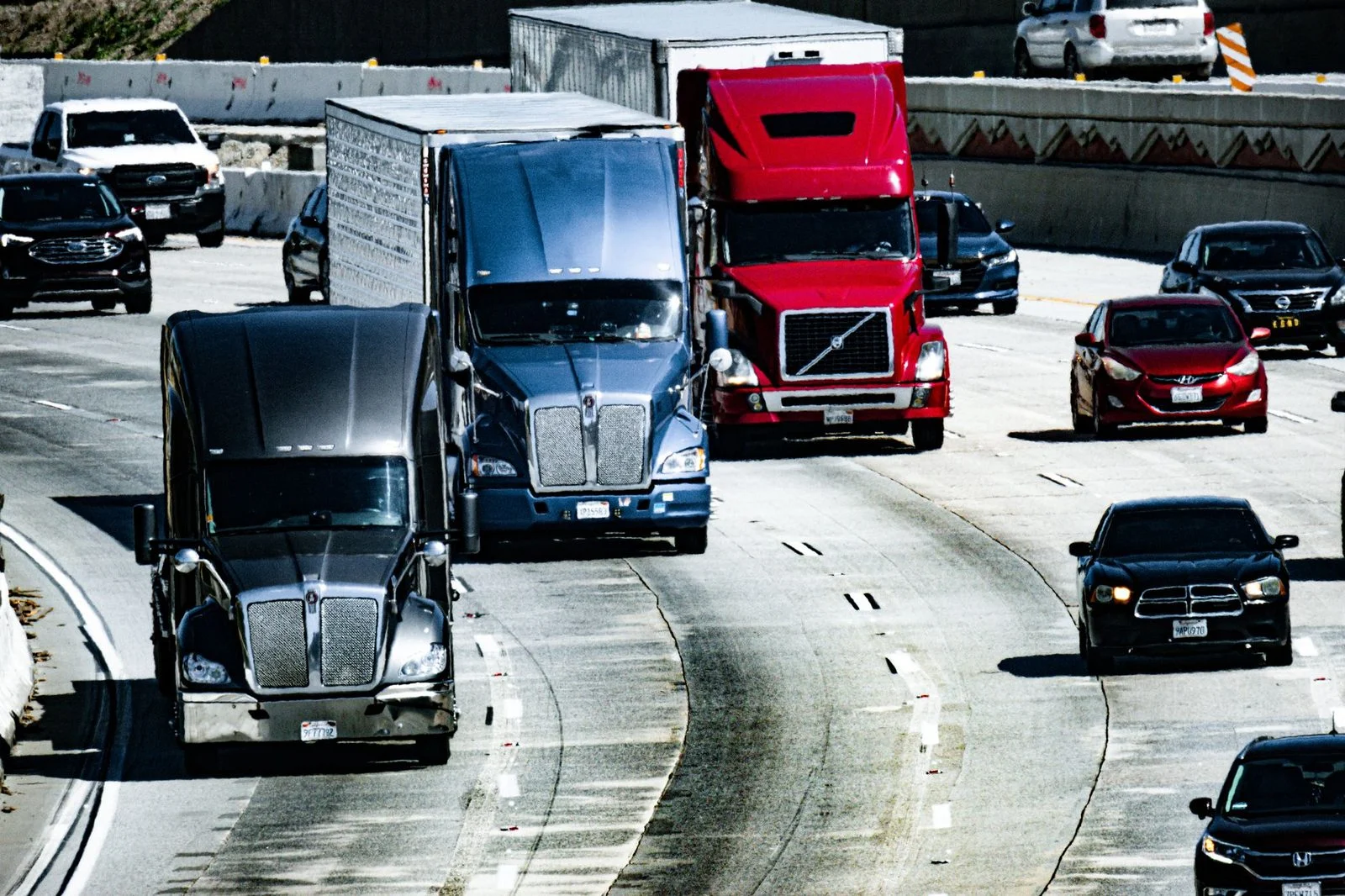
How a Trucking Company Can Be Held Liable
A trucking company can be held liable for a driver’s negligence and for its own. These are the two main routes, and they often work together.
The first route is vicarious liability, meaning responsibility for another person’s acts. When a driver is working for the company, the company may answer for that driver’s negligence. W. Va. Code § 55-7-13d says nothing in it stops a person from being held liable for the portion of comparative fault assessed against another person who was acting as an agent or servant of such person.
Common theories include:
- Negligent hiring. The company failed to reasonably check a driver’s background for the job.
- Negligent training, supervision, retention or entrustment. The company failed to train or oversee a driver, kept one on the road despite known problems, or gave a truck to an unfit driver.
- Company-level decisions. Dispatch schedules that push drivers to hurry, skipped maintenance and delivery pressure can contribute to a crash.
The firm reviews both the driver’s conduct and the company’s practices before deciding which theories fit the facts.
Company Records That Often Matter After a Truck Crash
The company’s records can show what the driver was allowed to do and what the company knew. Several federal rules govern the key files.
- Electronic logging device and hours-of-service records. Federal rules bar false duty status reports and tampering with logging devices (49 C.F.R. § 395.8). These records can show whether the schedule was lawful and realistic.
- They can include the driver’s application, motor vehicle record and medical certificate.
- Drug and alcohol testing. Federal rules require some commercial drivers to be tested for alcohol as soon as practicable after a crash, including a crash involving a loss of human life (49 C.F.R. § 382.303).
- Maintenance and inspection files. Repair records and roadside inspection reports can show equipment problems that existed before the crash.
- Dispatch and delivery records. Messages, schedules and bills of lading can show time pressure on the driver.
Records do not always last. Federal rules let carriers destroy certain records after required retention periods (49 C.F.R. § 379.3). Written requests asking the company to keep its files can help protect them early. The firm also looks at scene evidence, including photos, witness statements, police reports and any dash camera footage.
Insurance, Leasing Arrangements and Multiple Defendants
Several parties can be tied to one truck, so identifying each responsible party early matters. Federal rules set minimum insurance levels for many carriers.
For example, for-hire interstate carriage of nonhazardous property in trucks rated 10,001 pounds or more requires at least $750,000 in public liability coverage (49 C.F.R. § 387.9). Actual coverage can be higher and can differ by carrier.
A truck may be owned by one company, leased to another and driven by a third party. Federal lease rules require the lease to clearly specify each party’s responsibility for the cost of fuel and tolls (49 C.F.R. § 376.12). Those terms can show who had responsibility for the truck.
West Virginia also limits some damages. Under W. Va. Code § 55-7-32, in a civil action for personal injury or wrongful death involving the operation of a commercial motor vehicle requiring a commercial driver’s license, the maximum amount recoverable by each person injured or killed against the employer defendant as compensatory damages for noneconomic loss may not exceed $5 million for each occurrence, regardless of the number of claims or theories of liability. Beginning January 1, 2026, that limit increases each year to account for inflation based on the Consumer Price Index published by the United States Department of Labor, but may not exceed 150 percent of the amounts specified in the statute. The cap does not apply if the company lacks at least $3 million in commercial vehicle insurance for the occurrence. Under subsection (d) of W. Va. Code § 55-7-32, the noneconomic damages limit does not apply if the civil action arises from an incident for which an operator or driver is found to have, at the time of the incident, operated a commercial motor vehicle in excess of the hours of operation established under state or federal regulations, or in willful or wanton disregard for the safety of persons or property, among other listed conduct. Freight brokers, cargo shippers and maintenance contractors can sometimes be involved, too.
How the Process Works, Step by Step
A trucking company claim usually moves through five steps, from first review to negotiation or a lawsuit.
- Free case review. This confidential first conversation has no obligation to continue. The firm asks what happened, who was involved and what medical care you’ve received.
- Evidence requests. The firm asks the company and insurers, in writing, to keep logs, maintenance files and onboard data.
- Investigation. This may include the crash scene, police reports, medical records and the company’s and driver’s files.
- Identifying parties. The firm determines which companies, insurers and legal theories fit the facts.
- Demand, negotiation or lawsuit. The firm presents the claim to insurers. If needed, it files suit in the proper West Virginia court.
Timelines vary with injury severity, medical treatment and how quickly records and insurers respond. The firm explains the likely steps for your case during the free case review.
Deadlines and West Virginia Fault Rules
West Virginia gives two years to file a wrongful death claim, measured from the decedent’s death and subject to the provisions of section eighteen, article two, chapter fifty-five (W. Va. Code § 55-7-6). The two clocks start at different points, so check each one.
- Personal injury. Unless another rule applies, the claim must be brought within two years after the right to bring it arises (W. Va. Code § 55-2-12).
- Wrongful death. The action generally must start within two years after the person’s death, though other provisions of West Virginia law may change that period. The personal representative brings it for the family (W. Va. Code § 55-7-6).
- Shared fault. West Virginia uses comparative fault. Each person’s liability is divided in direct proportion to their percentage of fault (W. Va. Code § 55-7-13a). An injured person who shares fault can recover less.
Waiting can make evidence harder to gather, so early review helps protect your options.
Not sure what your next step is?
Talk it through with Big Bubba — the first case review is free, confidential, and carries no obligation.
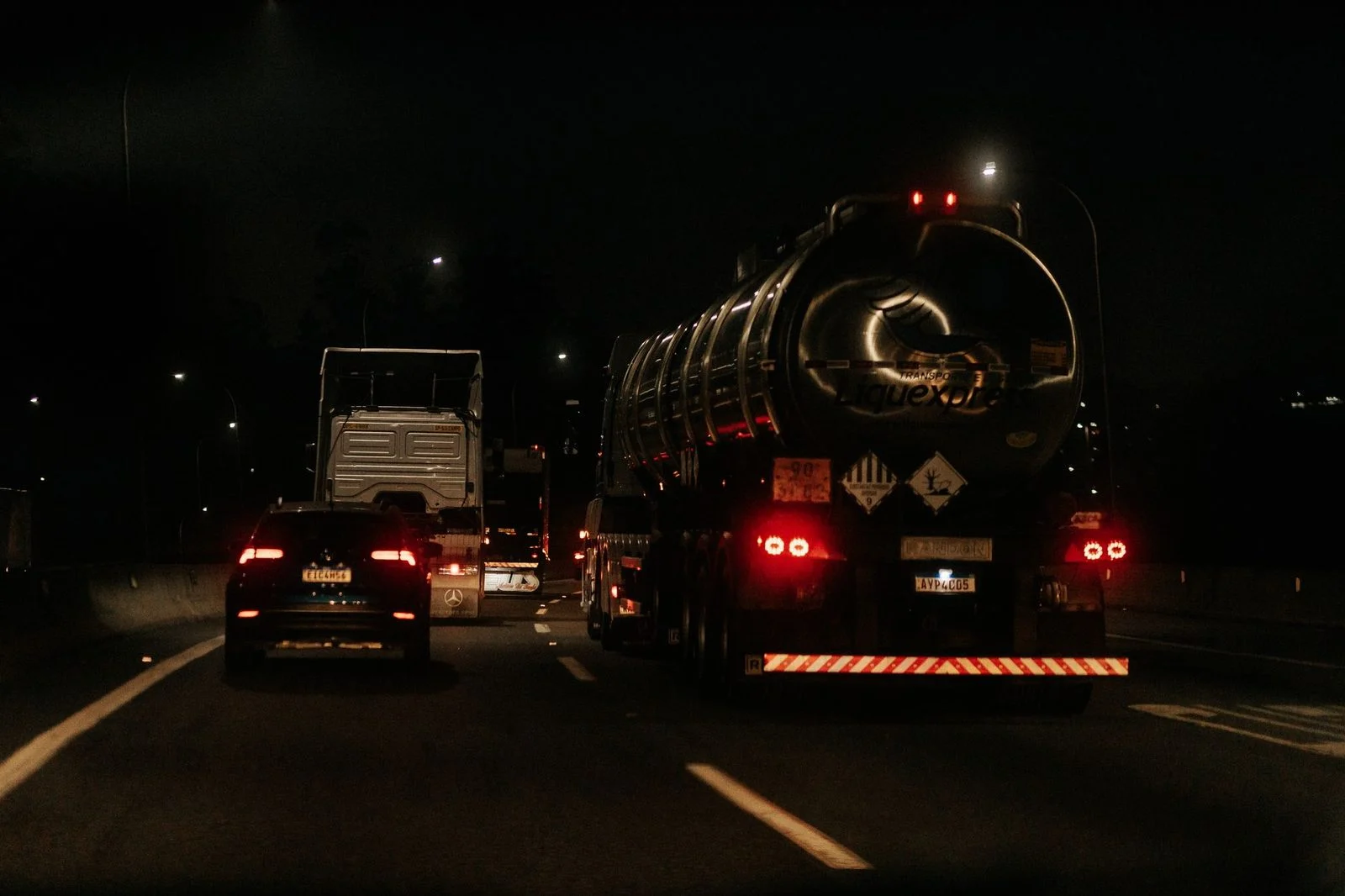
Common Questions About Trucking Company Accident Claims
Most of these questions come down to who controlled the driver and what the records show.
Can I sue the trucking company if the driver was an independent contractor?
Possibly. Whether the company is responsible depends on how the driver was hired and controlled, and the firm reviews that during the free case review.
Do I need a police report or a doctor’s visit first?
Get medical care promptly, because records document your injuries. A police report also records the crash, and the firm asks for it.
What if the insurance adjuster calls me?
Adjusters work for the insurance company, not for you. The firm can handle communications with insurers on your claim.
What if someone died in the crash?
A wrongful death claim is brought by the personal representative. A jury’s verdict shall include, but may not be limited to, damages for sorrow and loss of companionship, reasonably expected lost income and services, expenses for the care and hospitalization of the decedent, and reasonable funeral expenses (W. Va. Code § 55-7-6).
What information should I gather?
Take photos of the scene and vehicles, note witness names and keep your medical records. Write down the truck’s company name and USDOT number if you can see them.
If your truck crash matches what you’ve read here, Tell Bubba what happened and request a free case review with the firm.