

Truck Accidents | West Virginia
Trucking Company Negligence in West Virginia: Get a Free Case Review
A serious truck crash can involve more than one driver or company. We serve injured people and families across West Virginia who need answers about what happened.
Published October 25, 2026
If a truck crash hurt you or a loved one, you may have a legal claim. This guide explains the basics of trucking company negligence West Virginia claims, who may be responsible, what evidence matters, and how the process usually moves. Big Bubba Injury Law handles car and commercial truck crash injuries, catastrophic brain and spinal cord injuries, and wrongful death cases. We serve communities across West Virginia.
What Trucking Company Negligence Means
The crash caused harm, such as medical bills, lost pay, or a death.
The company can be at fault even when the driver is not the only problem. Other company failures include poor training, weak maintenance, and pressure to meet tight delivery times.
This page is written for adults hurt in crashes with commercial trucks and for families who lost a loved one in one.
Not sure what your next step is?
Talk it through with Big Bubba — the first case review is free, confidential, and carries no obligation.

Who Can Be Held Responsible in a Truck Crash
The driver, the trucking company, and other businesses tied to the truck can each share responsibility. West Virginia law uses the term “employer defendant” for the owner, employer, or controlling party of a commercial motor vehicle in certain cases, as defined in W. Va. Code § 55-7-32.
Common sources of responsibility include:
- The driver. A driver who breaks traffic rules or drives distracted can be at fault.
- The motor carrier. Federal rules require the carrier to make sure drivers follow their duties and prohibitions, under 49 C.F.R. § 390.11.
- Cargo securing. Under 49 C.F.R. § 393.106, cargo must be firmly immobilized or secured on or within a vehicle, and articles likely to roll must be held in place by chocks, wedges, a cradle or other equivalent means, except for commodities in bulk that lack structure or fixed shape (e.g., liquids, gases, grain, liquid concrete, sand, gravel, aggregates) and are transported in a tank, hopper, box, or similar device that forms part of the structure of a commercial motor vehicle.
- Maintenance. Carriers must keep parts like wheels, axles, suspension, and steering in safe operating condition, under 49 C.F.R. § 396.3.
- Hours. Federal rules limit driving time and require rest, under 49 C.F.R. § 395.3. Tight schedules can push drivers past those limits.
A defendant whose own conduct was driving under the influence of alcohol, a controlled substance or other drug, when that was a proximate cause of the plaintiff’s damages, is jointly and severally liable under state law.
Evidence That Often Matters in Trucking Cases
The records showing what the truck and driver were doing before the crash are often the most useful evidence. Some of these records are kept only for a set time, so early action matters.
- Electronic data from the truck, such as speed and braking information, when it can be preserved.
- Driver logs and hours records, which show whether driving limits were followed.
- Maintenance and inspection records. Carriers must keep them for one year where the truck is housed, and six months after it leaves their control, under 49 C.F.R. § 396.3.
- The police crash report. It records what the officer saw and learned, but it is one piece of the picture.
- Photos, witness names, and dashcam footage. Save these now, before they are lost or overwritten.
How the Free Case Review and Claim Process Works
The process starts with a free case review, a confidential talk about what happened and what you need. Here is what usually follows:
- Reach out. Tell the firm the date, the place, and your injuries.
- Free case review. You discuss the crash facts, your injuries, and your questions. There is no obligation to continue afterward.
- Investigation. The firm looks into the trucking company, its insurer, and any other party that may be responsible. It can ask that evidence be preserved.
- Evaluation. The firm reviews your medical treatment, lost income, and, in serious or fatal cases, long-term needs.
- Negotiation or suit. The firm talks with the insurer. If the insurer will not resolve the claim fairly, a lawsuit may be needed.
Timelines vary. Some claims move in months, and others take much longer. The firm will explain what to expect based on your situation.
Catastrophic Injuries and Wrongful Death in Truck Crashes
Brain injuries, spinal cord injuries, and deaths in truck crashes often lead to long-term needs. These needs can take time to understand. Traumatic brain injury and spinal cord injury can require ongoing care, rehabilitation, and planning for the future. Lasting effects are documented with treating providers as the case develops.
In West Virginia, a wrongful death action is brought by and in the name of the duly appointed personal representative of the person who died. Under W. Va. Code § 55-7-6, a verdict may include damages for:
- Sorrow, mental anguish, and the loss of society, companionship, guidance, and advice
- Reasonably expected loss of income and of services, protection, care and assistance
- Care and hospital treatment tied to the injury
- Reasonable funeral bills
The court or jury decides how damages are shared among survivors, such as a spouse, children, parents, and others who depended on the person who died.
The firm handles these matters across West Virginia. We serve Charleston, Huntington, Morgantown, Wheeling, Martinsburg, Parkersburg, Beckley, Clarksburg, Fairmont, Weirton, and surrounding communities.
Common Questions About Trucking Negligence Claims
Most questions come down to deadlines, shared fault, and early contact from insurers.
How long do I have to file a claim?
West Virginia generally allows two years for a personal injury claim, under W. Va. Code § 55-2-12. Under W. Va. Code § 55-7-6, a wrongful death action is to be commenced within two years after the death, subject to the provisions of section eighteen, article two, chapter fifty-five, which may affect when that period applies. W. Va. Code § 55-7-6 reads: “The provisions of this section shall not apply to actions brought for the death of any person occurring prior to July 1, 1988.”
What if I was partly at fault?
Your fault bars recovery only if it is greater than the combined fault of everyone else responsible. If it is less, your recovery is reduced in proportion to your share, under W. Va. Code § 55-7-13c.
How much is a negligence claim worth?
Value depends on your injuries, medical bills, lost income, and the evidence of fault. Certain commercial vehicle cases also face a statutory limit on noneconomic damages for causes of action arising after July 1, 2024, under W. Va. Code § 55-7-32. Under W. Va. Code § 55-7-32, in a civil action for personal injury or wrongful death involving the operation of a commercial motor vehicle requiring a commercial driver’s license, the maximum amount recoverable by each person injured or killed against the employer defendant as compensatory damages for noneconomic loss may not exceed $5 million for each occurrence, regardless of the number of claims or theories of liability. Beginning January 1, 2026, and each year after, that limit increases to account for inflation by the Consumer Price Index published by the United States Department of Labor, not to exceed 150 percent of the amounts specified in the statute. The limit is not available to an employer defendant that does not have commercial motor vehicle insurance of at least $3 million in the aggregate for each occurrence covering the personal injury at issue, and the section does not apply in the circumstances listed in subsection (d).
Should I give a recorded statement?
Not right away. For 20 days after an injury, while you are in the hospital or partially or totally unable to work, no one may negotiate or attempt to negotiate a settlement with you, seek a release of liability from you, or seek a statement from you for use in negotiating a settlement or obtaining a release (unless you expressly request that statement), under W. Va. Code § 55-7-11a. Speak with the firm before you give any statement.
Should I accept an early settlement offer?
Insurers can make offers quickly. Compare any offer with your full injuries, including care you may still need, before you decide.
Not sure what your next step is?
Talk it through with Big Bubba — the first case review is free, confidential, and carries no obligation.
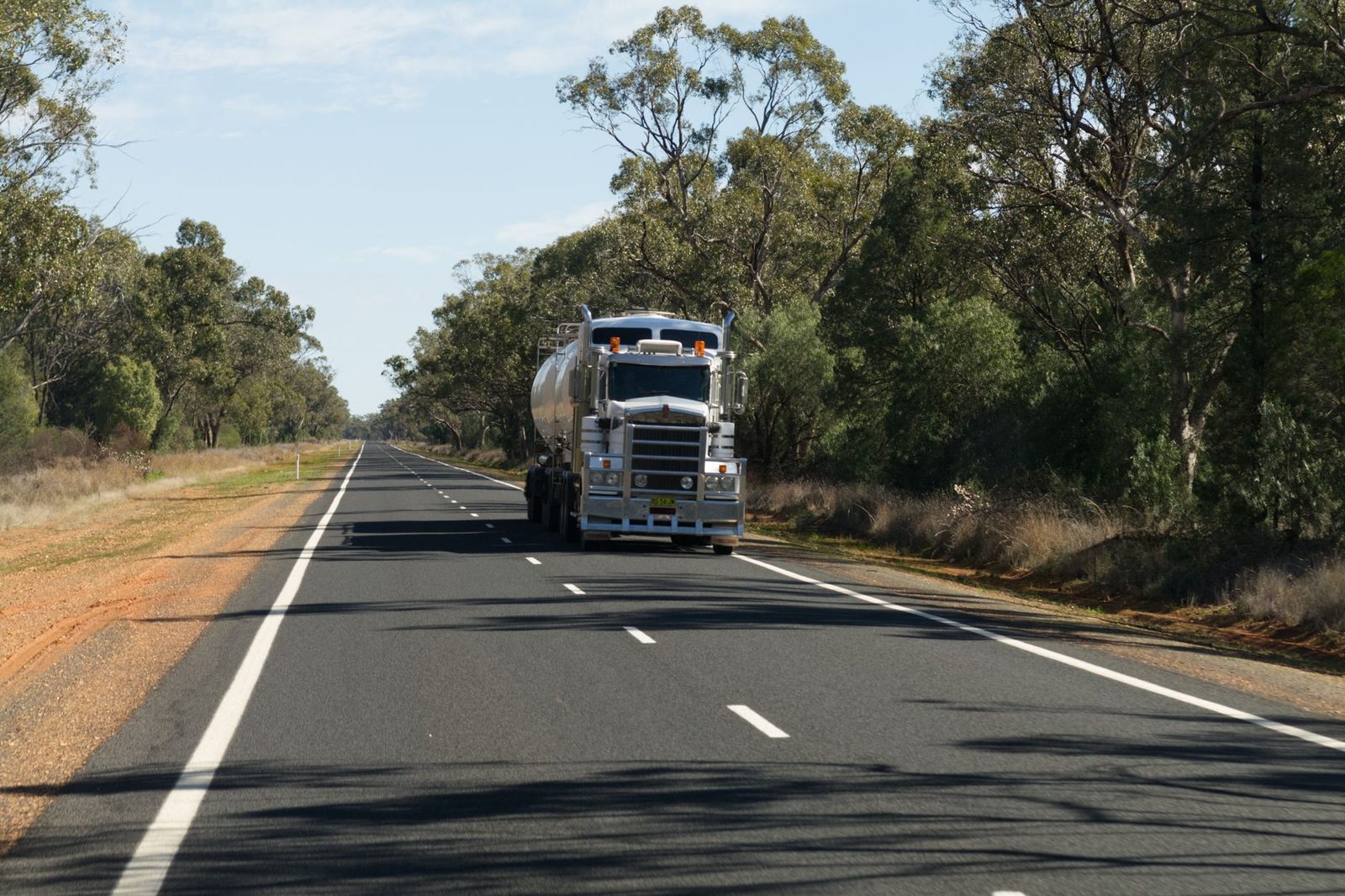
What Truck Crash Victims Should Know
If a commercial truck crash left you or a family member hurt, or took a loved one, telling the firm what happened is the next step. Describe the crash, the injuries, and your questions in your own words. The free case review is confidential, and there is no obligation to continue after it.
Request a free case review and tell Bubba what happened.