
Truck Accident Injury Help · West Virginia
Hurt in a Truck Crash on US 19? You Don't Have to Sort It Out Alone
Big Bubba Injury Law represents people seriously injured in car and commercial truck crashes, along with families in wrongful death cases across West Virginia. Tell us what happened and we will explain your options.
Published October 28, 2026
A US 19 truck accident is a crash involving a semi-truck or other commercial vehicle on US 19 or a nearby West Virginia road. These crashes often cause serious injuries, and the first steps afterward matter. This guide explains what these crashes involve, the injuries that often follow, the evidence that tends to matter, and how a claim usually moves forward. Big Bubba Injury Law handles car and truck crash claims, catastrophic injury cases, and wrongful death claims across West Virginia.
What a US 19 Truck Accident Involves and Who This Page Is For
A US 19 truck accident is a collision between a commercial vehicle and a car, pickup, motorcycle, or other vehicle. Commercial vehicles include semi-trucks, tractor-trailers, and other large work vehicles.
This page is for three groups. The first is injured drivers and passengers who are still in treatment. The second is family members researching on behalf of a loved one who was hurt. The third is relatives of someone killed in a crash.
Many readers are reading between hospital visits, missed paychecks, or grief. That is a hard place to be. You don’t have to figure out every step at once.
The firm handles car accidents, truck accidents, commercial vehicle accidents, catastrophic injuries, traumatic brain injuries, spinal cord injuries, and wrongful death claims.
If you're reading this in a hospital waiting room, or piecing together a crash on US 19 while still missing work, you don't have to sort it out alone. Talk it through with Big Bubba — the first case review is free, confidential, and carries no obligation.

Why Truck Crashes Often Cause Serious Injuries
Truck crashes often cause serious injuries because of size and weight. A loaded commercial truck weighs far more than a passenger car. In a collision, that weight can pass a large amount of force to the smaller vehicle and the people inside it.
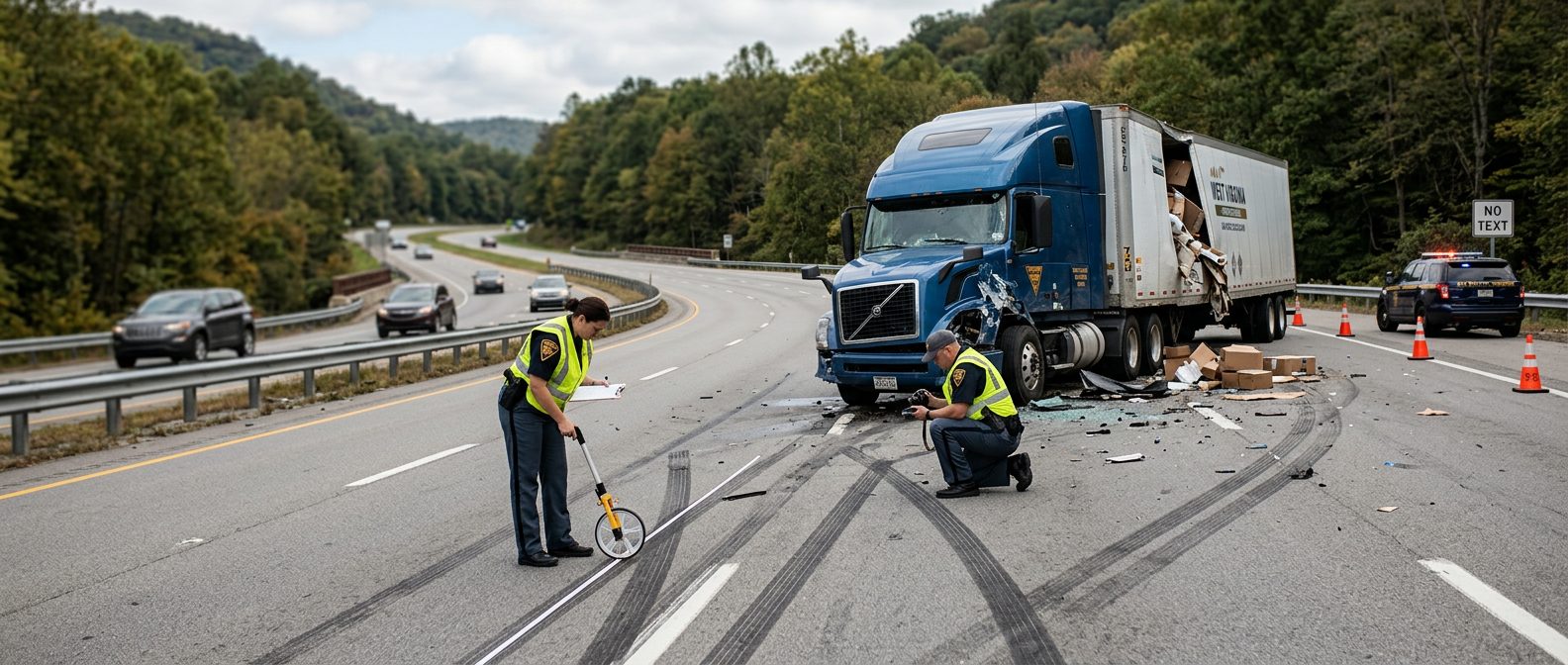
Local news reports from West Virginia describe a familiar range of crashes. These include head-on collisions on two-lane roads, rear-end impacts in slowed traffic, and crashes on I-79 and in Boone and Kanawha counties. News reports describe what happened at the scene. They don’t decide who was at fault.
Mountain roads add their own challenges. Steep grades, sharp curves, and winter weather can make stopping and steering harder for every driver on the road.
Injuries That Commonly Follow a Semi-Truck Crash
The injuries that most often follow a truck crash include brain injury, spinal cord injury, and other catastrophic harm. Many of these injuries are not obvious at the scene.
A blow or jolt to the head can cause a traumatic brain injury, even when there is no visible wound. Headaches, confusion, memory trouble, and mood changes can appear days or weeks after a crash.
A spinal cord injury can cause paralysis or long-term loss of movement and feeling. Early medical evaluation helps doctors look for damage that may not show up right away.
Other catastrophic harm includes broken bones, internal bleeding, organ damage, and severe burns. Some of these injuries need surgery, rehabilitation, or long-term care.
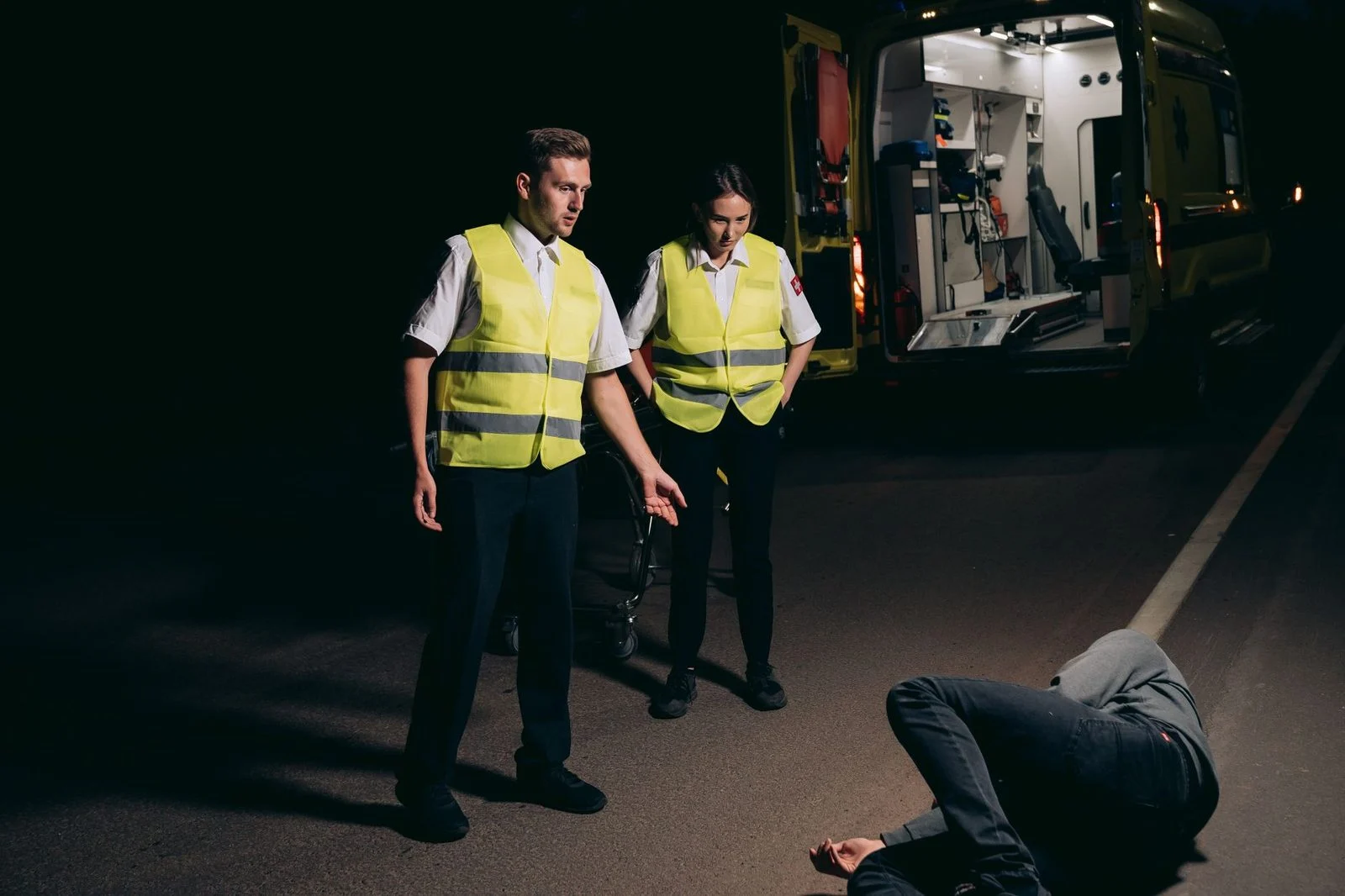
First responders often must stabilize people and cut them out of wrecked vehicles. After any crash, see a medical provider, even if you feel fine. Keep every appointment and follow your treatment plan. Your medical records are central to any claim.
Evidence That Often Matters After a Truck Crash
The evidence that matters most is often held by the people and companies involved. Some of it can be lost over time.
- Police and crash reports, including the location, mile marker, and officer notes.
- Photos and video of the vehicles, the road, skid marks, cargo, and debris.
- Names and contact details for witnesses, and their accounts while memories are fresh.
- Trucking company records, such as driver files, maintenance histories, and drug and alcohol testing.
Federal rules set how long some records must be kept. Except for records that may be removed three years after execution under 49 C.F.R. § 391.51(d), a motor carrier must keep a driver’s qualification file for as long as the driver works there, and for three years after (49 C.F.R. § 391.51). Inspection and maintenance records must be kept for one year where the vehicle is housed, and for six months after it leaves the carrier’s control (49 C.F.R. § 396.3).
Because retention periods end, acting early matters.
Families should also keep medical bills, funeral receipts, and records of lost income.
What the Firm Covers in a Truck Accident Claim
The firm handles truck accident claims for injured people and for families after a fatal crash. Common work includes:
- Investigating how the crash happened, including requests for records from the trucking company and others involved.
- Reviewing medical records and talking with treating providers about injuries and expected recovery.
- Evaluating losses such as medical costs, lost income, and changes to daily life.
- Pursuing wrongful death claims for surviving family members.
For wrongful death, West Virginia law allows a verdict to include damages for sorrow, mental anguish, and solace. It also allows damages for expected loss of income and services, care and hospital expenses, and reasonable funeral expenses (W. Va. Code § 55-7-6).
Commercial vehicle cases can also involve limits. W. Va. Code § 55-7-32 caps noneconomic damages against certain employers in cases involving commercial vehicles that require a commercial driver’s license. The statute also lists exceptions to that cap.
We serve Charleston, Huntington, Morgantown, Beckley, and communities across West Virginia.
What to Expect: Steps From First Contact to a Claim
The first step is a free case review. This is a confidential first meeting with no obligation to continue.
- Reach out. Contact the firm and request a free case review.
- Share what happened. Give the date, the location (including the US 19 mile marker if you know it), your injuries, and any papers you have.
- Review the facts. The firm looks at the crash details, medical information, and records you have.
- Decide the next step. If you choose to move forward, the firm begins investigating, requests records, and communicates with the other parties.
- Build the claim. Serious injury and wrongful death cases often take months or longer. Treatment and records must be complete before the full picture is clear.
Timelines vary by case. The firm explains the expected steps as your matter develops.
West Virginia uses comparative fault, which means each person’s share of fault is set as a percentage. Under W. Va. Code § 55-7-13a, recovery is based on comparative fault, and the liability of each person who caused the harm, including the injured person, is allocated in direct proportion to that person’s percentage of fault; a separate section, W. Va. Code § 55-7-13c, provides that the injured person’s own fault bars recovery only if it is greater than the combined fault of all other persons responsible.
Not sure what your next step is?
Talk it through with Big Bubba — the first case review is free, confidential, and carries no obligation.
Questions Families and Injured People Often Ask
How long do I have to start a claim?
Under the general rule, a personal injury action must be brought within two years after the right to bring it accrued (W. Va. Code § 55-2-12). Under W. Va. Code § 55-7-6, a wrongful death action must be commenced within two years after the death, subject to W. Va. Code § 55-2-18, a separate section that, in limited circumstances, can allow a case that was dismissed without a decision on its merits to be filed again.
What if I’m not sure who was at fault?
Many people feel unsure at first. Under comparative fault, responsibility can be split by percentage, so a free case review is a practical way to talk through the facts (W. Va. Code § 55-7-13c).
Do I need a police report first?
A report helps, but it isn’t the only source. The firm can discuss what you have and what may still be obtained.
Can a family bring a claim after a loved one dies?
Yes. A wrongful death action is brought by the personal representative of the deceased person’s estate (W. Va. Code § 55-7-6).
Should I talk to the trucking company’s insurer?
Be careful. West Virginia law restricts settlement talks for 20 days after an injury when the injured person is hospitalized or unable to work (W. Va. Code § 55-7-11a). Talk with the firm before giving a recorded statement or signing anything.
If You Are Researching a US 19 Crash, Start With a Free Case Review
If you’re reading this in a hospital waiting room, or piecing together a crash on US 19 while still missing work, you don’t have to sort it out alone. Many people reading this are still in treatment or still grieving.
When you’re ready, contact Big Bubba Injury Law to tell the firm what happened and to request a free case review. The review is confidential and carries no obligation to continue.