
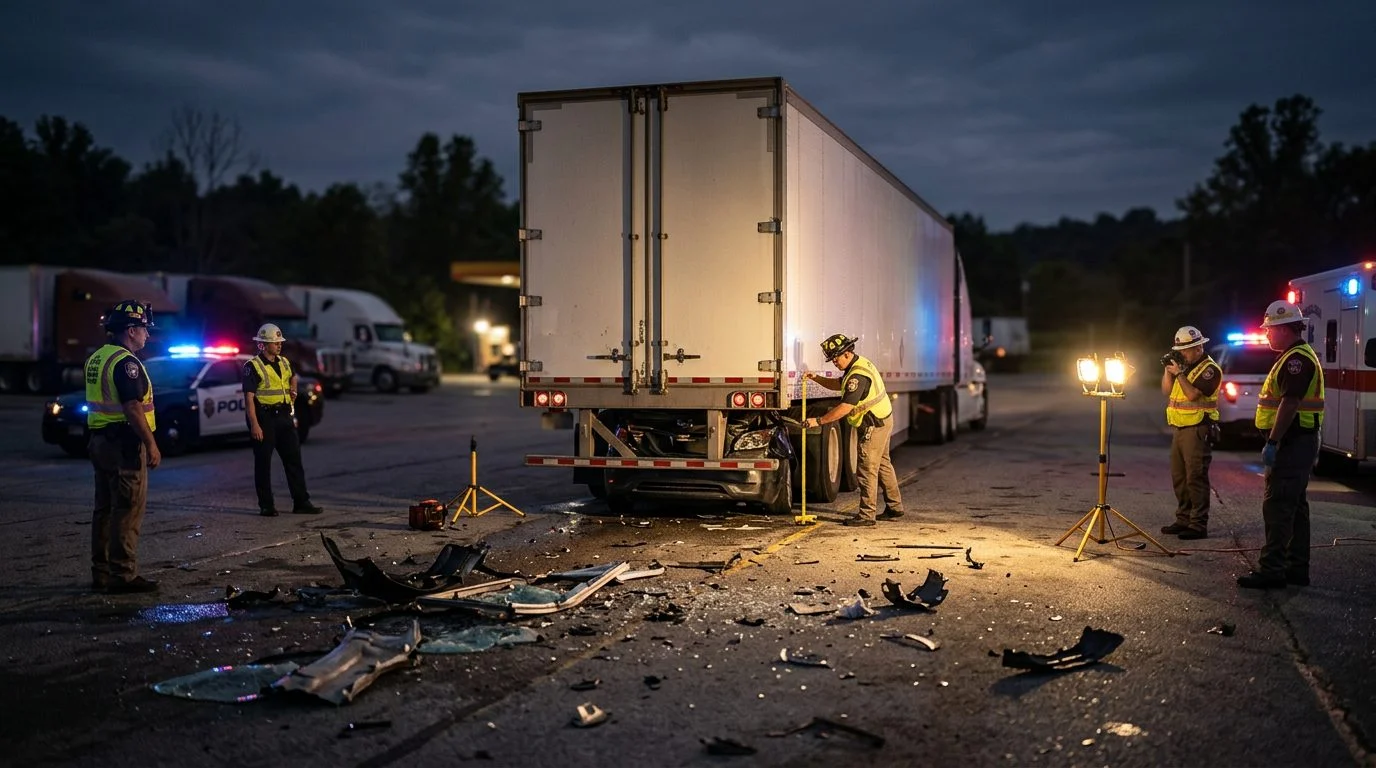
Truck Crash Injuries · West Virginia
Underride Truck Crash Injuries in West Virginia
When a car or SUV slides beneath the trailer of a large truck, the injuries can be severe. Big Bubba represents people hurt in these crashes and families who have lost someone across West Virginia.
What to know about underride crashes
Rear impact guards
Many trailers have a rear impact guard, a device meant to limit how far a vehicle can slide underneath. Whether one was present and how it performed may be relevant to a claim.
Crash reports and records
Police reports, photographs, and trucking records may show the trailer's position, the guard, and the vehicles involved.
Serious injuries
Underride impacts often involve head, spinal, and internal injuries. Medical records help document what happened and how it affects daily life.
Families of those who died
When an underride crash causes a death, surviving family members may have questions about their options. The firm can talk with you about them.
Published November 1, 2026
Underride truck crash injuries in West Virginia can be severe, and some are fatal. An underride crash happens when a passenger vehicle slides partly or fully under the back or side of a truck or trailer. West Virginia law may give injured people and their families a path to a claim, depending on the facts. This page explains how these crashes happen, which injuries are common, who may be answerable, and what to do next.
What an Underride Truck Crash Is
An underride crash is a collision where a car, SUV, or pickup slides under the rear or side of a truck or trailer. Trailers sit high off the ground, so the car’s front end can reach the trailer’s frame. The windshield and roof area often take the force, which puts the people inside in serious danger.
Federal rules address this risk. A rear impact guard is a device that limits how far a striking vehicle’s front end slides under the rear of the vehicle it hits. The federal standard states its purpose as reducing deaths and serious injuries when light-duty vehicles hit the rear of trailers. Under 49 C.F.R. § 393.86, trailers and semitrailers with a gross vehicle weight rating of 10,000 pounds or more, made on or after January 26, 1998, must have a rear impact guard, subject to listed exceptions. The guard’s bottom edge also has a height limit, so it may not sit more than 22 inches above the ground.
Guards can be damaged, missing, or poorly maintained. When that happens, the gap may matter in a claim, depending on the facts. This page is for injured passengers, drivers of passenger vehicles, and families who lost someone in these crashes.
If you were hurt in an underride crash, or you're helping a family member through one, we invite you to request a free case review and tell us what happened. Talk it through with Big Bubba — the first case review is free, confidential, and carries no obligation.
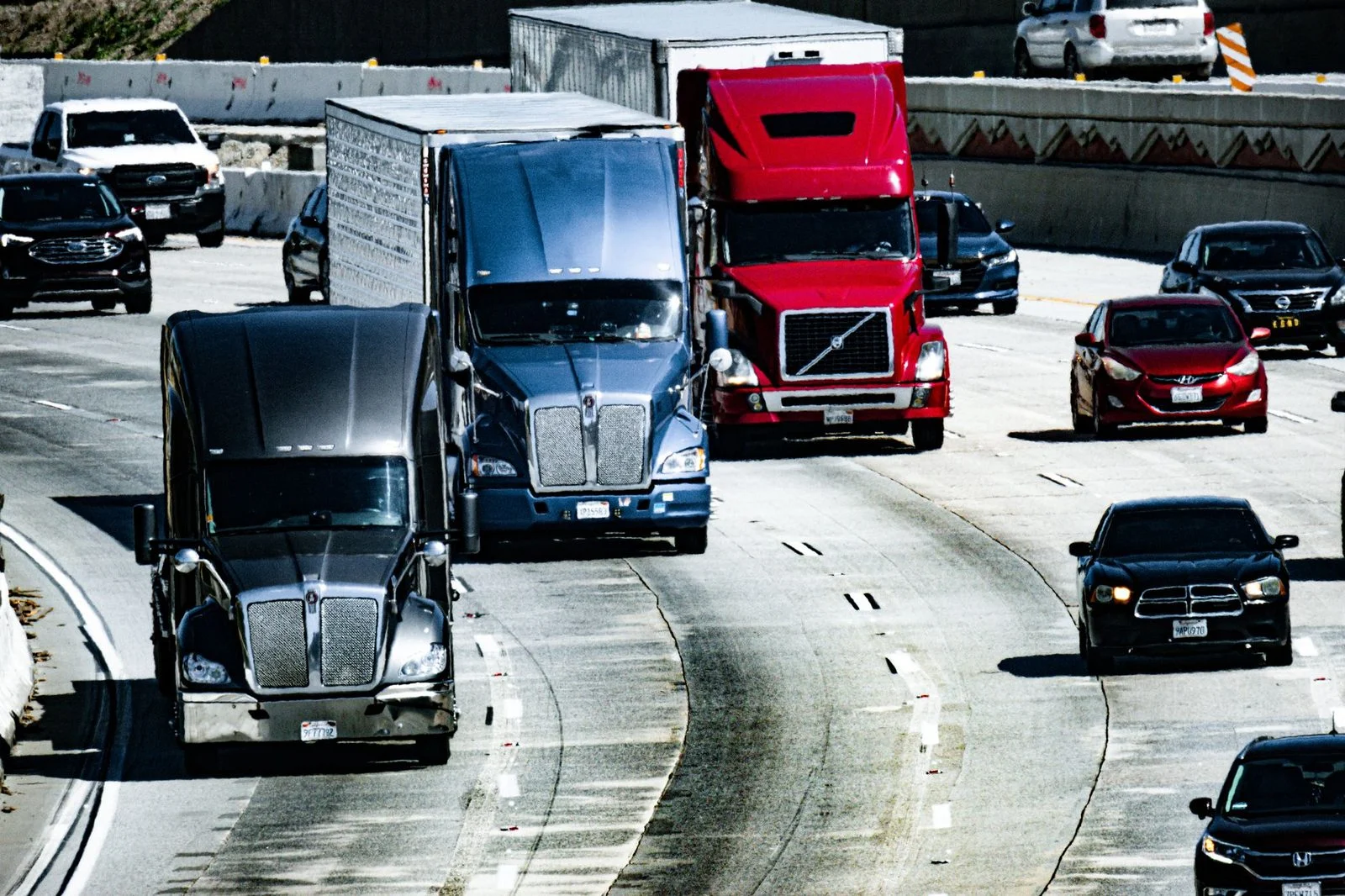
Why Underride Crashes Often Cause Catastrophic Injuries
Underride crashes can cause catastrophic injuries because the passenger car’s structure may be pushed into the space where people sit. A sudden stop or intrusion into the cabin can injure the head, neck, chest, and face. Some injuries are severe enough to change a person’s life.
The Administration for Community Living describes traumatic brain injury as severe brain damage caused by an external force. It notes that automobile accidents can cause this kind of injury. Spinal cord injuries can affect movement and feeling, and their effects may be long-lasting.
Severity depends on the crash, the person, and the medical care that follows. Some injuries are not fully clear right after a crash. A medical evaluation is the way to learn what is happening inside the body. We handle catastrophic injury, traumatic brain injury, and spinal cord injury claims across West Virginia. Claims like this may involve detailed medical records and careful documentation.
Who May Be Responsible in an Underride Crash
More than one party may be answerable in an underride crash, depending on the facts. Possible parties include:
- the truck driver
- the motor carrier that employs or contracts with the driver
- the trailer owner, or a company that leases or controls the equipment
- a repair or maintenance provider, if a guard was installed or repaired poorly
- another driver, if following too closely, impairment, or fatigue played a role
West Virginia has its own rules for commercial vehicle claims. Under W. Va. Code § 55-7-32, a limit on some noneconomic damages against an employer defendant is not available to an employer defendant without at least $3 million in commercial motor vehicle insurance for each occurrence, and it may not apply in listed situations. W. Va. Code § 55-7-32 reads: “(d) This section does not apply if the civil action involving a commercial motor vehicle arises from an incident for which an operator or driver is found to have.” Those situations include some cases where an operator is found to have been under the influence of a controlled substance, other drug, or inhalant substance, hours-of-service violations, and distracted driving.
West Virginia also uses comparative fault, which means fault can be shared. Under W. Va. Code § 55-7-13c, an injured person’s own share of fault reduces recovery. It bars recovery only when that share is greater than the combined fault of all others responsible. W. Va. Code § 55-7-13c reads: “(c) Any fault chargeable to the plaintiff shall not bar recovery by the plaintiff unless the plaintiff’s fault is greater than the combined fault of all other persons responsible for the total amount of damages, if any, to be awarded.”
Evidence That Matters Early in an Underride Claim
The evidence closest to the crash is often the most useful. Note or collect these items when you can:
- the police crash report number
- photos of the trailer, the guard, and the car, taken as soon as it’s safe
- names and contact details for witnesses
- medical records, bills, and notes on missed work and daily limits
- the carrier’s and insurer’s names, if known
Federal rules set minimum retention periods for trucking records. 49 C.F.R. § 395.8 requires carriers to keep records of duty status and supporting documents for at least six months from the date of receipt. Under 49 C.F.R. § 379.3, after the required retention periods, companies may destroy records at management’s discretion, though this does not excuse compliance with other governmental bodies’ longer retention requirements. That is why early requests can matter.
Read more about hours-of-service violations in crashes and preserving truck logs and black box data. Be careful with recorded statements. Before giving a statement to a trucking company or its insurer, you can contact the firm to talk through your options.
Claims for Passengers Versus Drivers
Passengers and drivers can both have injury claims. The right defendant depends on who caused the crash.
A passenger may have a claim against the truck driver, the carrier, or another driver involved, depending on the facts. A driver of a passenger vehicle may bring a claim for his or her own injuries. That driver may also face questions about his or her own actions, which is one reason early records matter.
If a crash is fatal, the claim is brought by the deceased person’s personal representative. W. Va. Code § 55-7-6 says the action must be brought by the duly appointed personal representative. The statute lists what a jury may include in a verdict. These include sorrow, mental anguish, and solace, along with reasonably expected loss of income and services, care and hospital costs, and reasonable funeral expenses. The firm handles wrongful death cases for families across West Virginia. Who may recover, and how any award is divided, depends on the facts and state law.
Deadlines and Filing Basics in West Virginia
West Virginia generally allows two years to file a personal injury claim, and exceptions may apply. W. Va. Code § 55-2-12 sets that period for personal injury actions.
A wrongful death action generally must start within two years after the death, under W. Va. Code § 55-7-6. W. Va. Code § 55-7-6 says a wrongful death action shall be commenced within two years after the death, subject to the provisions of section eighteen, article two, chapter fifty-five, so families should check this date separately from any injury claim. Missing a deadline may bar a claim.
Many claims begin with a demand to the insurer and negotiation. If a fair resolution isn’t reached, a lawsuit may follow. The path and timing depend on the facts of each case.
Not sure what your next step is?
Talk it through with Big Bubba — the first case review is free, confidential, and carries no obligation.

Next Steps After an Underride Crash
The first steps are medical care, written notes, and good records. Get a medical evaluation, even if your injuries seem minor. Write down what you remember while it is fresh. Keep the crash report number, your bills, and a log of missed work.
In a free case review, the firm listens to the facts, identifies who may be responsible, reviews the records you have, and explains your options under West Virginia law. The free case review comes with no obligation to continue.
Common questions
Can underride truck crash injuries in West Virginia lead to a claim?
They may. Whether a claim exists depends on who was at fault and on the facts.
What is a rear impact guard?
It is a device at the rear of a trailer that limits how far a car can slide underneath.
Can a family bring a claim after a fatal underride crash?
A family may be able to bring a wrongful death claim through the personal representative. The answer depends on the facts and state law.
Request a free case review and tell us what happened.