
Wrongful Death Claims
Evidence for Wrongful Death Claims After a Crash in West Virginia
Understanding what proof matters when a loved one is killed in a vehicle accident
Published October 07, 2026
What Evidence Do I Need for a Wrongful Death Claim After a Crash?
To prove a wrongful death claim after a crash, you must show four legal elements: the at-fault driver owed a duty of care, they breached it through negligent conduct, that breach directly caused the crash and death, and your family suffered measurable losses. Evidence supporting each element is what turns a tragic loss into a recoverable claim.
In West Virginia, when someone dies as a result of another person’s negligent or wrongful act, neglect, or default, the person who would have been liable had the death not occurred can be sued for damages, even though the injured person has died. This claim is separate from any criminal case that may arise from the crash. The strength of your case depends entirely on the evidence you can gather and preserve—and evidence disappears fast.
If you've lost a family member in a crash and you're trying to understand what evidence matters and what your family's claim might look like, reach out. Talk it through with our team — the first case review is free, confidential, and carries no obligation.
Understanding Wrongful Death Claims After a Crash
A wrongful death claim arises when someone dies because of another person’s negligence or intentional wrongdoing. In West Virginia, the action is brought by the decedent’s personal representative, and the jury’s verdict may include damages for sorrow, mental anguish, and solace, reasonably expected loss of income and services, care and hospitalization expenses, and reasonable funeral expenses (W. Va. Code § 55-7-6).
The claim is civil, not criminal. Even if the at-fault driver faces criminal charges, a civil wrongful death lawsuit may still be brought separately. These are two independent legal processes.
Evidence is the foundation of every wrongful death case. Without it, you have no way to prove what happened, who was at fault, or what your family lost. The sooner you understand what evidence matters and preserve it, the stronger your position becomes.
The Four Elements You Must Prove in a Wrongful Death Case
Every wrongful death claim in West Virginia rests on four legal elements. You must prove all four to recover damages.
Duty of Care: Drivers are generally responsible for operating their vehicles safely and following the rules of the road. Every person who gets behind the wheel takes on this basic responsibility for safe driving.
Breach of Duty: You must show the driver violated that duty through negligent conduct. Speeding, running a red light, distracted driving, impaired driving, or falling asleep at the wheel all constitute breach of duty.
Causation: You must prove the breach directly caused the crash and, as a result, directly caused the death. The person’s injuries from the crash must have led to their death.
Damages: You must document the losses your family suffered—funeral costs, medical bills, lost income, lost earning potential, and the loss of companionship and guidance the deceased provided.
Evidence of Breach of Duty: What Proves the Driver Was Negligent
Breach of duty is often the easiest element to prove because it relies on objective facts about what the driver did wrong.
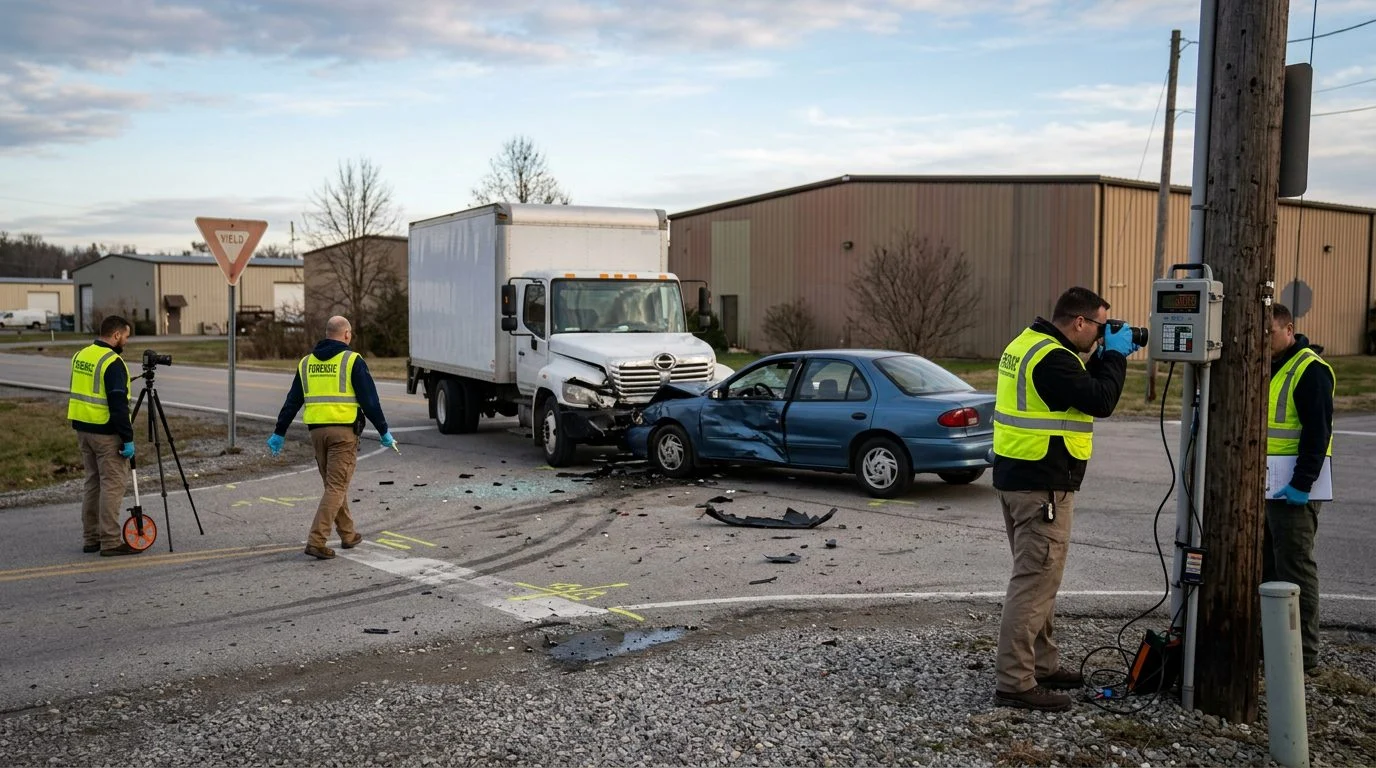
Police Accident Report: The officer who responded to the crash documents their observations, citations issued, and preliminary findings about fault. This official report is powerful evidence of breach. Request it immediately from the investigating agency.
Traffic Citations or Violations: Tickets issued at the scene—for speeding, failure to yield, running a red light, or other violations—are direct proof the driver broke the law. A citation is strong evidence of negligence.
Witness Statements: People who saw the crash can describe exactly what the driver did. A witness who saw the driver texting, swerving, or running a light provides testimony that proves breach of duty. Identify and document witness contact information while memories are fresh.
Vehicle Damage Patterns: The location and severity of damage to both vehicles reveals speed, angle of impact, and how the crash occurred. A collision expert can analyze damage to establish fault.
Skid Marks and Road Evidence: Physical evidence at the scene—skid marks, debris trails, gouges in the pavement—shows whether the driver braked, swerved, or lost control. This evidence is cleaned up quickly; photograph it immediately if you can safely do so.
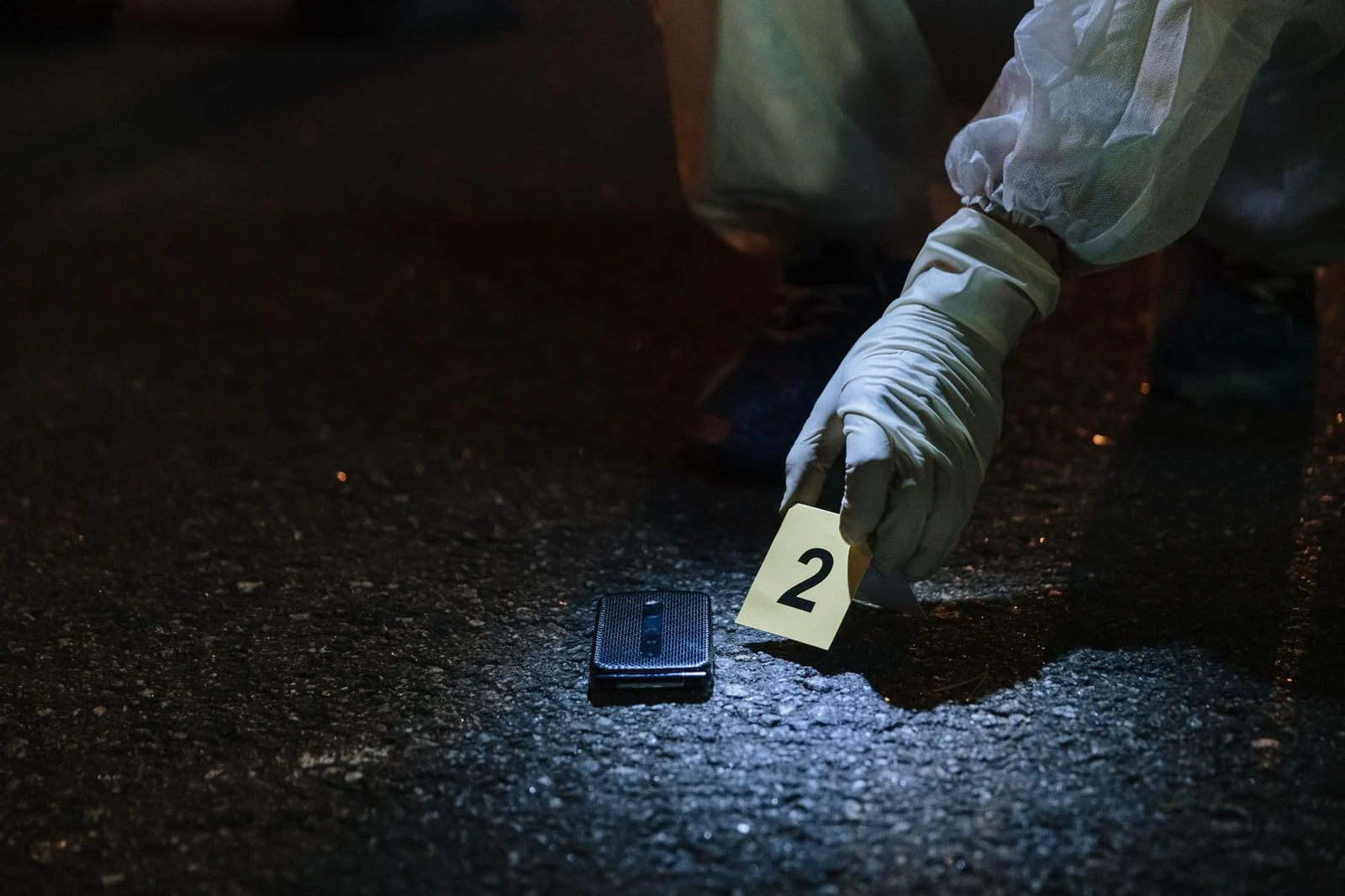
Cell Phone Records: If distracted driving is suspected, records showing calls, texts, or app use at the moment of the crash prove the driver’s attention was diverted. These records require a court order but are often decisive.
Toxicology Reports: Blood alcohol content or drug screening results prove impaired driving. Medical examiners routinely test the at-fault driver’s blood after a fatal crash.
Surveillance or Dash-Cam Footage: Video from traffic cameras, nearby businesses, or vehicles that recorded the crash is powerful evidence. However, this footage is often recorded over or deleted within days or weeks—preservation is urgent.
Evidence of Causation: Linking the Crash to the Death
Causation is the bridge between the crash and the death. You must prove the injuries from the crash directly caused the fatal outcome, not some unrelated medical condition.
Medical Examiner’s Report: The official determination of cause of death is critical. The medical examiner documents how the crash injuries led to death and rules out other causes.
Autopsy Findings: A detailed medical examination establishes the fatal injuries and their direct connection to the crash. Autopsy reports are often the strongest evidence of causation.
Emergency Medical Records: Documentation of injuries sustained in the crash and emergency treatment shows the severity of trauma and the immediate medical response.
Hospital and Medical Records: Treatment records from admission through death show the progression of injuries, complications, and the medical course that led to the fatal outcome.
Expert Medical Testimony: A physician can explain—in plain language for a jury—exactly how the crash injuries caused the death. Expert testimony bridges the gap between medical facts and legal proof.
Evidence of Damages: Documenting the Family’s Losses
Damages are the measurable losses your family suffered. You must document each category with receipts, records, and testimony.
Funeral and Burial Expenses: Invoices for all end-of-life costs—casket, burial plot, service, flowers, and related expenses.
Medical and Hospital Bills: Every bill from the crash through the person’s death. These show both the severity of injury and the costs incurred.
Proof of Income: Pay stubs, tax returns, or employer statements showing the deceased’s earnings and earning potential. If the person was young or had a long career ahead, lost earning potential can be substantial.
Dependency Documentation: Evidence of financial support the deceased provided to surviving family members—spouse, children, or elderly parents. Bank statements and household records help prove dependency.
Household and Childcare Records: Documentation of services the deceased performed that the family must now pay for—childcare, housekeeping, yard work, vehicle maintenance. These have economic value.
Testimony About the Relationship: Family members’ accounts of the emotional bond, companionship, and guidance may be relevant to the sorrow, mental anguish, and solace damages described in W. Va. Code § 55-7-6.
Not sure what your next step is?
Talk it through with our team — the first case review is free, confidential, and carries no obligation.
How Quickly Evidence Disappears After a Crash
Evidence preservation is urgent because critical evidence vanishes fast.
Surveillance footage from traffic cameras or nearby businesses is typically recorded over or deleted within days or weeks. Dash-cam video from other vehicles may be lost if the driver doesn’t know to preserve it. Physical evidence at the scene is cleaned up or removed within hours or days. Vehicle wreckage may be scrapped or sold if not preserved. Witness memories fade, and witnesses may move away or become unreachable.
Early action to preserve evidence is critical. An attorney can send a preservation letter to the at-fault driver’s insurance company, demanding they preserve the vehicle, any video evidence, and other materials. This legal notice creates an obligation to preserve evidence and can prevent its destruction.
How Hard Is It to Prove Wrongful Death?
Proving wrongful death is not impossible, but it requires meeting a legal standard of proof and organizing evidence carefully.
Clear-cut cases—such as a driver running a red light and striking another vehicle—often have straightforward evidence: a police citation, witness statements, and clear causation. These cases are more straightforward to prove.
Complex cases—involving comparative fault, multiple vehicles, or disputes over causation—often require more detailed investigation and careful analysis of how the crash happened (W. Va. Code § 55-7-13c). The strength of your evidence depends on what was documented at the scene and what witnesses can provide.
An attorney can help gather, organize, and present evidence to build the strongest case. In the catastrophic-injury and wrongful-death cases our attorneys handle, thorough investigation and expert testimony often make the difference between a weak claim and a strong one.
What Happens If the At-Fault Driver Dies in the Crash
A wrongful death claim can still proceed even if the at-fault driver died in the crash.
Claims against the at-fault driver’s estate may still be possible, and who may bring them is governed by West Virginia’s wrongful death statutes. You may also be able to seek compensation through the driver’s insurance company. If a commercial vehicle or truck was involved, claims may extend to the employer or company responsible for the vehicle. Evidence of the deceased driver’s negligence remains relevant and necessary to prove liability.
Common Defenses in Wrongful Death Claims
The at-fault driver’s insurance company will likely raise defenses to reduce or deny your claim.
Comparative Fault: West Virginia applies comparative fault principles (W. Va. Code § 55-7-13c). If the at-fault driver’s insurance argues the deceased was partially responsible for the crash, the deceased’s percentage of fault may reduce the recovery in proportion, and if that fault is greater than the combined fault of all other persons responsible, it may bar recovery entirely (W. Va. Code § 55-7-13c). Strong evidence and expert testimony help counter these arguments.
Causation Disputes: The defense may argue the crash did not cause the death or that pre-existing medical conditions were responsible. Medical expert testimony is essential to rebut this defense.
Damages Challenges: The defense may dispute the amount of damages claimed, arguing funeral costs were excessive or lost earning potential was overstated.
Have questions about what happened?
Ask our team directly. The first conversation is free, confidential, and there is no obligation to continue.
Next Steps: Gathering and Preserving Evidence
If you’ve lost a family member in a crash, take these steps immediately:
- Request the police report from the investigating agency.
- Identify and document witness contact information while memories are fresh.
- Preserve all medical records and bills related to the crash and the person’s death.
- Do not discuss the case on social media or with the other driver’s insurance company without legal guidance.
- Contact an attorney as soon as possible to ensure evidence is preserved and your family’s rights are protected.
Frequently Asked Questions
What is the legal standard of proof in a wrongful death case?
A civil wrongful death case and a criminal case are handled separately, and the questions each one answers are different.
How long do I have to file a wrongful death claim in West Virginia?
West Virginia has a statute of limitations (a legal deadline) for filing wrongful death claims. Contact an attorney immediately to understand your specific deadline and ensure your claim is filed in time.
Can I pursue a wrongful death claim if the deceased was partially at fault for the crash?
Possibly, depending on the facts. Under West Virginia’s comparative fault rule (W. Va. Code § 55-7-13c), fault chargeable to the plaintiff reduces recovery in proportion to the plaintiff’s degree of fault, and it bars recovery if that fault is greater than the combined fault of all other persons responsible. Under W. Va. Code § 55-7-13c, in an action for damages, the liability of each defendant for compensatory damages is several only and not joint, so each defendant is generally liable only for the share of compensatory damages allocated to that defendant in direct proportion to that defendant’s percentage of fault, with limited exceptions for those who consciously conspire to commit a tortious act.
What if the at-fault driver’s insurance company denies my claim?
If the insurance company turns down your claim or you cannot reach a fair resolution, going to court may be an option to discuss. An attorney can evaluate the offer and advise whether litigation is necessary.
How do I preserve surveillance footage or other evidence?
An attorney can send a preservation letter to the at-fault driver’s insurance company and any entity that may have evidence, demanding they preserve it. This creates a legal obligation and can prevent evidence from being destroyed.
If you’ve lost a family member in a crash and you’re trying to understand what evidence matters and what your family’s claim might look like, reach out. People in your situation—grieving, overwhelmed, and trying to make sense of the legal process—can contact us to discuss what happened and what comes next. We’re here to listen and to help you understand your options.
Request a case review with Big Bubba
Big Bubba represents families throughout West Virginia in wrongful death claims arising from car accidents, truck accidents, commercial vehicle crashes, and catastrophic injuries. This page provides general legal information and is not legal advice. Every case is unique. Contact us for guidance specific to your situation.
Related practice areas
- Wrongful Death Claims After a Crash in West Virginia
- Work Van Accident Lawyer West Virginia | Big Bubba