
Wrongful Death | West Virginia
When a Car or Truck Crash Takes a Life
Understanding wrongful death claims in West Virginia—and what families need to know.
Published October 02, 2026
What Are Examples of Wrongful Death?
Wrongful death occurs when someone dies as a result of another person’s or entity’s negligence, recklessness, or intentional act. The person or company at fault had a legal duty to protect the deceased from harm, and their failure to do so caused the death. In West Virginia, a wrongful death claim is brought by and in the name of the deceased person’s duly appointed personal representative, and surviving family members who qualify under the statute may share in any damages recovered.
Wrongful death is different from a criminal case. Even if no criminal charges are filed or a criminal case ends without conviction, a wrongful death claim can still proceed in civil court. The standard of proof is lower: you must show that the defendant’s actions were more likely than not the cause of death.

West Virginia generally requires a wrongful death action to be commenced within two years after the death of the deceased person, subject to the provisions of section eighteen, article two, chapter fifty-five. West Virginia Code § 55-7-6 sets out this deadline. Talk it through with our team — the first case review is free, confidential, and carries no obligation.
What is wrongful death?
Wrongful death is a civil lawsuit brought when someone dies because another party breached their duty of care. The death must be a foreseeable result of that breach. For example, a driver has a duty to obey traffic laws and drive safely; if they speed through a red light and hit another vehicle, causing a fatal crash, that’s a breach of duty. An accidental death where no one was negligent or wrongful—such as a sudden medical event unrelated to anyone’s actions—does not qualify as wrongful death.
The key elements generally include: (1) the defendant owed a duty to the deceased; (2) the defendant breached that duty; (3) the breach caused the death; and (4) the death resulted in damages to surviving family members.
Wrongful death in car accidents
Car accidents are among the most common sources of wrongful death claims. A driver causes wrongful death when their negligence kills someone else. Common examples include:
- Speeding or reckless driving: A driver traveling 20 miles per hour over the speed limit loses control on a curve and collides head-on with an oncoming vehicle, killing the other driver.
- Distracted driving: A driver texting on their phone drifts into another lane, striking a vehicle and causing fatal injuries to a passenger.
- Impaired driving: A driver operating a vehicle while intoxicated causes a rear-end collision at high speed, resulting in the death of the vehicle in front.
- Running a red light or stop sign: A driver fails to stop at a traffic signal and T-bones another vehicle, causing fatal trauma to the occupants.
- Failure to yield: A driver turning left across traffic doesn’t see an oncoming vehicle and causes a collision that kills a family in the other car.
In these cases, liability may rest with the at-fault driver. If the driver was acting in the course of employment (for example, a delivery driver or rideshare driver), the employer may also be liable.
Wrongful death in commercial truck accidents
Commercial truck accidents often involve more complex liability because multiple parties may share responsibility. Trucks are subject to federal regulations, and violations can contribute to fatal crashes.
Federal hours-of-service rules limit commercial drivers to 11 hours of driving within a 14-hour window and 60/70-hour limits per week. A fatigued driver who violates these rules and causes a fatal crash may expose the trucking company to wrongful death liability.
Other examples of wrongful death in truck accidents include:
- Speeding or unsafe lane changes: A truck driver traveling too fast for conditions jackknifes or rolls, crushing vehicles nearby and killing occupants.
- Brake failure: A trucking company fails to maintain brakes properly, and the driver cannot stop, resulting in a multi-vehicle collision and deaths.
- Improper cargo loading: Cargo shifts during transit, causing the truck to become unstable and collide with other vehicles, killing occupants.
- Drowsy driving: A driver operates the truck while exhausted, drifts across lanes, and causes a head-on collision that kills people in the other vehicle.
Liability in truck accidents may extend to the truck driver, the trucking company, the truck owner, the cargo loader, or a maintenance contractor—depending on who was negligent or failed in their duty.
Wrongful death from catastrophic injuries
Wrongful death can result from catastrophic injuries sustained in a crash, even if death occurs days, weeks, or months after the initial accident. The original negligent act that caused the injury is still the basis of the wrongful death claim.
Examples include:
- Traumatic brain injury (TBI): A passenger in a car struck by a truck suffers a severe traumatic brain injury. The person survives the initial crash but develops complications—brain swelling, infection, or organ failure—and dies in the hospital weeks later.
- Spinal cord injury: A driver hit by a commercial vehicle sustains a spinal cord injury that causes paralysis. The person develops a blood clot or respiratory infection related to the injury and dies months after the crash.
- Internal injuries with delayed complications: A person survives the initial collision but internal bleeding or organ damage goes undetected. They die from complications before the injury is discovered.
In these cases, the negligent driver or company is still liable for the death, even though the death was not immediate. The key is that the death resulted from the injuries caused by their negligence.
Who can file a wrongful death claim in West Virginia?
Under West Virginia law, a wrongful death claim must be brought by the deceased person’s duly appointed personal representative, for the benefit of certain surviving family members:
- Surviving spouse of the deceased
- Children of the deceased (including adult children)
- Parents of the deceased (if there is no spouse or children)
- Financial dependents who relied on the deceased for support, as beneficiaries (the claim itself is brought by the personal representative)
Any damages may be distributed to the surviving spouse and children (including adopted children and stepchildren), brothers, sisters, parents and any persons who were financially dependent upon the decedent. There is no automatic equal split: the jury or court may direct in what proportions the damages are distributed among the surviving family members.
Not sure what your next step is?
Talk it through with our team — the first case review is free, confidential, and carries no obligation.
What damages can a wrongful death claim cover?
Wrongful death damages are intended to compensate the surviving family members for their losses. These may include:
- Medical and funeral expenses: Hospital bills, emergency care, and funeral and burial costs.
- Lost wages and earning capacity: The income the deceased would have earned over their lifetime, had they survived.
- Loss of companionship and emotional support: The value of the relationship and the emotional harm to surviving family members.
- Pain and suffering of the deceased: If the deceased experienced pain or suffering before death, that may be recoverable.
Each case is unique. The specific damages available depend on the deceased’s age, earning potential, family relationships, and the circumstances of the death.
How long do you have to file a wrongful death claim?
West Virginia sets a deadline—called a statute of limitations—for filing a wrongful death claim. The clock begins on the date of death. If you miss this deadline, you may lose the right to pursue the claim, although exceptions may apply.
Because the deadline is strict and unforgiving, it is critical to consult with a lawyer as soon as possible after a death. A lawyer can advise you of your specific deadline and ensure that all necessary steps are taken to protect your rights.
Next steps if you’ve lost a family member
If you believe your family member’s death may have been caused by someone else’s negligence, take these steps:
- Gather the police report: Request the accident or incident report from local law enforcement. It contains important facts about how the crash happened.
- Collect witness information: Write down the names and contact information of anyone who saw the crash.
- Document medical records: Keep all hospital, emergency room, and medical examiner records related to the death.
- Record expenses: Save receipts for funeral costs, medical bills, and other expenses you’ve incurred.
- Write down details: Note your relationship to the deceased, how the death has affected your family, and any financial support the deceased provided.
This information will be valuable when you speak with a lawyer about your case.

Frequently asked questions
Is a death from a car accident always wrongful death?
No. A wrongful death claim requires that someone else’s negligence or wrongful act caused the death. If a driver has a sudden heart attack and crashes, with no other driver at fault, that is not wrongful death.
Can I file a wrongful death claim if the at-fault driver was uninsured?
Yes. You can pursue a claim against the uninsured driver directly, though collecting damages may be difficult. Under West Virginia law, motor vehicle liability policies must include uninsured motorist coverage, and you may have coverage under your own policy.
How long does a wrongful death case take?
Timeline varies. Some cases settle quickly; others go to trial. Your lawyer can give you a realistic estimate based on the specific facts of your case.
What if the person at fault dies before the case is resolved?
The claim can proceed against the deceased’s estate. Your lawyer will guide you through the process.
If you’ve lost a family member in a crash or accident in West Virginia and want to understand whether you may have a wrongful death claim, reach out to Big Bubba. Families facing this loss can contact us to learn about their options and next steps. Get a free case review today.
Not every fatal crash is wrongful death A wrongful death claim requires that someone else's negligence or wrongful act caused the death. If a driver has a sudden medical event with no other driver at fault, that is not wrongful death. The distinction matters—and so does getting the facts right from the start.
Common scenarios in fatal car and truck crashes
Multi-vehicle collisions
A passenger or driver killed in a crash caused by another driver's recklessness, speeding, impaired driving, or failure to yield.
Commercial truck accidents
A fatality involving a commercial vehicle, where the trucking company, driver, or maintenance failures contributed to the crash.
Uninsured or underinsured drivers
A death caused by a driver with no insurance or insufficient coverage—you may still have a claim and other avenues for recovery.
Hit-and-run fatalities
A death caused by a driver who fled the scene. Uninsured motorist coverage and other protections may apply.
Have questions about what happened?
Ask our team directly. The first conversation is free, confidential, and there is no obligation to continue.
What Big Bubba handles in wrongful death cases
Investigation and evidence
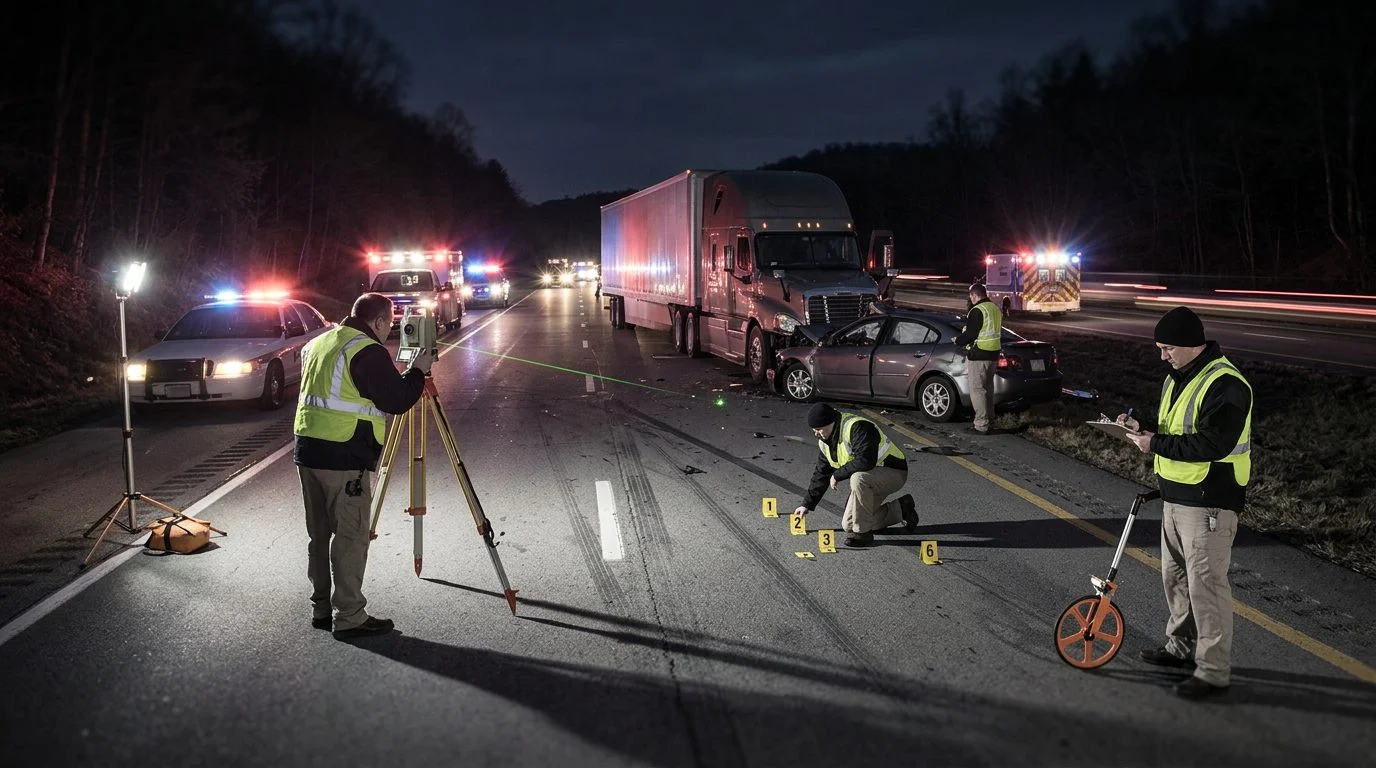
We gather police reports, medical records, witness statements, and crash scene data to establish how the death occurred and who was at fault.
Claims against drivers and companies
We pursue claims against the at-fault driver, their insurance, and any commercial entity whose negligence or wrongful act led to the fatal crash.
Family representation
We represent the personal representative who brings a wrongful death action under West Virginia law, for the benefit of surviving family members such as the spouse, children, and parents.
Compassionate guidance
We understand the grief and shock of losing a loved one. We handle the legal work so your family can focus on healing.
Time matters in wrongful death cases
West Virginia law sets strict deadlines for filing a wrongful death claim. The sooner you reach out, the sooner we can protect your family's rights and begin the investigation.